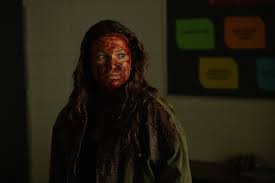
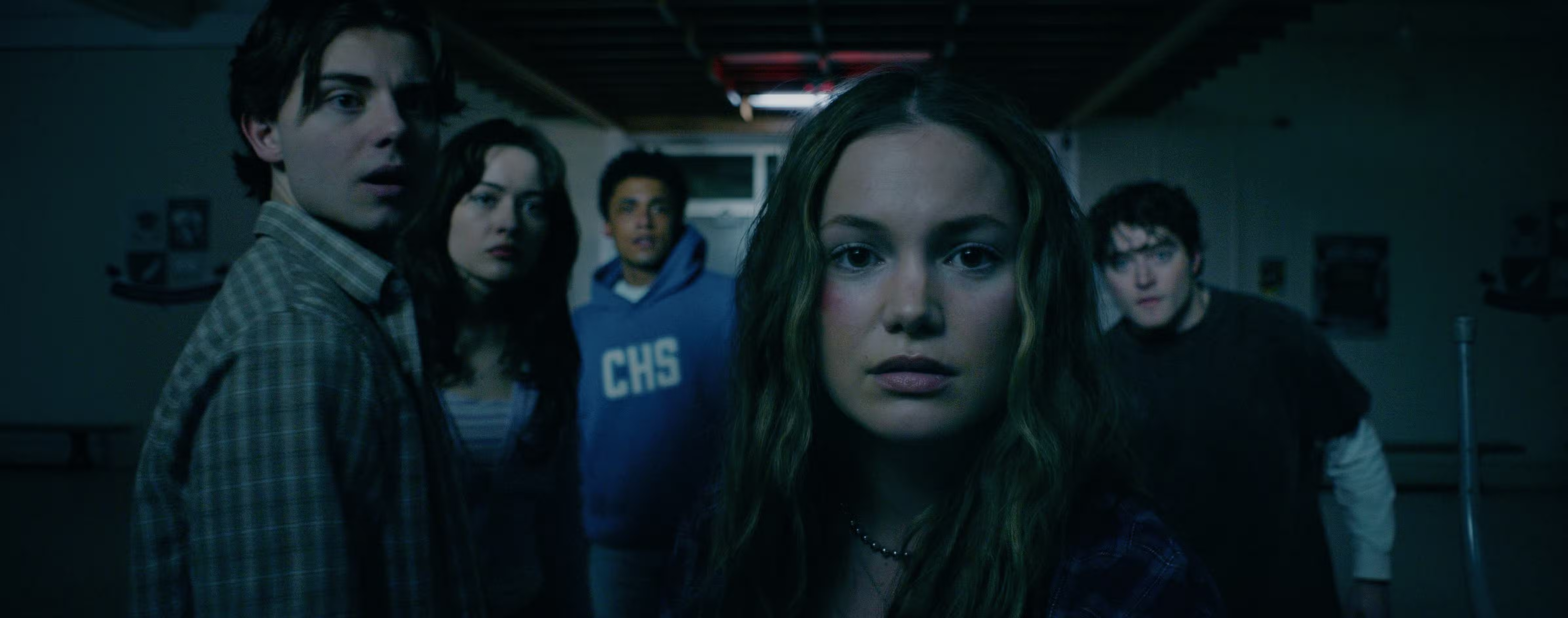
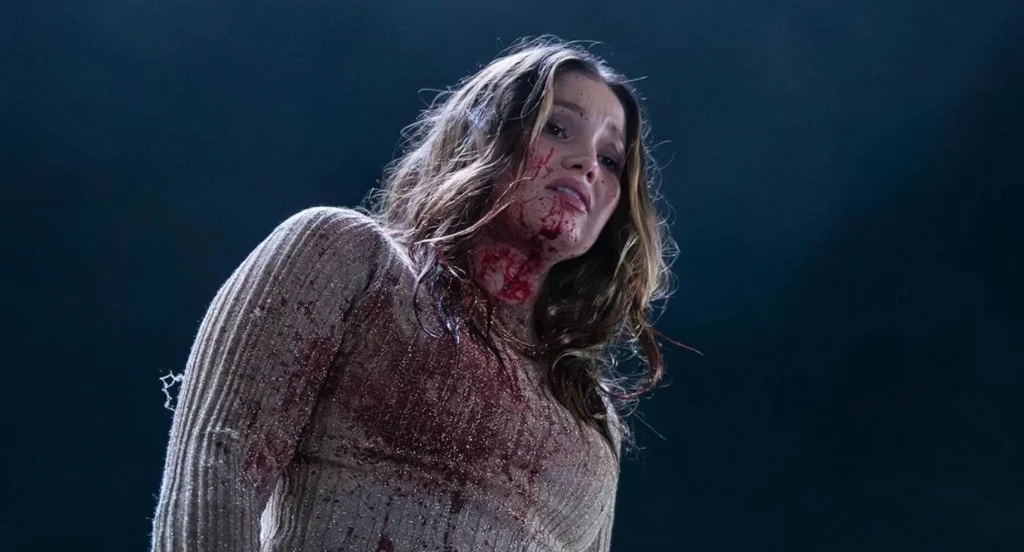
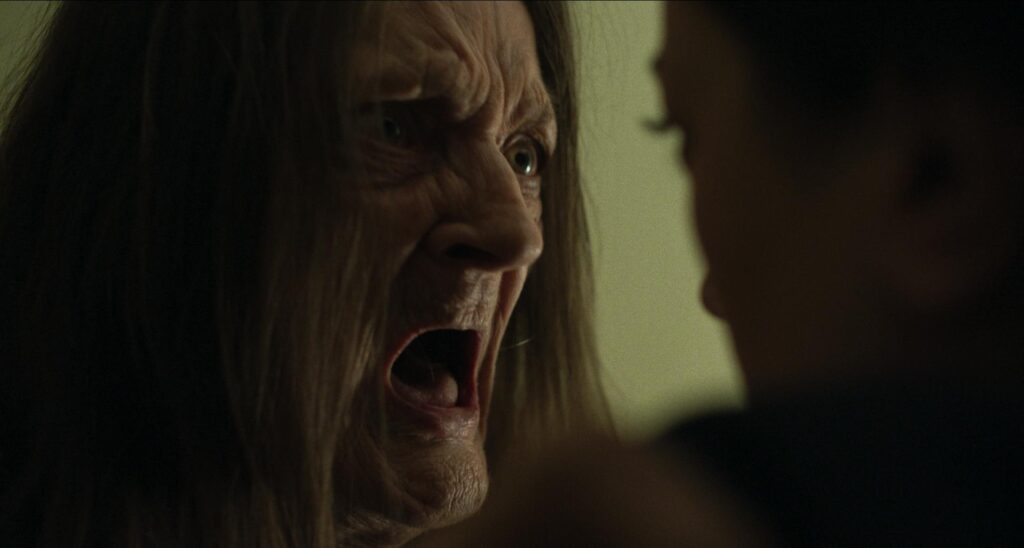
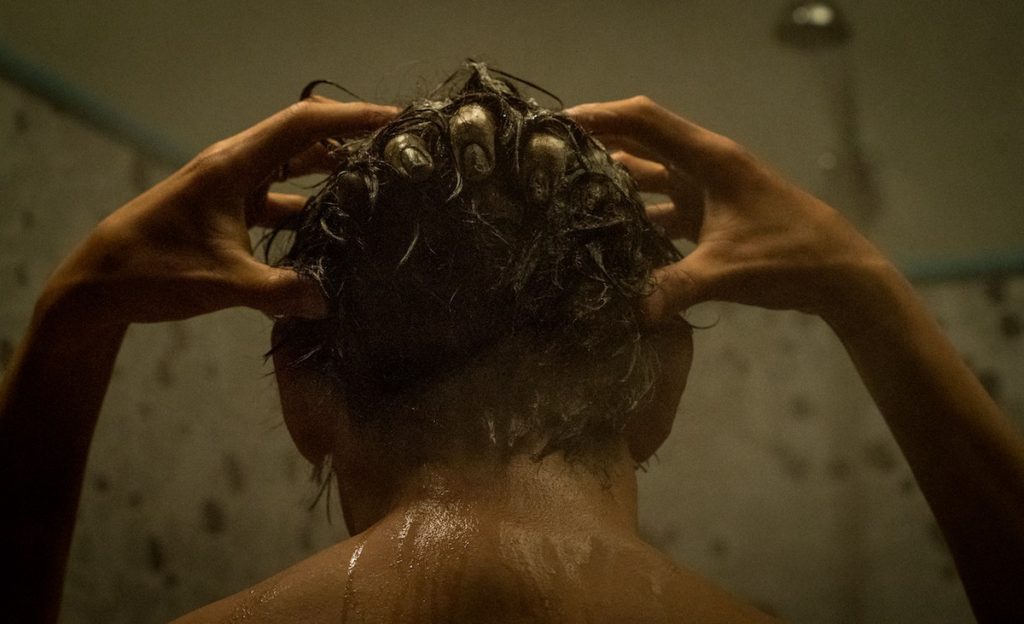
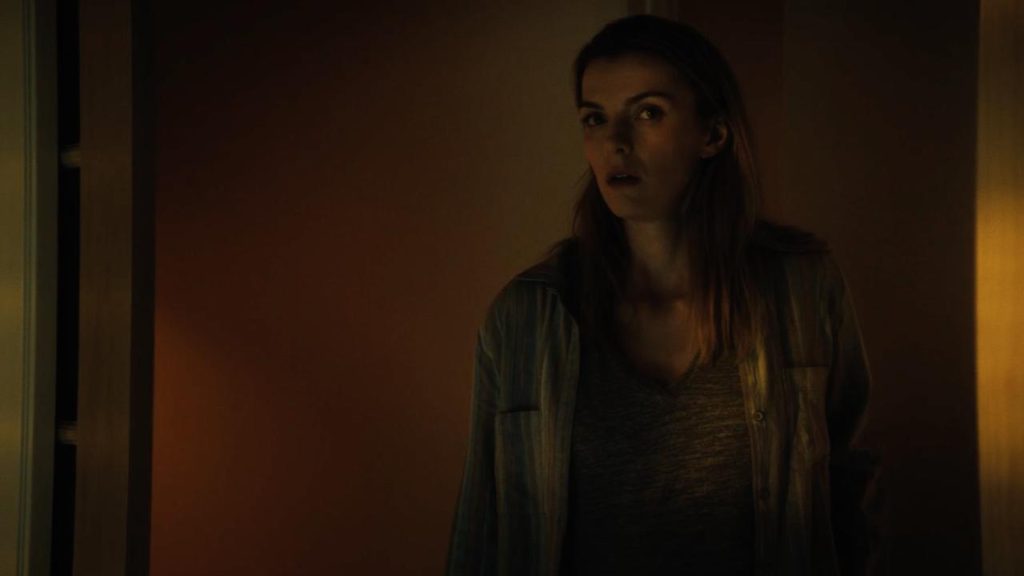
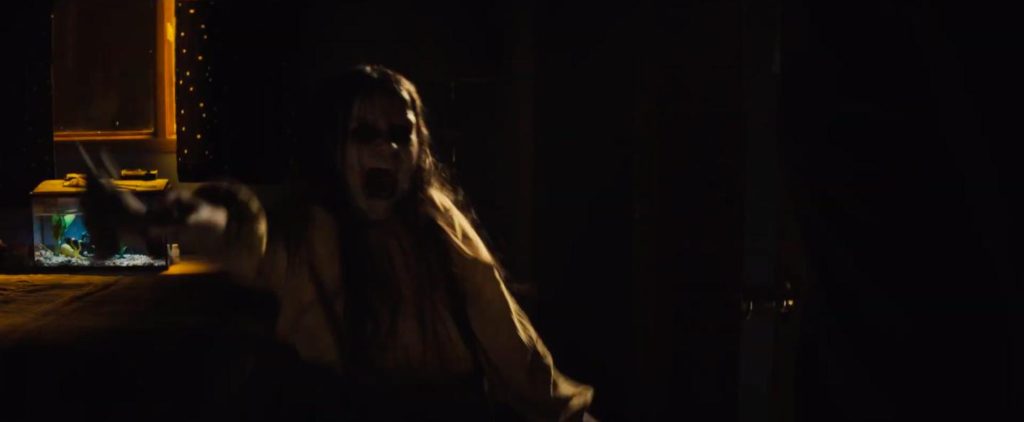
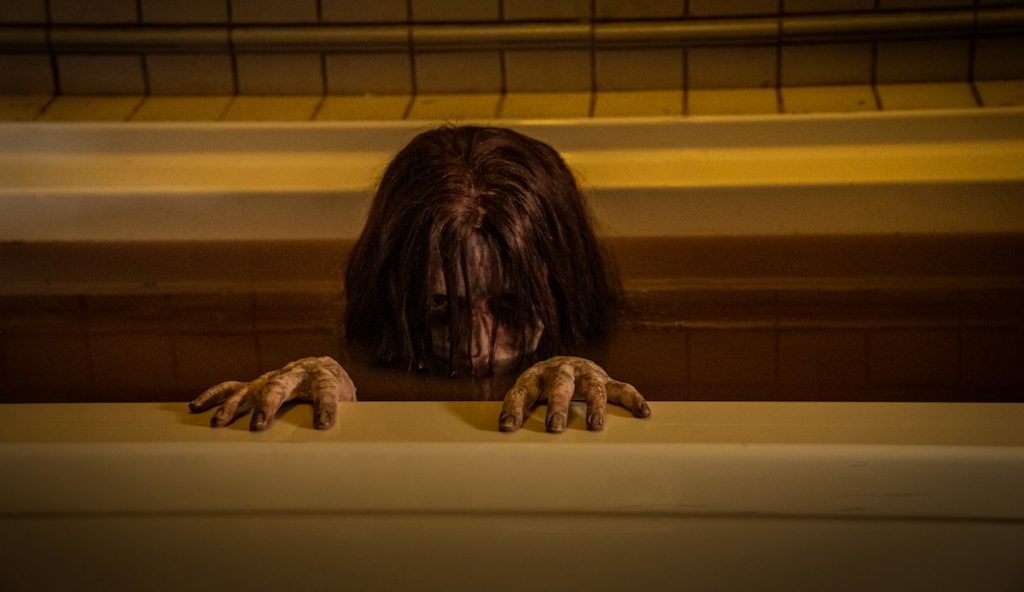
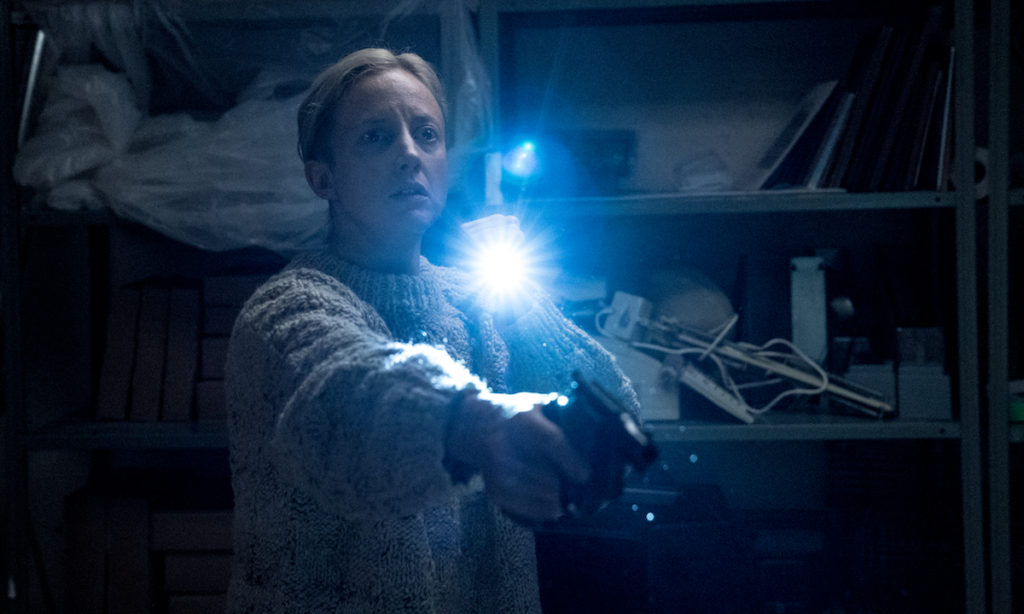
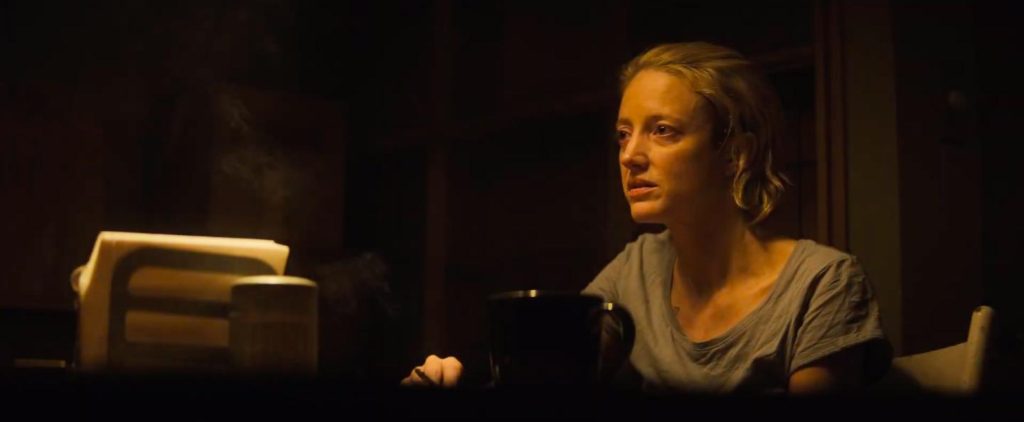
This Is Not a Test offers an atypical take on the zombie genre, leaning more into tension and character moments than nonstop action. The premise and storytelling are decent, though the overall plot feels a bit overdone compared to many other entries in the genre. Unfortunately, the film is held back by noticeably poor-quality zombie makeup and effects, which occasionally break the immersion.
Still, the movie manages to hold interest with its different pacing and approach to the familiar apocalypse theme. While it doesn’t fully rise above its limitations, This Is Not a Test remains a watchable and slightly offbeat zombie flick that earns 3.7 out of 5 stars. ~Oisin, 2/24/26 – AMC A-List flick.
A High School Lockdown Zombie Story
If you’re here for a real This Is Not a Test movie review, you’re in the right place. This is the 2025-shot zombie horror film that hit Shudder on February 20, 2026, and yes, it’s an actual movie review, not a gimmick. That said, it’s also simple, spoiler-light, and focused on one thing: is it worth your time?
The vibe is a teen survival drama trapped inside a high school, with zombies and panic pressing in from outside. Think locked doors, shaky alliances, and the kind of stress that makes every hallway feel narrower.
My quick score up front: 3.75 out of 5. It’s entertaining and tense, but it’s also a bit messy, especially when the undead show up close.
What “This Is Not a Test” is really about (and why it feels different from most zombie movies)
At its core, This Is Not a Test is less interested in zombie “rules” and more interested in what happens when a teenager’s private breaking point collides with a public disaster. The story follows Sloane Price, a student already carrying heavy emotional weight, when a sudden outbreak turns her small town into a nightmare. As the world outside collapses, Sloane and other students end up locked down in their school, trying to make it through the day, then the night, then whatever comes after.
Director Adam MacDonald (known for Backcountry and Pyewacket) keeps the focus tight and human. The film is based on Courtney Summers’ 2012 YA novel, and you can feel that DNA in the way it treats teen relationships as life-or-death serious, even before the zombies force the issue. The undead are still a threat, but they function more like a rising temperature in the room. They turn every argument into a crisis and every decision into a gamble.
It also makes a clear choice to not over-explain the outbreak. If you want a tidy origin story, you won’t get it. Instead, the movie treats the zombie event like an earthquake, it hits, it changes everything, and you either move or you get buried.
For basic details like credited cast, release info, and production notes, the IMDb listing for This Is Not a Test is a useful quick reference.
The high school lockdown setup keeps the story tight
The single main location does a lot of work. A high school already has built-in zones of control, classrooms, offices, cafeteria, gym, and the movie uses that to create clear, easy stakes. You always know what “safe” means for the moment, and you always know how quickly it can fall apart.
That closed setting also amps up the friction. Food becomes a power struggle. Bathrooms become a negotiation. Doors and windows turn into moral tests. As a viewer, you feel the claustrophobia, because there’s nowhere to breathe, and no clean way out.
The movie leans on character pain more than zombie rules
Sloane’s mental health, family trauma, and shifting friendships push the tension forward. The film keeps that pain close to the surface, without turning it into shock value. Some scenes land with a quiet heaviness, even when nothing “horror” is happening.
Because of that focus, the zombies often feel like pressure instead of the main attraction. The outbreak isn’t deeply explained, and the movie doesn’t pretend it is. That choice will either pull you in, or leave you wishing for more genre mechanics.
My 3.75 out of 5 take: fun enough, a little messy, and not here for top-tier zombie effects
This is where the movie’s personality really shows. This Is Not a Test plays like a character-driven thriller that occasionally transforms into a campy zombie flick, then snaps back into a teen drama with bruised feelings and hard stares. When it works, it’s a tense, watchable ride with emotional bite. When it stumbles, it’s usually because the zombie visuals and effects can look rough.
I kept watching because the core plot is decent. The lockdown structure gives the story a ticking-clock feel, and the social dynamics keep shifting. Alliances change, trust breaks, and every “we’re fine” moment has a crack in it. The movie also knows when to tighten the screws. You get stretches of quiet, then a sudden spike of danger, then the aftermath where everyone has to pretend they’re still the same person.
Still, don’t come in expecting a showcase of creature work. Some zombie shots feel cheap, especially when the camera lingers. A few moments look like they needed either more time, or a different plan. That’s the tradeoff: the movie spends more energy on Sloane’s interior storm than on selling the undead as fully convincing monsters.
If you want a sharper sense of how critics have reacted to the film’s throwback zombie approach, Polygon’s take is a strong counterpoint, even if you don’t agree with it: Polygon’s This Is Not a Test review.
Quick takeaway: the story has weight and forward motion, but the zombie presentation won’t impress effects fans.
What works: a decent plot, steady tension, and a cast you can follow
The hook is strong, and the film commits to it early. Once the school becomes a fortress, the movie stays locked into survival decisions that are easy to track. That clarity matters in horror, because confusion kills tension faster than any zombie bite.
Olivia Holt carries a lot as Sloane, and she keeps the character grounded even when the tone swings. Luke Macfarlane as Mr. Baxter adds a different kind of pressure, because adult authority in teen horror often helps, then complicates everything.
Most importantly, the emotional arc gives the movie some real gravity. Even when the scares are uneven, the feelings aren’t.
What doesn’t: the zombies look cheap at times, and the tone can wobble
The biggest downside is simple: the zombies and effects can look poor. Not always, but often enough that you notice. If you’re the kind of viewer who gets yanked out of a scene by iffy makeup or stiff movement, this will test your patience.
The tone also wobbles. One moment plays like raw teen drama, the next goes for classic horror beats. That mix can be fun, but it can also feel like two movies sharing the same hallway. And if you came for big set pieces, the film feels small by design. It’s more “hold the door” than “blow up the mall.”
Who should watch it, who should skip it, and the best way to watch
This is a good movie to stream at night when you want tension and character conflict more than monster spectacle. It’s also a better fit for viewers who like single-location horror, because the school setting stays front and center.
Expect violence and blood, plus dark teen themes, including depression and abuse. There’s also some teen drinking and rough behavior, the kind you’d expect when scared kids stop acting like kids.
If you want another spoiler-light perspective before you hit play, HorrorFuel offers a straightforward snapshot of the experience in its spoiler-free review of This Is Not a Test.
Watch if you want character drama with zombie pressure in the background
You’ll have a good time if you like tense group stories where small fights become big problems. It’s a solid pick if a high school survival setup sounds naturally stressful to you. You might also enjoy it if you prefer emotional horror, where fear comes from people, not just teeth. It fits viewers who like contained settings with clear stakes and limited escape routes.
Skip if you need polished creatures, nonstop action, or big zombie lore
Pass if campy visuals or uneven effects pull you out of a movie fast. Skip it if you want constant action, because the film pauses to sit with feelings and fallout. You’ll also be frustrated if you need deep zombie lore or a clean outbreak explanation. If your favorite zombie movies are built around giant set pieces, this will feel too modest.
Conclusion
This Is Not a Test earns a 3.75 out of 5 from me. The tradeoff is clear: you get a decent, tense story with real character focus, but the zombie visuals and effects can look weak and sometimes distract. Still, the high school lockdown hook works, and Olivia Holt helps keep the emotional core steady.
If you stream it with the right expectations, it’s a fun, imperfect night-in horror pick. When you watch zombie movies, do you come for the monsters, or for the people trying not to fall apart?
Walking into AMC’s Screams Unseen Monday, before last, with little clue about what would flicker to life on screen, expectations hung low; yet ‘The Home’ wasted no time flipping that. This isn’t your average fright fest; we’re talking buckets of gore, sinister secrets, and a rundown nursing home pulsing with dread.
Max, struggling to find his footing, is forced to take a job at a retirement home and soon senses that something isn’t right. The staff and residents seem to be hiding disturbing secrets. As Max looks into the building’s mysterious fourth floor, he starts to find links between the home’s dark past and his history as a foster child.
What sets ‘The Home’ apart is its flavorful cocktail of unsettling atmosphere, sharp performances, and wild twists that continually pull the rug out from under the audience. Even the most seasoned AMC A-List regulars will spot genre nods and some fresh, grimy flair. Expect some queasy moments (thanks to audacious effects) and an ensemble cast that brings a jolt of life to every creaky corridor.
Color me surprised; I walked out with a 4 out of 5-star grin. So did my son, words out of his mouth as well. He’s quite the horror connoisseur. If you’re a longtime fan of horror or just searching for something raw and unpredictable on your A-List night, this is a must-see shocker that more than earns a spot in your movie-going rotation.
A Blind Screening: The AMC A-List Screams Unseen Experience
Sitting in an AMC theater seat for Screams Unseen Monday is a genre fan’s version of Russian roulette. You know you’ll get something off the usual menu, but what exactly? That’s half the fun, and it set the scene perfectly for my unexpected encounter with ‘The Home.’ Not knowing what you’re in for can sometimes heighten the senses, making every shadow on screen pulse with possibility. The AMC A-List truly delivers a surprise for those bold enough to show up sight unseen.
That Moment the Curtain Rises
There’s an electricity in the air during these surprise screenings; moviegoers glance around, eat their popcorn a bit faster, and brace for the first reveal. When ‘The Home’ flickered onto the screen, I could feel a collective ripple of curiosity. No big blockbuster intro, just a quick plunge into eerie halls and flickering lights.
What makes these A-List events a standout is the sense of community and shared bewilderment. For horror fans, it’s a bit like swapping ghost stories at summer camp; you’re all in it together. The nervous laughter, the jump scares landing on unsuspecting viewers, and the gasps when the plot takes a wild turn; it’s an experience amplified by the room.
Why Blind Screenings Amplify Every Shock
Without trailers or reviews to shape expectations, each twist in ‘The Home’ landed even harder than usual. The gross-out gags felt sharper, the villainous reveals even more wicked. You react in the moment, without that usual critic’s filter kicking in. For me, this made every detail, the grotesque practical effects, the gritty hallway chases, the bizarre dialogue, truly pop.
Let’s break down why going in blind can elevate a movie night:
No Spoilers: Every plot twist is a gut punch.
Genuine Audience Reactions: The laughs, shrieks, and murmurs around you set a live-wire mood.
Heightened Tension: When you can’t predict the next trope or jump scare, each moment keeps you on edge.
Stronger Impact: For a film like ‘The Home,’ which thrives on surprise and grotesque set pieces, the lack of warning lets scenes hit harder.
AMC A-List: Perfect Playground for Risk-Takers
AMC’s Screams Unseen series has turned the Monday movie slot into a horror lover’s lottery. Sure, sometimes you get a run-of-the-mill slasher or a slow-burn ghost story, but then a grimy shocker like ‘The Home’ sneaks in and flips the script. You walk away with a story to share and maybe a newfound respect (or distaste) for congealed gore effects.
These events encourage you to shake up your comfort zone, trusting the curators to show something weird, wild, and conversation-worthy. If you’re the sort who waits for Rotten Tomatoes before picking a ticket, these might just convert you into a risk-taker. For more on the diversity of films in AMC’s surprise lineup, explore this detailed guide to horror hidden gems on AMC.
Nights like this remind me why I keep my AMC A-List membership active; the unknown can be a thrill in itself, and even when a movie isn’t perfect, the collective discovery is worth the price of admission.
Plot Overview: Demented Intrigue in a Nursing Home Setting
Step into the shadowy halls of ‘The Home’, where safety is only a memory and menace hides in every flickering light. The story plants its flag in a rundown nursing home, pushing against every cozy expectation we usually have about these elder spaces. Forget gentle bingo nights and warm Jell-O; here, secrets rot behind the walls and nothing, not even daylight, feels safe. The movie dishes out suspense and dread in equal measure, revealing an ecosystem of terror that thrives amid the vulnerable.
Twists and Turns: Evil Plots Amid the Elderly
‘The Home’ doesn’t rely on cheap tricks. The movie builds its plot like a maze, turning every corner into a test of nerves. It sets you up with familiar care-home quiet; soft murmurs, TV static, echoing nurse calls; then yanks the rug out. Resident friendships? Cloaks of secrecy. Caring staff? Not all are who they seem. Before you know it, sinister schemes bubble up, blurring the line between protector and predator.
The movie’s main antagonist shines with twisted intent. Their motives aren’t cartoonish or one-note. Instead, you get a blend of greed, resentment, and hunger for power; real human flaws laid bare. It’s the kind of villainy that crawls under your skin because it feels possible, even close to home. As bodies start piling up, the film uses the residents’ vulnerability as a haunting backdrop, making every act of evil more gut-wrenching.
A few key shocks keep audiences glued to their seats:
False Faces: Trusted caregivers or charming visitors turning out to wear masks metaphorically, and sometimes literally.
Hidden Agendas: A legacy, fortune, or personal vendetta tucked beneath the surface, driving much of the cruelty.
Secret Alliances: Elderly residents banding together, or splitting apart, in ways you won’t predict.
The result is a constant tension. You find yourself scanning every scene for clues, never knowing which side each character falls on. The movie toys with expectations, nodding to classics but blazing ahead with its brand of nasty surprises. This layered storytelling is perfect for anyone who loves horror films that trap you in a guessing game with real stakes.
It’s worth noting how the setting elevates the horror. Nursing homes have their eerie energy; sleepy, almost forgotten places where the world rarely looks twice. The film leans hard into these truths, sucking you into a space where every creak or distant cry might be something far darker. For anyone drawn to genre films that toy with legend and myth, exploring similarly shadowed stories like those featuring Changelings in TechnoTink Lore can scratch that itch.
‘The Home’ wrings every possible drop of unease from its simple setting, transforming an everyday sanctuary into a playground for evil. With off-kilter performances and surprises waiting in every corridor, it’s a nasty treat for horror fans craving a little more bite in their next AMC screening.
Gore and Atmosphere: Atypical Horror in ‘The Home’
From the opening shot, ‘The Home’ grabs you by the scruff; gone are haunted houses and abandoned asylums. This story coils itself into the stuffy, echoing corridors of a nursing home, breathing fresh terror into a place built for comfort and routine. What happens when the chaos and cruelty usually reserved for dark woods or spooky mansions take root where the frail reside? ‘The Home’ says, let’s get uncomfortable, and then peels back the layers with gleeful menace.
Grimy Gore: More Than Just Shock Value
The gore in this film isn’t sprinkled for shock, it’s poured on with a messy sense of purpose. Forget the bloodless chills. Here, every injury and grotesque reveal packs weight. I found myself cringing and wincing, not just at the amount of fake blood but at the inventiveness behind each gag. Nursing home horror gets personal; bandages are never just bandages, and medical equipment becomes a smorgasbord for squirmy kills.
There’s a physicality to the violence that lingers. You’ll notice:
Unpredictable Props: Tools meant for care (walkers, IV stands) turn into implements for mayhem.
Close-Quarters Carnage: Tiny rooms and cluttered hallways mean every encounter is in-your-face.
Raw Effects: Old-school latex and goopy practical work keep things visceral and intimate.
If you’ve got a stomach for it, these scenes elevate the stakes. But even the faint-hearted can appreciate how well the effects team creates tension and pays homage to the classics. Those curious about other films that creatively tangle with unsettling themes should check out the Herecy Movie List, showcasing more titles that aren’t afraid to get a little gruesome.
Oppressive Atmosphere: Fear in Every Flickering Hallway
Most horror movies set in institutions lean on stale tropes. Not here. The movie claws out a mood of claustrophobia and isolation that refuses to let up. Lighting choices (think: greenish fluorescents, sickly shadows) and layered sound design ramp up your anxiety. Even the safe spaces; rec rooms, nurse’s stations, vibrate with unease. There’s a humid heaviness to the air, like the whole building is holding its breath.
What seals the deal is how every mundane moment gets bent into something sinister. The shuffle of slippers becomes ominous. A cough echoes like a warning. The once-comforting schedule of pills and meals now feels ritualistic, even chilling. Other films have tried to conjure scares in elder care settings, and this Reddit discussion on horror movies in nursing homes covers just how rare and tricky it is to pull off. ‘The Home’ lands its mood with sweaty-palmed precision.
Atypical Setting: Old Age, Fresh Frights
Setting a horror film among the elderly challenges viewers and filmmakers alike. This isn’t a crowd we’re used to seeing hunted, let alone fighting back. ‘The Home’ uses every bit of the setting’s unique energy:
Wheelchairs and canes become tools for both survival and violence.
Memory loss and confusion add extra layers of dread; sometimes the greatest threat is not knowing who or what to trust.
Limited mobility amplifies tension. Escape is never a simple sprint.
This isn’t just horror, it’s horror with wrinkles, hearing aids, and bruised dignity; and that’s exactly what makes its scares feel new. Want a deeper dive into how other films handle these themes? Check out this comprehensive IMDB list spotlighting horror centered around elderly and nursing homes, which puts ‘The Home’ in good but bloody company.
If you love horror films that weave in social fears and uncomfortable settings, don’t overlook the latest discussions and highlights in the Movie Reviews Archive, where fresh takes on unusual fright flicks keep the conversation going.
Acting and Cast: Depth and Range Beyond Basic Stereotypes
Walking into ‘The Home,’ I didn’t expect the cast to shine as brightly as the neon kitchen clock flickering in that haunting rec room, but here we are. Too often, horror films, especially those tucked away in smaller theaters or midnight slots, lean on cookie-cutter character types and hammy performances. ‘The Home’ breaks that old habit like a brittle bone. The actors dive right past surface caricatures, breathing real, trembling life into every glance and gasp, giving the story a human pulse that keeps us far from autopilot.
Actors Who Refuse to Phone It In
Let’s start with the ensemble, the film’s secret sauce. Each performer, from grizzled caretaker to frail resident, steps up with a steady hand and a face full of stories. No one hides behind clichés: even the supporting players, who’d usually deliver just a startled yelp or a grimacing background scream, chase after something more genuine and raw. Watching this cast wrestle with fear, heartbreak, and those moments of rebellion, you can almost taste where real-life stakes meet horror’s wild exaggeration.
A few specifics set this cast apart:
Lead Performance: A grounded, gutsy showing from an actor whose eyes carry half the narrative. Not just scared, but angry, confused, or even sly; each emotion gets a turn.
Supporting Cast: Old-timers aren’t props. They emote, quip, rage, and mourn in equal measure, painting a portrait that never feels exploitative or cartoonish.
Villain Role: In a genre ruled by larger-than-life monsters, this movie hands the antagonist a very human soul, making every chilling act hit harder.
Some of the best horror shines when an ensemble truly invests in their roles. If you want to see how other films balance tone and group dynamics, maybe with more lighthearted fare, explore dynamic casts in Karate Kid Movies, where every team member brings color to the story.
Surprising Range: Relatable, Vulnerable, and Fierce
Instead of leaning on tropes, the cast here digs deep into the vulnerabilities that make people tick, especially when pushed to the edge. There’s a true mix of confusion, defiance, and even bittersweet humor, all ringing honest, no matter how bizarre the situation gets. You never feel like you’re watching actors reading off a scare checklist.
You might spot:
Relatable Flaws: Nothing is sanitized. Aging, fear, regret; they’re messy, just like life.
Unlikely Strengths: Moments of quiet rebellion and wit that make characters memorable, not just meat for the grinder.
Memorable Dialogues: Some lines sparkle with gallows humor, giving the story warmth alongside the terror.
Plenty of films have tried and failed to give depth to their potential victims. For an in-depth look at technique, check out A Comprehensive Guide to Acting in Horror Movies, which unpacks what it takes for actors to succeed in such a demanding genre.
Moving Past Typecasting in Horror
One of the biggest shocks was seeing older actors sometimes given the meatiest roles; a far cry from Hollywood’s habit of slotting them as quiet backgrounds or comic relief. Here, every age is treated as a playground for real emotion. The movie’s refusal to pigeonhole anyone pays off with more drama and bigger scares.
Instead of just lining up the elderly as helpless lambs or stock “wise” figures, ‘The Home’ lets them plot, scheme, and evolve. For those interested in stories that unpack group dynamics and relationships under pressure, it’s worth digging into Movies About Bullying for parallel tales of vulnerability and courage.
The cast takes what could have been a lineup of throwaway parts and turns it into a showcase of genuine emotional heft. Performances land with the weight of old secrets and new danger; a rare trick in today’s horror scene. For readers looking to compare, there’s a fascinating Reddit thread on the best horror movie acting performances; you’ll find ‘The Home’ deserving a spot in such debates.
No weak links in this chain, just a lineup that punches well above the movie’s budget and expectations. That fourth star in my rating? The acting and cast earned it.
Final Impressions: Why ‘The Home’ Deserves a Spot on Your Watchlist
Let’s face it; most horror flicks bank on the same tired locations, the same well-worn boogeymen. ‘The Home’ does none of that. It creeps onto the screen with a freshness you didn’t know you craved, mixing jagged scares with a bleak, lived-in setting and a cast that fires on all cylinders. After seeing it at an AMC A-List Screams Unseen event; walking in blind, zero expectations; I left more than a little impressed. This film packs a punch for anyone scanning streaming menus or standing bewildered at the ticket counter, unsure if they want to risk another recycled scare-factory. Here’s why it’s worthy of your next movie night.
Unexpected Energy and Relentless Gore
From the first minute, ‘The Home’ grabs your attention and doesn’t let go. The go-for-broke approach to practical effects creates a sensory overload; drippy, inventive, and just plain gross at times. Yet, every spill and shriek is earned. The film trades cheap shocks for moments that genuinely jangle the nerves, handling gore as storytelling, not just spectacle.
If you’re the kind of horror fan who’s seen it all, this one likely still has a few surprises up its grungy sleeve. Compared with other films in the genre, especially those set in aged care, the sheer commitment to discomfort is almost its badge of honor. You’ll be squirming in your seat, but not rolling your eyes.
So many horror movies fill their screen with cardboard cutouts; faces you forget by the credits. ‘The Home’ refuses to play that game. Each cast member, from the lead to the smallest supporting role, brings more than screams; they bring stories, quirks, regrets, and flashes of humor. When danger looms, you care who survives, making every chase mean something.
Here’s what stands out:
A sharp, emotional lead performance that grounds the madness in something personal.
Aged residents get real arcs, not just cheap scares or exposition dumps.
Even the villain feels human; unsettling, but relatable enough to stick with you after the lights come up.
This isn’t just a parade of victims; it’s a mesh of personalities, tangled motives, and messy loyalties. That’s rare in modern horror, and it’s a huge part of why the movie lands so well.
Setting That Flips Expectations
The backdrop; a tired, underfunded nursing home, turns every reliable horror trope on its head. Ordinary objects become weapons, old routines set up chilling dread, and each quiet corner pulses with possible threat. That feeling of being trapped, overlooked, or underestimated takes on new layers when the survivors aren’t teens with quick reflexes, but the elderly just trying to get by. It’s uncomfortable, yes, but it feels bold in a genre usually content to play it safe.
Curious about how the genre has handled these settings before? Dive into this Reddit thread about horror movies set in nursing homes and you’ll see just how seldom filmmakers dare to reimagine senior living like this.
Four Stars: More Than Just a Shock Machine
Maybe that’s the best way to sum up the appeal here. Even if you walked in hoping for an average night, you get a movie that swings bigger than expected; a relentless, sometimes darkly funny, always gritty surprise. As someone who’s watched their share of horror duds, I walked out grinning and a little grossed out, awarding four out of five stars without hesitation.
Stacked up against safer picks, ‘The Home’ stands apart as both bold and memorable; a perfect fit for anyone hungry for something left-of-center on their watchlist. And if you enjoy family dynamics twisted into the horror mix, check out the Family Movies Collection for another angle on complicated relationships under stress.
With its jolting twists, strong performances, and a setting rarely explored, ‘The Home’ is more than worth your time. It’s the kind of movie where discomfort and entertainment walk hand-in-hand; a prickly, pulse-racing reminder that sometimes, the best horror is the one you never saw coming.
Conclusion
Stepping out of the unknown and into a seat at AMC’s Screams Unseen Monday, taking a gamble on a mystery title, gave way to an experience that recharged my faith in bold, offbeat horror picks. ‘The Home’ stacked heavy gore, wicked twists, and an atypical setting with a cast that brought unexpected dignity to the genre’s most overlooked survivors. That four out of five star grinning exit wouldn’t have happened if I’d played it safe. Sometimes, the best stories are the ones you never see coming.
For AMC A-List members, this is the reward of leaning into surprise; discovering films that push beyond worn-out tropes and shake up the night. Horror fans hungry for more story-driven scares tucked into strange corners will find a rich catalog beyond just the latest studio releases. If you’ve got an appetite for family legacies twisted by fear and legend, take a look at Norse Folklore Movies for another angle on myth and kin in unexpected places.
Thanks for joining in on this wild screening. Next time you see an empty Monday slot and a secret AMC event; jump. That ticket could be the key to a new favorite. Keep seeking out those hidden legends and share your Screams Unseen stories!
Fast Zombies, Real Fear, and a Modern Horror Classic
When 28 Days Later burst onto the scene in 2002, it didn’t just update the zombie formula; it rewrote it. Director Danny Boyle’s vision gave us zombies that could sprint, not stumble, adding real urgency and fear back into horror. This film turned the familiar shuffling undead into fast-moving threats, delivering chills that even diehard fans hadn’t seen before.
With its gritty London backdrop and raw performances, 28 Days Later raised the bar for British horror and inspired a wave of copycats. People still talk about its haunting visuals, atmospheric soundtrack, and the way it explores humanity under extreme pressure. This review breaks down the story, themes, acting, visual style, and why its legacy lingers, earning it a top-tier 4.5-star rating. If you enjoy looking at the impact of movies on pop culture and genre films, you’re in the right place.
Plot Overview and Thematic Depth
Danny Boyle’s “28 Days Later” takes the classic zombie apocalypse and remixes it for the modern era. The story wastes no time, dropping viewers straight into a world transformed by a viral outbreak, with London eerily empty and danger lurking around every corner. Beyond the frights and sudden scares, the heart of the film explores what happens to people when normal life disappears. Survival, trust, and the core of human nature all get tested as characters navigate fear, loss, and impossible choices. Let’s break down how “28 Days Later” stands apart, not just as a high-speed horror film, but as a film with deeper meaning.
A New Breed of Zombie Apocalypse
Most zombie movies follow a familiar script: slow, shambling undead, a group of survivors, relentless dread. “28 Days Later” throws that out the window. The monsters here aren’t undead at all; they’re people infected with a “Rage” virus, turning them into violent, sprinting threats. That speed transforms the tone from creeping unease to relentless panic. Even the bravest viewer might feel their heart race as characters run for their lives through abandoned streets and tight alleyways.
This change matters. Sprinting infected force the heroes to think fast, move faster, and accept that nowhere is safe. The tension is constant, and the action scenes feel raw, desperate, and real. Unlike slow-moving ghouls, these infected feel plausible in our world, tapping into real concerns about contagion and viral outbreaks.
Suppose you want a deep dive into the way Boyle reinvented zombie storytelling. In that case, the detailed Film Comment review of 28 Days Later offers further analysis of how individuality and humanity unravel with viral savagery.
Societal Collapse and Human Survival Instincts
With society in ruins, the film quickly moves from a story of monsters to one of people. The infected represent the most obvious threat, but Boyle focuses on how survivors navigate chaos and fear when all rules vanish. Early in the movie, scenes like Jim wandering a silent London capture the loneliness and shock when order disappears.
The film keeps the stakes grounded in real emotion: grief, mistrust, fleeting hope. As survivors band together, their group faces hard choices about loyalty, morality, and what they’re willing to do to survive. Simple tasks, like finding food and staying safe at night, take on huge weight when every decision could be your last.
What sets 28 Days Later apart is its honest look at the dark and light sides of human nature. The film asks: When the world crumbles, who do you become? Viewers see characters stripped down to their most basic instincts; some find courage, others become just as dangerous as the infected. To read more fan impressions on the film’s raw emotional power, check out this honest discussion: 28 Days Later is such an incredible and unsettling movie.
Boyle’s approach hooks us with horror but keeps us watching with tough questions about humanity. This mix of action, emotion, and smart storytelling is why 28 Days Later is often considered a modern classic.
Direction, Cinematography, and Soundtrack
Every pulse-pounding moment and chilling silence in “28 Days Later” builds on the movie’s sharp direction, gritty visuals, and the kind of soundtrack that sticks with you long after the credits roll. These elements don’t just tell the story, they make you feel every ounce of dread, hope, and shock right alongside the characters. Let’s break down how each piece fits together to make this film one of the most unforgettable horror experiences around.
Danny Boyle’s Visionary Approach
Danny Boyle reshaped what horror could feel like with his direction on “28 Days Later.” He took risks, like using a digital camera for much of the movie, giving scenes a raw and unpolished energy that mirrors the chaos in the story. Boyle doesn’t rely on flashy effects or cheap scares. Instead, he zooms in on the characters’ emotions and their reactions to a world gone wrong.
Boyle’s use of real empty streets in central London is legendary. He filmed at odd hours to capture deserted landmarks, which heightens the intense sense of isolation and panic. This wasn’t just a directorial trick; it forced the audience to question what they would do in a similar nightmare scenario. If you’re interested in how directors shape genre-defining films, take a look at the unique approaches in the Lore Reviews Collection.
Visuals: Gritty Realism and Urban Isolation
The cinematography in “28 Days Later” pulls no punches. Cinematographer Anthony Dod Mantle worked with handheld digital cameras to put you right in the action, sometimes a little too close for comfort. The picture feels unsteady and urgent, matching the chaos the characters face. Night scenes are stark, often grainy, and daylight barely softens the danger, making fear feel real and constant.
A few things you’ll notice:
Abandoned cityscapes: Iconic London locations stripped of all life, turned into eerie playgrounds for terror.
Harsh lighting and jumpy edits: These choices create a jittery mood that keeps you anxious.
Close-ups and first-person views: Used to drag you into the survivors’ mindset, trapping you in their fear.
The style used here influenced a new wave of horror films. If you enjoy innovative camera work and how it shapes a story’s feel, the underwater camera work discussed in Latest Movie Updates shows filmmakers pushing boundaries just like Boyle did here.
Soundtrack: Creating Tension and Mood
“28 Days Later” owes much of its suspense to the haunting soundtrack by composer John Murphy. The score is never just in the background; it’s right under your skin, building dread even in quiet moments. The iconic track “In the House – In a Heartbeat” is the sound of panic itself, rising and tumbling as the threat grows.
Here’s what stands out about the music:
Atmospheric build-ups: Soft, almost silent passages make loud moments hit even harder.
Electronica blended with orchestral sounds: Keeps the tone unpredictable and jagged.
Memorable themes: Once you’ve heard that key melody, it doesn’t let you go.
If film music piques your interest, you might enjoy browsing Music articles on TechnoTink, featuring more about the way sound tracks and shapes the emotion in storytelling.
The result is a tense, nerve-wracking horror experience where the direction, visuals, and soundtrack all push you right to the edge of your seat.
Key Performances and Character Development
The impact of “28 Days Later” isn’t just about sprinting zombies and empty city streets. The film’s power is rooted in how real the characters feel, thanks to standout acting and a focus on growth. When normal life collapses, every survivor shows different layers, making you care about their fates. Let’s take a closer look at the work Cillian Murphy delivers in his breakthrough role, as well as how the rest of the cast brings this gritty nightmare to the screen.
Cillian Murphy’s Breakout Role
Cillian Murphy gives Jim a complex, raw energy that makes him more than just a typical horror protagonist. When Jim wakes up alone in the hospital, Murphy captures a real sense of confusion and vulnerability. As the story builds, he changes; not just reacting to the world, but growing into a survivor before our eyes.
A few things that make Murphy’s role memorable:
Vulnerability at first: Jim’s struggle to accept this terrifying new world is believable and heartbreaking.
Gradual toughness: As danger grows, Murphy shifts Jim’s body language and voice, showing how trauma can shape a person.
Real emotion: He doesn’t just act scared or angry; he brings hope, grief, and desperate courage to even the quietest scenes.
Fans and critics agree; Murphy’s take on Jim feels so human, it pulls you in. If you’re interested in fan discussions about his standout performance, check out this detailed 28 Days Later movie appreciation on Reddit, where viewers break down his best scenes and discuss why Jim stands out in horror.
Want more background on the character and how Cillian Murphy shaped the role? You can explore the film’s detailed breakdown and Murphy’s place in movie history on Wikipedia’s 28 Days Later page.
Supporting Cast: Building Realism
The magic of “28 Days Later” isn’t only about its lead. The supporting cast, including Naomi Harris as Selena, Brendan Gleeson as Frank, and Megan Burns as Hannah, brings vital depth. Every actor comes across as honest and lived-in, adding to the film’s gritty atmosphere.
Here’s how the supporting cast elevates the film:
Naomi Harris (Selena): Her performance delivers a tough, no-nonsense survivor haunted by loss. Selena’s quick decisions and guarded heart add tension and warmth.
Brendan Gleeson (Frank): Gleeson gives Frank a warmth and fatherly resolve. His small, hopeful moments with his daughter break up the horror with needed heart.
Megan Burns (Hannah): Playing Frank’s daughter, she grounds Hannah in innocence; yet believable resilience, that shows how young people cope during chaos.
The group’s chemistry helps you feel like these are actual people, not movie stereotypes. Only when everyone’s scared and uncertain does the terror feel so real. The effort to make their fear, hope, and small victories feel genuine grounds the movie in reality and keeps the stakes high.
If you want a quick overview of the film and its cast, the 28 Days Later (film) Fandom page offers more character details and cast insights.
For film fans who enjoy seeing how actors carry a story with little spectacle, the Latest Movie Review on Technotink looks at recent movies where strong performances are the difference between a good film and a great one.
Critical Reception, Legacy, and Influence
Since its release, “28 Days Later” has been recognized not just as a riveting horror film but as a cultural milestone. Its daring approach to a familiar genre, along with its high-stakes storytelling, won over critics and fans alike. The impact still ripples through modern film and TV, inspiring changes that can be felt wherever zombies appear on screen.
Modernizing the Zombie Genre
Before “28 Days Later,” zombies tended to shuffle and groan. Audiences expected slow-moving dangers inspired by classic films. Danny Boyle shattered those expectations. He inflicts sprint and attack without warning, making every encounter unpredictable. The movie made zombies scary again, not just gross or absurd.
A few ways “28 Days Later” changed the game:
Introduced fast, aggressive infection: Suddenly, running was survival. The formula shifted from grim waiting to panicked action.
Grounded horror in reality: Using infection instead of pure supernatural causes, the film tapped into real-world fears about viruses and pandemics.
Shifted visual style: The digital, raw look gave scenes an urgency that felt different from glossy, Hollywood horror.
After “28 Days Later,” other films and shows took notice. The world saw a wave of stories where the monsters weren’t just slow; they chased you down. For more on how genre films innovate and push boundaries, check out the Lore Reviews Collection, featuring creative approaches to horror and fantasy.
Influence on Subsequent Films and Television
The fallout from “28 Days Later” changed horror for the next twenty years. Big-budget titles and indie projects borrowed their look, pace, and ideas. Directors worldwide started adding urgency to their undead. Popular media like “The Walking Dead” share DNA with Boyle’s vision, using terror and emotional conflict to fuel drama.
Here’s how its influence shows up in later works:
Fast-moving infected: Films like “World War Z” and TV series like “Black Summer” owe a debt to the kinetic threat first seen here.
Grit and realism: More productions abandoned clean visuals in favor of hand-held cameras and unpredictable pacing for increased tension.
Emphasis on psychological horror: “28 Days Later” made clear that human relationships were as volatile and dangerous as the monsters.
If you appreciate genre crossovers, take a look at how movies continue to push boundaries in the Latest Movie Updates from Technotink, where trends and innovations are featured regularly.
Cultural Legacy and Genre Analysis
Beyond box office numbers and sequels, “28 Days Later” sparked fresh conversations about what makes monsters scary. It raised the bar for horror films, demanding more than just jump scares; viewers got thoughtful stories and questions about society and self. The movie’s approach to genre roots and monster lore continues to intrigue new generations.
Redefined modern horror: Films no longer needed to follow the old rules. New monsters, origins, and mythologies began to appear.
Deeper exploration of fear: The story asks, are the infected worse than desperate survivors? The blurred line between “monster” and “human” inspires plenty of debate.
For those who love to dive into the history and symbolism behind their favorite horror creatures, take the time to explore the Tim Burton Lore Articles on TechnoTink. This section offers a broader look at genre roots, monster myths, and the lasting power of scary stories.
The effects of “28 Days Later” reach far beyond its release, fueling nightmares and new storytelling for two decades and counting.
Ways to Watch and Unique Viewing Experiences
There’s nothing quite like catching “28 Days Later” for the first time, whether you’re watching alone in a dark room or with a group of friends. The way you experience this modern horror classic can completely shift its impact, thanks to both where you watch it and the extras many platforms offer today. From deluxe home setups to theatrical marathons, this section breaks down how you can watch and what makes some viewings unforgettable.
Streaming, Blu-ray, and Theatrical Re-Releases
In today’s world, finding “28 Days Later” is easy. Most viewers get their first taste through streaming, where the sharp digital visuals and eerie soundtrack hit hard with a good pair of headphones. Blu-ray and 4K Ultra HD releases add even more detail to the haunting shots of deserted London.
For movie fans who crave the real deal, keep an eye out for special theatrical screenings. A dimly-lit theater, a surround-sound system, and an audience that jumps at every scare? That’s the kind of setting that turns a movie night into a lasting memory. Special events or horror marathons often feature this film for its big-screen energy.
Here’s a quick breakdown of top viewing options:
Streaming platforms: Popular services rotate the film in and out, so check what’s available before planning your night.
Physical media: DVDs and Blu-rays often come with director commentary, behind-the-scenes footage, and interviews.
Special events: Theatrical re-releases or cult classic nights deliver communal thrills you can’t get at home.
If you’re interested in how classic and modern movies can come alive in group settings, browsing the Family Movies Collection offers tips and ideas on hosting themed movie nights, even for more intense picks.
Enhanced Viewing: Director’s Cuts and Premium Sound
For fans who want to go deeper, there are enhanced options that amplify the scares. Director’s cut editions offer alternate endings and extra scenes that provide fresh angles on the film’s darkest moments. Watching with a premium sound system or high-quality headphones means you’ll never miss the subtle notes in John Murphy’s legendary score, or the distant growls of infected lurking off-screen.
Interested in experiences that take film watching to the next level? Some theaters and streaming services now offer:
4K HDR versions: Crisp visuals highlight every shadow, blood splatter, and heartbreaking tear.
Immersive soundtracks: Dolby Atmos or high-fidelity systems place you directly in the chaos.
Bonus content: Movie buffs can compare commentary tracks and analyze deleted scenes for deeper insight.
If you keep up with the latest ways to boost your home movie nights, be sure to check the rundown of new releases and features in Latest Movie Releases 2025, where premium viewing options are spotlighted.
Making it Memorable: Group Events and Themed Marathons
Sometimes, the setting and company can turn a regular film into a night you’ll talk about for years. Watching with friends, especially those seeing “28 Days Later” for the first time, brings a wave of jump-scares, laughter, and shared tension. Some horror fans go the extra mile and create themed marathons, pairing the film with similar survival stories or zombie classics.
Ways to level up your movie night for “28 Days Later”:
Invite a group, serve up British snacks, and keep the lights low for maximum scares.
Host a double feature with other high-speed infection stories to compare zombie evolution.
Set up quizzes or mini-discussions after the movie; there are plenty of debates about the best scene or scariest moment.
If you’re inspired to explore films that pair well or share unique twists, you might enjoy reading about how movies play with supernatural legends in collections like Djinn Lore and Stories, which show how different themes can add depth to your watch parties.
No matter how you choose to watch, “28 Days Later” invites you to experience horror from a fresh angle. These viewing options ensure you’ll feel every pulse, every scream, and every hushed breath, just like it was meant to be.
Conclusion
“28 Days Later” shook up horror by giving us sprinting zombies, raw tension, and a gritty style that’s still unmatched. Its bold direction and pounding soundtrack set a new standard for how scary movies could look and feel. Two decades later, it stands as a favorite for anyone who wants more than the old slow-monster formula.
This movie changed how we see zombie films, showing that real fear comes from speed, realism, and the breakdown of what it means to be human. It scored 4.5 out of 5 for a reason; few horror films feel this urgent or meaningful.
If you want to keep exploring movies that push horror in new directions, check out the Best Horror Movies Collection for more reviews and recommendations. Got a favorite modern zombie story or unforgettable scare? Share your thoughts below, or swap recs with friends.
Thanks for joining the ride through this modern classic. See what pushes horror ahead next by browsing reviews and lore right here; there’s always something fresh to discover.
Definitely my kind of horror … Fog crawls across empty fields, and the only sound is the dry rustle of corn stalks. A wide, painted smile gleams from the shadows, waiting just outside the safe circle of popcorn and theater seats. “Clown in a Cornfield” pulls horror, clowns, and killers into sharp focus, offering a fresh shock for anyone craving real scares and offbeat villains. I enjoyed the film, but only giving it a 3.5 stars as it really is clown overkill.
This film grabs the eerie feel of rural America and twists it with a sinister clown’s glare. It’s a wild pick for horror fans and clown lovers, or anyone on AMC A-list looking to add new nightmares to their movie nights. If stories with haunted landscapes and chilling masks call to you, this flick promises an experience you won’t forget.
Story and Setting: Small Town Terrors in the Cornfield
When it comes to horror, clowns, and killers, “Clown in a Cornfield” stands tall in the corn maze of small-town scares. The movie drops you right into the heart of Kettle Springs; a town that should feel warm and safe, but instead oozes with unease. Every shadowy alley and rustling stalk hides a threat, and nothing is ever quite as quiet as it should be. This is a place where the American countryside strips away all glamour, leaving behind raw, exposed nerves.
Summarizing the Plot: Chaos in the Corn
In “Clown in a Cornfield,” the story follows teens new to town, facing the usual growing pains, but here it comes with a killer twist. A once-peaceful farming community now simmers with generational conflict and bitter secrets. At the town’s heart is the old cornfield, an innocent backdrop twisted into a stage for horror.
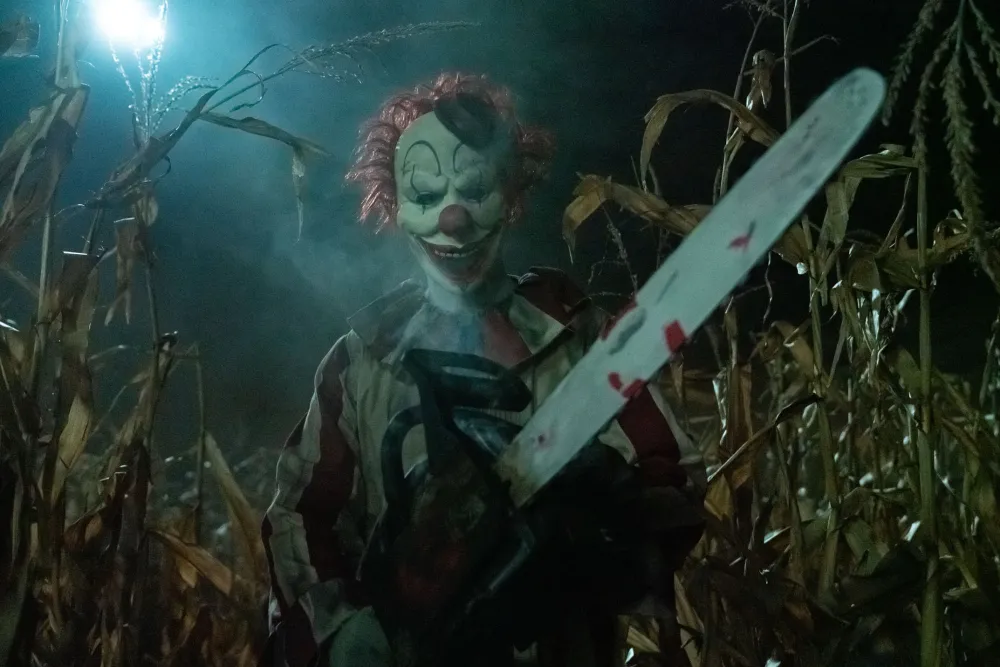
What begins as a prank quickly spirals into mayhem. Enter Frendo, the clown mascot, who becomes more than a costume; he’s the face of chaos itself. With Frendo stalking the rows of corn, the line between fun and danger snaps tight. Panic spreads. Teens are forced to work together to survive, showing that small towns hold their own type of terror; a fear that grows in the dark, away from city lights.
The Power of Setting: Isolation Breeds Fear
Cornfields have always been a ripe canvas for fear. Their endless, whispering walls feel claustrophobic, hiding whatever walks between the rows. “Clown in a Cornfield” leans into that; isolation isn’t just outside the town, it’s felt in every relationship: families, friends, even the local authorities. I’ve done my share of cornfield roamings, including archaeological surveys through them. Every time there is a creepy factor of fearing getting lost, or an unsettled feeling you’re not alone.
Endless corn stretches become mazes of survival.
Run-down barns and empty roads mean help is never close.
Nighttime scenes pulse with suspense, as every sound could be the clown or something worse.
This setting transforms classic fears into urgent threats. The sense of being cut off; the nearest safety miles away; raises every hair on your neck.
Clowns, Killers, and Anniversary Nightmares
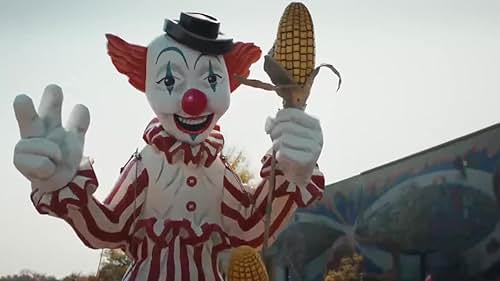
What truly sets this film apart is the intersection of horror, clowns, and killers within such an unlikely location. Frendo’s mask is half ridiculous, half nightmare fuel. The killer evokes childhood fears but delivers real danger. There’s no circus here, only a warped reflection of local traditions gone wrong. The ordinary becomes sinister, from the faded posters of town fairs to the way a cornfield at dusk can play tricks on the eyes.
These elements take the tried-and-true scare tactics of masked killers and inject them with both rural grit and surprising creativity. If “Clown in a Cornfield” leaves you wanting more killer clown flicks, dive into this IMDB list of horror films with clowns to expand your scare-fest marathon.
The AMC A-list Experience: Feel the Fear on the Big Screen
Watching this type of horror movie at home is one thing, but seeing it in a theater with the AMC A-list magnifies every scare. The corn feels taller. The clown’s laugh echoes longer. The darkness in the room matches the tension on screen. Join the group of horror lovers who watch with AMC A-list for a true adrenaline rush and shared jolts of terror.
Small towns, claustrophobic fields, killer clowns; this is a recipe for a horror night you won’t soon forget. For more movies that shine a light on rural legends and lurking menace, check out my Techno Tink Lore for stories that haunt and entertain.
Fear in the Dark: The Horror Elements that Hit Hard
Every horror, clowns, and killers fan expects a few key things when they press play: chills, dread, and the kind of imagery that lingers long after the credits roll. “Clown in a Cornfield” delivers on all fronts. The fear in this film doesn’t just hide in the corn; it leaps out, thanks to clever suspense, a sharp visual style, frightful clown designs, and breakneck pacing that never lets you get too comfortable.
Suspense You Can Feel in Your Bones
Suspense is the oxygen of any good horror, clowns, killer story, and this movie bottles it. Darkness presses close in every scene, forcing your eyes to scan each frame and guess where the next jump might come from. The cornfield itself acts like a living trap; every shuffle and snap of a stalk could be a warning, or a trick. You’re kept guessing, never allowed to relax, as the story pulls you deeper down its rows.
Tension builds with tight shots of lurking shadows behind the corn, and the sickening quiet of a night broken only by distant carnival sounds or a clown’s faint giggle. The feeling is simple: you can run, but you cannot escape. This is horror stripped to its rawest form.
Style and Unsettling Visuals
The movie’s strongest weapon may be its visual style. Scenes are soaked in rusty golds and sickly pale moonlight. The corn glows almost otherworldly in the dark, a perfect stage for something wicked to creep out. The camera moves fast and jerky through chases, slowing only to linger on disturbing images: a lone shoe abandoned in the dirt, a painted mask half-buried in mud.
Frendo, the killer clown, stands out in stark reds and whites against the green field. That mix of innocence (balloons, playful makeup) and danger (bloodstains, gleaming weapons) is unnerving. It’s a visual play that fans of the scariest onscreen clowns will instantly recognize and appreciate.
Terrifying Clown Imagery and Why It Works
Clowns occupy a strange corner in pop culture: meant for laughter, now hijacked by horror. In “Clown in a Cornfield,” the mask isn’t just to scare; it’s to taunt, to turn a whole town’s sense of fun into something sick. The wide grin and empty eyes stick with you, turning the familiar features of a happy face into something nightmarish.
This is a tradition as old as the genre itself. From the chaotic terror of Pennywise in “It” to the brutal face paint of “Terrifier,” killer clowns live in the gap between silly and sinister. The evil clown trope works because it twists childhood glee into adult fear, setting your nerves on edge every time Frendo steps into the frame. To see how “Clown in a Cornfield” measures up against other iconic killer clown films, browse the evil clown history on Wikipedia.
Frantic Pace: No Pause for Safety
The movie doesn’t waste a second, hurling viewers from one scare to the next. Scenes flip fast between urgent whispers and explosive action, leaving no time to catch your breath. This whipping pace sets “Clown in a Cornfield” apart from slower, creepier entries in clown horror.
In the middle of the chaos, the film finds clever ways to spike your heart rate:
Quick cuts between a safe, laughing face and terror just inches away.
Sprints through corn that turn simple rows into a living maze.
Sudden, jarring violence that’s gone almost before you know what happened.
It’s this speed that keeps the audience clenched tight, reminding you that every second in horror, clowns, killers territory could be your last.
For those itching for a watchlist or ready to compare haunting clown movies, join fan communities like killer clown reddit threads for recommendations and shared frights.
Looking for more movies that blend strong visuals and eerie folklore? Explore movies tagged “fire spinning” for other unique horror settings that keep the scares alive and unpredictable.
Cast and Characters: Who Survives the Cornfield?
The tension in “Clown in a Cornfield” comes alive not just through horror, clowns, killers, or even the cornfield setting, but in the desperate faces of its cast. This film builds its scares around a group of teens, local families, and that unforgettable painted villain. Each role feels grounded; their panic, flawed choices, and minor victories drag the viewer into the nightmare right alongside them. Let’s break down who shines under the harsh lights, who gets lost among the stalks, and how every character shapes the fight for survival.
Leading Roles: The Survivors and the Fallen
The heart of any horror clown killer film is the cast. Here, the young survivors are more than easy targets. Each one is written with quirks and baggage that hook you, making their fates matter.
Quinn Maybrook: New in town and already an outsider, Quinn stands out through grit and empathy. She’s the unlikely leader, pulling friends from the edge when the corn hides monsters at every turn. Her choices push the plot, and her struggle feels real, not just for herself, but for anyone who’s ever wanted to run.
Cole Hill: The loyal friend. Cole’s mix of fear and humor lightens the mood, right until danger catches up. His loyalty is his strength, but also his undoing in scenes where staying behind costs big.
Janessa and Matt: These two act as foils to the main players; skeptics who try to keep things grounded, yet face some of the worst shocks the cornfield dishes out. Their dynamic helps ratchet up the tension, and their uncertain fate keeps viewers guessing.
This movie doesn’t coddle its cast. Viewers watch as one character after another falls, each exit more brutal than the last. Nothing is safe; not the main protagonist, not the comic relief, not even the “final girl” cliché. The result? A cast that feels unpredictable, real, and deeply human.
Standout Performances: Bringing Rural Terror to Life
What makes these performances stick is the commitment to small-town truth. The tension between generations, past mistakes, and fear of outsiders comes through in every line. The actors never break character, selling even the wildest moments of horror, clowns, killers’ panic.
Adult Cast: Parents and sheriffs often find themselves just as lost as the kids, blurring the line between protector and victim. Their confusion ramps up the fear; the grown-ups don’t have the answers here.
Antagonists: Of course, it’s the villains who haunt every scene. Those in the Frendo clown suit bring pure menace. It’s impossible not to flinch at the way their fake smiles and jerky movements fill the screen with dread.
The actors’ urgency is contagious. Screams, raw arguments, and moments of shocking bravery help the cornfield feel less like a set and more like an endless trap.
Villainous Clowns: The Face of Fear
Every horror, clowns, killers movie needs a villain that feels bigger than life. This one’s no exception. The actor behind the Frendo mask channels insecurity, anger, and glee with every movement. It’s more than just makeup; it’s a presence that dominates the corn, driving the terror to a fever pitch.
This approach echoes the tradition seen in cult classics like “Killer Klowns from Outer Space”, where the performance behind the mask becomes as memorable as the scares themselves. Frendo’s silence stings. Each unblinking stare or sudden motion is loaded with threat and sick playfulness, proving that clown terror isn’t just about garish colors or rubber noses; it’s about what hides beneath.
Fate in the Corn: Who Makes It Out?
Not everyone gets a hero’s ending. Survival in “Clown in a Cornfield” feels earned, never handed out. The final scene isn’t neat. It’s raw and ragged, showing that horror, clowns, killer stories are about scrambling through fear and grief, not just standing tall at the end.
For audiences who enjoy seeing which cast members make it (and which don’t), parallels can be drawn to films featured on the Killer Klowns from Outer Space Wikipedia page, which traces the long lineage of killer clown survival tales.
If you’re looking for more character-driven horror and want to discover movies filled with offbeat survivors and chilling clowns, check out the movies section for more eerie picks.
Every scare in “Clown in a Cornfield” is driven by its cast; their fear is real, their losses cut deep, and their will to survive makes the story stick.
Final Thoughts: Should You Brave This Clown-Filled Nightmare?
If you’re torn between curiosity and dread, that’s exactly what “Clown in a Cornfield” feeds on. This is a ride built for horror, clowns, killer fans who crave anxiety and excitement in equal measure. Whether you’ve got an AMC A-list slot to fill or want a movie night that’s equal parts fun and freaky, this killer clown story checks all the right boxes. The film blends fright and dark humor, leaving you laughing nervously one minute and jumping the next.
Who Will Love “Clown in a Cornfield”?
Not every scary movie gets under your skin, but this one excels at it, especially for people who already love the classics or seek something off the beaten path. Here’s who’s going to get the most out of this rural nightmare:
Horror fans are looking for new scares beyond haunted houses.
Clown movie collectors who know a terrifying grin beats jump scares any day.
AMC A-listers after a high-energy viewing with crowd reactions that make the tension ten times worse.
Anyone who misses small-town settings with real stakes and characters who don’t always have the easy way out.
If you’re ready to see how this title stacks up against other iconic clown horrors, Fangoria’s list, “13 Scary Clown Horror Movies That Will Make You Scream,” covers all the twisted circus faces you’ll want to compare.
My Take: Is It Worth the Nightmares?
As someone who’s seen their share of horror, clown, killer stories, I’d call this a definite add to your list of B-rates if you want a fast-paced, visually unique slasher. The cornfield setting ramps up the isolation, giving the villain room to shine and making each scare feel razor-sharp. The film skips tired tropes for surprising twists and keeps you guessing right through the final chase.
While you won’t find every answer wrapped up in a neat bow, that’s what makes it work. The story locks you into its world, leaving you nervous next time you pass a cornfield or spot a forgotten balloon. For anyone eager to explore how rural locations turn everyday places into breeding grounds for fear, check out these rural horror film recommendations.
Join the Discussion: Share Your Own Clown Movie Memories
Did “Clown in a Cornfield” rattle you, or was it just another masked menace? Maybe you have your own story of a movie clown that kept you up at night, or you’re building a watchlist of must-see horrors. Drop your thoughts in the comments; what’s your favorite killer clown flick? For even more ideas, browse our movie recommendations for horror, clowns, killers fans.
The next popcorn bowl you grab might just feel a little heavier after meeting Frendo in the corn.
Reviewed
A dark cornfield, barely lit by moonlight, stretches into the distance as Frendo’s grin cuts through the night. “Clown in a Cornfield” lands every punch you expect from a horror, clowns, killers flick, blending rural tension and slasher chaos into a single, pulse-quickening ride. But it was overkill in many senses … so I give this one 3.5 stars out of 5. Oisin Rhymour, Techno Tink Media: design.technotink.com.
It stands out for its relentless pace, twisted visuals, and a villain who lingers in your memory long after the film ends. Whether you crave the thrill of killers behind painted faces or the uneasy silence of midnight fields, this story delivers that rare balance of fear, surprise, and uneasy fun.
Looking for more chills with circus roots? Explore the Circus Movies Collection for stories where the line between joy and terror blurs under the big top.
Thanks for reading; share your own clown nightmares or rural horror favorites below. Next time you spot a cornfield at dusk, remember that Frendo’s unblinking eyes may be waiting.
Rated R, released 2021. Directed by Peter Thorwarth, Written by Stefan Holz and Peter Thorwarth; Starring Peri Baumeister, Carl Anton Koch, Alexander Scheer, and many more. More information at https://www.imdb.com/title/tt6402468/.
A modern-day vampire classic of a woman who loses her husband to a vampire clan, only to get infected herself. As she struggles to raise her human son while sneaking out to blood feed each evening, she finds the need to fly across the Atlantic taking the red-eye flight in the darkness. Her plans are foiled as a group of terrorists seize the plane and awakening the monster within her. It’s a fight for survival, vampires protecting human son, fighting off the terrorists, and trying not to infect others. Excellent plot and storyline, well-produced, great effects, and a good tale. Rating: 4 stars out of 5 – reviewed by Thomas Baurley, Techno Tink Media.
Rated PG-13: Released 2018 Horror, Supernatural, Apocalypse, Science Fiction Run-time: 1 hour, 38 minutes Directed by Scott Speer, starring Bella Thorne, Dermot Mulroney, Richard Harmon, and more.
A haunting world after a cataclysmic event … a universe where the dead still remain as echoes and apparitions throughout the homes, streets, and fields for surviving humans to encounter. The world attempts to return to normal, but these apparitions haunt them – unable to affect their lives other than memories. However, one of the ghosts break the rules and try to kill Ronnie – a student who seems to be haunted the most.
Well designed and choreographed. Very interesting plot and much to ponder after watching. A great murder mystery in a supernatural context. I watched this one after looking up apocalyptic films on Amazon Prime. Luckily caught it 3 days before it will be removed from the service.
Rated: 4 stars out of 5 ~ reviewed by Thomas Baurley, Techno Tink Media: www.technotink.net
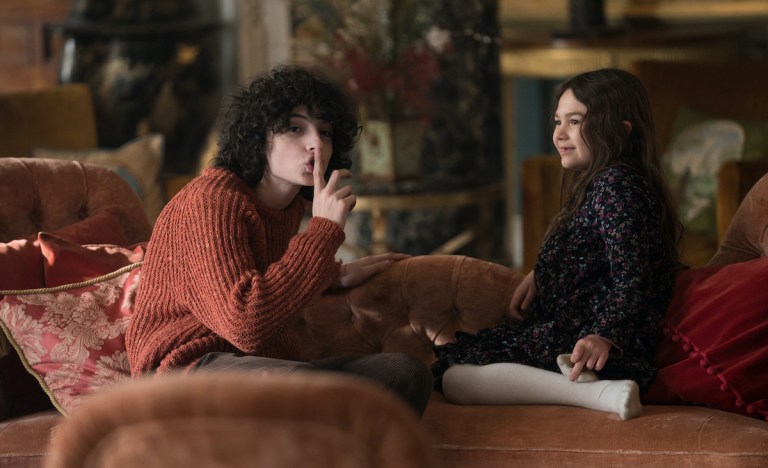
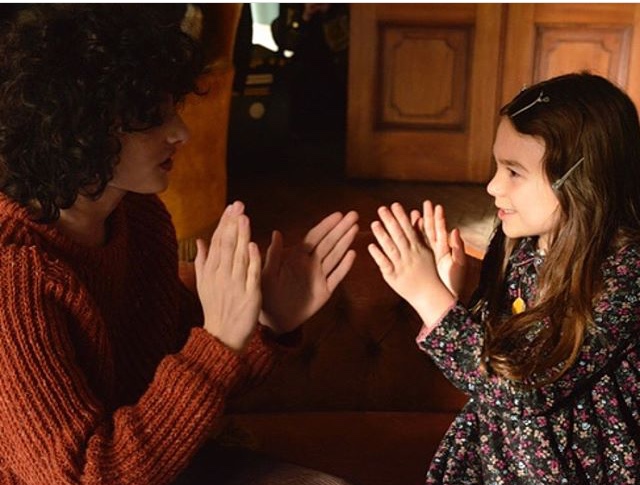
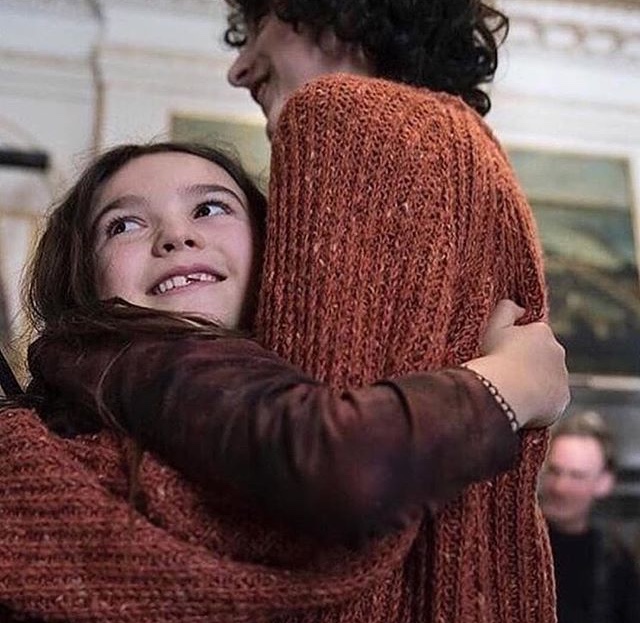
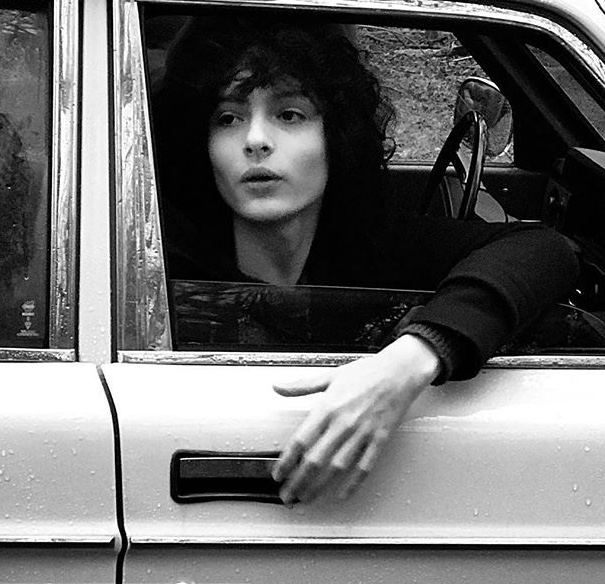
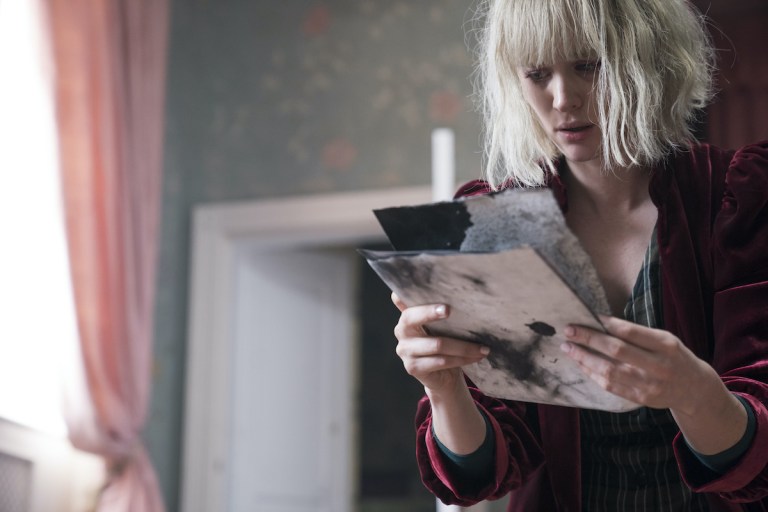
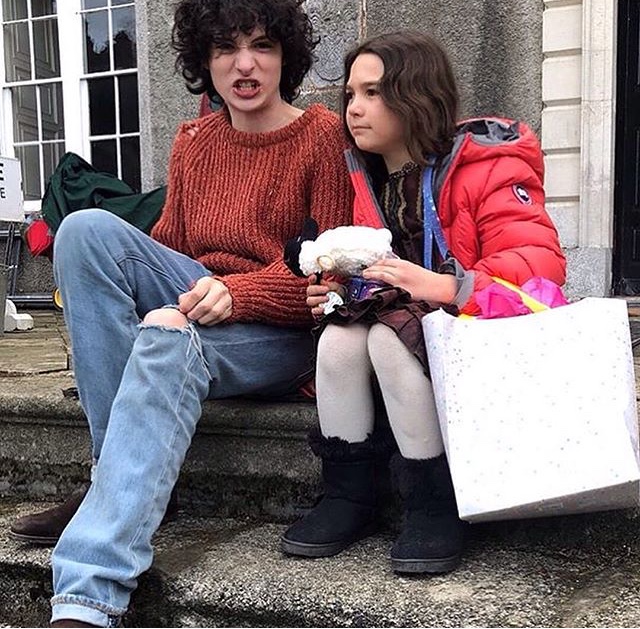
PG-13 | 1h 34min | Drama, Horror, Mystery | 24 January 2020 (USA). Director: Floria Sigismondi; Writers Henry James and chad Hayes. Starring Mackenzie Davis, Finn Wolfhard, Brooklynn Prince, Barbara Marten, Joely Richardson, Niall Greig Fulton, and others. More info at imdb.com
Its the haunting tale of a shattered young governess taking on a new position watching over an orphaned girl in an incredibly large and haunted estate. The young girl’s brother returns home from school after getting in trouble, thereby moving the troubles towards the governess. Twisted and macabre, hauntingly sensational, with disturbing themes. Its based on Henry James’ “The Turn of the Screw”. I really enjoyed this film that kept me on the edge of my seat. Rating 4.5 stars out of 5. viewed at AMC – Tukwila on January 24, 2020.
Rated R. Released 2020. Running time: 1 hour, 34 minutes. Director Nicolas Pesce, Starring: Tara Westwood, Junko Bailey, David Lawrence Brown, and more. IMDB page.
Continuing the saga of “The Grudge” story line, another house is cursed with the vengeful ghost of Asian origin that this time plagues anyone entering the house with a violent death. It begins with a young housewife who murders her family in their home that gets investigated by a single mother young detective. She unwraps the disturbing and haunting details of the crimes and paranormal. She has to save her and son from the demons chasing them down. It was macabre, disturbing, and not at all like the other films of the same name. It was poorly done I thought. I’m glad it was a freebie (well less than a dollar with Regal unlimited since I had to reserve a seat online).
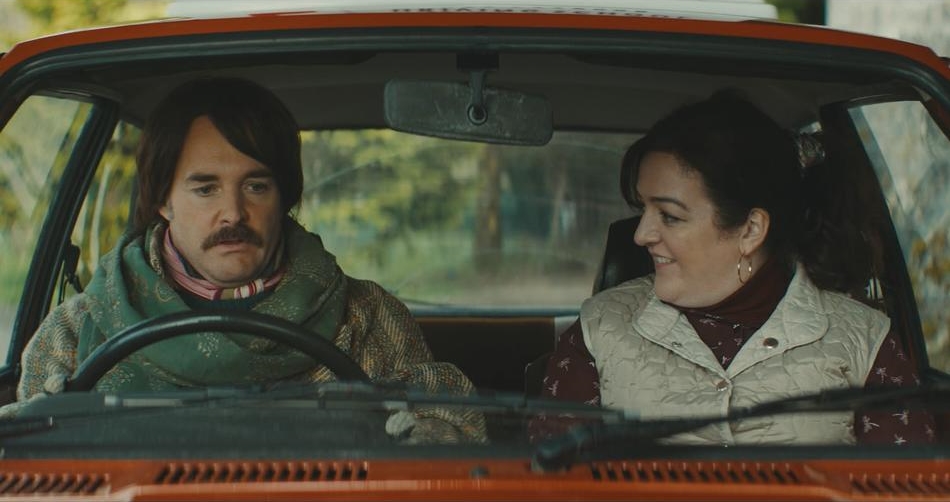
Comedy, Romance, Horror. Released: 2020. English/Irish. Rating: R. Runtime: 1 hour, 34 minutes. [ Amazon ] Director: Mike Ahern, Enda Loughman. Starring: Maeve Higgins, Barry Ward, Will Forte; and others. Filmed at Charleville Castle, Tullamore. [ 4.5 stars out of 5 ]
Awesome Irish made comedy about a father being haunted by his dead controlling wife who seeks out Rose, a small town local driver’s education instructor who has skills communicating and dealing with ghosts. As they solve hauntings together gaining ectoplasm, they set off to release his daughter from becoming a “virgin sacrifice” into the gates of hell that a local satanist in his castle needs to boost his musical talents in exchange. It’s hiliarious with star acting from “The last man on Earth” fame. Hits home for me as I’ve spent many times at the infamous Charleville Castle in Tullamore, home of Smokin’ Craic and Shakefest as well as many other festivals. Great plot, fabulous Irish humor, cool storyline, and downright fun.
Carrie(2013) ~ Rated R. http://www.imdb.com/title/tt1939659/ ** Drama/Horror * Released: October 18, 2013, * Director: Kimberly Peirce. Writers: Lawrence D. Cohen, Roberto Aguirre-Sacasa, Starring: Julianne Moore as Margaret White; Chloë Grace Moretz as Carrie White; Gabriella Wilde as Sue Snell; Portia Doubleday as Chris Hargensen; Alex Russell as Billy Nolan; Zoë Belkin as Tina; Ansel Elgort as Tommy Ross; Samantha Weinstein as Heather, and may more. *
The Classic Stephen King horror story about a shy Fundamentalist Christian raised girl who was never taught about puberty, humiliated over her period in the girl’s gym locker room, at the same time when discovering her telekinetic powers. She’s pushed too far by the school bullies and unleashes a firestorm of revenge and destruction much to the horror and shame of her teacher/counselor and mother. It’s hard to beat the first film, and the second re-make was fantastic in my eyes, but this 3rd remake still held its own charm and excitement. As I’m a big fan of the supernatural, it was well done. The 1974 novel by Stephen King of course is the best version of them all as is all of his books compared to the movies made about them. Chloë Grace Moretz playing Carrie is no Sissie Spacek comparison, but in her own right did a magnificent and sexy role. I’m still torn between the characters of the first film and this third for the others outside of Carrie, but Julianne Moore as Carrie’s mom was a fabulous choice as she’s always has been a favorite actress of mine. The prayer closet was well done but some of the school scenes were lacking luster. I did enjoy the fact Carrie delved deeply into researching her powers rather than stumbling around cluelessly with them. I didn’t care for the delivery scene for the opening, but the pregnancy at the end was an intriguing twist. – [Rating:4] Rating 4 stars out of 5.