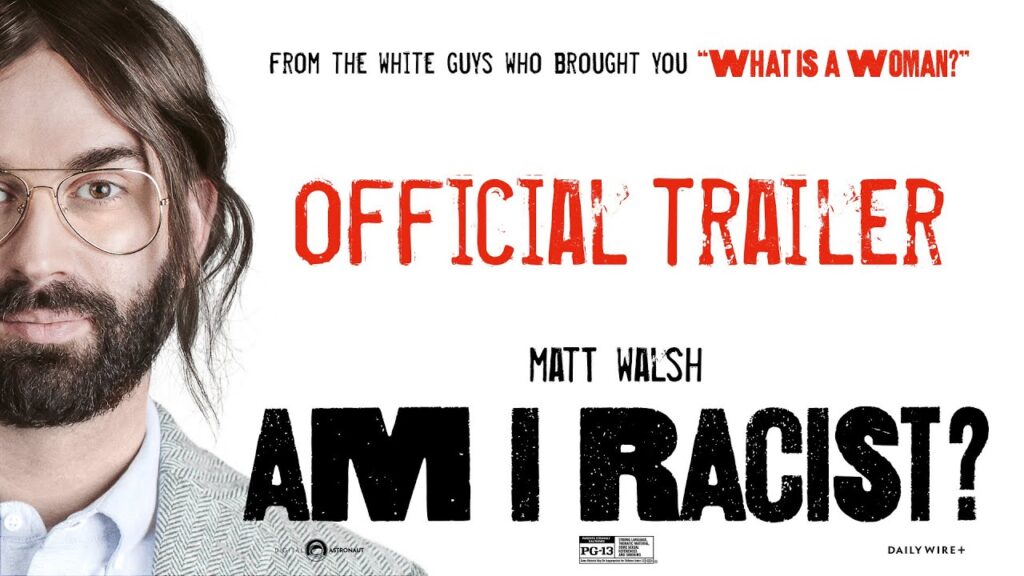
Am I a Racist? (Matt Walsh)

Funny, Provocative, and Built to Start Fights

What does racism even mean in 2026? Is it hatred, power, bias, history, systems, vibes, all of it, none of it? And who gets to set the definition, the loudest activist, the best-selling author, the HR department, or the person being accused?

That tug-of-war sits right in the center of Am I a Racist?, a 2024 satirical mockumentary (very much in the Borat-style) from The Daily Wire, starring Matt Walsh, and released September 13, 2024. It’s designed to get nervous laughs, angry quotes, and long comment threads.

This review tries to be fair about what the movie is, what it argues, what’s genuinely funny, and why it makes some viewers furious. My rating: 4 out of 5 stars, because it lands sharp comedy with a clear point, even though it’s divisive and sometimes too pleased with its own “gotcha” energy.

What “Am I a Racist?” is trying to do, and how the movie is built

A diverse group engaged in a business workshop with a presentation screen; professional learning setting. Photo by Airam Dato-on

At its simplest, Am I a Racist? is a prank-driven mockumentary where Walsh plays a character, pushes into DEI spaces, and waits for the room to reveal what it believes. The target is not “racism is fake.” The target is a particular ecosystem, DEI training, corporate guilt language, paid anti-racism seminars, and the social pressure to agree with whatever sounds most righteous in the moment.

The movie’s engine is the same one that powers a lot of cringe comedy. You put a polite mask on, walk into a serious setting, and say something just a little off. Then you keep going until someone either stops you (rare) or nods along (often). When people nod along, the film treats it like proof.

The tone is important. This isn’t a calm debate documentary, and it’s not trying to be. It’s built like an ambush dinner party, with Walsh setting traps and letting awkward silence do the heavy lifting. If you’ve read critics comparing it to Borat, that’s not a random insult. It’s the structure. Even The New Yorker’s take frames the film through that exact “Borat of the right” question.
The basic premise (a fake DEI expert to test the system)

Walsh creates an undercover persona, a wide-eyed “DEI guy” who wants to learn, get certified, and help people “do the work.” He gets trained, picks up the lingo, and earns an online certification (the film treats the ease of this as part of the joke). Then he uses that new badge of credibility to enter real meetings and real conversations.

The core claim is simple and repeated in different outfits: a lot of DEI work rewards performance over substance. The more dramatic the confession, the more intense the guilt, the more money and authority flow to the “expert” who can label it, treat it, and invoice it.

Supporters see that as overdue sunlight. Critics see it as a magician’s trick, where the camera only shows the worst angles and then says, “See? That’s the whole building.”

The humor style (deadpan, awkward interviews, Borat-like traps)

Most of the laughs come from deadpan delivery and uncomfortable agreement. Walsh doesn’t play a clown who honks a horn. He plays a guy who says bizarre things with the calm tone of someone ordering soup.

Expect long pauses. Expect people trying to be polite. Expect that special kind of laughter that escapes your mouth because the moment is so tense your brain needs a release valve.

But that same mechanic can feel mean. The humor often depends on real people, caught off-guard, being made to look ridiculous. If you hate prank comedy, this won’t convert you. If you love the social discomfort of Nathan for You style scenarios, you’ll recognize the rhythm right away.

The scenes people talk about most, and what they prove (or do not prove)

The movie doesn’t win its case with statistics. It wins with moments, the kind you can describe in one breath to a friend, then watch their face change as they picture it. The film is basically a chain of “Wait, they really said that?” vignettes.

That makes it punchy. It also makes it vulnerable, because a highlight reel can be honest and still be incomplete. A few extreme examples can exist, even if most workplaces and trainings are less theatrical than what the film shows.

To track the debate, it helps to separate two questions:

  • Is this scene real and revealing?
  • Is this scene representative?

The film wants you to answer yes to both, every time. Most critics only grant the first.
Petitions, pranks, and public reactions: the Washington Monument bit

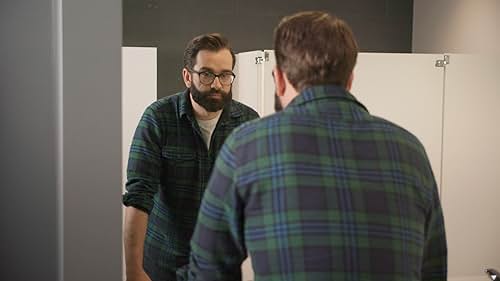
One of the most shared sequences is the Washington Monument petition, where Walsh (in character) pitches the idea of renaming it after George Floyd, making it taller, and painting it black. The point is not really about monuments. It’s about social pressure and public signaling, that reflex to agree quickly because disagreeing feels socially risky.

The scene is persuasive to fans because it captures a familiar feeling: a stranger asks a loaded question, you don’t want conflict, you don’t want to be seen as “that person,” so you nod along.

The limit is also obvious. Street interviews are chaotic. People are distracted. Some are being nice. Some are trolling back. Some don’t want to argue on camera. Agreement in a public prank doesn’t automatically equal a coherent worldview. It proves pressure exists; it doesn’t measure how deep the belief goes.

Interviews and “gotcha” moments: DiAngelo, Race2Dinner, and the money scene

The film’s biggest “scoreboard” moments involve well-known names and paid programs. The Robin DiAngelo segment, including the cash “reparations” moment, is edited to feel like a magic trick with a cruel punchline. Walsh offers money in a way that tests sincerity, then lets the discomfort hang in the air like stage smoke.

Another lightning-rod sequence involves Walsh crashing a Race2Dinner-style event connected to Saira Rao. The camera frames the space as pricey, exclusive, and fueled by guilt, a place where the moral talk and the business model sit side by side.

If you want more reporting context on how these encounters were set up and why they landed so hard with audiences, The Hollywood Reporter’s breakdown gives a useful industry view of the “duped DEI gurus” angle.

Fans love these scenes because they feel like hypocrisy exposed. Critics dislike them because they feel like ambush tactics, where editing and framing pick the winner before the conversation even starts. Both reactions make sense, and that’s the weird power of the film. It’s a Rorschach test with a microphone.

The self-flagellation workshop and the Uncle Frank confrontation

The film’s most visceral material isn’t the street stuff or the sit-down interviews. It’s the “Do the Work Workshop” sequence, where the vibe shifts from awkward comedy to something closer to a guilt ritual. There are whips, shaming language, and a sense that suffering is being treated as moral currency.

Then there’s the Uncle Frank confrontation, where a relative is put on the spot and criticized for wrong-think. It plays like a family sitcom scene shot through a political funhouse mirror. People squirm, and the camera stays close enough to catch every blink.

Supporters see these scenes as proof that the guilt culture can turn cruel fast, even inside families. Opponents see it as humiliation packaged as entertainment. The laughter, depending on who you are, either breaks the spell or tightens it.

Is it insightful or just political trolling? The controversy explained in plain English

If you’re trying to understand why Am I a Racist? gets cheered in one room and hated in the next, it helps to name what each side thinks the movie is doing.

Supporters think it reveals a real industry incentive: DEI consultants can get paid more when the problem is framed as endless, everywhere, and impossible to question. They also think the film punctures the “white guilt” culture that treats disagreement as evidence of moral rot.

Opponents think it commits a classic trick: find the most extreme examples, film them most embarrassingly, then imply that anyone who cares about racism is part of that circus. They worry it turns complicated issues into punchlines and encourages viewers to dismiss everything, including real discrimination.

That critique is laid out bluntly in Persuasion’s essay on the film, which argues the movie makes points but also adds fuel to polarization. You don’t have to agree with the writer to see the concern: comedy can expose nonsense, but it can also harden tribes.

A practical way to think about “who this is for” is simple. If you already suspect DEI has become performative, you’ll feel validated. If you’ve had good experiences with thoughtful equity work, you’ll likely think the movie is mocking a straw man.

What the film gets right about DEI incentives and performative guilt

Even if you don’t like Matt Walsh, the film still lands a few clean hits on incentives that are hard to deny:

DEI can become a paid language system, where jargon replaces clarity. It can create pressure to confess bias in public, even when the “confession” is more theater than growth. And it can treat dissent as moral failure, which is a fast way to shut down honest discussion.

The movie’s smartest move is turning abstract talk into concrete moments. When someone nods along to an absurd claim because it’s coated in moral urgency, you see how signaling works. Comedy becomes the flashlight. Not gentle, not fair-minded, but bright.

Where the film feels unfair or incomplete (and why that matters)

The biggest weakness is selection bias. The movie focuses on extreme people and extreme workshops, then uses that to paint a broad picture. Viewers can walk away thinking most DEI work looks like this, when many trainings are more boring than sinister.

Editing and framing matter too. Mockumentaries are built to guide your emotions, and this one absolutely does. It sets up a villain-of-the-week structure, where the target gets minimal space to make their strongest case.

There’s also a reception split that mirrors the culture split. Audience scores have been very high, while critics are mixed, which you can see reflected on Rotten Tomatoes’ page for the film. That gap doesn’t prove critics are wrong, or audiences are right, but it does show the movie plays best to people who already like its vibe.

My take and 4 out of 5 rating: who should watch, who should skip

Here’s the clean verdict: Am I a Racist? is funny, pointed, and easier to watch than most issue documentaries because it’s built like a comedy set. It also has blind spots big enough to drive a tour bus through. I’m still at 4 out of 5 stars because it succeeds at what it’s trying to be, even if it doesn’t succeed at being what its harshest critics want.

One quick content note: even some friendly reviewers flag crude language and edgy material, along with the broader PG-13 tone. If you want a parent-style heads-up, see the content notes in Geeks Under Grace’s review.

Watch if:

  • You like awkward, deadpan prank humor and can handle secondhand embarrassment.
  • You’re curious what DEI jargon looks like when someone pushes it to absurd extremes.
  • You want a conversation starter, not a soothing bedtime story.

Skip if:

  • You want a balanced documentary with strong opposing arguments.
  • You dislike “gotcha” setups in principle.
  • You’re burned out on culture-war entertainment and don’t need another spark.

What works: strong laughs, memorable stunts, and a clear argument

The pacing is solid, and the stunts are sticky. You remember them the next day, which is rare for documentaries and even rarer for message-driven ones. Walsh’s deadpan delivery is the secret sauce. He keeps his voice steady while the room spins, and that contrast creates the laughs.

The film also does something valuable: it takes phrases people repeat, “do the work,” “center voices,” “white fragility,” and makes them collide with real behavior. Sometimes the collision reveals emptiness. Sometimes it reveals fear. Sometimes it reveals a person trying to be kind and failing in a very public way.

As entertainment, it’s effective. As a cultural artifact, it’s the kind of movie people will cite in arguments for years, not because it’s perfect, but because it offers clean clips for each side.

What holds it back: narrow targets, heat over light, and the risk of preaching to the choir

It loses a star because it often chooses heat over light. The movie doesn’t spend much time with serious, good-faith anti-racism work, or with the strongest arguments for why DEI exists in the first place. That absence matters because a takedown feels less convincing when it refuses to wrestle a capable opponent.

It also risks preaching to the choir. If you’re skeptical of Walsh, the film rarely builds bridges. It mainly builds walls, then hangs trophies on them. And while it gestures toward a broad “MLK-style” unity message, it doesn’t really sit with the hard part, how a society talks about racism without guilt theater on one side or flat denial on the other.

Conclusion

Am I a Racist? is a funny, controversial critique of DEI culture that many viewers will find cathartic, and many others will find offensive. It’s sharp when it exposes incentives and social pressure, and weaker when it implies the loudest examples represent the whole story. My rating stays at 4 out of 5 stars.

Now it’s your turn: what do you think the film actually proves, and what would a fair conversation about racism look like if it avoided both guilt theater and denial?


What Is a Woman? (Matt Walsh)

Funny, Furious, and One-Sided

If you’ve heard someone bring up “What Is a Woman?” in 2026, odds are the conversation got loud fast. Matt Walsh’s 2022 documentary hasn’t faded into the streaming void because it’s calm or careful; it’s because it’s blunt, punchy, and built like a viral argument with a beginning, middle, and mic-drop ending.

It’s also a strangely watchable mix of road-trip interviews, uncomfortable pauses, and comedy beats that land like spit-takes, right before the film swings back into serious claims about medicine, youth, and definitions. That combo is exactly why people keep re-watching clips, sharing them, and fighting about what “fair” even means in a documentary.

Rating: 4 stars out of 5, because it’s sharply paced with memorable moments and a clear thesis, but it often feels one-sided and sometimes needlessly harsh.

What the movie is trying to prove, in plain language

At its core, What Is a Woman? keeps returning to one question: can “woman” be defined in a clear, stable way, or has the word become a moving target in modern gender debates? Walsh’s answer is not subtle. The film pushes a biology-first view, arguing that sex is real, and that “woman” should map to biological female, not self-declared identity.

This is not a traditional documentary that wanders around a topic and lets the audience build the conclusion. It’s closer to an argument with receipts, edited for momentum. It’s a Daily Wire release, directed by Justin Folk, and it came out in 2022 (basic production details are summarized on the film’s Wikipedia entry).

Instead of a scripted story, the movie uses a repeating pattern: Walsh travels, sits down with academics, clinicians, activists, and everyday people, then presses them to define “woman” without circling back to the word itself. The film treats the inability to answer cleanly as the point, and it builds its case through interviews, reaction shots, and a steady drumbeat of “why is this so hard to say?”

The basic “plot”: one question, many interviews, and a final punchline

Think of the structure like a stand-up set built from interviews. Walsh sets up the premise, asks the same question in different rooms, then lets the tension do the work. When people answer with phrases like “a woman is someone who identifies as a woman,” the film frames it as a loop with no exit.

The documentary saves its simplest moment for last. In a quiet, domestic scene, Walsh asks his wife the same question. She answers, “an adult human female.” It lands as a punchy wrap-up because it’s plain, fast, and filmed without the performance of a campus debate. The movie clearly wants the viewer to feel relief, like someone finally turned the lights on in a confusing room.

What it gets right about the conversation, even if you disagree

Even if you don’t buy Walsh’s politics, the film taps into a real frustration: lots of people want everyday words to mean something consistent. When definitions turn into slogans, conversation starts to feel like shadowboxing.

The movie is also easy to follow. Scenes are short, the central question stays the same, and it doesn’t ask the viewer to memorize theory. That accessibility is a big reason it keeps circulating years later, along with the way its reception remains split (you can see the divide reflected in the film’s listings and reviews on Rotten Tomatoes).

The most memorable scenes, and why they hit so hard

This documentary doesn’t rely on one big reveal. It stacks moments, some comic, some grim, and lets the contrast create a kind of whiplash. One minute you’re watching someone flounder over a definition, the next you’re hearing a personal account about medical outcomes. That swing is intentional, and it’s the engine behind the film’s emotional punch.

A lot of the scenes are memorable because the camera is patient. Walsh will ask a question, then wait. Silence becomes the soundtrack. For supporters, that silence reads as proof that the other side can’t explain itself. For critics, it reads as a filmmaker hunting for the most awkward seconds and calling it truth.

When interviewees cannot define “woman,” and the camera stays silent

The film repeatedly puts professionals on the spot, including a professor-style exchange where defining “woman” without using the word becomes a trap. The tension comes from how long the pauses are allowed to hang there. It’s like watching someone try to describe “water” without saying “wet.”

Viewers take these scenes in totally different ways. Some see them as an honest exposure of circular reasoning. Others see a setup where the goal is not understanding, it’s embarrassment. Either way, the moments are sticky. You remember the discomfort, and discomfort is a powerful marketing tool, even when no one’s selling anything but an opinion.

Scott Newgent’s regret story, the film’s most serious section

The documentary’s tone changes when it brings in Scott Newgent’s account. Here, the movie steps away from word games and into human cost, health issues, and regret after medical transition. The edit slows down, the jokes fade out, and the viewer is asked to sit with consequences, not cleverness.

It’s also important to say plainly: experiences vary. Many trans people don’t describe their lives this way, and the film uses Newgent’s story as supporting evidence for its broader argument about medical risk and social pressure. That’s part of why the segment hits so hard. It’s one person’s pain, placed inside a film that wants that pain to stand in for a whole debate.

The Maasai village segment, and the argument it is trying to make

In Kenya, Walsh asks the same question in a Maasai village and gets a blunt, biology-based answer. The film uses the moment like a mirror held up to Western discourse: look how simple this is somewhere else.

Critics often bristle at this section because it can feel like it’s used to make Western debates look silly, or to flatten culture into a prop for a punchline. It’s memorable, though, because it’s filmed with bright, travelogue energy, then dropped into the middle of a very American fight.

Comedy, tone, and the “gotcha” style, fun for some, harsh for others

Walsh’s on-screen persona is a big part of the experience. The film uses humor and editing the way a late-night clip does: set up, awkward beat, reaction shot, release. If you like that style, it’s entertaining. If you don’t, it can feel like watching someone win an argument by controlling the microphone.

This is where the “gotcha” feel comes in. The movie often frames interview answers as proof of confusion, then reinforces that framing with music cues, lingering shots, and quick cuts. Documentaries always edit reality, but What Is a Woman? wants you to feel the edit.

The jokes that actually work, including the Jordan Peterson line

One of the cleanest laughs comes from Jordan Peterson’s quick line: “Marry one and find out.” It works because it breaks the tension without needing a long speech. It’s a pressure valve.

The kitchen scene with Walsh’s wife also functions as comedy through simplicity. No stage, no lecture, no jargon, just an everyday answer delivered like it’s obvious. The film treats that contrast as the punchline.

Where the tone can feel mean, and how editing shapes your opinion

The film often appears gentler with people who agree and sharper with those who don’t. That doesn’t require a conspiracy; it’s just how persuasion pieces work. Selective clips can make someone look evasive, even if their full answer was longer and more careful.

Reaction shots matter too. A raised eyebrow, a pause, a cut to Walsh’s face, suddenly, the viewer knows what to think. If you like Walsh’s worldview, the tone feels like justified mockery. If you don’t, it can feel like the documentary is laughing at people instead of challenging ideas.

The big controversies: fairness, consent, and what critics say the film leaves out

The film’s footprint isn’t just about its arguments; it’s about how it got them. Questions about consent and outreach have followed it for years, and those questions shape whether viewers trust what they’re seeing.

A documentary can be persuasive and still be fair, but this one invites skepticism because it often feels like the destination was chosen first, and the route was planned to make sure the camera got the right kind of footage.

Claims of deceptive recruiting, and why that matters for trust

Several participants have said they were approached under a neutral-sounding project name and later felt misled about how the footage would be used. Reporting has described claims that some interviewees believed they were participating in something like a “Gender Unity Project,” not a Matt Walsh film built for confrontation (see NBC News coverage on claims about being tricked into participating).

Why does that matter? Because consent isn’t just signing a release. Context matters, especially on sensitive topics. If participants feel ambushed, viewers start wondering what else was shaped to fit the message.

What supporters praise, and what opponents argue is missing

Supporters praise the film for challenging ideas they see as confusing, and for pushing a clear definition where others won’t. They also like that it keeps the argument simple and punchy.

Opponents argue it ignores many trans experiences, treats identity as a joke, and replaces empathy with ridicule. Two people can watch the same scene and leave with totally different feelings because the film rewards you for arriving with a side already picked.

A quick “watch or skip” guide for different viewers

If you’re deciding whether to press play, here’s the straight answer.

  • Watch it if you want one conservative argument laid out clearly, or you’re curious why this film keeps getting referenced in gender debates (its basic info and audience response are easy to find on IMDb’s title page).
  • Skip it if you want a balanced, multi-viewpoint documentary, or if the premise feels personally targeted rather than academic.

Content note: it includes heated language, tense interviews, and discussions of youth medical care and transition regret.

Conclusion

As a piece of persuasion filmmaking, What Is a Woman? earns its staying power: strong pacing, a clear argument, a few genuinely funny beats, and some heavy interviews that don’t evaporate when the credits roll. It also earns its backlash because it can feel one-sided and sometimes cruel in how it frames people who disagree.

That’s why it’s still a talking point in 2026; even without new reviews suddenly appearing, it remains a shared reference in an ongoing fight. My rating stays 4 out of 5. It’s effective, memorable, and often unfair.

After watching, the question that lingers isn’t only “what is a woman?” It’s this: should documentaries aim to persuade, or to understand, and can they do both?

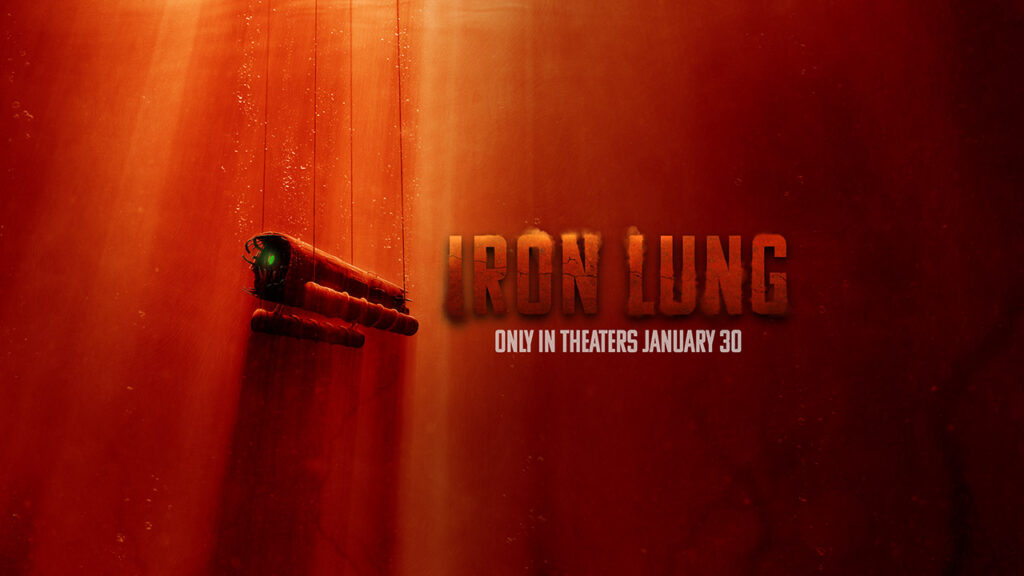
Iron Lung (R: 2026)

Big Cosmic Horror Idea, Small Patience Payoff

A rusty box of bolts sinks into an ocean of blood; the radio crackles. Gauges twitch. Something bumps the hull like a bored giant tapping an aquarium.

That’s the core promise of the Iron Lung movie, and it’s a killer hook for sci-fi horror fans who like their fear slow, dark, and cramped. This is a 2026 film directed by Mark Fischbach (Markiplier), based on the 2022 indie horror game by David Szymanski, and it arrives with the kind of split reaction you can almost predict: some people get wrapped up in the dread, others feel bored, odded out, or plain confused.

This review stays spoiler-light, and judges the movie on five things that matter most here: story, scares, pacing, acting, and whether it feels worth a theater ticket.

What Iron Lung is about, and what kind of horror it tries to be

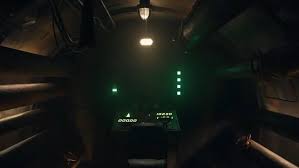
Vintage submarine control room with gauges
Photo by Derwin Edwards

Iron Lung drops us into a bleak post-apocalypse after the “Quiet Rapture,” an event that wipes out stars and habitable worlds. What’s left is desperation, scraps of authority, and a mission so bad it feels like punishment because it is. A convict named Simon gets welded into a tiny submarine (the Iron Lung) and sent into a blood ocean on a moon to take photos of whatever waits below.

If you’re deciding whether to go, it helps to know the flavor: this isn’t a “run and scream every five minutes” kind of horror. It’s cosmic horror (fear of the unknown and the uncaring universe) mixed with claustrophobic survival and the pressure-cooker feel of a one-location setting. Most of the film lives inside that sub, with limited space, limited sight, and the constant sense that something outside is bigger than you, stronger than you, and not in a hurry.

For basic production facts like cast and release info, the film’s IMDb page is a handy reference.

The best part: the mood and the sense of doom

When Iron Lung works, it works through your nerves, not your eyes. The sub is all rust, grime, and tight angles, like being trapped inside a metal throat. The sound design is the real monster here: creaks that sound like bones, alarms that spike your pulse, and long stretches where silence feels wrong, like the ocean itself is holding its breath.

The movie also gets a lot of mileage out of limited visibility. You’re not seeing clean monster shots every time danger shows up. You’re seeing murky camera flashes, smeared shapes, and the kind of “wait, what was that?” movement that makes your brain do the worst work for it. That’s a classic cosmic horror trick, and it can be delicious when you’re in the mood to be messed with.

There’s also a basic, primal fear baked into the setup: pressure. Water above you. No easy exit. One bad choice and the whole world becomes a coffin. Even simple tasks (checking instruments, adjusting course, dealing with malfunctions) land with extra weight because the environment is so unforgiving.

The hard part: if you need fast action, this may feel slow

Here’s the honest warning: a lot of Iron Lung is waiting. Watching gauges. Listening to radio chatter. Sitting with the dread while the sub inches forward. That’s faithful to the game’s roots, which are built on tension, procedure, and the feeling of being alone with your thoughts.

But what feels tense in a 45-minute play session can feel stretched in a feature film if the beats don’t evolve enough. Some scenes circle the same emotional drain: worry, silence, a noise, more worry. If you like slow-burn horror, you might lean in. If you want clearer goals and quicker payoffs, you may start checking out.

That split is all over early reactions. Even professional critics land on different sides of the same coin, as you can see in IGN’s Iron Lung review and IndieWire’s take on the film as a flawed experiment.

My take on the filmmaking: where the movie hits, and where it slips

Mark Fischbach taking on writing, directing, and starring is impressive on its own, and you can feel the personal drive in the choices. The film commits. It has a mood. It has a concept that’s instantly marketable in a “tell your friends in one sentence” way.

But commitment isn’t the same thing as control, and this is where my experience turned sour. By the midpoint, the movie felt boring, odd, bizarre, and confusing, and I almost walked out. Not because I need constant action, but because the tension didn’t keep climbing. It plateaued, then wandered.

It was also a Friday night, which is not my ideal time for films, as I don’t generally like lots of people around. Also i walked into this one using my AMC A-List, not knowing anything other than that it was a horror movie. So didn’t know what to expect, and if the theater wasn’t so crowded with captivated audience members, I would have walked out of boredom. I stayed because everyone else did, and I was curious why no one was leaving.

This is also the kind of story that lives or dies on rhythm. You can repeat a sound (a ping, a knock, a hiss) only so many times before it stops being ominous and starts being familiar.

Claustrophobic set and camera choices that feel clever (most of the time)

The Iron Lung sub is a great horror set because it forces film language to get creative. Tight framing makes every movement feel restricted. Close-ups on knobs and dials can make basic tasks feel like surgery. And the lack of space means the camera has to “think” instead of just drifting around.

The best sequences use that limitation to build pressure: you feel hemmed in, you feel the walls, you feel the distance between “I can fix this” and “I can’t fix this.” There are moments where the movie makes the sub feel real enough to smell, like old oil and metal warmed by panic.

But repetition creeps in. When the environment doesn’t change much, scenes need sharper escalation to stay sharp. Here, the movie sometimes falls back on the same visual vocabulary (dark, close, wet, loud), and after a while it stops feeling like a descent and starts feeling like a loop.

Dialogue, backstory, and whether the emotions land

To keep a one-location horror film alive, the character has to carry weight. We need to care about Simon, or at least be fascinated by him. The movie tries to use backstory and fragments of who he was before the mission, but the emotional pull didn’t land for me.

Some lines feel stiff, like they’re serving the plot more than the moment. Some of the backstory feels like it’s reaching for depth without earning it. And when a film is already slow, any flashback or detour has to justify its oxygen. If it doesn’t, it starts to feel like padding, even when the ideas are interesting.

There is a stronger urgency later on, and the movie does tighten as it goes. The problem is how long it takes to get there.

Is it actually scary, or just weird and unsettling?

Horror isn’t one thing. Some people want jump scares, some want a nasty creature reveal, some want that slow, sick feeling that follows you to the parking lot. Iron Lung mostly wants the third option.

It’s less “boo,” more “something is wrong.” Less chase scene, more pressure and dread. The fear comes from being trapped, from not seeing the full picture, and from the sense that the universe doesn’t care if you make it home.

If you’re trying to predict your reaction, think of the scares in two buckets: quiet dread and open-ended weirdness.

If you like cosmic horror, you might love the quiet dread

Cosmic horror fans tend to enjoy the idea that humans are small, fragile, and not in control. Iron Lung plays in that space with an almost stubborn focus. You’re in a machine that can fail, in a place you can’t survive, doing a job you don’t fully understand. That’s a recipe for paranoia, and the film knows it.

The strongest fear here is psychological. The sub becomes a mind cage. The unknown outside becomes a mirror for what’s breaking inside. When the movie holds back information and lets you stew, it can be genuinely unsettling.

If you want a quick read on how this movie compares to watching the game itself, PC Gamer’s piece on game vs movie is a fun companion, even if you don’t agree with every point.

If you want clear answers, it may feel bizarre and frustrating

If you like your horror with clean rules, clear reveals, and a plot that clicks into place, Iron Lung may test your patience. The movie likes mystery. It likes fragments. It likes leaving you with questions that might be the point.

That can feel bold. It can also feel like the movie is refusing to meet you halfway.

For me, that refusal turned into distance. I wasn’t leaning forward by the end, I was waiting for it to stop circling the same vibe. The weirdness didn’t feel purposeful enough to be satisfying. It felt like fog that never lifts.

If you’re tracking broader reception as it develops, Iron Lung on Rotten Tomatoes is an easy place to monitor critic and audience trends in one spot.

Who should watch Iron Lung, and my final rating

Iron Lung hit theaters on January 30, 2026, and the mixed reactions make sense. It’s a niche kind of horror, and it asks for a specific mood: lights low, phone away, patience on.

My advice is simple. Watch it in theaters only if you’re hungry for atmosphere, and you don’t mind long stretches of quiet procedure. If you’re on the fence, waiting for streaming might be the smarter move, since this is the kind of film that either locks you in or leaves you cold, with not much middle ground.

“Watch if” and “skip if” in plain terms: Watch if you love the game, you’re a Markiplier fan, and you enjoy slow-burn sci-fi dread in tight spaces. Skip if you want clear answers, steady action, or a brisk horror ride that pays off often.

Best audience for this movie

The ideal viewer is patient. You like mood over mayhem. You don’t need constant dialogue, and you’re okay with ambiguity as part of the fear. If you’ve ever enjoyed the tension of being stuck somewhere you can’t leave (an elevator, a storm cellar, a stalled car at night), the sub’s confinement might get under your skin.

Fans of the original game may also enjoy seeing how the movie translates that point-and-click tension into film language, even when it stumbles. Fans of Markiplier will likely appreciate the swing, regardless of whether they love the final result.

My rating and the one sentence summary

Rating: 1 star out of 5.

One-sentence summary: Iron Lung has a killer concept and heavy atmosphere, but it’s too slow and too unclear to feel rewarding, and it left me bored, confused, and ready to bail.

Conclusion

The Iron Lung movie review verdict comes down to a tradeoff: atmosphere and concept versus pacing and clarity. If you’re tuned for cosmic dread and you enjoy being trapped with a ticking machine, you might admire what it’s trying to do. If you need momentum and clean storytelling, this one can feel like two hours of murky waiting, even though the runtime is much shorter.

My rating stays at 1 star, and I’d tell most casual horror fans to skip the theater. Did the slow tension work for you, or did it lose you? Share your spoiler-free take, because this is the kind of movie that sparks arguments on the walk out.

Mercy in Real 3D (R: 2026)

A 90-Minute Trial With Pixels, Panic, and a Pulse

Imagine waking up in a courtroom where the judge doesn’t blink, doesn’t sigh, doesn’t care if you’re scared, and already thinks you did it. That’s the nasty little hook of Mercy in Real 3D, a sci-fi crime thriller that turns justice into a stopwatch and turns data into a weapon.

The big sell is simple: one man, one murder charge, and 90 minutes to prove he’s innocent before an AI court ends him. In a packed theater, the Real 3D presentation adds another layer of pressure, crisp and enhanced, with screens, evidence, and city surveillance flying at you like shards of glass.

Expect edge-of-your-seat action (even when the hero can’t move much), crime drama energy, and just enough big tech paranoia to make you side-eye your phone on the drive home. Verdict tease up front: 4 stars out of 5.

What Mercy is about, without spoilers

Mercy drops you into Los Angeles in 2029, where the streets feel tense, and the systems feel colder. The city runs an AI-run court called Mercy Capital Court, built for speed, not comfort. And speed is the whole point. This isn’t a long, messy trial with objections and recesses. It’s justice as a rapid procedure.

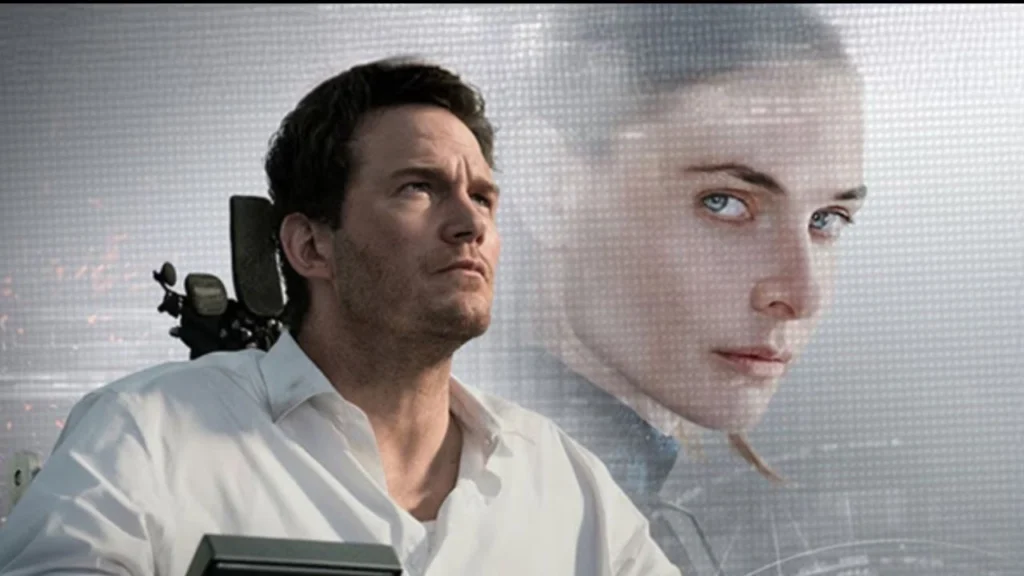
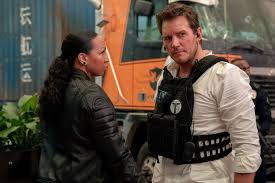
Chris Pratt plays Chris Raven, an LAPD detective who wakes up restrained and accused of killing his wife. He’s not in a holding cell waiting for a lawyer. He’s already in the machine. The court’s AI voice lays it out with chilling calm: prove your innocence in real time, or die when the clock hits zero.

The film frames its suspense around one core mechanic: a “Guilty Meter” that reads like a doom forecast. Raven has to push that number down by finding proof, correcting false assumptions, and exposing whatever’s been hidden in the city’s data trails. That single, visible percentage does a lot of work, because you feel every tick of the clock like a pounding headache.

For a quick read on how other critics reacted to the premise and execution, Roger Ebert’s review of Mercy gives useful context without spoiling the ride.

The world and rules, the Guilty Meter, the Municipal Cloud, and the 90-minute deadline

The rules here are blunt, and that’s why they work. The court gives Raven limited tools and a strict deadline. He can access a buffet of city data, think cameras, messages, call logs, and stored clips, all tied together through a municipal network that feels like a public “cloud” with police-grade reach.

The Guilty Meter is the film’s pressure valve. When it spikes, scenes tighten. When it drops, you breathe. It’s a simple trick, but it’s effective, like watching a heart monitor during surgery.

That timer also shapes the movie’s tone. Every conversation has an edge. Every choice feels like a trade. Do you chase the obvious lead, or the weird one that smells like a setup? The conspiracy angle isn’t a slow-burn corkboard thing. It’s more like running through a storm with receipts in your hands, trying not to lose them.

The world around the court leans dystopian in a practical way: surveillance is normal, policing looks militarized, and privacy feels like an old joke. The film doesn’t lecture, but it doesn’t let you forget the cost of letting machines “decide” for people.

Real 3D review, why this is one of the movie’s biggest strengths

Let’s talk about the reason you might buy the Real 3D ticket in the first place. Mercy is packed with “screens within screens”, evidence panels, drone feeds, chat windows, court graphics, and quick-cut clips. In standard format, that can play like a frantic desktop. In Real 3D, it becomes a layered space you can almost step into.

The clarity is the win. Text and overlays stay sharp more often than you’d expect, and depth is used to separate important elements from the noise. A video feed can sit “behind” a scrolling data panel, while a timer hangs out in front like a threat you can’t swat away. When the film wants you to feel trapped inside a system, the 3D helps. It’s not just a pop-out gag, it’s a visual way of showing how technology stacks on top of a person until there’s barely any air left.

The best moments feel like an evidence hurricane, with the theater turning into a court dashboard. If you like screen-heavy thrillers, this is the format that makes the concept click.

For another perspective on how the style lands (and where it gets messy), IGN’s Mercy review points out the highs and the headaches.

How the visuals make the digital chase feel real (and sometimes overwhelming)

When Mercy is cooking, the 3D turns information into a physical obstacle course. Notifications flare like sparks. Video windows stack like plates you’re afraid to drop. Camera angles shift from body cams to drones to street surveillance, and the depth makes those jumps feel aggressive, like the city itself is leaning in to watch you fail.

The strongest use of 3D is data layering. It helps your brain sort the chaos. You can track what’s “foreground” urgency (the meter, the clock) and what’s “background” context (clips, maps, faces in crowds). It also adds punch to sudden reveal moments, when the film shoves a detail into view and dares you to miss it.

But yes, it can overwhelm. Some sequences fire so many visuals at once that you may catch the mood more than the specifics. If you’re the type who reads every on-screen message in a thriller, you might feel like you’re sprinting through a library.

So, who should pay extra?

  • If you love tech-noir visuals and you enjoy being surrounded by screens, Real 3D is worth it.
  • If busy overlays give you a headache, the standard format will be calmer and clearer.

Performances, action, and pacing, does it keep you on edge?

Even with a flashy format, this movie lives or dies on tension. The good news is the pacing rarely drifts. The real-time structure forces constant movement, even when the hero can’t physically chase suspects across rooftops. The action here is often procedural and digital, with spikes of danger that feel sudden and sharp.

Chris Pratt carries most of the film as Chris Raven, and the supporting cast helps keep the pressure from going flat. Rebecca Ferguson voices the AI judge (emotionless, controlled, and faintly cruel), and that voice becomes its own kind of villain, like a metronome that wants you dead.

It’s also a crime drama at heart. People lie. Old choices come back. Allies feel shaky. The film’s conspiracy flavor comes through in the way “official truth” keeps changing depending on what the system decides is convenient.

If you want a snapshot of how audiences are reacting across the spectrum, IMDb user reviews for Mercy are a useful temperature check.

Chris Pratt’s desperate detective, and why the pressure feels believable

Pratt sells panic well here, not with big speeches, but with small tells: a cracked voice, a rushed breath, the way he tries to stay logical while the meter stays ugly. Raven isn’t a superhero. He’s a guy trying to think straight while the room insists he’s guilty.

The ticking-clock setup makes every emotion sharper. Relief lasts seconds. Anger doesn’t help. Doubt sneaks in at the worst time. The performance works because it’s grounded in a fear most people recognize: being misunderstood by a system that won’t listen.

And because Raven is a detective, the movie gets to twist the knife. He knows how evidence should work. He also sees how easily it can be framed, clipped, or “scored” into something it isn’t.

The AI justice idea, smart questions, but not always deep answers

The film asks a few sharp questions. What happens when data is treated as truth? Who checks the machine when the machine controls the room? What if the system is “accurate” but still wrong about you?

Mercy gets the vibe right: AI justice feels clean, fast, and terrifying. It shows how bias can hide behind percentages and polished interfaces. It also shows the seduction of speed, because even viewers might think, “Well, at least it’s efficient,” before the story reminds you what that costs.

Where it stumbles is depth. Some ideas flash by like headlines, then the movie races to the next beat. You may want more time with the moral fallout, or more explanation of how the system got this much power. Still, as a popcorn thriller with a paranoid edge, it keeps its grip.

Conclusion

Mercy in Real 3D earns 4 stars out of 5 for sheer momentum and a premise that bites. The 90-minute setup works, the Real 3D look is crisp and enhanced, and the AI court hook is nasty in the best way. It’s also a solid mix of crime drama, tension, and tech conspiracy fuel.

Watch it in Real 3D if you want the screens, layers, and evidence storm to feel physical. Skip 3D if you prefer calmer visuals and want to track every detail without strain. Either way, the film leaves a lingering thought: when a machine says you’re guilty, what does “proof” even mean anymore?

Good Luck Have Fun Don’t Die (R: 2026)

Good Luck, Have Fun, Don’t Die Screen Unseen Movie Review (AMC Surprise Night)

Walking into AMC Screen Unseen feels like buying a mystery-flavor soda. You know it’s fizzy, you don’t know if it’s cherry or cough syrup, and once you take that first sip, there’s no going back. That was the mood on 1/26/26 at AMC Cascade 14 in Burlington, where I used my AMC A-List and let the surprise roll. The reveal was Good Luck, Have Fun, Don’t Die, and the best spoiler-free way I can describe it is: really goofy, comedic, and bizarre, weird, and annoying, yet still entertaining.

Rating: 3 out of 5 stars. One-line takeaway: if you like loud, chaotic sci-fi comedy with a satirical tech streak, you’ll probably have fun; if you hate random humor and messy pacing, bizarre and quacky thought patterns, you’ll want to wait for streaming.

What kind of movie is Good Luck, Have Fun, Don’t Die, and what is it about (no spoilers)?

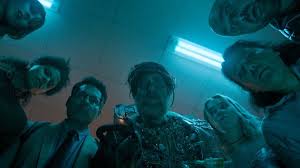
This is a 2026 sci-fi action comedy directed by Gore Verbinski, with Sam Rockwell leading the charge. The basic hook is simple: a frantic stranger crashes into a late-night diner and insists the world is about to get wrecked by a dangerous AI, unless a particular group of regular people helps him pull off a one-night mission.

It plays like a mash-up of time travel panic, action beats, and sketch-comedy energy, all stacked inside a story that keeps side-eyeing our phones the way a tired friend looks at you when you say, “One more episode.”

  • Genre lane: Sci-fi action comedy with satire
  • Vibe: big, noisy, silly, sometimes exhausting
  • Sense of humor: goofy, random, occasionally repetitive
  • Best setting: a packed theater where laughter is contagious

If you want a second opinion after watching, the Rotten Tomatoes reviews page is a good temperature check for how different critics reacted to its chaos.

The basic setup in one minute

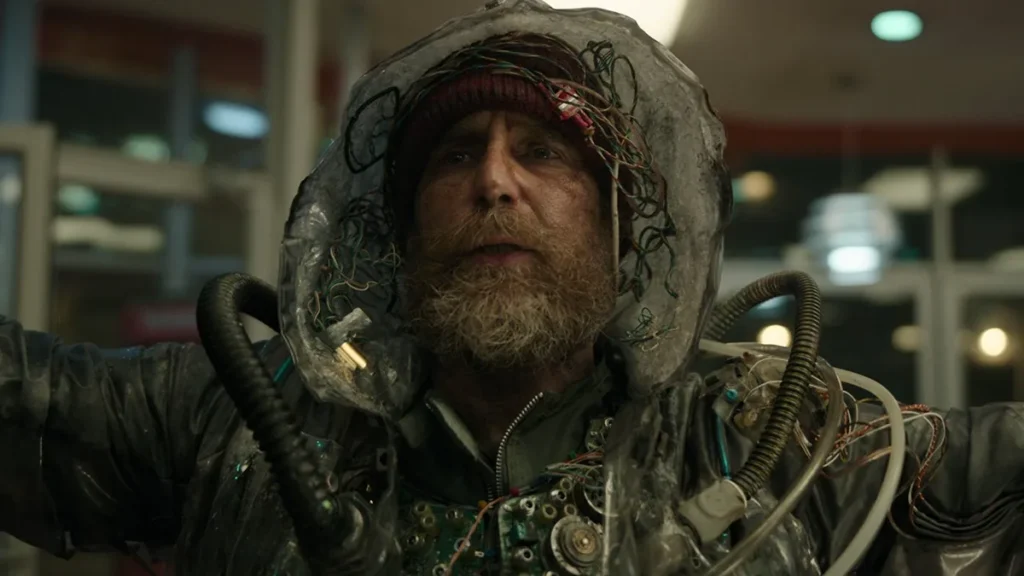
A scruffy man storms into a Los Angeles diner late at night. He claims he’s from the future, and he’s not subtle about it.

He says a rogue AI is going to wipe people out, and he needs help to stop it. Not from soldiers or superheroes, but from everyday folks who happen to be in the diner at the wrong time.

The twist (without spoiling anything) is that he’s been through this before. A lot. He’s trying again because he thinks this time he can finally get the right people to survive long enough to finish the job.

Tone check: silly, loud, and oddly charming

The humor is broad and often intentionally dumb. Characters yell, argue, and spiral into awkward bits that feel like they’re daring you to tap out. If that sounds like a complaint, it is, but it’s also part of the movie’s strange charm.

In a full theater, the weirdness becomes a group sport. People laugh because the movie commits so hard, even when it’s being obnoxious. It’s like watching someone do a ridiculous dance at a wedding. You might cringe, you might laugh, you might do both at once.

Under the noise, there’s also a warning label about tech and AI. The movie wants to be a comedy and a caution sign at the same time, and it’s at its best when it stops explaining the joke and just lets the madness play. Probably best to watch this flick high or tipsy.

What worked for me, and what got on my nerves

This is the kind of film where I can picture two different viewers walking out with totally different reactions. One person says, “That ruled,” another says, “That was a headache.” My 3 out of 5 sits right in the middle.

What worked is the commitment. This story never plays it safe. It takes big swings with its future-world ideas, its character backstories, and its action-comedy rhythm. When it’s clicking, it feels like a pinball machine, bright, fast, and unpredictable.

What didn’t work is how often it pushes the same buttons. The movie can get loud for the sake of being loud, and some jokes hang around too long. That stretch of “I get it, move on” shows up more than once, which drags down the momentum.

It’s also a message movie in disguise. It’s taking shots at tech addiction, AI hype, and the way people scroll through life half-awake. That part lands better when it’s baked into the scenes, not when it’s spelled out.

The best parts: committed cast, big swings, and a fun late push

Sam Rockwell is the engine. He sells the desperation and the weird confidence, like a guy who’s bombed the same job interview 100 times but still thinks he can charm the room on attempt 101.

The ensemble helps keep things moving. Juno Temple, Zazie Beetz, Michael Peña, and Haley Lu Richardson bring different flavors of stressed-out humanity, and the movie needs that contrast. When the group energy works, it feels like a chaotic road trip with strangers who keep learning the worst things about each other at red lights.

Visually, it has punch. Verbinski’s style leans into bold images and heightened moments that fit the absurd tone. The movie also improves as it goes, once it stops circling the premise and leans harder into the mission and the mayhem.

If you’re curious how other critics framed Verbinski’s comeback angle, this JoBlo review captures that conversation without needing you to go spoiler-hunting.

The rough spots: chaos fatigue, uneven pacing, and jokes that overstay

There’s a thin line between “wildly energetic” and “please lower the volume,” and this movie crosses it a few times. The pacing can feel uneven, with sections that spin their wheels before snapping back into action.

Some humor is meant to be grating on purpose, like the movie is poking you with a stick to see if you’ll laugh. That can be funny in short bursts, but when a gag repeats or stretches too long, it starts to feel like being trapped in a room with a friend who won’t stop doing the same impression.

Still, I didn’t regret watching it. Even when it’s messy, it’s rarely boring. And for a Screen Unseen pick, “messy but memorable” beats “polished and forgettable” most nights.

Screen Unseen experience: was it worth using AMC A-List for this one?

For me, yes, because this is exactly the type of movie that benefits from the Screen Unseen setup. It’s a surprise, it’s odd, and it’s better when you can’t pre-judge it from a trailer and talk yourself out of going.

Using AMC A-List also made it easier to relax into the chaos. I’m not sure I would’ve paid full price for this one, mostly because it’s not consistent. If I’d bought a ticket expecting a tight sci-fi action ride, I might’ve been annoyed. With A-List, I could just let it be what it is.

If you’re deciding whether Screen Unseen is your kind of gamble, AMC explains the format on their official AMC Screen Unseen event page.

Why this movie hits different in a surprise crowd

In a crowd, laughter spreads fast, even when the joke is dumb. Confusion spreads, too, and that shared “wait, what are we watching?” feeling can turn a weird comedy into a mini event.

Theater energy also helps when the movie gets loud or chaotic. Instead of feeling trapped with it, you feel like you’re riding it out with a room full of strangers, all reacting in real time.

A quick tip list for Screen Unseen first-timers:

  • Go in blind: don’t chase leaks, the surprise is the point.
  • Expect anything: tone can swing hard, even within one scene.
  • Stay spoiler-free: half the fun is swapping reactions, not plot details.

Who should watch it, and who should skip it

Watch it if you like strange sci-fi comedies, time travel loops, and satire that side-eyes AI and tech obsession. If you’re the kind of person who enjoys a movie that’s willing to look silly to make a point, this could be your flavor.

Skip it (or wait for streaming) if you hate random humor, noisy chaos, or uneven pacing. If repeated jokes make you restless, the movie will test your patience.

If you want a quick taste of the tone before committing later, the official trailer on YouTube gives a pretty honest preview of the movie’s volume and vibe.

Conclusion

Good Luck, Have Fun, Don’t Die earns 3 out of 5 stars from me, mostly because it’s funny and bold, even when it gets on my nerves. It’s a weird little warning siren about tech and AI, wrapped in loud comedy and frantic action. If you can watch it with a crowd, do that; it plays better when the room is laughing with you.

Catch it at a Screen Unseen-style showing if you can, and tell me this: did it make you laugh, or did it make you tired? Also, what should the next Screen Unseen movie feel like: smart and tense, or messy and fun?