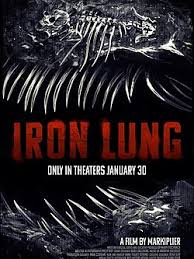
Big Cosmic Horror Idea, Small Patience Payoff
A rusty box of bolts sinks into an ocean of blood; the radio crackles. Gauges twitch. Something bumps the hull like a bored giant tapping an aquarium.
That’s the core promise of the Iron Lung movie, and it’s a killer hook for sci-fi horror fans who like their fear slow, dark, and cramped. This is a 2026 film directed by Mark Fischbach (Markiplier), based on the 2022 indie horror game by David Szymanski, and it arrives with the kind of split reaction you can almost predict: some people get wrapped up in the dread, others feel bored, odded out, or plain confused.
This review stays spoiler-light, and judges the movie on five things that matter most here: story, scares, pacing, acting, and whether it feels worth a theater ticket.
What Iron Lung is about, and what kind of horror it tries to be

Photo by Derwin Edwards
Iron Lung drops us into a bleak post-apocalypse after the “Quiet Rapture,” an event that wipes out stars and habitable worlds. What’s left is desperation, scraps of authority, and a mission so bad it feels like punishment because it is. A convict named Simon gets welded into a tiny submarine (the Iron Lung) and sent into a blood ocean on a moon to take photos of whatever waits below.
If you’re deciding whether to go, it helps to know the flavor: this isn’t a “run and scream every five minutes” kind of horror. It’s cosmic horror (fear of the unknown and the uncaring universe) mixed with claustrophobic survival and the pressure-cooker feel of a one-location setting. Most of the film lives inside that sub, with limited space, limited sight, and the constant sense that something outside is bigger than you, stronger than you, and not in a hurry.
For basic production facts like cast and release info, the film’s IMDb page is a handy reference.
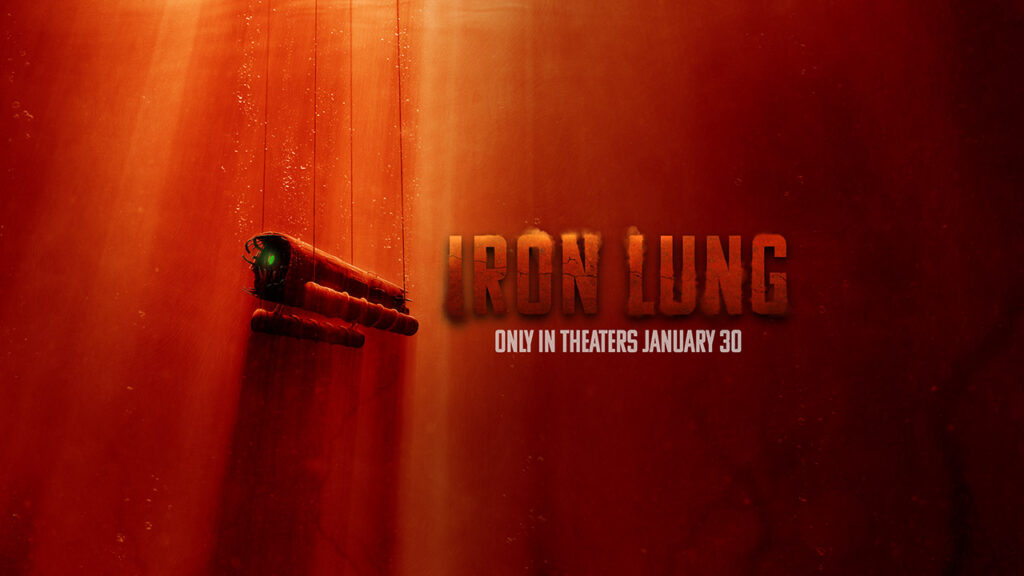
The best part: the mood and the sense of doom
When Iron Lung works, it works through your nerves, not your eyes. The sub is all rust, grime, and tight angles, like being trapped inside a metal throat. The sound design is the real monster here: creaks that sound like bones, alarms that spike your pulse, and long stretches where silence feels wrong, like the ocean itself is holding its breath.
The movie also gets a lot of mileage out of limited visibility. You’re not seeing clean monster shots every time danger shows up. You’re seeing murky camera flashes, smeared shapes, and the kind of “wait, what was that?” movement that makes your brain do the worst work for it. That’s a classic cosmic horror trick, and it can be delicious when you’re in the mood to be messed with.
There’s also a basic, primal fear baked into the setup: pressure. Water above you. No easy exit. One bad choice and the whole world becomes a coffin. Even simple tasks (checking instruments, adjusting course, dealing with malfunctions) land with extra weight because the environment is so unforgiving.
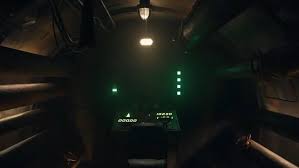
The hard part: if you need fast action, this may feel slow
Here’s the honest warning: a lot of Iron Lung is waiting. Watching gauges. Listening to radio chatter. Sitting with the dread while the sub inches forward. That’s faithful to the game’s roots, which are built on tension, procedure, and the feeling of being alone with your thoughts.
But what feels tense in a 45-minute play session can feel stretched in a feature film if the beats don’t evolve enough. Some scenes circle the same emotional drain: worry, silence, a noise, more worry. If you like slow-burn horror, you might lean in. If you want clearer goals and quicker payoffs, you may start checking out.
That split is all over early reactions. Even professional critics land on different sides of the same coin, as you can see in IGN’s Iron Lung review and IndieWire’s take on the film as a flawed experiment.

My take on the filmmaking: where the movie hits, and where it slips
Mark Fischbach taking on writing, directing, and starring is impressive on its own, and you can feel the personal drive in the choices. The film commits. It has a mood. It has a concept that’s instantly marketable in a “tell your friends in one sentence” way.
But commitment isn’t the same thing as control, and this is where my experience turned sour. By the midpoint, the movie felt boring, odd, bizarre, and confusing, and I almost walked out. Not because I need constant action, but because the tension didn’t keep climbing. It plateaued, then wandered.
It was also a Friday night, which is not my ideal time for films, as I don’t generally like lots of people around. Also i walked into this one using my AMC A-List, not knowing anything other than that it was a horror movie. So didn’t know what to expect, and if the theater wasn’t so crowded with captivated audience members, I would have walked out of boredom. I stayed because everyone else did, and I was curious why no one was leaving.
This is also the kind of story that lives or dies on rhythm. You can repeat a sound (a ping, a knock, a hiss) only so many times before it stops being ominous and starts being familiar.
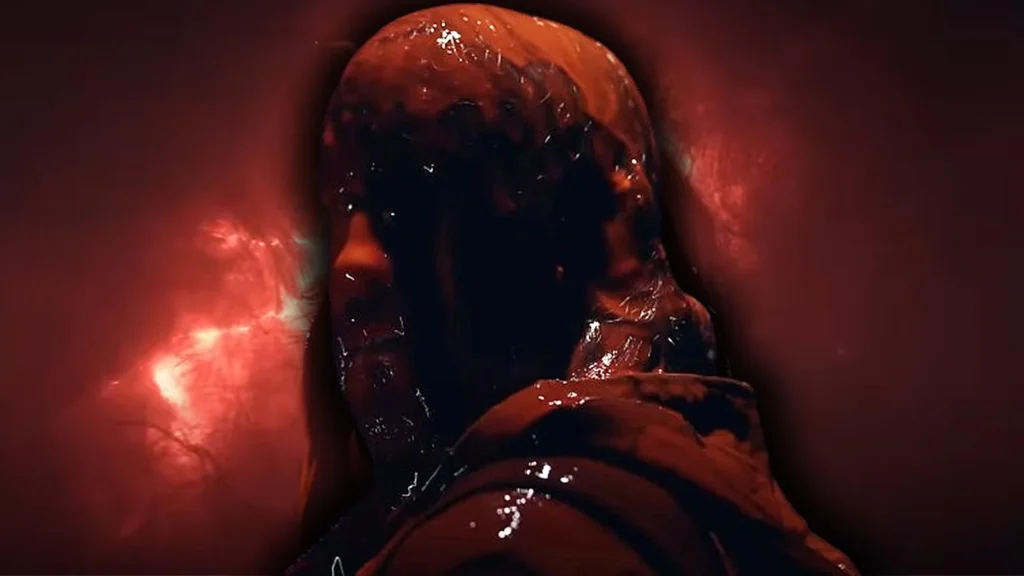
Claustrophobic set and camera choices that feel clever (most of the time)
The Iron Lung sub is a great horror set because it forces film language to get creative. Tight framing makes every movement feel restricted. Close-ups on knobs and dials can make basic tasks feel like surgery. And the lack of space means the camera has to “think” instead of just drifting around.
The best sequences use that limitation to build pressure: you feel hemmed in, you feel the walls, you feel the distance between “I can fix this” and “I can’t fix this.” There are moments where the movie makes the sub feel real enough to smell, like old oil and metal warmed by panic.
But repetition creeps in. When the environment doesn’t change much, scenes need sharper escalation to stay sharp. Here, the movie sometimes falls back on the same visual vocabulary (dark, close, wet, loud), and after a while it stops feeling like a descent and starts feeling like a loop.

Dialogue, backstory, and whether the emotions land
To keep a one-location horror film alive, the character has to carry weight. We need to care about Simon, or at least be fascinated by him. The movie tries to use backstory and fragments of who he was before the mission, but the emotional pull didn’t land for me.
Some lines feel stiff, like they’re serving the plot more than the moment. Some of the backstory feels like it’s reaching for depth without earning it. And when a film is already slow, any flashback or detour has to justify its oxygen. If it doesn’t, it starts to feel like padding, even when the ideas are interesting.
There is a stronger urgency later on, and the movie does tighten as it goes. The problem is how long it takes to get there.
Is it actually scary, or just weird and unsettling?
Horror isn’t one thing. Some people want jump scares, some want a nasty creature reveal, some want that slow, sick feeling that follows you to the parking lot. Iron Lung mostly wants the third option.
It’s less “boo,” more “something is wrong.” Less chase scene, more pressure and dread. The fear comes from being trapped, from not seeing the full picture, and from the sense that the universe doesn’t care if you make it home.
If you’re trying to predict your reaction, think of the scares in two buckets: quiet dread and open-ended weirdness.
If you like cosmic horror, you might love the quiet dread
Cosmic horror fans tend to enjoy the idea that humans are small, fragile, and not in control. Iron Lung plays in that space with an almost stubborn focus. You’re in a machine that can fail, in a place you can’t survive, doing a job you don’t fully understand. That’s a recipe for paranoia, and the film knows it.
The strongest fear here is psychological. The sub becomes a mind cage. The unknown outside becomes a mirror for what’s breaking inside. When the movie holds back information and lets you stew, it can be genuinely unsettling.
If you want a quick read on how this movie compares to watching the game itself, PC Gamer’s piece on game vs movie is a fun companion, even if you don’t agree with every point.
If you want clear answers, it may feel bizarre and frustrating
If you like your horror with clean rules, clear reveals, and a plot that clicks into place, Iron Lung may test your patience. The movie likes mystery. It likes fragments. It likes leaving you with questions that might be the point.
That can feel bold. It can also feel like the movie is refusing to meet you halfway.
For me, that refusal turned into distance. I wasn’t leaning forward by the end, I was waiting for it to stop circling the same vibe. The weirdness didn’t feel purposeful enough to be satisfying. It felt like fog that never lifts.
If you’re tracking broader reception as it develops, Iron Lung on Rotten Tomatoes is an easy place to monitor critic and audience trends in one spot.
Who should watch Iron Lung, and my final rating
Iron Lung hit theaters on January 30, 2026, and the mixed reactions make sense. It’s a niche kind of horror, and it asks for a specific mood: lights low, phone away, patience on.
My advice is simple. Watch it in theaters only if you’re hungry for atmosphere, and you don’t mind long stretches of quiet procedure. If you’re on the fence, waiting for streaming might be the smarter move, since this is the kind of film that either locks you in or leaves you cold, with not much middle ground.
“Watch if” and “skip if” in plain terms: Watch if you love the game, you’re a Markiplier fan, and you enjoy slow-burn sci-fi dread in tight spaces. Skip if you want clear answers, steady action, or a brisk horror ride that pays off often.
Best audience for this movie
The ideal viewer is patient. You like mood over mayhem. You don’t need constant dialogue, and you’re okay with ambiguity as part of the fear. If you’ve ever enjoyed the tension of being stuck somewhere you can’t leave (an elevator, a storm cellar, a stalled car at night), the sub’s confinement might get under your skin.
Fans of the original game may also enjoy seeing how the movie translates that point-and-click tension into film language, even when it stumbles. Fans of Markiplier will likely appreciate the swing, regardless of whether they love the final result.
My rating and the one sentence summary
Rating: 1 star out of 5.
One-sentence summary: Iron Lung has a killer concept and heavy atmosphere, but it’s too slow and too unclear to feel rewarding, and it left me bored, confused, and ready to bail.
Conclusion
The Iron Lung movie review verdict comes down to a tradeoff: atmosphere and concept versus pacing and clarity. If you’re tuned for cosmic dread and you enjoy being trapped with a ticking machine, you might admire what it’s trying to do. If you need momentum and clean storytelling, this one can feel like two hours of murky waiting, even though the runtime is much shorter.
My rating stays at 1 star, and I’d tell most casual horror fans to skip the theater. Did the slow tension work for you, or did it lose you? Share your spoiler-free take, because this is the kind of movie that sparks arguments on the walk out.