A crackle of anticipation greeted the arrival of Final Destination: Bloodlines, the seventh film in a saga legendary for weaving together fantasy, death, horror, and demons with almost mythic resonance. As the latest chapter in this enduring series, Bloodlines not only conjures elaborate fatal set pieces but rises as a box office powerhouse, its commercial success reflecting a cultural appetite for stories that confront mortality through suspense and uncanny forces. The film serves as a fierce homage to Tony Todd, whose presence has haunted the franchise since its earliest, most formative moments.
For folklorists tracing the archetypes of fate and the supernatural, and for horror devotees seeking the shock of the unknown, Bloodlines proves both fresh and respectful of its cinematic ancestry. It captivates AMC A-List regulars and newcomers alike, carrying forward the franchise’s obsession with elaborate supernatural design and symbolic death. In a cinematic landscape ever hungry for the interplay of fate and fear, few films marry the traditions of fantasy, death, horror and demons with quite this level of legacy and spectacle.
Plot Overview and Franchise Context
Final Destination: Bloodlines continues the unique fusion of fantasy, death, horror, and demons that has defined the series for over two decades. This chapter reaffirms the franchise’s fixation with the capriciousness of fate, echoing older films while steering its narrative into uncharted corridors of dread and inheritance. Set against the shadow of prior calamities, Bloodlines builds tension not through gore alone but by reanimating core anxieties about destiny, guilt, and the lengths one might go to escape doom. The narrative orbits a new set of characters whose connections, both familial and supernatural, add nuance to the age-old theme: Death, once cheated, is neither forgetful nor forgiving.
A New Generation Faces Death: The New Cast and Their Battles with Fate
The heart of Bloodlines throbs with the introduction of a younger cast, each haunted by visions and drawn inexorably into the web of death’s design. Their plight isn’t just about survival, but also about legacy; carrying the weight of horrors passed down, like cursed relics hidden within family myths. The protagonist, portrayed by Kaitlyn Santa Juana, uncovers ties to a calamity from 1968, a clever link that binds old tragedies to new anxieties. This wrinkle expands the mythos, positioning fate as both a shapeshifter and a collector of debts unpaid by previous generations.
The characters are not merely vessels for showy death sequences; they are distinct, shaped by cultural fears both modern and ancestral. In Bloodlines, the supernatural grows less an abstract force and more a personal nemesis, stalking not just individuals but their bloodline. Fatal premonitions, ritualistic talismans, and the specter of familial guilt stand front and center, reflecting folklore’s obsession with the inexorable cycle of curse and consequence.
Key features that set this cast apart:
Visions inherited through family lines, connecting the present disasters to ancestral sins.
Scenes set in everyday spaces, heightening the dread that death’s design is everywhere.
Characters who confront not only external demons, but the oppressive burden of knowledge and memory.
The agony and urgency the cast exhibits harken back to the franchise’s beginnings, yet feel distinctly contemporary, powered by the anxieties of a generation negotiating both technology and superstition.
Honoring the Legacy of Tony Todd: William Bludworth’s Emotional Send-Off
In Bloodlines, the franchise grapples with its own legacy; never more evident than in its heartfelt farewell to Tony Todd’s William Bludworth. Todd has been the specter at the series’ heart, cutting an imposing figure as the mortician who both guides and warns, embodying the franchise’s narrative conscience. His presence has always signaled that the horror in Final Destination runs deeper than accident and gore; it lies in what cannot be seen or reasoned away.
Bloodlines crafts a send-off for Bludworth that feels ritualistic, almost liturgical. His exit is more than a narrative convenience; it is a torch passed, linking past cycles to future threats, ensuring that the chain of fantasy, death, horror, and demons will persist. Todd’s character leaves amid motifs drawn from funerary folklore: whispered warnings, ceremonial objects, and riddles that refuse easy answers.
What makes this farewell resonate with both old and new audiences:
The film weaves in references to Bludworth’s guidance from earlier entries, invoking his wisdom and uncanny calm during moments of chaos.
An emotionally charged sequence allows the characters; and viewers; to mourn the passing of not only a man but of an era within the franchise.
The film avoids hollow nostalgia, opting instead to mark Bludworth’s exit as a pivot, much like the death of a trickster or warning spirit in traditional tales.
Todd’s departure invites a new phase in the series’ mythology, suggesting that the forces at play are older, stranger, and more demanding than any one figure could embody. For fans reading deeper into the lore, his farewell is a kind of ceremonial closing, a moment as weighty as any in horror cinema.
Explore in-universe history, character arcs, and the myth-building inside the Final Destination Bloodlines franchise page for an expanded view of Todd’s legacy and its influence on the saga.
Bloodlines does not merely rehash old patterns; it treats the cyclical nature of fate and death as a living thing, alive in each character and every demonic twist, remaining loyal to the terror traditions upon which the franchise was built.
Inventive Deaths, Fantasy Elements, and Horror Atmosphere
The intersection of fantasy, death, horror, and demons is nowhere more pronounced than in the chilling set pieces and spectral design of Final Destination: Bloodlines. The film pays tribute to a long tradition of inventive horror by dreaming up death sequences that stick with viewers long after the credits roll. Within these intertwining themes; otherworldly mechanisms for demise, occult symbolism, and a haunting mood; the film stands apart from standard fright fare. It roots its suspense in the power of the unseen and the intricacies of fate, while giving nods to the folklore of curses and infernal bargains. Each frame pulses with artistry that merges gothic style with modern anxiety, making every trap a kind of dark riddle posed to both characters and audience.
The Artistry of Elaborate Death Traps
Since its inception, the Final Destination series has been revered for the complexity and creativity that go into its kill sequences. In Bloodlines, this tradition is not only preserved but expanded, with each death constructed like a macabre puzzle; one where every detail matters and nothing is left to chance. The dread lies not just in what happens but how it unfolds. Rube Goldberg machines of terror, razor-edged and precise, turn the mundane into the menacing.
Several moments from Bloodlines will remain standout examples in horror folklore:
The Salon Scene: A simple beauty routine transforms into a suspenseful ballet of falling objects, errant cords, and sharp tools. Each beat draws the viewer closer, until the final moment lands with shocking inevitability.
Public Transit Nightmare: Harnessing urban anxiety, a fatality on a subway platform utilizes split-second choices and seemingly random events. The choreography of chaos leaves the audience guessing, shattering expectations about safety in everyday spaces.
Ancestral Relic Trap: Heirloom objects; mirrors, pendants, old family photos; are woven into doom, merging folklore with the mechanics of modern horror.
Each scenario demonstrates that the real monster may be the invisible hand of fate, meticulously winding every clock until its hour strikes. These set pieces don’t just shock; they reward attentive viewing, encouraging fans to piece together clues and folklore breadcrumbs along the way.
As argued in discussions of horror cinema’s supernatural traditions, the interplay of genre elements makes these deaths feel ritualistic and profound, transforming each victim into an unwilling participant in a larger occult performance. For a deeper introduction to how supernatural horror films reimagine evil and fate, the article “THE SUPERNATURAL HORROR FILM: AN INTRODUCTION” offers broader context to the motifs at play in Bloodlines.
Supernatural Forces and Demonic Underpinnings
Fantasy, death, horror, and demons form not only the film’s thematic spine, but also its driving mythos. In Bloodlines, supernatural powers are less a backdrop and more a cast of characters unto themselves. The titular “bloodlines” suggest that fate is encoded in ancestry, as if ancient, inhuman forces stalk families across decades. Instead of a simple homicidal culprit, the antagonist becomes the unseen logic of the universe; a demon of inevitability, hungry for balance.
The latest chapter heightens the presence of occult and demonic symbolism. It’s not uncommon to encounter scenes thick with candle-lit rituals, cryptic markings on doors, or whispered recitations from eldritch tomes. These details knot together family curses with the wilder legends of European folklore, summoning an atmosphere where no death feels like an accident or mistake. As the narrative unfolds, even the most rational characters must reckon with events suggesting deals struck in some shadowy ancestral past; echoes of pacts and bargains that shape every twist of the modern plot.
Key elements underscoring the supernatural roots in Bloodlines:
Heirloom Talisman: Objects believed to ward off evil instead attract it, upturning old apotropaic traditions found in myth and legend.
Demonic “Design”: The arrangement of fatal events hints at a demonic entity, one unseen but ever-present, shaping all reality for its own mysterious agenda.
Visions and Premonitions: Dreams and waking visions guide the protagonists, blurring the boundary between the waking world and the otherworldly.
These elements position the franchise within a larger tradition of occult cinema, linking its mythology with stories of infernal deals and cosmic punishment. For readers interested in how supernatural and demonic threads have influenced the evolution of horror, “The Unseen – A Guide to Recent Lesser-Known Horror Films” provides a map through satanic mayhem and ghostly vengeance in contemporary film.
The richness of fantasy, death, horror, and demons in Bloodlines connects the film to a broader cinematic ancestry, rooting its nightmares in family, folklore, and the deepest of superstitions. Each supernatural thread weaves the atmosphere tighter, until fate and fear become indistinguishable; sealed by blood, shadow, and myth.
Visual Effects and Technical Craft
More than any other genre, horror lives and dies by its ability to convince us that the impossible can be real. In Final Destination: Bloodlines, the balance of practical effects and CGI does not just serve aesthetics, it is the very machinery powering its tapestry of fantasy, death, horror, and demons. Here, each sequence leans on decades of movie tradition, where artistry and technology intertwine to jolt viewers from dread to awe, sometimes within a single heartbeat. As the franchise evolves, Bloodlines stands as a testament to the enduring debate: does splattering blood with latex and syrup thrill our senses more than digital viscera ever could, or has CGI earned its place alongside handcrafted terror?
A Blend of Practical Effects and CGI: Assessing Realism and Immersion
Final Destination: Bloodlines meticulously blends practical gore and digital trickery, harnessing both to articulate its grisly dance between fate and doom. Gore aficionados will find plenty to admire: wounds split and bones crack in a way that feels tactile, even intimate, due to the tangible presence of prosthetics, makeup, and atmospheric smoke. This pursuit of realism in horror does more than simply recite the tropes of the franchise; it roots every nightmare in the physical, so every cut and splatter feels physically present.
At the same time, the film employs CGI to orchestrate death’s design in ways that practical techniques alone could never accomplish. Sweeping camera movements; tracking the invisible hand of death; connect the mundane with the fantastic, showing a coffee cup, a loose screw, or a flickering lightbulb as harbingers of chaos. Here, the digital augments the physical, not replacing it but extending its range, a partnership that, at best, leaves viewers blinking at the artistry and horror entwined.
Key strengths of the blend:
Immersive Gore: Handcrafted guts and prosthetic wounds provide visceral heft to kill scenes, making fake blood and latex as iconic now as they were in seventies slasher films.
Unseen Forces: CGI brings the supernatural to life; glass shatters, shadows lengthen, and improbable chain reactions unfold in slow, balletic horror.
Atmospheric Layering: Smog, fire, and light blend in elaborate shots, weaving fantasy and dread into even the briefest moment of terror.
Yet, not all digital effects land with equal conviction. Some moments betray their artificiality; a slight gloss, a cartoonish stretch; that dulls the tactile legacy of practical effects. This gap is felt especially when CGI attempts to mimic something as organic as blood or the unpredictable path of shattered bone. Horror enthusiasts on forums like r/horror are quick to point out how a misjudged digital flourish can break the spell, momentarily reminding us of the screen’s invisible barrier. Still, the majority of sequences in Bloodlines walk the tightrope, using each tool where it excels and never forgetting the franchise’s folk roots.
For those curious about how filmmakers conjure these scares, Practical Effects for Horror: DIY Tricks for Indie Filmmakers provides an illuminating look at time-tested movie magic, from fake blood recipes to smoke effects that breed an unsettled mood; essential techniques the Final Destination series has always appreciated.
By enfolding practical tradition with digital force, Bloodlines succeeds in grounding its fantasy, death, horror, and demons ethos in a credible, terrifying world; where technology and craft are accomplices in conjuring every nightmare. For a deeper exploration of how the genre’s iconic imagery and death scenes have evolved, you may also find insight in The Best Practical FX Horror Movies, tracing the history that shapes Bloodlines’ technical ambition.
Readers interested in how these cinematic tricks power the larger traditions of horror can explore the deeper legacy of fantasy, death, horror and demons in film, where technical craft always serves the mythic core of fear.
Audience Reception and Box Office Success
A film’s staying power is rooted not only in how it shocks or scares, but in the chorus of reception it stirs among audiences and critics alike. Final Destination: Bloodlines proves itself as much a cultural event as a spectacle of fantasy, death, horror, and demons. With robust critical praise and record-breaking financial returns, it stands as a torchbearer for its franchise and a touchstone for those who study the deeper pull of horror myths. The following sections explore how both viewers and analysts have measured Bloodlines, and where its triumph fits within the wider movement of contemporary genre cinema.
Critical Response and Fan Reactions
The arrival of Bloodlines sparked a wave of enthusiasm that quickly rippled through the ranks of reviewers and fans. On Rotten Tomatoes, the film holds an impressive 92% score, with audiences and genre specialists awarding it a steady 4 out of 5 stars. Many point to its disciplined balance of franchise tradition and inventive invention: the death sequences, often likened to dark folklore rituals, feel both familiar and unexpectedly fresh.
Bloodlines has garnered admiration for several key qualities:
Creativity: Critics highlight how it reinvigorates the concept of “death’s design” with unpredictable set pieces and mythic symbolism rooted in generational curses.
Franchise Loyalty: Die-hards and newcomers alike appreciate the respectful send-off for Tony Todd’s William Bludworth, a move seen as both nostalgic and narratively purposeful.
Community Buzz: In horror forums and among AMC A-List members, viewers have described group screenings as “ritualistic,” and fans routinely debate the minutiae of every death and premonition, finding new layers in the dread that animates these films.
The broader horror community has been unusually unified in its praise. On Reddit, Letterboxd, and in mainstream press, Bloodlines is heralded as both a return to form and a needed evolution in a genre that often trades on cyclical fear. Some scholars and folklorists have even referenced its treatment of death as an “ancestral narrative,” aligning it with classic supernatural storytelling but infusing it with a modern psychological animus.
AMC has reported particularly strong engagement among their A-List cohort, noting that group bookings for Bloodlines surpassed those for other 2025 horror releases, with packed auditoriums for both matinees and late-night showings. Its crossover appeal to folklorists, horror devotees, and those fascinated by supernatural tales has created a community where myth, fear, and entertainment intersect in the busiest months of the box office calendar.
Franchise Influence and Genre Impact
Bloodlines’ commercial and popular success did not arise in a vacuum. Its record-setting box office; $134.8 million domestically and $145.3 million internationally, for a worldwide total exceeding $280 million; cements its place as one of the most profitable entries in the history of cinematic fantasy, death, horror, and demons. These numbers eclipse earlier series high-water marks and reflect a thriving appetite for films that blur the lines between fate, terror, and dark folklore. For an in-depth look at the film’s box office data, explore this comprehensive financial breakdown.
By refusing to merely rehash past formulas, Bloodlines reaffirms the enduring draw of the Final Destination brand while expanding its reach to new demographics. Modern horror trends favor elaborate mythologies and interwoven universes; a direction seen in recent releases like The Conjuring and A Quiet Place Part II. Bloodlines aligns itself with these genre movements but retains a unique mark: it roots terror not just in supernatural threat but in the anxious legacies carried by its characters.
Elevating the Franchise: In direct contrast to “event” horror films that rely heavily on jump scares and gore, Bloodlines’ mythology invites deeper reading. It draws explicit connections between individual fates and the mysterious “Death’s list,” a recurring series motif that’s explained in detail on the Death’s list wiki page.
Comparative Impact: Industry analysis shows its opening weekend outpaced rivals, establishing new franchise records and placing it squarely alongside major horror debuts such as 2025’s 28 Years Later and the latest Paranormal Activity. Even as competing releases arrived in theaters, none matched the density of lore or the ritualistic audience engagement that Bloodlines inspired. Box office analysts and genre reporters have examined the movie’s extraordinary run, as seen in this Collider feature on Bloodlines’ global milestones.
Through these strengths, Bloodlines reinforces the larger appeal of the Final Destination series in the landscape of fantasy, death, horror, and demons; a genre mix that finds eager audiences among the curious and the initiated alike. It invites newcomers and longtime followers to reexamine the patterns of fate and fear, a tradition that traces its roots throughout the franchise. For more context on the previous films’ most memorable scenes and evolving themes, visitors should explore the ranked list of franchise deaths, which situates Bloodlines within the series’ storied legacy.
By weaving together critical acclaim, cultural resonance, and financial dominance, Final Destination: Bloodlines becomes more than another franchise chapter; it is both a testament and a catalyst for the evolving genre of horror and its enduring myths.
Conclusion
Final Destination: Bloodlines stands as a powerful entry in the tradition of fantasy, death, horror, and demons. The film earns a clear 4-star rating for its daring blend of mythic themes, inventive death sequences, and respect for the franchise’s folklore. Its mythos appeals equally to folklorists tracing cycles of fate, horror fans searching for inventive set pieces, and movie-goers drawn to cinematic spectacle.
Bloodlines resonates as both a tribute to the legends that shaped it and a springboard for future genre storytelling. The film’s meticulous attention to the supernatural, its nod to ancestry, and its chilling artistry ensure it will be revisited and discussed for years. Those interested in the ongoing evolution of horror cinema or eager to continue the conversation can explore more detailed film analysis at Technotink within their coverage of related works: detailed film analysis at Technotink.
Thank you for sharing your time and curiosity. Share your thoughts below, or revisit the enduring traditions of fantasy, death, horror, and demons through other Technotink reviews. ~ 4 stars out of 5, Leaf McGowan: Techno Tink Media Movie Reviews.
When a cult favorite video game gets the Hollywood treatment, you never know what direction it’ll take. “Until Dawn” (2025) hits screens as one of the most talked-about horror movies of the year, bringing the eerie, choice-driven storytelling of its source to a broader audience. With a prime release timed for AMC and AMC A-List fans, this adaptation lands at the crossroads of hype and skepticism. If you love stories where every shadow could hide a threat, you’ll want to know if “Until Dawn” delivers or just stumbles in the dark. Let’s find out what sets this film apart from other big horror movies in theaters right now.
Storyline and Atmosphere in Until Dawn
At its heart, “Until Dawn” turns a familiar horror setup, teens trapped in a remote mountain lodge, into something sharper. The core plot lifts its infamous death-loop mechanic straight from the original game: a group of friends must survive the night as supernatural forces and a masked killer hunt them down. Every choice means life or death (literally), adding a gameplay-inspired tension to the film’s structure.
The movie leans hard into horror atmospherics. The snow-blanketed resort hides secrets, with every flickering light and echoing footstep cranking the suspense. Wendigos, mythical creatures at the center of the game’s lore, get a terrifying movie makeover. But some narrative threads start strong and then slip. General moviegoers may find the plot’s twists a little familiar, but horror lovers will savor the nods to classic slasher and monster films. This film also seems to sensationalize parts of the urban myth around “Hell Town.”
Adaptation from Game to Film
The leap from interactive storytelling to the big screen isn’t easy. Fans wanted the nail-biting choice system, but the film trades interactivity for a tighter narrative focus. Instead of letting viewers shape the outcome, “Until Dawn” tells its own (sometimes predictable) story, trimming some of the sprawling game plot in favor of cinematic pace.
While this keeps the movie moving, it may disappoint those hoping for the same sense of control found in the game. Still, the adaptation shines when it explores grief, guilt, and fear, core themes from the original, as highlighted in many audience discussions. While I do enjoy the “Groundhog Day” repeat structure the film focuses around, I have to say, I did at a point get a little annoyed as it went on and on.
Atmosphere and Practical Effects
If you’re an A-List member with a taste for horror, you’ll spot “Until Dawn’s” focus on practical effects right away. The filmmakers use old-school gore, clever make-up, and physical props for their monsters, setting it apart from CGI-laden contemporaries. When the carnage happens, it feels visceral, like something you could almost reach out and touch (if you dared).
The suspense rivals classics, using darkness, sound, and uneasy silences to build genuine unease. Jump scares are earned, not forced. For those on the lookout for strong genre entries and fans comparing standout horror movies, “A-List” members will appreciate the hands-on craftsmanship on display.
Character Development, Acting, and Franchise Potential
Strong horror depends on memorable characters. In “Until Dawn,” familiar horror archetypes; jock, brain, outcast; are given a fresh spin, though not all land with equal impact. Some are fleshed out with real emotional arcs, while others feel like cannon fodder destined for a grisly end.
The cast’s performances are a mixed bag. A few leads turn generic lines into gripping moments, while others rely a little too heavily on genre cliches. However, the chemistry between certain character pairs sparks, hinting at the film’s potential for creative sequels.
Cast Performance and Chemistry
Standout performances come from the actors who lean into the fear and confusion their roles demand. The interplay between the main group of survivors feels genuine; there’s tension, friendship, and the sense that personal history could influence who survives. Yet, not everyone breaks out of their trope. Some side characters fade into the background, making their fates less impactful.
Still, the best moments showcase raw panic, heartbreak, and unexpected humor in the face of terror. These flashes of humanity keep horror fans engaged even when the story hits familiar beats.
Sequels, Franchise Hype, and the Future of Horror Movies
“Until Dawn” clearly sets itself up as a possible franchise starter. The ending teases more stories, and there are hints of a larger mythology at play. With the trend toward shared universes in horror movies, this direction makes sense.
If the studio follows through, future installments could develop side characters, explore new supernatural threats, or even bring back the interactive element in creative ways. The current landscape for horror is hotter than ever, and this movie is in a good position to grow if it keeps mixing suspense and monster lore. For fans of franchises like “The Conjuring” or “Insidious,” “Until Dawn” wants to earn its place among your favorites.
Conclusion
“Until Dawn” lands firmly in the fun-see category for horror movie buffs and AMC A-List fans who crave suspense, scares, and blood-soaked twists. It doesn’t reach every ambitious goal, but when it works, it pulls you deep into its wintry nightmare. Casual fans may find some moments a bit over the top or well-trodden, but for those who love the thrills of modern horror movies, there’s plenty to chew on. This one only earned a 3.5 stars out of 5 from me due to the excessive Groundhog Day logic.
Would you risk a night at the lodge? Share your thoughts below or join the conversation with fellow horror fans.
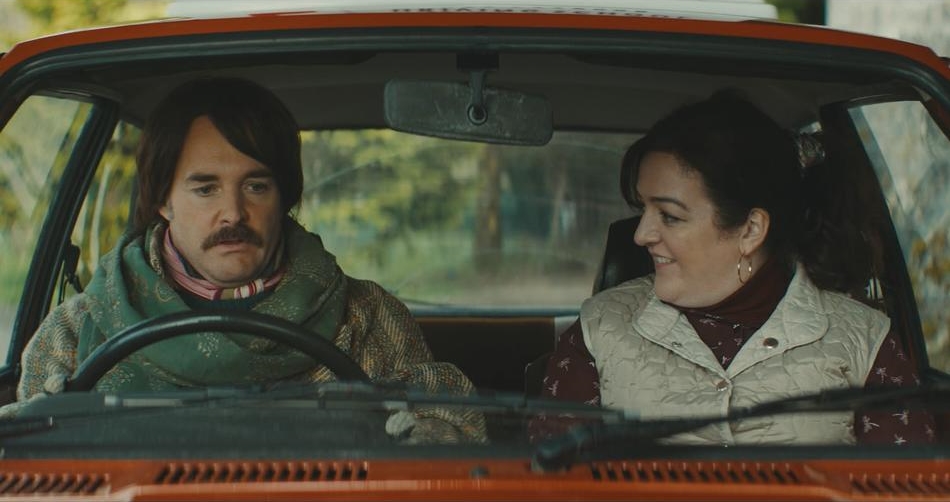
Comedy, Romance, Horror. Released: 2020. English/Irish. Rating: R. Runtime: 1 hour, 34 minutes. [ Amazon ] Director: Mike Ahern, Enda Loughman. Starring: Maeve Higgins, Barry Ward, Will Forte; and others. Filmed at Charleville Castle, Tullamore. [ 4.5 stars out of 5 ]
Awesome Irish made comedy about a father being haunted by his dead controlling wife who seeks out Rose, a small town local driver’s education instructor who has skills communicating and dealing with ghosts. As they solve hauntings together gaining ectoplasm, they set off to release his daughter from becoming a “virgin sacrifice” into the gates of hell that a local satanist in his castle needs to boost his musical talents in exchange. It’s hiliarious with star acting from “The last man on Earth” fame. Hits home for me as I’ve spent many times at the infamous Charleville Castle in Tullamore, home of Smokin’ Craic and Shakefest as well as many other festivals. Great plot, fabulous Irish humor, cool storyline, and downright fun.
Scarecrow(2002: Rated R) http://www.imdb.com/title/tt0341564/
Starring: Tim Young …. Lester Dwervick, Todd Rex …. The Scarecrow, Tiffany Shepis …. Judy Patterson, Jen Richey …. Morgan, Roxanna Bina …. Stephanie, John Moore …. Chad; and many more. Directed by Emmanuel Itier; Writing credits Bill Cunningham & Emmanuel Itier.
It’s a story about Lester who is picked on by all the kids at school, by his teacher, by his mom’s boyfriends, seems like everyone … living a sad life, until one of the schoolgirls sticks up for him against the school bully. He developed a crush on her, and then his world is shattered when he sees her kissing the bully at a late-night party. He goes into a rage, and goes home and yells at his mom and the guy screwing her, the guy kills Lester in the cornfield, and by the legend of the Scarecrow, absorbs Lester’s soul and Lester goes on a rampage to slice and dice Freddy and Jason style, everyone in his path. Complete blood bath. Cheesy B-rate horror. If you like B-rate horror, it might make a 3, but if you like fine cinema, it barely makes a 1 = don’t bother seeing it. Horror fans, it’s good background noise.
Scarecrow: Slayer(2003: Rated R) http://www.imdb.com/title/tt0353984/
Starring: Tony Todd …. Caleb Kilgore, Nicole Kingston …. Mary Anderson, David Castro …. Karl, Jessica Mattson …. Sheila, Steven Schultz …. Gavin; and many others.
In class with the first movie, another B-rate rot your brain flick. The Scarecrow is resurrected by two fraternity boy pledges who are sent on a mission to steal the Scarecrow. The farmer who wrote a book about the infamous legend sees the scarecrow and shoots at him, but in reality, kills one of the frat boys. The frat boy’s soul gives life to the scarecrow and goes on a murderous rampage, including a mission-impossible fraternity house massacre as he seeks his undying love for his girlfriend that he plans to make Mrs. Scarecrow by killing at the foot of a newly crafted scarecrow woman. B-rate horror at its finest. Those liking fine cinema should avoid this one like a bug-infested cornfield.
Tamara(R: 2005)
Directed by Jeremy Haft. Starring: Jenna Dewan …. Tamara Riley, Katie Stuart …. Chloe, Chad Faust …. Jesse, Bryan Clark …. Shawn, Melissa Elias …. Kisha, Gil Hacohen …. Patrick http://www.tamaramovie.com/. Teenage geek girl falls for her teacher – he turns her down and it drives her crazy enough to do a love ritual to “make” him fall in love with her and to have the power of persuasion to make anyone do things for her. She chickens out when it calls for blood, but a high school prank from the jocks who want to get even with her accidentally kills her and spills her blood, making the spell complete. She returns from the dead to get revenge – but no longer an ugly duckling, but turn-everyone’s-head beautiful with a rage not to be toyed with. It’s B-rate, but I like the plot and the storyline. But definitely an at-home horror. Rating 4 stars out of 5. Viewed 1/2/07.
Warehouse 13 * (NR: 2009) * Creators: Jane Espenson, D. Brent Mote. Starring: Eddie McClintock … Pete Lattimer; Joanne Kelly … Myka Bering; Saul Rubinek … Artie Nielsen; Genelle Williams … Leena; Allison Scagliotti … Claudia Donovan; and many others. *
It’s X-files Mulder and Scully meets a spin-off of where the Lost Ark of the Covenant disappeared off to at the end of “Raiders of the Lost Ark”. This popular Syfy network television series is a fantasy created by Jack Kenny and David Simkins as a dramatic comedy that reminds one of Raiders of the Lost Ark, the X-files, Moonlighting, and Friday the 13th: The Series. So far the series is up to 3 seasons with popularity that might keep it going. Its about two U.S. Secret Service agents, Myka Bering and Peter Lattimer who become re-assigned to the government’s secret “Warehouse 13” where un-natural artifacts with dangerous properties are locked up where they cannot do damage, in a barren warehosue in the middle of South Dakota. Initially they feel they are being punished for some assignments that involved foul-ups, but rather being “rewarded” for their great skills. The Warehouse is under the premise that is was established in 1914 by Thomas Edison, Nikola Tesla, and M.C. Escher that is a continuation of various Warehouses throughout the world that houses artifacts of this kind – the first being Warehouse One operated by Alexander the Great, Warehouse 2 as the Library at Alexandria, Warehouse 12 in Great Britain – always being moved into the possession of whichever country was the super power during that age. All of the artifacts housed in the warehouses possess magical, supernatural, or scientific powers that are dangerous, and are connected to some historical or mythological figure, each imbued with something of their former owner. Most excellent series. Rated: 5 stars out of 5.