Sketch (PG: 2025)

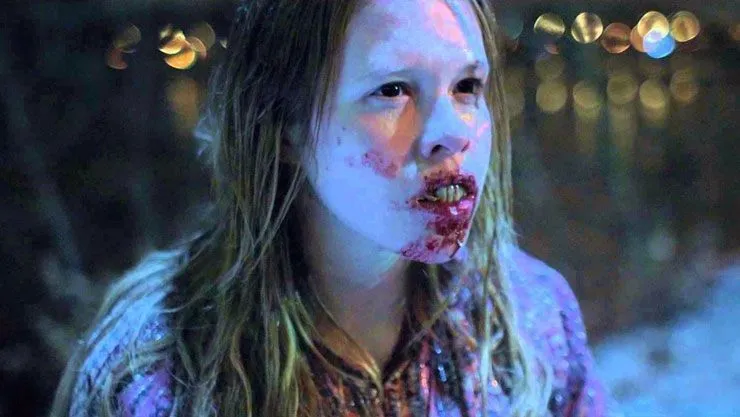
Grieving from the loss of their mother, a disturbed young girl and her brother discover a magical pond that animates their sketches into real-life horrors. Fantasy-filled and dramatic, with edge-of-your-seat thrills, this movie does not disappoint. On top of that, we didn’t know what we were going to see that Monday night at the Cascade 14 theater in Burlington, as it was one of AMC’s never before seen by an audience in their theater’s films: Screen Unseen.

Stepping into an AMC Unseen night, you can almost feel the buzz ripple through the theater. AMC Unseen, paired with the AMC A-List program, is not your standard movie affair; it conjures an experience designed for the adventurous at heart. Picture it: you settle in with your family, no idea what’s about to light up the screen, and then “Sketch” unfolds in a spectacular burst of creativity and fantasy. This review unpacks the joy, drama, and flourish that make the AMC Unseen Sketch event a 5-star delight for families, fantasy lovers, artists, and anyone craving the thrill of the unexpected.

What Makes AMC Unseen and AMC A-List Unique for Moviegoers

AMC Unseen is not just another film night. Here’s how it works: ticket holders are invited to a mysterious screening, with no hints. The curtain only lifts when the opening credits roll. The result is magic: families, teens, artists, and anyone with a love for stories find themselves swept up in a shared, suspenseful discovery.

Popularity has soared, especially among those tired of spoilers and formulaic weekends. The whole idea feels like a cinematic lottery ticket; no trailers, no expectations, just pure movie magic. Want to tap into the archive of previous surprises?

The AMC A-List program sweetens the pot further. As a member, you get premium access, advanced reservations, and the peace of mind that you’re seeing mystery screenings at a fraction of the cost. For frequent moviegoers, A-List is a golden ticket and the perfect sidekick to AMC Unseen. We’re at the 4 free movies a week for $25/month plan.

Unpacking the AMC Unseen Sketch Movie Experience

“Sketch” proved why AMC Unseen is a festival for the senses. If you adore movies that leap off the screen with bold visuals, quirky humor, and a plot twist that keeps you guessing, this film is your jam. The experience felt like stepping inside an artist’s notebook, where every page holds a new world, and nothing is off limits.

The story follows a family who stumbles upon a magical pond that animates a sketch pad, with each drawing springing to vivid life. The plot is equal parts touching, fantastical, and gleefully unpredictable, threading heartfelt drama with bursts of comedy in a way that shines for all ages.

From the start, the direction signals a playful, clever approach. Quick-moving scenes, animated transitions, and a visual palette that recalls storybooks and street art keep your eyes wide and hungry for more.

Storytelling, Artistry, and Visual Creativity

Calling all artists and daydreamers: “Sketch” feels tailor-made for anyone who loves imagination on the big screen. Its storytelling is tight yet leaves room for wonder. Effects and practical visuals blend seamlessly; the kind of detail that makes you forget you’re in a theater.

Every frame has a touch of whimsy, like a gallery of living comics or a Pixar short grown wild and weird. Families find themselves rooting for relatable characters caught up in magical mayhem, while fantasy enthusiasts pick up on the deep lore and subtle nods to genre classics.

The way “Sketch” blends heartfelt moments with bursts of fantasy makes it a standout in AMC’s Story Telling Movies lineup, pushing the boundaries of what family fantasy can look like.

Audience Reactions: From Surprise to Acclaim

The crowd’s reaction was electric. When the credits rolled, applause popped across the room. Some kids beamed, clutching sketches on napkins; parents laughed, recalling favorite gags; artists swapped thoughts on the movie’s inventive style.

Such enthusiastic feedback landed “Sketch” a passionate 5-star rating for its dazzling effects, emotional beats, vivid fantasy, and creative spark. This screening was a happy surprise; a reminder that sometimes the best moments at the movies are those you never see coming.

An Imaginative Family Fantasy from Angel Film Production

Sparkling with the kind of wonder that never leaves you, ‘Sketch’ arrives under the banner of Angel film production as a jubilant celebration of art, fantasy, and the ties that bind a family together. Every frame feels like a love letter to the dreamers, young and old, who see the world not just as it is, but as it could be. This review dives deep into what makes ‘Sketch’ a standout for parents, kids, and artists alike. Get ready for our signature 5-star rating breakdown presented with plenty of color, character, and honest heart.

Plot, Characters, and Thematic Depth in ‘Sketch’

At its core, ‘Sketch’ is a gentle invitation into a world where imagination rules. The story follows a young artist with a wild heart and an even wilder sketchpad, whose whimsical drawings begin to take on a life of their own. Family life grounds the chaos, with caring, occasionally exasperated parents providing both comic relief and ballast. Expect bursts of laughter, a tangle of magical mishaps, and more than one tear-jerking lesson about trust, creativity, and the power of hope.

The film never talks down to its audience. Small but mighty, the characters leap off the screen, especially the young protagonist, whose curiosity guides much of the plot. The parents’ dynamic feels lived-in, and the supporting cast, a motley crew of magical creatures and friendly rivals, gives each scene extra fizz. Themes of imagination thrive alongside lessons in forgiveness and the beauty of trying, failing, and trying again. It’s the kind of family-friendly fantasy that stands tall alongside entries in the best fantasy movies library.

Narrative Flow and World-Building

The magic of ‘Sketch’ lives in its narrative rhythm. Scenes shift quickly from the suburbia of family life to a swirling, mystical dreamscape, made possible whenever art shakes loose from the sketchpad and transforms the room. Here, ordinary objects turn extraordinary, and reality stretches just enough to let in the impossible.

While the pacing occasionally stumbles, the transitions between the real and the fantastical are handled with flair, keeping the audience both grounded and wide-eyed. For those wanting to compare the way fantastical films play with myth and reality, you can always Browse the Lore Section to see how similar motifs echo through folklore and legends.

Artistry and Performing Talent

Casting in ‘Sketch’ is spot on, with performances that bring warmth and wit to every scene. The child actor at the center of the film exudes genuine charm, selling both the ecstatic highs and fretful lows of growing up with a hyperactive imagination. Parents and siblings never fade into the background, rather, they lift each scene, delivering a sense of togetherness that’s rare in fantasy films aimed at younger viewers.

Visually, ‘Sketch’ delights at every turn. The art direction leans heavily into pastels, watercolor-hued fantasy sequences, and tactile props that blur the boundary between drawing and life. This meticulous approach ensures every artist watching feels seen, and families get swept into a world almost soft enough to touch.

Angel Film Production: Craft, Vision, and Reception

What sets an Angel film apart? It’s the earnest artistry and inventive flourishes that invite you to participate, not just watch. ‘Sketch’ pulses with a spirit of play, thanks to a direction that refuses to spoon-feed its audience and cinematography that captures both the chaos and comfort of home.

Set pieces are clever but never overwhelming. Effects are practical where possible, giving the magical moments weight. The soundtrack, a breezy mix of original scores and gentle pop, helps stitch together scenes and set moods both joyful and pensive.

Art Direction and Cinematic Style

Color and movement carry as much meaning as words in ‘Sketch.’ Every fantasy sequence is alive with brushstrokes, shifting palettes, and unexpected visual gags that keep kids giggling while grownups marvel at the detail. The score twinkles with the kind of playful melodies that stick with you.

Audience Reception and Critical Perspectives

How does the audience feel about ‘Sketch’? In a word: charmed. Parents praise its heart and creativity, noting that it’s one of those rare movies that doesn’t lose the grown-ups halfway through. Young viewers latch onto the magic and the laughs; a combo that’s tough to beat.

Critics echo much of this praise, calling out the strong performances and the film’s refusal to settle for cheap gags or lazy sentiment. A few mention a couple of slow sections where the story gets a bit tangled, but most agree that these brief lulls do little to dim the movie’s charm. Considering both critical and popular feedback, ‘Sketch’ easily earns a bright 5 out of 5 stars.

Conclusion

‘Sketch’ is not just a film, but an open door into a world where creativity is king and the rules of everyday life are made to be broken, at least for an hour or two. With its blend of family heart, fantastic artistry, and a genuine respect for the imagination, it sings to parents, young dreamers, art lovers, and anyone who still believes in a little movie magic.

Our review gives it a glowing 5-star score. It’s the rare family movie that invites everyone, whatever their age, to pick up a pencil and start dreaming. So pop some popcorn, gather your family, and let ‘Sketch’ remind you why imaginations run wild, and why sometimes, that’s the best magic of all.

How Sketch Compares to Other AMC Unseen Films

Is “Sketch” the crown jewel of mysteries, or just one of many AMC Unseen hits? If you love the thrill of discovery, the answer may get you booking your next ticket soon. “Sketch” holds its own among the best, bringing plenty of heart and spectacle to the mix.

Compared to other crowd-pleasers, some might say its inventive style rivals big-name releases, while its playful spirit will remind families of classic adventure tales. For those exploring the Unseen tradition, pairing this feature with a Latest Movie Release gives a broader look at AMC’s current film magic. Whether you come for awe, laughter, or a dose of artistry, “Sketch” delivers.

AMC Unseen and AMC A-List create the perfect storm for movie lovers who crave surprise, artistry, and the thrill of the unknown. “Sketch” is a glowing example; a film that dances between fantasy and reality, bursting with color and heart.

How to Train Your Dragon (2025: PG-13)

The legendary story of Hiccup and Toothless comes alive in a whole new way with the 2025 live-action remake of How to Train Your Dragon. Fans of the original will be pleased by the film’s faithful adaptation, keeping the heart and energy that made the animated classic so memorable. This time, the magic feels even bigger, with the blend of real-world scenery and jaw-dropping CGI conjuring a world where Vikings and dragons practically leap off the screen.

What truly sets this version apart is its stellar cast and sharp, playful writing, delivering both the laughs and the epic moments longtime fans expect. In my book, this movie soars with five out of five stars for dazzling technical achievement, pure movie magic, and sheer cinematic fun. Whether you’re an AMC A-List devotee or just in for a weekend adventure, strap in: this is one wild ride worth every minute.

Plot and Storytelling – Loyalty with Fresh Realism

Settling in for How to Train Your Dragon (2025), I braced myself for a simple retread of the beloved animated classic. Yet, right from the first sweeping shots, it was clear; this live-action leap did more than mimic; it honored the source, yet opened up its own world. The creative team walked a fine line, balancing the nostalgic beats fans hold dear with the raw immediacy of real settings and flesh-and-blood actors.

Faithful Adaptation: Shot-for-Shot and Emotional Fidelity

The movie doesn’t shy away from the moments we adore: Hiccup’s clumsy curiosity, Toothless’s wounded trust, Stoick’s gruff warmth. These iconic scenes feel lifted straight from memory but somehow immediate, grounding the film’s heart in real emotion rather than caricature. You’ll spot exact visual callbacks: the hilltop flight lessons, Toothless’s first awkward movements, the harrowing village attacks. Each one delivers a jolt of recognition yet gains weight from live-action nuance. Eyebrows knit with genuine worry, hands tremble with risk, and suddenly, you’re tuned to the frequency of their hopes and fears.

Yet it’s the emotional honesty that slays me. The tension as Hiccup reaches out to Toothless for the first time made my pulse jump, while quieter exchanges between father and son land with a sincerity you can almost touch. The cast’s earnest performances allow the emotional beats to shine; not just as recreations, but as heartfelt statements in their own right. If you’re curious about how fans are receiving the film’s loyalty to the original, this NYT review of How to Train Your Dragon (2025) dives deep into its faithfulness and where it truly soars.

What Sets This Remake Apart?

Once the nostalgia settles, the remake flexes its muscles, showing where real-world backdrops and live actors conjure fresh magic. Every Icelandic coastline and mossy valley bursts with tactile beauty, a far cry from pixel-perfect (if fantastic) animation. Natural lighting changes everything; the sky broods and brightens, casting shadows that make the dragons seem more majestic, and the risks more real.

Three key elements set this version apart:

  • Environments That Breathe: Rocks crunch under boots, dragon scales glisten in shifting light, and wind whips through real grass. These details pull you into Berk’s world in a way a cartoon can’t quite match.
  • Childlike Wonder Reborn: Hiccup’s awe at Toothless’s first flight feels bigger, almost like seeing magic crackle for the first time, unfiltered by fantasy. Wide-eyed reactions land harder when you can see freckles and scuffed knees.
  • Tangible Stakes: Danger feels riskier. Toothless’s injuries and the fire’s heat are no longer stylized; they sting and stun, making the victories and heartbreaks more raw.

For those who like to compare how different adventure films handle the blend of action and heart, check out some excellent picks on the Adventure Movie Tag on TechnoTink.

Ultimately, the live-action format isn’t just a gimmick. It’s a tool, one that adds gravity, grit, and a new sort of wonder while remaining loyal to the core that made the saga legendary. If you’re weighing whether this remake stands proudly beside its animated roots, the answer is a resounding yes; and then some. For more perspectives, Rotten Tomatoes’ review of How to Train Your Dragon (2025) showcases why audiences, young and old, are falling for it all over again.

Visual Effects, Cinematography, and CGI: A New Era for Dragon Tales

Live-action fantasy has hit a new milestone, and How to Train Your Dragon (2025) is proof. Where older adaptations might have stumbled with rubbery, awkward creatures or overused green screens, this film feels like a leap forward. The line between practical landscapes and digital sorcery nearly vanishes, enchanting you into a story where dragons soar and Vikings get dirt under their fingernails. Let’s get into how the visual magic works its spell.

Toothless and Dragon Design: Bringing Animation to Life

If there’s one thing the fanbase agrees on, it’s that Toothless is iconic. In this film, he isn’t just cute, he’s believable, and it’s a technical marvel worth celebrating. Every scale has dimension, every eye movement pulses with emotion, and every breath feels weighted. Toothless doesn’t just occupy space; he commands your attention, standing out against wild coasts and stormy skies.

That feeling you get when Toothless tilts his head or lets out that little chirr? That isn’t just stellar animation; it’s digital acting, layering motion capture with subtle genetics so it feels real, not just realistic. The animators lean hard into reference footage from wildlife (cats, lizards, birds), which gives each dragon a signature way of moving and reacting. Instead of feeling smooth and cartoonish, Toothless’s wings struggle with wind, claws slip on moss, and he learns to trust; right before your eyes.

  • Texture you can almost touch: Scales, teeth, and that glossy black hide soak up natural light from the set, blending digital effects with the physical world. If you ever wondered how filmmakers bring out the best in fantasy creatures, check out how Technotink Lore explores classic methods alongside next-generation CGI.
  • Expressive behavior: Toothless’s wide eyes and awkward postures read big emotions from far away; excitement, confusion. This is more than FX; it’s empathy in pixels.

All of this means Toothless and his kin don’t just show up for spectacle. They bring the heart, too, winning over even the most skeptical audiences.

Cinematography and Immersive Environments

The moment your screen fills with wind-lashed cliffs and golden skies, you know you’re in for something special. The cameras move like they’re up for the challenge; chasing after dragons, plunging over waterfalls, gliding across snowy tundra. These aren’t just pretty backgrounds; they put you in the saddle, right next to Hiccup and crew.

Natural locations get the spotlight, letting real-world textures and lighting do the heavy lifting. Sunsets burn behind wings, clouds smear across valleys, and every landscape feels massive. CGI blends seamlessly with these set pieces for flights that make your stomach drop and heart race.

  • Sweeping aerial shots look like drone footage from another world.
  • Dynamic camera moves crank up the tension during battle scenes, never letting the audience relax for long.
  • Real river spray, wind in the grass, and harsh Viking weather ground the experience, merging physical and digital storytelling.

All of this adds up to what I’d call big-screen immersion; worth every penny of your AMC ticket. If you’re curious about how other fantasy movies tackle similar challenges, the Djinn movies collection shares more insight into the latest tricks for mixing visual effects with real-world locations.

It’s hard not to be wowed. You’ll want to pause and catch every detail… but with dragons swirling above, how could you ever look away?

Cast Performances: Heart, Humor, and Heroics

A film as bold as the 2025 live-action How to Train Your Dragon only soars if its cast brings real magic. It’s not enough to have great visuals; you need actors who sell every beat, joke, and heartbreak. This cast pulls it off, meshing raw emotion with sharp comedic timing and true, crowd-pleasing heroics. Let’s break down exactly how they won over both faithful fans and skeptical newcomers.

Mason Thames as Hiccup: The Evolution of a Hero

Mason Thames steps into Hiccup’s boots with a freshness that’s hard to fake. In the original, Hiccup was quirky and plucky, but Thames layers in real self-doubt and hope. This is not just a kid playing Viking dress-up. From the first scene, you see Hiccup’s nerves in every sideways glance, yet also glimpses of stubborn courage flickering in his eyes.

Live-action demands subtlety, and Thames delivers. He hesitates, stumbles, and then commits, giving each risky choice real stakes. His compassion for Toothless isn’t just script; it crackles in silences and small gestures. When he stands up to tradition and defends dragons, his sincerity grabs you. It’s a leap from animation, where big emotions can border on cartoonish. Here, you get depth: moments with Stoick feel like father-son battles, not just plot points. It’s faithful to the source but richer, thanks to the vulnerability Thames puts front and center.

Fans who worry about change will appreciate that Thames honors the spirit of the original Hiccup but grows him into someone flesh and blood. He’s the heart of the film; shy, brave, sometimes ridiculous, but always real.

Supporting Cast Highlights

A movie about underdogs needs standout teamwork, and this film’s supporting cast fires on all cylinders. Nico Parker, as Astrid, lights up the screen with grit and wry wit. She meets Thames’s Hiccup punch for punch, both in flying scenes and quieter moments of trust. Their banter adds honest warmth, but Parker also brings steel, reminding you that Astrid has her own arc to follow.

Gerard Butler returns as Stoick, the chieftain with a voice that rumbles and eyes that betray every crack in his tough-guy act. Butler anchors the saga, showing Stoick’s struggle with pride and fear, yet never letting the role slip into caricature. You see a father torn; wanting to protect, but learning to believe.

Nick Frost, as Gobber, steals scenes with his blend of larger-than-life comic relief and unexpected wisdom. His line delivery injects big laughs at just the right moments, while physical comedy and one-liners give younger viewers (and their parents) plenty to quote. Yet even Frost brings dimension; when Gobber opens up with advice or concern, it feels hard-earned and lived-in.

These three don’t just fill out the story. They build the film’s full range, moving from wild comedy to honest heartbreak without a hitch. Their chemistry makes every group flight, stumble, and rescue tick. If you’re interested in how other ensemble casts fire up a movie’s energy, take a look at the impact of a strong supporting roster in action-comedies like Novacaine: The Action-Comedy You Can’t Miss in 2025.

It’s the kind of cast where everyone’s invested; no one coasts. They turn what could have been cliche into a legend worth watching again.

Action, Comedy, and Audience Engagement

How to Train Your Dragon (2025) delivers a ride packed with laughter, wild action, and moments that have the whole theater buzzing. This live-action reboot brings a fresh spark to the saga, with crowd-pleasing set pieces and sharp wit stitched right into the script. If you love movies that keep both your heart pounding and your sides aching, this is a film tailor-made for the AMC crowd. Let’s dive into the standout scenes and why they light up the screen.

Memorable Moments and Standout Sequences: Recall particularly exciting, funny, or heartwarming scenes that exemplify why this film excels as a vibrant crowd-pleaser.

Now and then, a moment grabs hold of the entire audience. In this remake, those scenes show up early and often.

  • Test Drive Sequence: If you remember the original’s iconic “Test Drive” flight, the live-action version soars even higher. Watching Hiccup and Toothless take off together for the first time, you can almost feel the wind and nerves. The visual spectacle is jaw-dropping, but what hooks you is Hiccup’s gleeful terror and the dragon’s clumsy exuberance. The ScreenRant breakdown of this updated sequence captures why this scene is a masterclass in playful suspense and awe.
  • Comedic Timing and Banter: Comedy isn’t just shoehorned in; it’s woven through every group interaction. Gobber’s advice, always one step away from disaster, and Astrid’s dry comebacks offer punchlines that catch you off guard. There are moments where physical comedy lands perfectly: Hiccup’s desperate scrambling as Toothless fakes him out, or a wild, accidental barrel roll that sends fish flying into Stoick’s face, sending the theater into fits of laughter.
  • Heartfelt Connections: The magic isn’t just in the CGI or the stunts; it’s in the quiet beats, too. When Hiccup gingerly offers his hand to Toothless, or when Stoick drops his stern front for a brief, touching word with his son, these little pauses hush the crowd. Even the most stone-faced moviegoer can’t help but get drawn in. Fans widely agree the film nails these emotional punches. Just check any review roundup; Reddit’s movie review threads are overflowing with fans calling it both “thrilling” and “full of spectacle.”
  • Action that Pops: Battle scenes, one-on-one dragon fun, or high-flying acrobatics; every beat feels crisp and dangerous. When the villagers mount their dragon defenses, or Astrid and Hiccup rocket through clouds, dodging fire blasts, the movie doesn’t just show action. It draws the crowd in with clever angles, wild camera sweeps, and gut-level stakes. You feel every lurch and swerve.
  • Audience Connection: The crowd is always in on the joke. Groans, cheers, gasps; this movie invites participation. The fun is infectious, spreading across the theater like wildfire. Maybe that’s why the film is earning raves across all ages, locking everyone in from the youngest dragon-fan to longtime devotees.

If there’s a single reason the 2025 remake works so well, it’s this: it blends spectacle with spirit, action with heart, and laugh-out-loud fun with just enough nostalgia. Walk in with expectations; walk out grinning, quoting Gobber, and itching to come back for round two.

Is the Live-Action Remake Worth Watching?

With all the anticipation circling How to Train Your Dragon (2025), you might wonder, should you carve out a night and see it for yourself? This remake promises more than just nostalgia. It delivers a visually stunning spectacle and a bold, heartfelt retelling that truly earns its place alongside the original. Let’s break down exactly why this film deserves a spot on your must-watch list.

The Magic of Live-Action and CGI

First things first, the visuals here are nothing short of dazzling. This isn’t just another animated reboot dressed up with modern graphics. The dragons, especially Toothless, feel alive; every feeler twitches, every wingbeat has heft. Real landscapes paired with near-perfect CGI create a setting where you don’t just admire the dragons, you practically expect them to leap off the screen and perch on your popcorn bucket.

What stands out is the way the film brings a tactile edge to Berk’s world. The wind in Hiccup’s hair, the grit on his boots; these details give the saga a sense of gravity the cartoon never quite matched. Toothless’s eyes brim with emotion, and it’s easy to forget you’re watching pixels, not a living, breathing creature.

  • Standout Effects: Major action set pieces earn palpable gasps, especially on a big AMC screen.
  • Attention to Detail: Even the background villagers, the reflected light off a dragon’s scales; nothing feels phoned in.

Fans and critics both are marveling at how seamlessly CGI and human actors blend together. The IMDB user reviews are jam-packed with praise for the lifelike digital artistry. The consensus? This is how fantasy is supposed to look.

Acting That Sparks and Sells the Story

Great effects mean little if the acting falls flat. Here, every performer pulls their weight, with Mason Thames leading the way as Hiccup. He nails the nervous energy, courage, and awkwardness that fans love, but gives it a new heart. The chemistry with his co-stars, from Astrid’s razor-sharp humor to Stoick’s booming presence, makes the stakes real.

You’re not just watching characters recite lines. You see the push and pull between tradition and change. The jokes land. The heartfelt moments sting a little. Each actor brings enough spark and grit to make you care; sometimes, with nothing but a glance or an offhand joke.

The crowd energy is infectious, too. Early screening reactions, as collected in the Reddit review thread, point to genuine audience investment: laughter, applause, even a few misty eyes in the climactic scenes. That’s the mark of a film that’s actually reaching people, not just going through the motions.

Fresh Take Without Losing the Core

This remake never loses sight of what made the original a favorite; it’s all about connection, identity, and finding courage in unlikely places. But seeing these themes play out with real actors on wild, windswept sets hits different. There’s a weight, a sincerity, that animation sometimes blunts.

The dialogue feels sharp and modern, but stays loyal to the Viking spirit. Key plot points return, but they’re given new urgency and depth. You end up with something rare; a remake that’s both respectful and a little rebellious, unafraid to tweak or expand on what came before. If you’re after more perspective on the uniqueness of live-action adaptations and why this one feels justified, Vulture’s review breaks it down with thoughtful insight.

The Verdict for Moviegoers

If you’re weighing your options for a weekend at the movies, How to Train Your Dragon (2025) stands tall as a five-star experience. The blend of wow-factor visuals, genuine performances, and razor-sharp writing makes this live-action leap feel not just worth watching, but worth celebrating. Whether you’re an AMC A-List regular or just looking for a “can’t miss” night out, this film fits the bill for fun, awe, and a shot of pure movie magic.

Conclusion

How to Train Your Dragon (2025) sets a new gold standard for family adventure films, blending the soul of its animated roots with the thrill and depth of live action. Faithfulness runs through every beat, yet the story feels freshly charged, powered by standout acting and dazzling effects that raise the bar for modern fantasy cinema. Honest laughs, vivid characters, and scenes that soar make it a big-screen treat for all ages.

Nothing feels phoned in; every performance and CGI flourish adds to a saga that’s both familiar and full of new energy. For AMC A-List fans and movie lovers searching for a pure, crowd-pleasing hit, this is as good as it gets. Five stars out of five; loved this remake for its clever blend of action, fun, and genuine movie magic.

Thanks for reading! If this film sparked your appetite for more unforgettable adventures, be sure to check out the best adventure movies to stream and watch next. What did you think of Hiccup and Toothless’s return? Share your thoughts or movie night memories below; the conversation is always better when everyone joins in!

Death of a Unicorn (R: 2025): Mythology, Cryptids, and Unicorns Shine

I missed this one at the theaters. By the time I saw the previews, it had already left the big screen … at least in my area. I saw it available on Amazon Prime, but I have no idea when it would be discounted or have free streaming. I got impatient. Being a big fan of folklore, myths, and legends … I couldn’t wait. I went ahead and bought it, as it was only a few dollars more as a purchase than a 48-hour rental. Plus, I knew I’d need to watch it again with my son at a much later date. It was worth the investment. In my fascination with the story, the acting was good, cleverly crafted, and had great special effects. I give it 5 stars out of 5.

A deep and familiar sense of wonder arrives with Death of a Unicorn, a film that unites the hard edges of horror with the timeless shimmer of mythology and cryptids. Those weary of paint-by-numbers unicorn tales will find here an intoxicating reimagining, where folklore breathes with terror and beauty in equal measure. The story draws on the long tradition of unicorn symbolism; purity, danger, and the space between myth and reality; giving folklorists plenty to admire and horror fans much to savor.

This five-star experience is more than a suspenseful journey; it stands as a fresh lens on unicorn lore, blending unsettling creature design with folklore’s deep shadows. Students of mythology, collectors of cryptid legends, and lifelong movie buffs will recognize the artistry on display; an inventive, memorable tribute to stories that haunt the human imagination. As the boundaries blur between ancient fable and modern cinema, Death of a Unicorn claims its place among the most original myth-inspired films in recent memory.

Plot Overview and Mythological Foundations

Death of a Unicorn weaves an atmospheric story that bridges folklore, horror, and the subtle mysteries of natural history. The direction and writing treat mythology, cryptids, and unicorns with both reverence and invention, offering viewers a world that feels at once ancient and shockingly new. Instead of simply referencing unicorns as fantasy tropes, the film considers their deeper symbolic currents, purity tainted by violence, rarity on the edge of extinction, and the dangerous beauty at the heart of every myth. Layer by layer, this story wraps itself around the audience with a darkly enchanting grip, asking us to peer into the mythic shadows hidden in familiar woods.

Mythology and Cryptids in the Film’s World-Building

The film’s heart beats through its meticulous use of mythology and cryptids. Here, unicorns move beyond token creatures; they become both protagonists and portents, shaped by centuries of folklore and embellished by the film’s own rulebook. This isn’t the milky-white icon on childhood posters; this unicorn is unpredictable, wild, and laced with ambiguity, its roots borrowed from both medieval bestiaries and whispered folk tales.

World-building in Death of a Unicorn is rich, drawing from an international tapestry of legends. You will find echoes of Slavic Leshy myths, Celtic forest hauntings, and echoes of the Elasmotherium, often cited as the “Siberian Unicorn”, a creature entangling paleontological fact with cryptozoological hope. This subtle dance between documentary realism and gothic invention sets the scene apart from typical genre fare.

  • Hybrid Beasts and Hidden Truths: The film smartly folds known cryptids into its ecosystem. These influences allow for world-building that is dense yet accessible, rewarding attentive viewers and folklore enthusiasts alike.
  • Symbolism in Character and Setting: Each appearance by a mythical being connects to the larger themes of purity, self-sacrifice, and the price of wonder. Symbolic moments; antlers gleaming like silver under moonlight, hoofprints found near untamed rivers, reinforce how mythology, cryptids, and unicorns shape not just the film’s action, but also its spirit.

If the resonance of cryptid stories and ancient symbols catches your curiosity, consider browsing the Cryptids Lore Collection. There, you’ll find a deeper look at the creatures and stories that continue to haunt modern imagination, offering a context that transforms Death of a Unicorn from a simple film to a living folktale.

For those drawn to the interplay of myth and the monstrous, the film offers both a love letter and a bold revision. It rewards everyone who still believes that old stories have teeth; and that danger and beauty often walk hand in hand.

Cinematic Elements: Horror, Performance, and Atmosphere

Death of a Unicorn flourishes in the liminal space where horror breathes alongside legend. The film’s tone balances menace and awe, using visual and performance techniques that root mythology, cryptids, and unicorns firmly in the audience’s senses. Here, horror is not only found in fleeting shadows but in the profound unease of upturned folklore, where every whinny or forest shiver hints at powers older than language.

Creature Design: Bringing the Unicorn to Life

The heart of Death of a Unicorn lies in its striking reimagining of the unicorn, shifting the creature from a gentle fairy tale symbol to something altogether more primal. Instead of the classic white steed, this unicorn is closer to a cryptid; a wild and dangerous animal, closer in spirit to those legendary beasts chronicled in bestiaries and whispered about in folklore.

The design harnesses the uncanny. This unicorn is scarred by survival; its coat is marked, its horn not smooth and elegant, but jagged as if shaped by forest battles. Every movement, each snort and flick of the ear, awakens old fears, suggesting a creature as ancient as it is unpredictable. This isn’t just a monster, but a living myth: part relic, part warning.

  • Anatomical accuracy: The filmmakers draw from paleontological theories, imagining the unicorn with a heavy bone structure reminiscent of Ice Age megafauna.
  • Behavioral realism: The film gives the unicorn plausible animal instincts, blurring the line between fantasy and cryptozoology.
  • Atmospheric lighting: Shadows and moonlight are wielded to conceal and then reveal the unicorn, amplifying both beauty and terror.

To appreciate the historical roots that inspired these choices, explore Unicorn Mythology for a journey through traditional and modern interpretations. Those hungry for even further lore can see how the unicorn straddles myth and cryptid classification in the broader context of animal legends.

Actors and Storytelling: Review Standout Performances, Script Strength, and Emotional Impact

Death of a Unicorn is elevated by its cast, who bring depth and sincerity that cut through the genre’s potential for camp. Each lead actor embodies a complex relationship with the unicorn; fear, awe, and raw survival instinct mingle together in their eyes and voices.

  • Lead Performances: The central family dynamic anchors the film. The parent figure radiates both protectiveness and existential dread, while the child delivers hope and terror in unpredictable waves. These performances never tip into melodrama; instead, they maintain a studied restraint, letting silences and glances fill the screen.
  • Supporting Cast: Side characters populate the looming woods with urgency and unique voices, never feeling disposable or one-note.
  • Script Excellence: Dialogue is spare, but loaded with subtext. Every word counts; each exchange builds the film’s broader themes: the enormity of myth, the confusion of facing the unknown, and the line between folklore devotion and horror.

The emotional moments bite hard because they refuse easy comfort. The film leans into ambiguity: Is the unicorn a blessing, a warning, or something the human mind cannot parse? The script excels in sustaining this uncertainty, rewarding both mythology buffs and horror aficionados.

The atmosphere; woven from mist, flickering light, and trembling voices, carries the movie through quiet dread and sudden, kinetic fear. This is horror that respects the intelligence and emotional sensitivity of its audience, refusing to offer easy answers.

For an exploration of how cryptids exist in both legend and lived experience, visit the compendium on the List of cryptids. Curious minds will also find rich context in tales where monsters and myths spill into our world at Cryptid and Creature Movie Reviews.

Whether you come for the folklore, the cryptids, or the unicorn itself, it’s clear that Death of a Unicorn offers a five-star review for its commitment to mythic terror, nuanced performances, and an atmosphere thick with both reverence and fear.

Thematic Depth: Myth, Nature, and Morality

Death of a Unicorn commands attention not only for its chilling visuals and rich atmosphere but also for its deep engagement with old myths and urgent modern concerns. In this section, we explore how the film threads together environmental themes, moral questions, and symbolic echoes from centuries of folklore. For those fascinated by the texture of mythology, cryptids, and unicorns, these themes pulse just below the surface, framing every twist and revelation with greater meaning.

Moral Questions and Environmental Commentary

At the film’s core sits a quiet but persistent conversation about the relationship between humans and the natural world. By centering the unicorn as both a cryptid and a force of nature, Death of a Unicorn prompts the audience to confront tough questions:

  • What happens when a mythical creature is endangered not by magic but by human folly?
  • Can reverence for the rare ever balance our hunger for control?

The unicorn’s fragility and haunting presence tap into legends that long treated these animals as guardians of pure landscapes. Here, the unicorn’s suffering and resilience become metaphors for ecological destruction and the irreversible loss of wildness. The story frames the creature not as a passive victim, but as a symbol of nature’s limits, issuing a silent warning.

This theme resonates powerfully in our era of biodiversity collapse. The unicorn’s elusive beauty stands in for countless species teetering on the edge, calling the viewer to rethink the old narratives of conquest and ownership. Is it any surprise that unicorns, alongside other legendary creatures like the Loch Ness Monster and kelpies, have become cultural shorthand for environmental anxiety, as explored in discussions on the commodification of monstrous creatures?

Death of a Unicorn demands that the viewer witness not just a monster, but a living question about the cost of domination and the ethics of wonder.

Symbolism from Mythology and Folklore

Unicorns have always served as rich symbols; icons of purity, tests of character, and sentinels at the edge of the known world. Death of a Unicorn honors and upends these expectations, drawing on a deep well of references that folklorists and casual viewers alike will recognize.

Throughout the film, moments echo the oldest tales. When the unicorn is glimpsed by moonlight or rears in silent agony, these visuals recall those medieval bestiaries where unicorns could only be tamed by the pure of heart. Horns are more than weapons; they are tools of healing, agents of change, and guards of boundaries between worlds.

  • The unicorn’s horn, for instance, nods to legends where it could purify poisoned water; a role that links it directly to anxieties about environmental loss. Learn more about these traditions in the examination of the mythology of the unicorn.
  • The haunted forests and shadowed rivers evoke the boundary lands of folklore; places where humans encounter not only monsters but also their own moral limits.

The film smartly connects its unicorn not just with grace, but with danger; a duality at the heart of ancient tales. This mirrors the treatment of other legendary beings, such as the Giant Leech Monster, whose stories also live at the intersection of fear, awe, and a need to explain what lies in the dark.

For those interested in the broader cultural tapestry, stories of unicorns have shaped everything from spiritual allegory to ecological consciousness. They remain animals of contradiction; wild yet gentle, hunted yet untouchable. Death of a Unicorn breathes new life into these contradictions, offering moments when the creature’s symbolic weight feels almost unbearable.

By rooting its horror in the oldest myths and echoing the ongoing debates about how we live with the wild, Death of a Unicorn delivers a thoughtful, memorable, and deeply layered cinematic experience.

Why “Death of a Unicorn” Resonates with Folklorists and Horror Fans

Death of a Unicorn does something rare; it forges a direct link between ancient myth and skin-prickling fear, elegantly speaking to both folklorists and horror lovers. This movie does not merely nod to unicorns as decorations or metaphors. Instead, it digs into the deep roots of mythology, cryptids, and unicorns, demanding that viewers see these creatures not as playthings but as the living heart of legend. Folklore experts will detect the layers of traditional meaning, while horror fans will feel the pulse of dread that runs beneath every hoofbeat.

By stripping away the glitter and charm so common in pop culture, the film finds the darkness at the core of myth. It captures the uncanny; a feeling as old as the first stories told around a fire. This is why those who study and savor folklore, as well as those who crave sharp horror, find themselves drawn together in appreciation.

Unicorns in Contemporary Pop Culture: Briefly Compare the Film’s Unicorns with Modern Unicorn Representations, Noting Its Darker, More Haunting Approach

Unicorns today are bright, playful, and almost sanitized, appearing on everything from children’s pajamas to viral internet memes. The modern unicorn is all smiles and sparkles, usually designed to bring comfort or whimsy rather than fear. As noted in resources like the Origin of the Modern Unicorn, our contemporary image descends from centuries of softening and sweetening; centuries that have washed away the animal’s wilder traits.

But Death of a Unicorn stands in firm contrast to this trend. The film’s unicorn is wild and forbidding, its beauty hiding danger in every glance. While pop culture leans into pastels and innocence, the movie pulls from the oldest tapestries and stories, where a unicorn was a solitary, unpredictable force, often just as terrifying as it was alluring. Here, we see a return to the animal’s roots as both a symbol of purity and a harbinger of doom.

  • In Pop Culture: Unicorns often appear as companions to the innocent or as magical solutions to earthly problems. Their horns have lost their bite, serving as little more than fancy hats on friendly beasts.
  • In Death of a Unicorn: The unicorn reclaims its place as something uncanny and liminal, unsettling precisely because it is neither wholly good nor evil. Its horn drips with the suggestion of violence, its movements hint at intelligence both alien and ancient.

This stark difference creates a tension that folklorists recognize immediately: the struggle between myth and modernity. Horror fans, too, understand why this matters. The film’s unicorn is a cryptid, not a mascot; an animal that lives in the dangerous borderlands between fact and fantasy, as discussed in lists of Cryptid Horror Movies. By pulling the unicorn back into the shadows, Death of a Unicorn gives the audience a much-needed reminder. There are legends that we soften at our peril, and some symbols refuse easy domestication.

For a closer look at how unicorns are usually portrayed in today’s media, check out 13 Great Unicorns in Pop Culture. You’ll see unmistakably sweet versions there; bright, approachable, and harmless. The film stands as an antidote to this, restoring a sense of scale and power.

If you want to see more on how films use mythology and cryptids to unsettle and entertain, visit the Cryptid/Folklore horror movies thread. Death of a Unicorn has earned its five-star review for daring to challenge worn-out traditions, making its unicorn both a relic and a genuine threat.

In this bold reimagining, mythology, cryptids, and unicorns return to their roots, haunting, beautiful, and impossible to deny. Whether you study symbols for a living or simply crave horror with a folkloric bite, Death of a Unicorn offers a rare and compelling vision.

Reviewed

***** of 5 stars; Oisin Rhymour – Techno Tink Media: design.technotink.com. Death of a Unicorn earns its five-star review by turning the familiar symbol of the unicorn into something rare, at once beautiful and threatening, anchored in both mythology and the shadows of modern horror. Stunning visuals, dramatic special effects, the essence of Tim Burton – what an amazing creation. This film stands out for its deep respect for folklore, its sharp awareness of cryptid traditions, and the gravity it gives to old symbols often lightened by modern media. Its careful use of mythology, cryptids, and unicorns invites folklorists and horror buffs alike to see something fresh: a creature that demands attention, fear, and understanding.

For anyone who values the unpredictable edge of myth or the dark fascination of unexplained beasts, this movie is a gift. Let it guide you into richer tales on folklore, monsters, and the strange places where myth still breathes. Explore more haunting creatures and the legacy of monster stories in cryptid and creature movie reviews. Thank you for joining this journey through shadow and story; share your thoughts, and keep the discussion alive for those who love a world shaped by myth and the unknown.

Watchers (PG-13: 2024)

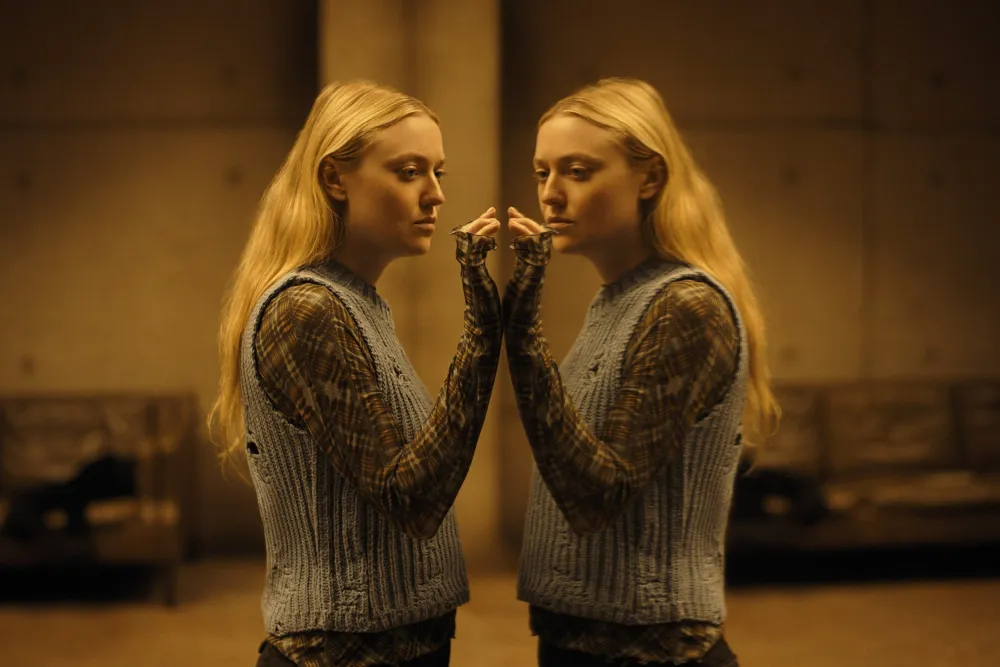
Watchers. Horror, Fantasy. Rated PG-13, released June 2024. Director: Ishana Shyamalan; Writers: Ishana Shyamalan; A.M. Shine; Starring: Dakota Fanning; Georgina Campbell; Olwen Fouéré; and more. IMDB: https://www.imdb.com/title/tt26736843/.

I’m always fascinated with films that embrace the age-old faerie lore and embed it into current times. This film does just that. Another stunning mysterious tale from the Shyamalan lineage, this time by his daughter … and lives up to the power of the Shyamalan collection. Taking place in the land of legends and fairy lore … western Ireland, a young artist gets stranded in the woods discovering three others who too, are trapped. They have to hide in a bunker every evening and daylight provides little time to find an escape before darkness falls. Strange phenomena cloaks their every move and soon its discovered that the species of Changelings of the Fae imprisoned under the earth has a plot for their escape. True to descriptive nature of changelings and dark fae, this film embraces the most horror filled nightmares surrounding them. It leaves room for a sequel, which I can only hope manifests into reality. Review by Oisin Rhymour, 5 stars out of 5.

The Lure (NR: 2015)

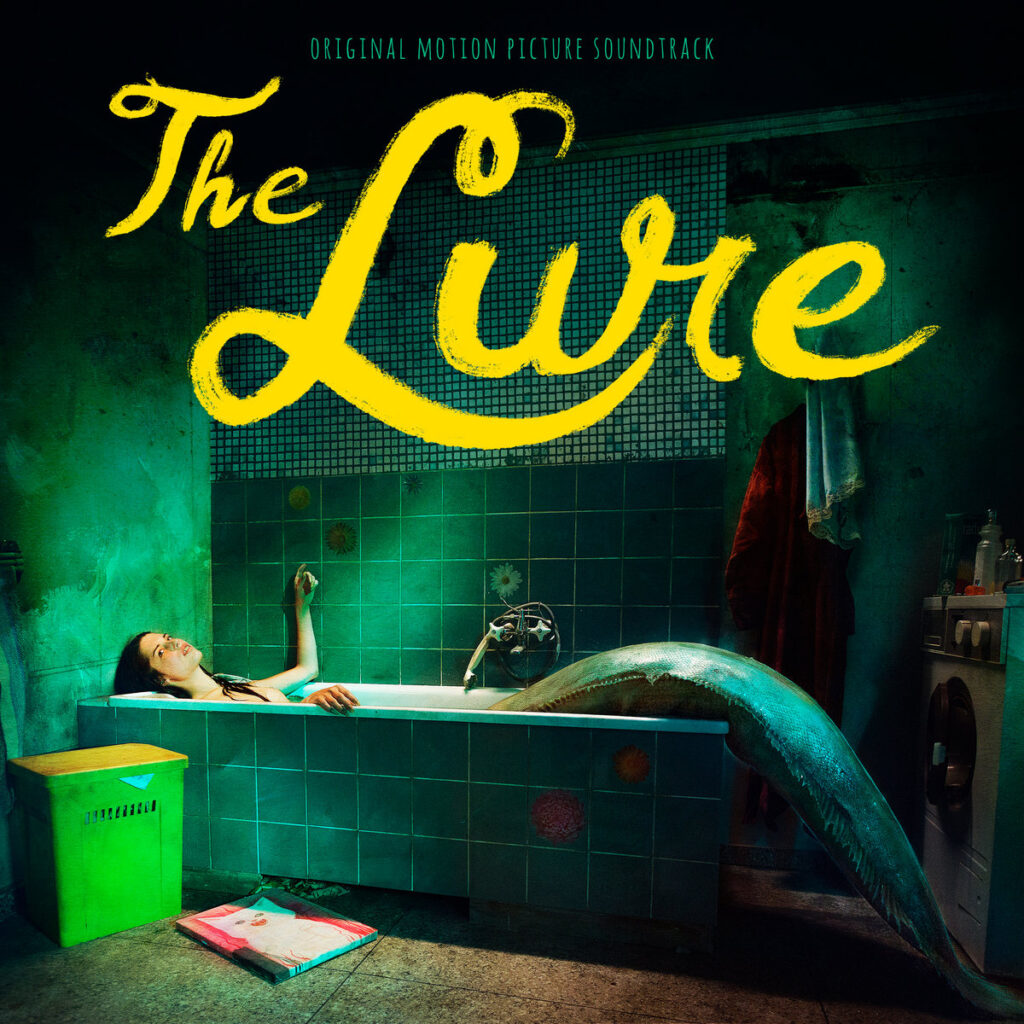
The Lure: NR; 2015. Drama, Fantasy, Horror. Director: Agnieszka Smoczynska; Writer: Robert Bolesto; Starring: Marta Mazurek; Kinga Preis; Michalina Olszanska; Kinga Preis; and more. IMDB: https://www.imdb.com/title/tt5278832/.

By far the most enticing thrilling enchanting movie I’ve watched this year sofar (2024), definitely atop my all time favorites. The Lure, which i stumbled upon on some streaming channel I can’t remember which one … I was instantly mesmerized by this foreign horror musical drama featuring one of my favorite fae species … Mermaids. Anyone who knows me, knows I’m overly obsessed with Faerie lore. This movie embraces fae living amongst us in the 1980’s time period. Not only that, but the 80’s/alternative music atmosphere drives me home to my era, with even more excitement. The story shows the tale of mermaid sisters named “Silver” and “Golden” who become enchanted by the song of “Figs and Dates” band members partying on the beach – they make friends and become adopted by the cabaret club the band operates within. Its a twisted love story beyond the “Little Mermaid” obsession with a human and going through a twisted operation to gain human legs permanently. The sister doesn’t understand and decides to listen to her natural desires -devouring the flesh of humans in the city. While this pitstop was meant only as a stop-over for the sisters new life in America, they become trapped in Warsaw. The music, sex, horror, the gore, comedy, drama, and the art-house madness makes it a uniquely enchanting mermaid tale. Review: 5 stars out of 5 by Oisin Rhymour

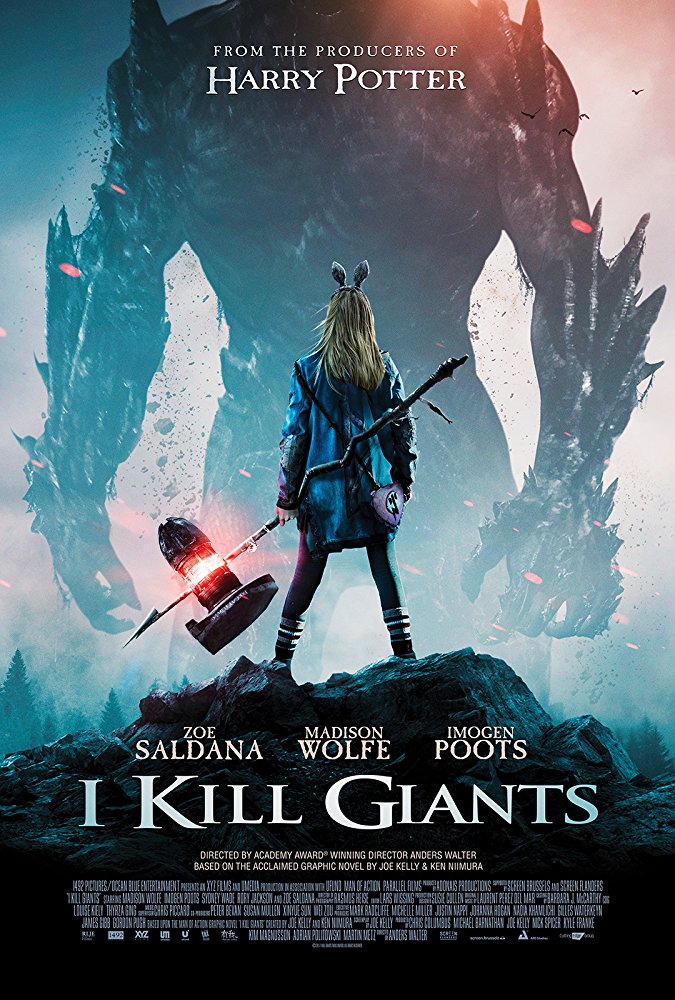
I Kill Giants (PG-13: 2017)

I Kill Giants
~ Not Rated | 1h 46min | Drama, Fantasy, Thriller | 23 March 2018 | Director: Anders Walter; Writers: Joe Kelly (screenplay by), Joe Kelly; Starring: Madison Wolfe, Zoe Saldana, Imogen Poots | See full cast & crew on IMDB ~ Watched 4/7/18 on Amazon ~

The producers of Harry Potter bring a classic book to the screen about a 12-year-old girl struggling from isolation in school and her mother being on her death bed. Barbara Thorson fights off school bullies and GIANTS. She has weaved an imaginary world of magic, myth, and lore about Giants plaguing her town and her constant struggle to fight them off saving the town from being demolished. She flees the pains of reality and her school counselor as she becomes an irritant to everyone. But a new friend moving in from England becomes her only friend and wanders into her mythology. A great story of growing up and imagination. Great plot and storyline is well crafted and made.

Rated: 4 of 5 stars. ~ Review by Leaf McGowan/Thomas Baurley 

If you would like to contact the author about this review, need a re-review, would like to advertise on this page, or have information to add, please contact us at [email protected].

Like this review? want more? consider donating a chai, coffee, tea, or meal to the reviewer as a way to say “thank you! I want more …”


Continue reading “I Kill Giants (PG-13: 2017)”

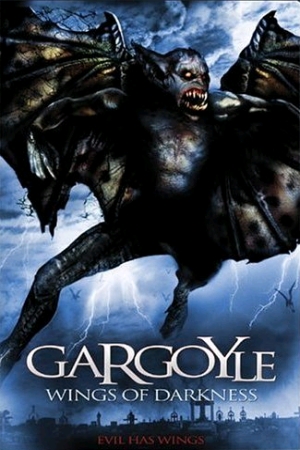
Gargoyle (R: 2004)

gargoyle-movie

Gargoyle (Rated R: 2004. 84 minutes – Action / Fantasy / Horror. Russian produced.)

Director: Jim Wynorski. Starring: Michael Paré as Ty “Griff” Griffin; Sandra Hess as Jennifer Wells; Fintan McKeown as Father Nikolai Soren; Kate Orsini as Dr. Christina Durant; Tim Abell as Lex; William Langlois as Inspector Zev Aslan; Petri Roega as Father Adrian Bodesti; Rene Rivera as Gogol; and more.

Storyline tackles an age-old tale about a Christian priest killing off one of the world’s last gargoyles whose body falls down a hole into the earth that they seal with “the blood of Christ”. Jump to the modern day where a CIA agent is sent to Bucharest with his partner to investigate numerous kidnappings and while trying to bust the thieves, an earthquake releases a gargoyle from the inner earth out to wreak havoc around the city. This gargoyle, ready to breed and multiply is also out for vengeance and tracking down the only crossbow known to kill him. Effects are plain and definitely poorly done CGI. The plot has value, the flow had errors, and after trying to watch this over 2 late nights, I fell asleep midway twice. Rating: 2.5 stars out of 5.

Thale (R: 2012)

thaleposter

Thale
Rated NR: Released: February 2012
http://www.thalemovie.com/
IMDB: http://www.imdb.com/title/tt2112287/
Facebook: http://www.facebook.com/thalemovie

Director: Aleksander Nordaas. Writer: Aleksander Nordaas. Starring: Silje Reinåmo as Thale; Erlend Nervold as Elvis; Jon Sigve Skard as Leo; Morten Andresen as Hvittkledd; Roland Astrand as the voice; and Sunniva Lien as
Thale.

A fabulous mythical tale meets the modern day when Elvis and Leo, two crime scene cleaners discover a hidden stairwell leading to a concealed cellar where a beautiful naked woman has been kept captive. A mystery unwinds through tapes, research notes, and images of horrors unleashed. Secret labs, experiments on the fae-folk, and genetic altering to try to transform a fae to a human. More specifically focusing around the faerie folk named the Huldra, a mythical bipedal anthropomorphic tailed creature with magical powers … based on Norwegian folklore of the hidden folk in the woods. As a faerie lore enthusiast and researcher, I was extremely intrigued when discovering this subtitled gem on the Blockbuster shelf, and to my disappointment found out the store only had one copy, and it was checked out. Not available yet for streaming on Netflix, but did find immediately accessible on Amazon Prime for $3.99 (7-day rental) which you can watch directly through the link below. For any folklore enthusiast, fantasy film buff, or faerie fan … this is a must-see. Made in Norway, the language is Norwegian/Swedish and released on February 17, 2012. Filmed in Bergen, Hordaland, Norway. Rating 5 stars out of 5. [Rating:5] by Leaf McGowan, viewed 4/21/2013 on Amazon Prime
.


Cabin in the Woods (R: 2012)

Cabin in the Woods ~ (Rated R: 2012)
http://www.imdb.com/title/tt1259521/ * Director: Drew Goddard. * Written by Joss Whedon and Drew Goddard. * Starring: Kristen Connolly as Dana; Chris Hemsworth as Curt; Anna Hutchison as Jules; Fran Kranz as Marty; Jesse Williams as Holden; Richard Jenkins as Sitterson; Bradley Whitford as Hadley; Brian White as Truman, and many others.

 Within the last several years, Hollywood and the film industry have been evolving and expanding the classical monster tale, as we watched through the ages, meandering from Frankenstein, the Mummy, the Werewolf, and Count Dracula towards a whole different species of Werewolves, vampires, and zombies. Then came the serial killers obsessed with pain, torture, maiming, and realistic, grotesque murder sprees self-styled after Ted Bundy, Fred West, or Jeffrey Dahmer, only to exaggerate to supernatural tales of Halloween, Friday the 13th, and the Texas Chainsaw Massacre.

Now, a new sense of horror, going back to supernatural beliefs on Witches, Druids, Spirits, and creatures from the races of Darker Faeries come crawling out from their sidhe with vicious mermaids and mermen, leprechauns, gremlins, goblins, orcs, giants, and titans. The Old God/desses are being brought back to life. What one would imagine would be a typical hack n’ slash film by the title of “Cabin in the Woods” turned into a conspiracy theory, a Dark ancient Deities tale of human sacrifice at a high corporate level ploy to satiate the “ancient ones”. None other than a tale weaved by Buffy’s Joss Whedon to give that twisted plot some fantastical depth. These five friends go on vacation to a remote cabin in the woods, only to find themselves trapped and manipulated in a pseudo-realm where they are lined up to voluntarily sacrifice themselves to the dark spirits.

Cabin in the Woods (R: 2012)

The five college-aged kids head off to a friend’s cabin in the woods and lose all communication with the outside world. During “party time” and unwinding, the cellar door mysteriously flips open, only to involve a truth or “dare” to investigate the darkness. Within is a treasure trove of artifacts, each with a secret and a beast to unleash. Meanwhile, they are monitored by a high-tech secret lab where the white coats bet on which creature they will face – Pinhead, the Mer-man, flesh-eating zombies, a ghoul, or a prehistoric monster of dinosaur proportions. Dana reads from the diary of an inbred hillybilly family, thereby awakening the now-dead family of deadly murderous zombies.

But this is not the only laboratory experiment of what supernatural creatures will be unleashed, as the lab coats are monitoring similar setups from around the world, hopeful of a successful stint with the cabin. As each of the college kids get knocked off, the ploy backfires as the “virgin” saved for the last, teamed up with the brainy pot-head discover the conspiracy and find their way down into depths uncovering an ancient temple lair holding back the ancient Titans from destroying the Earth – satiated by an annual sacrifice that was planned. None of the scenarios work out for the guardians, and literally “all hell breaks loose” as magical and supernatural beings, creatures, and monsters look at the lab coats and armed forces as a smorgasbord brunch.

The Director of the agency, played by Sigourney Weaver, tells them the truth that the ritual involving sacrifice of the Whore (Jules), the Athlete (Curt), the Scholar (Holden), the Fool (Marty), and the Virgin (Dana) was to appease the “Ancient Ones” who lived beneath the facility. They had to die in archetypical order until the virgin remained. Werewolves, mer-creatures, unicorns, ghouls, zombies, and a giant serpent take their wraith. The Ancient ones rise to destroy the facility and the cabin. While an element of “kitch” and wacky elements loomed over the film, the special effects and deep mythical supernatural plot humored and entertained me. [Rating:4] Rating of four stars out of five. ~ Reviewed by Leaf McGowan.

These reviews are done by the writer at no payment unless it is a requested review and the costs for travel, service, and lodging was covered – in which case, expenditure reimbursement will not affect review rating or content. If you enjoy this review and want to see more, why not buy our reviewer a drink to motivate them to write more? or help cover the costs they went through to do this review?


Warehouse 13: Season 1: Episode 1

Warehouse 13: Season 1 ~ Episode 1: The Pilot

Director: Jace Alexander. Writers: D. Brent Mote & Jane Espenson. Starring:
Eddie McClintock, Joanne Kelly, Saul Rubinek, and many others. Original Air Date: 7 July 2009.

Its a blended science fiction television series of the “what if” and “after the fact” of the U.S. super-secret warehouse that houses magical items like the “Ark of the Covenant” we saw being so neatly placed at the end of “Raiders of the Lost Ark” combined with much of the comical elements of Agents Mulder and Scully of the “X-files”. It all begins with two secret service agents who after saving the president’s life from an assassination attempt get recruited by a super-secret warehouse in the middle of the South Dakota desert housing supernatural artifacts to become custodians and curators of said occult. They are now assigned to retrieve any lost objects and investigate reports of any new ones. Their first assignment, which they fail badly at, is to protect a rare Aztec stone that gets stolen. Their next assignment is to travel to Iowa where they are to investigate the beatings of Emily Krueger. Turns out her law school boyfriend Cody Thomas was beating her while under the influence of an ancient Italian Strega bewitchment by a jewel he possessed of Lucrecia Borgia. It has a great spin. Rating: 4 stars out of 5.

Photos are copyrighted and cannot be reproduced without the permission of authors Tom Baurley or Leaf McGowan. Photos can be purchased via Technogypsie.com at Technogypsie Photography Services for nominal use fees. Restaurants, Businesses, Bands, Performances, Venues, and Reviews can request a re-review if they do not like the current review or would like to have another review done. If you are a business, performer, musician, band, venue, or entity that would like to be reviewed, you can also request one (however, travel costs, cost of service (i.e. meal or event ticket), and lodging may be required if the area is out of reviewer’s base location at the time of request).

These reviews are done by the writer at no payment unless it is a requested review and the costs for travel, service and lodging were covered – in which case, expenditure reimbursement will not affect review rating or content. If you enjoy this review and want to see more, why not buy our reviewer a drink to motivate them to write more? or help cover the costs they went through to do this review?