How to Train Your Dragon (2025: PG-13)

The legendary story of Hiccup and Toothless comes alive in a whole new way with the 2025 live-action remake of How to Train Your Dragon. Fans of the original will be pleased by the film’s faithful adaptation, keeping the heart and energy that made the animated classic so memorable. This time, the magic feels even bigger, with the blend of real-world scenery and jaw-dropping CGI conjuring a world where Vikings and dragons practically leap off the screen.

What truly sets this version apart is its stellar cast and sharp, playful writing, delivering both the laughs and the epic moments longtime fans expect. In my book, this movie soars with five out of five stars for dazzling technical achievement, pure movie magic, and sheer cinematic fun. Whether you’re an AMC A-List devotee or just in for a weekend adventure, strap in: this is one wild ride worth every minute.

Plot and Storytelling – Loyalty with Fresh Realism

Settling in for How to Train Your Dragon (2025), I braced myself for a simple retread of the beloved animated classic. Yet, right from the first sweeping shots, it was clear; this live-action leap did more than mimic; it honored the source, yet opened up its own world. The creative team walked a fine line, balancing the nostalgic beats fans hold dear with the raw immediacy of real settings and flesh-and-blood actors.

Faithful Adaptation: Shot-for-Shot and Emotional Fidelity

The movie doesn’t shy away from the moments we adore: Hiccup’s clumsy curiosity, Toothless’s wounded trust, Stoick’s gruff warmth. These iconic scenes feel lifted straight from memory but somehow immediate, grounding the film’s heart in real emotion rather than caricature. You’ll spot exact visual callbacks: the hilltop flight lessons, Toothless’s first awkward movements, the harrowing village attacks. Each one delivers a jolt of recognition yet gains weight from live-action nuance. Eyebrows knit with genuine worry, hands tremble with risk, and suddenly, you’re tuned to the frequency of their hopes and fears.

Yet it’s the emotional honesty that slays me. The tension as Hiccup reaches out to Toothless for the first time made my pulse jump, while quieter exchanges between father and son land with a sincerity you can almost touch. The cast’s earnest performances allow the emotional beats to shine; not just as recreations, but as heartfelt statements in their own right. If you’re curious about how fans are receiving the film’s loyalty to the original, this NYT review of How to Train Your Dragon (2025) dives deep into its faithfulness and where it truly soars.

What Sets This Remake Apart?

Once the nostalgia settles, the remake flexes its muscles, showing where real-world backdrops and live actors conjure fresh magic. Every Icelandic coastline and mossy valley bursts with tactile beauty, a far cry from pixel-perfect (if fantastic) animation. Natural lighting changes everything; the sky broods and brightens, casting shadows that make the dragons seem more majestic, and the risks more real.

Three key elements set this version apart:

  • Environments That Breathe: Rocks crunch under boots, dragon scales glisten in shifting light, and wind whips through real grass. These details pull you into Berk’s world in a way a cartoon can’t quite match.
  • Childlike Wonder Reborn: Hiccup’s awe at Toothless’s first flight feels bigger, almost like seeing magic crackle for the first time, unfiltered by fantasy. Wide-eyed reactions land harder when you can see freckles and scuffed knees.
  • Tangible Stakes: Danger feels riskier. Toothless’s injuries and the fire’s heat are no longer stylized; they sting and stun, making the victories and heartbreaks more raw.

For those who like to compare how different adventure films handle the blend of action and heart, check out some excellent picks on the Adventure Movie Tag on TechnoTink.

Ultimately, the live-action format isn’t just a gimmick. It’s a tool, one that adds gravity, grit, and a new sort of wonder while remaining loyal to the core that made the saga legendary. If you’re weighing whether this remake stands proudly beside its animated roots, the answer is a resounding yes; and then some. For more perspectives, Rotten Tomatoes’ review of How to Train Your Dragon (2025) showcases why audiences, young and old, are falling for it all over again.

Visual Effects, Cinematography, and CGI: A New Era for Dragon Tales

Live-action fantasy has hit a new milestone, and How to Train Your Dragon (2025) is proof. Where older adaptations might have stumbled with rubbery, awkward creatures or overused green screens, this film feels like a leap forward. The line between practical landscapes and digital sorcery nearly vanishes, enchanting you into a story where dragons soar and Vikings get dirt under their fingernails. Let’s get into how the visual magic works its spell.

Toothless and Dragon Design: Bringing Animation to Life

If there’s one thing the fanbase agrees on, it’s that Toothless is iconic. In this film, he isn’t just cute, he’s believable, and it’s a technical marvel worth celebrating. Every scale has dimension, every eye movement pulses with emotion, and every breath feels weighted. Toothless doesn’t just occupy space; he commands your attention, standing out against wild coasts and stormy skies.

That feeling you get when Toothless tilts his head or lets out that little chirr? That isn’t just stellar animation; it’s digital acting, layering motion capture with subtle genetics so it feels real, not just realistic. The animators lean hard into reference footage from wildlife (cats, lizards, birds), which gives each dragon a signature way of moving and reacting. Instead of feeling smooth and cartoonish, Toothless’s wings struggle with wind, claws slip on moss, and he learns to trust; right before your eyes.

  • Texture you can almost touch: Scales, teeth, and that glossy black hide soak up natural light from the set, blending digital effects with the physical world. If you ever wondered how filmmakers bring out the best in fantasy creatures, check out how Technotink Lore explores classic methods alongside next-generation CGI.
  • Expressive behavior: Toothless’s wide eyes and awkward postures read big emotions from far away; excitement, confusion. This is more than FX; it’s empathy in pixels.

All of this means Toothless and his kin don’t just show up for spectacle. They bring the heart, too, winning over even the most skeptical audiences.

Cinematography and Immersive Environments

The moment your screen fills with wind-lashed cliffs and golden skies, you know you’re in for something special. The cameras move like they’re up for the challenge; chasing after dragons, plunging over waterfalls, gliding across snowy tundra. These aren’t just pretty backgrounds; they put you in the saddle, right next to Hiccup and crew.

Natural locations get the spotlight, letting real-world textures and lighting do the heavy lifting. Sunsets burn behind wings, clouds smear across valleys, and every landscape feels massive. CGI blends seamlessly with these set pieces for flights that make your stomach drop and heart race.

  • Sweeping aerial shots look like drone footage from another world.
  • Dynamic camera moves crank up the tension during battle scenes, never letting the audience relax for long.
  • Real river spray, wind in the grass, and harsh Viking weather ground the experience, merging physical and digital storytelling.

All of this adds up to what I’d call big-screen immersion; worth every penny of your AMC ticket. If you’re curious about how other fantasy movies tackle similar challenges, the Djinn movies collection shares more insight into the latest tricks for mixing visual effects with real-world locations.

It’s hard not to be wowed. You’ll want to pause and catch every detail… but with dragons swirling above, how could you ever look away?

Cast Performances: Heart, Humor, and Heroics

A film as bold as the 2025 live-action How to Train Your Dragon only soars if its cast brings real magic. It’s not enough to have great visuals; you need actors who sell every beat, joke, and heartbreak. This cast pulls it off, meshing raw emotion with sharp comedic timing and true, crowd-pleasing heroics. Let’s break down exactly how they won over both faithful fans and skeptical newcomers.

Mason Thames as Hiccup: The Evolution of a Hero

Mason Thames steps into Hiccup’s boots with a freshness that’s hard to fake. In the original, Hiccup was quirky and plucky, but Thames layers in real self-doubt and hope. This is not just a kid playing Viking dress-up. From the first scene, you see Hiccup’s nerves in every sideways glance, yet also glimpses of stubborn courage flickering in his eyes.

Live-action demands subtlety, and Thames delivers. He hesitates, stumbles, and then commits, giving each risky choice real stakes. His compassion for Toothless isn’t just script; it crackles in silences and small gestures. When he stands up to tradition and defends dragons, his sincerity grabs you. It’s a leap from animation, where big emotions can border on cartoonish. Here, you get depth: moments with Stoick feel like father-son battles, not just plot points. It’s faithful to the source but richer, thanks to the vulnerability Thames puts front and center.

Fans who worry about change will appreciate that Thames honors the spirit of the original Hiccup but grows him into someone flesh and blood. He’s the heart of the film; shy, brave, sometimes ridiculous, but always real.

Supporting Cast Highlights

A movie about underdogs needs standout teamwork, and this film’s supporting cast fires on all cylinders. Nico Parker, as Astrid, lights up the screen with grit and wry wit. She meets Thames’s Hiccup punch for punch, both in flying scenes and quieter moments of trust. Their banter adds honest warmth, but Parker also brings steel, reminding you that Astrid has her own arc to follow.

Gerard Butler returns as Stoick, the chieftain with a voice that rumbles and eyes that betray every crack in his tough-guy act. Butler anchors the saga, showing Stoick’s struggle with pride and fear, yet never letting the role slip into caricature. You see a father torn; wanting to protect, but learning to believe.

Nick Frost, as Gobber, steals scenes with his blend of larger-than-life comic relief and unexpected wisdom. His line delivery injects big laughs at just the right moments, while physical comedy and one-liners give younger viewers (and their parents) plenty to quote. Yet even Frost brings dimension; when Gobber opens up with advice or concern, it feels hard-earned and lived-in.

These three don’t just fill out the story. They build the film’s full range, moving from wild comedy to honest heartbreak without a hitch. Their chemistry makes every group flight, stumble, and rescue tick. If you’re interested in how other ensemble casts fire up a movie’s energy, take a look at the impact of a strong supporting roster in action-comedies like Novacaine: The Action-Comedy You Can’t Miss in 2025.

It’s the kind of cast where everyone’s invested; no one coasts. They turn what could have been cliche into a legend worth watching again.

Action, Comedy, and Audience Engagement

How to Train Your Dragon (2025) delivers a ride packed with laughter, wild action, and moments that have the whole theater buzzing. This live-action reboot brings a fresh spark to the saga, with crowd-pleasing set pieces and sharp wit stitched right into the script. If you love movies that keep both your heart pounding and your sides aching, this is a film tailor-made for the AMC crowd. Let’s dive into the standout scenes and why they light up the screen.

Memorable Moments and Standout Sequences: Recall particularly exciting, funny, or heartwarming scenes that exemplify why this film excels as a vibrant crowd-pleaser.

Now and then, a moment grabs hold of the entire audience. In this remake, those scenes show up early and often.

  • Test Drive Sequence: If you remember the original’s iconic “Test Drive” flight, the live-action version soars even higher. Watching Hiccup and Toothless take off together for the first time, you can almost feel the wind and nerves. The visual spectacle is jaw-dropping, but what hooks you is Hiccup’s gleeful terror and the dragon’s clumsy exuberance. The ScreenRant breakdown of this updated sequence captures why this scene is a masterclass in playful suspense and awe.
  • Comedic Timing and Banter: Comedy isn’t just shoehorned in; it’s woven through every group interaction. Gobber’s advice, always one step away from disaster, and Astrid’s dry comebacks offer punchlines that catch you off guard. There are moments where physical comedy lands perfectly: Hiccup’s desperate scrambling as Toothless fakes him out, or a wild, accidental barrel roll that sends fish flying into Stoick’s face, sending the theater into fits of laughter.
  • Heartfelt Connections: The magic isn’t just in the CGI or the stunts; it’s in the quiet beats, too. When Hiccup gingerly offers his hand to Toothless, or when Stoick drops his stern front for a brief, touching word with his son, these little pauses hush the crowd. Even the most stone-faced moviegoer can’t help but get drawn in. Fans widely agree the film nails these emotional punches. Just check any review roundup; Reddit’s movie review threads are overflowing with fans calling it both “thrilling” and “full of spectacle.”
  • Action that Pops: Battle scenes, one-on-one dragon fun, or high-flying acrobatics; every beat feels crisp and dangerous. When the villagers mount their dragon defenses, or Astrid and Hiccup rocket through clouds, dodging fire blasts, the movie doesn’t just show action. It draws the crowd in with clever angles, wild camera sweeps, and gut-level stakes. You feel every lurch and swerve.
  • Audience Connection: The crowd is always in on the joke. Groans, cheers, gasps; this movie invites participation. The fun is infectious, spreading across the theater like wildfire. Maybe that’s why the film is earning raves across all ages, locking everyone in from the youngest dragon-fan to longtime devotees.

If there’s a single reason the 2025 remake works so well, it’s this: it blends spectacle with spirit, action with heart, and laugh-out-loud fun with just enough nostalgia. Walk in with expectations; walk out grinning, quoting Gobber, and itching to come back for round two.

Is the Live-Action Remake Worth Watching?

With all the anticipation circling How to Train Your Dragon (2025), you might wonder, should you carve out a night and see it for yourself? This remake promises more than just nostalgia. It delivers a visually stunning spectacle and a bold, heartfelt retelling that truly earns its place alongside the original. Let’s break down exactly why this film deserves a spot on your must-watch list.

The Magic of Live-Action and CGI

First things first, the visuals here are nothing short of dazzling. This isn’t just another animated reboot dressed up with modern graphics. The dragons, especially Toothless, feel alive; every feeler twitches, every wingbeat has heft. Real landscapes paired with near-perfect CGI create a setting where you don’t just admire the dragons, you practically expect them to leap off the screen and perch on your popcorn bucket.

What stands out is the way the film brings a tactile edge to Berk’s world. The wind in Hiccup’s hair, the grit on his boots; these details give the saga a sense of gravity the cartoon never quite matched. Toothless’s eyes brim with emotion, and it’s easy to forget you’re watching pixels, not a living, breathing creature.

  • Standout Effects: Major action set pieces earn palpable gasps, especially on a big AMC screen.
  • Attention to Detail: Even the background villagers, the reflected light off a dragon’s scales; nothing feels phoned in.

Fans and critics both are marveling at how seamlessly CGI and human actors blend together. The IMDB user reviews are jam-packed with praise for the lifelike digital artistry. The consensus? This is how fantasy is supposed to look.

Acting That Sparks and Sells the Story

Great effects mean little if the acting falls flat. Here, every performer pulls their weight, with Mason Thames leading the way as Hiccup. He nails the nervous energy, courage, and awkwardness that fans love, but gives it a new heart. The chemistry with his co-stars, from Astrid’s razor-sharp humor to Stoick’s booming presence, makes the stakes real.

You’re not just watching characters recite lines. You see the push and pull between tradition and change. The jokes land. The heartfelt moments sting a little. Each actor brings enough spark and grit to make you care; sometimes, with nothing but a glance or an offhand joke.

The crowd energy is infectious, too. Early screening reactions, as collected in the Reddit review thread, point to genuine audience investment: laughter, applause, even a few misty eyes in the climactic scenes. That’s the mark of a film that’s actually reaching people, not just going through the motions.

Fresh Take Without Losing the Core

This remake never loses sight of what made the original a favorite; it’s all about connection, identity, and finding courage in unlikely places. But seeing these themes play out with real actors on wild, windswept sets hits different. There’s a weight, a sincerity, that animation sometimes blunts.

The dialogue feels sharp and modern, but stays loyal to the Viking spirit. Key plot points return, but they’re given new urgency and depth. You end up with something rare; a remake that’s both respectful and a little rebellious, unafraid to tweak or expand on what came before. If you’re after more perspective on the uniqueness of live-action adaptations and why this one feels justified, Vulture’s review breaks it down with thoughtful insight.

The Verdict for Moviegoers

If you’re weighing your options for a weekend at the movies, How to Train Your Dragon (2025) stands tall as a five-star experience. The blend of wow-factor visuals, genuine performances, and razor-sharp writing makes this live-action leap feel not just worth watching, but worth celebrating. Whether you’re an AMC A-List regular or just looking for a “can’t miss” night out, this film fits the bill for fun, awe, and a shot of pure movie magic.

Conclusion

How to Train Your Dragon (2025) sets a new gold standard for family adventure films, blending the soul of its animated roots with the thrill and depth of live action. Faithfulness runs through every beat, yet the story feels freshly charged, powered by standout acting and dazzling effects that raise the bar for modern fantasy cinema. Honest laughs, vivid characters, and scenes that soar make it a big-screen treat for all ages.

Nothing feels phoned in; every performance and CGI flourish adds to a saga that’s both familiar and full of new energy. For AMC A-List fans and movie lovers searching for a pure, crowd-pleasing hit, this is as good as it gets. Five stars out of five; loved this remake for its clever blend of action, fun, and genuine movie magic.

Thanks for reading! If this film sparked your appetite for more unforgettable adventures, be sure to check out the best adventure movies to stream and watch next. What did you think of Hiccup and Toothless’s return? Share your thoughts or movie night memories below; the conversation is always better when everyone joins in!

Fantastic Four: First Steps (PG-13: 2025)

The Marvel machine has fired up its cosmic engines again, landing Fantastic Four: First Steps (2025) squarely in the spotlight. This chapter stirs up buzz with a bold alternate-Earth twist, turning old-school superhero dynamics on their head. Fans (my family included) lined up with high expectations; after all, it’s the Fantastic Four’s first MCU adventure, and the trailers made sure we heard about it.

But let’s get honest, this isn’t the legendary return some expected. The film leans goofy, with big swings and surprising laughs, though some gags struck me as rather forced. That said, my son pointed out what many missed: this universe plays by its own rules. If you love cosmic chaos and family banter, there are plenty of fun beats, but for all the promotional hype, a 3.6 out of 5 stars feels just about right; better than I expected, though not quite the genre showstopper fans were promised.

Plot Overview and Setting

Strap in, because Fantastic Four: First Steps doesn’t waste a second tossing you straight into its bold new universe. Marvel’s “first family” lands in a reality that loves to play by its own rules, taking familiar faces and throwing them into uncharted territory. This isn’t just a rerun with shinier effects; we’re talking a full reboot where everything, from city skylines to cosmic threats, feels fresh yet comfortingly nostalgic. The 1960s-inspired retro-futurism gives the whole adventure a classic sci-fi spark with a modern kick.

An Alternative Earth: A New Spin

This is not your dad’s Fantastic Four. Forget Baxter Building regulars and quaint Manhattan streets; this world is stitched together with quirky, alternate-Earth logic. Wacky gadgets and bizarre skyline details zone in on that retro-futuristic look teased in the trailers. Think less urban realism, more Saturday-morning cartoon with a budget.

The story runs wild with the concept of multiple universes colliding, where Reed, Sue, Ben, and Johnny aren’t the only ones with a new groove. In this universe, every decision feels like a quick riff on classic Marvel, from the costumes right down to the pop culture references lurking in the background. These alternative settings aren’t just window dressing. Instead, they drive big parts of the plot, forcing the Four to figure out this world’s oddball laws and learn to live (and bicker) as a family under entirely new skies.

You get all the standard superhero powers, but through a lens that’s both familiar and unhinged. The core team is put through a wringer of wild action and awkward family lunches, making the multiverse concept more than just a fancy backdrop. Can they adapt? Will they ever stop poking fun at the absurdities around them? That unpredictable tone is exactly what sets this installment apart. For a deeper dive into how alternate worlds are reshaping superhero films, check out this Wikipedia guide to The Fantastic Four: First Steps.

Galactus and Silver Surfer: Cosmic Threats

Talk about leveling up your villains. Instead of recycling old baddies, Fantastic Four: First Steps lets Galactus take a galaxy-sized bite out of the plot quite literally. This version of Galactus feels both massive and weirdly intimate, threatening not just the world but shaking the family’s very sense of reality. Every arrival, every ominous shot, packs that edge-of-your-seat tension Marvel fans eat up.

Enter Silver Surfer, the sleek, gliding herald who isn’t just window dressing. His dynamic with the Four adds juice to every encounter; he’s tragic, lethal, and a welcome shake-up from the one-dimensional threats of the past. There are scenes where the Surfer’s presence flips the script, putting our heroes on their heels and jamming up family plans right when things seem to settle.

Cosmic threats like these don’t just raise the stakes; they emphasize the bizarre, fun chaos of the film’s wild new universe. Everything’s bigger, but not just louder; there’s thoughtful spectacle and surprising heart. For a sense of how this cast and setting fit together, explore this IMDB breakdown of The Fantastic Four: First Steps (2025).

If one scene sums it up, it’s the moment the family faces Galactus, scrambling to save each other and their reality while cracking jokes and rolling eyes. It’s Marvel at its most offbeat; a cosmic circus with real stakes, letting the family dynamic steal the spotlight even as the universe hangs in the balance. For more context on the movie’s wild setting and visuals, check out this Space.com overview of ‘The Fantastic Four: First Steps’.

Character Dynamics: The Fantastic Family

Family is the beating heart of Fantastic Four: First Steps (2025). This adventure doesn’t just serve up cosmic battles and alien threats; it dives headfirst into the messy, moving, and at times hilarious relationship web that these four characters share. Every clash and crisis unfolds against the backdrop of their quirky group chemistry, making the movie’s gags and drama feel personal even at its goofiest. Here, we spotlight how these iconic personalities collide, support, and sometimes drive each other nuts.

Reed and Sue: Love, Leadership, and Loss

There’s an unmistakable spark between Reed Richards (Mr. Fantastic) and Sue Storm (Invisible Woman). Their partnership isn’t just about romance; at its best, it anchors the entire crew. Reed’s towering intellect fuels the group’s plans, but it’s Sue’s grounding presence that stops his brainiac ideas from veering off the rails.

  • Shared Strength: This duo’s power isn’t just superhuman; it’s emotional grit. Through tension, teasing, and occasional disaster, they steady the team.
  • Leadership Balance: Reed often grabs the spotlight with his wild science, but Sue’s the one who stitches the family together. While he chases answers, she’s sorting out the feelings, and let’s be honest, wrangling this crew often takes more effort than fighting aliens.
  • Moments of Heartbreak: The film doesn’t shy away from their struggles. Loss, both literal and felt, hangs in the air and tempers their triumphs. Watching Reed and Sue adapt to the new universe, leaning on each other through every unexpected left turn, brings a bittersweet note that’s easy to connect with.

This movie paints their relationship as a true backbone; imperfect, sometimes frayed, but always fighting for each other in a world that keeps getting stranger. Anyone who’s enjoyed stories of strong-willed families facing cosmic odds might also appreciate the way ancestral ties and emotional resilience are portrayed in Technotink Lore.

Ben Grimm and Johnny Storm: Humor, Heart, and Heroism

Ben Grimm (The Thing) and Johnny Storm (Human Torch) come in swinging with the comic relief, but their rivalry digs deeper than constant teasing. The push-and-pull between Ben’s steadfastness and Johnny’s cocky energy injects vitality into every scene.

  • Comic Timing: Ben’s gravelly sarcasm bounces perfectly off Johnny’s reckless bravado. Their banter lights up even the calmest moments.
  • Hidden Depths: Beneath the jokes, Ben’s loyalty and Johnny’s fierce need for validation reveal layers of vulnerability. A simple joke can turn into a moment that punches you in the gut; then circles back for a hearty laugh.
  • Moments of Real Bravery: When chaos erupts, the wisecracks fade, and you see what makes them true heroes. Ben, gruff but protective, always steps in front of danger; Johnny, though flashy, pulls off acts of selflessness that show he’s more than just a show-off.

Their dynamic isn’t just about laughs. It sharpens the movie’s family theme, reminding us that even the wildest teams need moments of warmth, trust, and the occasional poke in the ribs. For viewers who see echoes of sibling rivalry in their own homes, these two deliver some of the most relatable beats of the film.

Visuals, Special Effects, and Score

Fantastic Four: First Steps (2025) swings for the cinematic fences with a style that’s hard to miss and an energy that tingles from frame to frame. If you’re a fan of bold visuals and that big-screen superhero razzle-dazzle, this section’s for you. The film’s design doesn’t just echo classic Marvel; it bathes every shot in a sleek, mid-century glow. Pair that with jaw-dropping CGI and a stirring score by Michael Giacchino, and you’ve got a feast for both the eyes and ears; even if the package sometimes winks at its campiness.

Mid-Century Marvels: Design and CGI

Fantastic Four: First Steps puts its chips on a wild, retro-futuristic look that recalls the atomic-era optimism of the 1960s, all neon-lit gadgets and chrome horizon lines. You almost expect Reed Richards to bust out a slide rule mid-battle. The design team leans in; big, bold suits, kinetic cityscapes, swirling portals. Each visual is a comic panel shaken loose from its page and splashed onto the big screen.

CGI work is front and center but never feels sterile. The effects aim high, blending practical sets with digital wizardry in ways that sometimes charm, overwhelm. While certain moments showcase seamless effects (Galactus’s shadow swallowing city blocks is a standout), there are occasional shots where budget and ambition clash. A little over-polishing here, a slightly rubbery Hulk-sized Ben Grimm there; but it all fits the film’s playful vibe.

  • Galactus and Silver Surfer: The larger-than-life villains get a visual overhaul. Galactus appears both cosmic and personal, while the Silver Surfer’s board carves shimmering trails through mid-century skies. The Surfer practically gleams, thanks to sharp rendering and lighting tricks.
  • Alternate Manhattan: The city itself becomes a character, packed with Easter eggs and retro details. From vintage cars zipping past digital billboards to Baxter Building’s new look, the FX team knows how to keep your eyes busy.

Want to see how this explosive look came together? There’s a great behind-the-scenes sneak peek over at Art of VFX, where you can check out interviews with the effects supervisors and a breakdown of the movie’s trickiest CGI set pieces.

For anyone still skeptical about whether big studios are banking too much on digital spectacle, there’s a lively debate about the film’s effects and use of generative AI in FX right now on this Reddit thread about Fantastic Four’s special effects.

Epic Soundtrack: Michael Giacchino’s Academy-Caliber Score

Every punch, cosmic portal, or family hug is amplified by a show-stopping soundtrack courtesy of Michael Giacchino. His score breathes life into the movie’s wildest scenes, setting the mood whether you’re getting a slow-motion standoff or a wild, slapstick chase with the Thing.

  • Main Theme: Giacchino’s new Fantastic Four theme channels both classic Marvel bravado and a bright, space-age adventure feel. It’s catchy, slightly mischievous, and unmistakably heroic.
  • Silver Surfer Suite: When the Surfer glides into frame, Giacchino answers with shimmering, eerie motifs that dance alongside the visual effects. Listen to a sample of the suite here on YouTube.

If you care about the nitty-gritty of movie soundtracks, there’s a thoughtful review of Giacchino’s full album at Zanobard Reviews. They praise the score’s blend of nostalgia and forward momentum; a perfect sonic match for the film’s retro-futurist bravado.

Marvel has always known how to punctuate action with a killer soundtrack, but this time, Giacchino’s music might just steal the show from the CGI fireworks. The score alone lifts scenes that would otherwise fall flat, making even minor moments feel legendary (or at least worthy of a spot in your next superhero playlist).

Audience and Critical Reception

Fantastic Four: First Steps (2025) marched into theaters with fan chatter swirling and MCU regulars hoping for a splashy new chapter. As soon as the lights went down, audiences and critics were split; sometimes cheering, sometimes cringing, but hardly ever bored. This was one of those releases where expectations and reality did some serious wrestling, and the aftermath left plenty to talk about. Let’s break it down.

Positive Highlights: Chemistry, Nostalgia, and Standalone Value

What drew crowds in and kept seats full was a mix of strong cast chemistry, plenty of nostalgia, and a bold attempt to carve out its own identity. Even before the credits rolled, talk was already bubbling about these three factors:

  • Cast Chemistry: Audiences and critics showed rare agreement here. The new lineup, especially with Reed and Sue’s mix of dry wit and warmth, plus Johnny’s snap and Ben’s steadfastness, clicked in a way that earlier reboots only hinted at. Banter bounced, comedic timing landed, and those little glances between team members sold the “found family” vibe right out of the gate. Critics on Rotten Tomatoes praised the cast’s energy and connection, noting how their interplay makes even the goofiest scene watchable.
  • Nostalgic Touches: From costumes that scream retro to a score that nods hard to Marvel’s Silver Age, this movie lures longtime fans with nostalgia bait, and, for many, it works. Some viewers called it a “love letter” to the property’s roots, crammed with sly references and playful callbacks. The warmth of these details helped soften the blow whenever jokes fizzled or CGI teetered on the edge of camp.
  • Standalone Fun: One aspect that reviewers highlighted is the film’s ability to stand on its own; no homework required. While the MCU spiderweb can get tangled and exhausting, First Steps refreshingly keeps the story tight and focused. There’s no need to remember plot twists from five earlier shows or decode endless post-credits cameos. This standalone flavor drew in newcomers and won cautious praise from folks wary of superhero fatigue.

If you want to spot similar trends in other 2025 releases, you might check the roster over on the 2025 Movie Collection, where audience reactions to the year’s biggest launches are tracked side by side.

Mixed Reviews: Overhyped Promotions and Villain Complexity

Despite some glowing highlights, plenty of viewers (yours truly included) felt let down by the movie’s inflated marketing and muddled villain arcs. Here’s where critics and crowds hit the brakes:

  • Overhyped and Overpromised: Marvel’s marketing machine roared for this one. Every trailer, poster, and social blast promised “the most epic reboot yet,” raising expectations higher than Galactus himself. When it finally landed, that hype came back to bite; many moviegoers walked out feeling the experience didn’t match the sky-high build-up. As discussed by fans over on this Reddit audience score thread, plenty rated it a solid, fun watch, but not the MCU-shaking blockbuster some promos hinted at.
  • Villain Issues: Galactus steals the visual spotlight, but several critics took issue with how his threat played out. Some complained he was either too big-picture to feel personal or, in quieter moments, undercut by too many gags. Meanwhile, the Silver Surfer’s tragic arc sometimes competed awkwardly with the film’s slapstick tone, so his motivations got muddied. Several reviewers, including some on Forbes’ Rotten Tomatoes roundup, pointed to these uneven swings as a reason the film landed in the “good but not great” zone.
  • Audience Split: The Rotten Tomatoes audience score hit a high mark out of the gate, but as more feedback rolled in, it settled around the mid-to-high 80s; solid for a Fantastic Four movie, but nothing legendary. Critics stuck closer to the 3.5-star range, echoing what plenty of regular moviegoers said: “fun, but not the smash hit we wanted.”

All things considered, Fantastic Four: First Steps didn’t bomb, but it didn’t quite launch into orbit, either. The chili-pepper blend of nostalgia, laughs, and spectacle worked for a lot of fans, but the lingering aftertaste of overpromising and tricky villains left others hungry for more focus and a little more heart.

Sequel Teasers and Future MCU Connections

Every Marvel movie drops those breadcrumbs. Fantastic Four: First Steps (2025) is no different. The audience can practically feel the next chapter warming up offstage, with Marvel’s signature blend of mid-credits winks, future villain teases, and sly MCU callbacks sprinkled throughout the runtime. Whether you watched with a checklist or just enjoyed the ride, hints about where this saga heads next landed with both a thud and a cheer; depending on how much you buy into Marvel’s never-ending sprawl.

The Art of the MCU Stinger: What Gets Teased?

Let’s talk post-credits. If you stuck around hoping for that “aha!” moment, you found two scenes that delivered a healthy dose of speculation fuel. The first offered a direct setup; a mysterious signal bouncing in from another Earth, voiced by someone longtime Marvel fans will instantly recognize. The second leaned goofy, with Ben Grimm caught in a truly outlandish situation (potentially portending those wild crossovers always swirling on MCU message boards).

  • The tease of a new villain in silhouette hints at trouble brewing from outside our main timeline.
  • A hidden cameo from a supporting Avenger suggests MCU cross-pollination, heating up theories about when and how the Fantastic Four would finally meet the wider team.

These scenes work on two levels. Casual viewers get a laugh or an eyebrow raise, but MCU diehards find plenty to unpack, especially if they’re tracing connective tissue to Marvel’s coming attractions. For a great breakdown of how these puzzle pieces fit together with the larger tapestry, explore the thorough list at Every single MCU Project + Connected Marvel project.

Setting the Stage for Phase Six and Beyond

Marvel’s playbook keeps expanding, and Fantastic Four: First Steps plants its flag right in the thick of it. This film doesn’t just close a story; it throws new plotlines into orbit. Tie-ins to cosmic threats signal stronger links to the broader Phase Six arcs already teased at conventions; expect more multiverse madness, intergalactic crises, and maybe, just maybe, secret alliances.

  • New tech gadgets left behind in Baxter Building scenes have design notes matching rumored next-gen Stark tech.
  • A cryptic exchange between Reed and Sue reminds fans of the upcoming family-centered conflicts set to dominate the next handful of films.
  • Sharp-eyed fans even caught an Easter egg referencing “The Negative Zone”; a classic setting with big implications for portal-hopping stories down the road.

For MCU followers who thrive on keeping up with the shifting roster of upcoming projects, Rotten Tomatoes has compiled an up-to-date resource at Your Full List of All Upcoming Marvel Movies, which quickly brings context to those blink-and-you’ll-miss-it moments in this film.

Building Toward the Larger MCU Saga

Here’s where the connective tissue really flexes. Fantastic Four: First Steps nudges its quartet toward MCU’s looming crossover events. Galactus isn’t a one-and-done villain; threads from his story tease future cosmic threats lined up for the franchise. Meanwhile, subtle references to other superteams (and a rival genius) pave the way for possible meet-ups, or rivalries, in the near term.

  • The mention of “incursions” and fracturing realities puts the Fantastic Four at the heart of MCU’s evolving multiverse saga.
  • A smattering of visual motifs and background details echo rumored storylines for “Avengers: Secret Wars” and beyond, as detailed in Marvel Cinematic Universe: Phase Six.

If you are tracking which movies to watch to stay ahead of MCU’s grand plan, these connections are more than fan service; they are your map. Whether you love these teases or roll your eyes at MCU’s web weaving, there’s no doubt this film is giddy about its place in the chain. The tease game is strong, the future is wide open, and Marvel fans will have plenty to theorize until the next mid-credits surprise.

Conclusion

Fantastic Four: First Steps (2025) doesn’t settle for a safe, formulaic reboot. Instead, it throws Marvel’s first family into an offbeat, alternate Earth where the rules change and everything feels just a little unhinged. The movie might lean into its goofy side, but that’s part of the charm. Laughs come easy, and the family drama keeps the story anchored in the heart, even when the chaos threatens to spin out of control.

At 3.6 stars out of 5, this is a visual comic romp with bright moments that will satisfy curious AMC A-List regulars and moviegoers looking for a fresh take. The overzealous marketing might have raised expectations too high, but when judged on its oddball terms, the film lands as an enjoyable reset for the saga. As my son reminded me after the credits rolled, a wild alternative universe means the familiar can still surprise us.

This entry may not be the legendary MCU benchmark teased in the trailers, but its energy, nostalgia, and inventive world-building inject new life into the franchise’s legacy. If you’ve enjoyed other imaginative comic adaptations this year, it’s worth tracking how this film stacks up in the broader 2025 Movie Collection. Thanks for reading; share your thoughts below and let’s hear what moments made you laugh, groan, or cheer!

Screams Unseen: ‘The Home’ [R:2025]

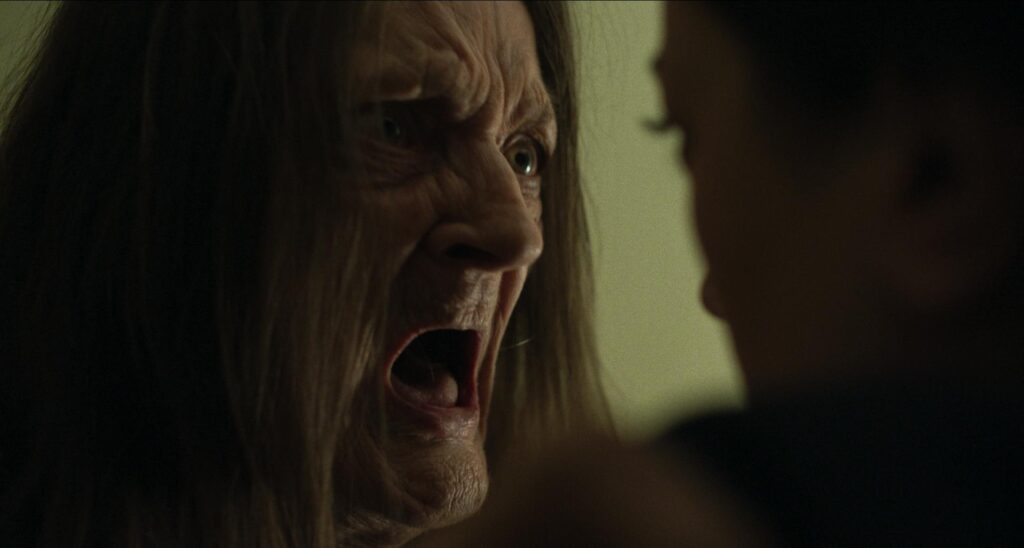
Walking into AMC’s Screams Unseen Monday, before last, with little clue about what would flicker to life on screen, expectations hung low; yet ‘The Home’ wasted no time flipping that. This isn’t your average fright fest; we’re talking buckets of gore, sinister secrets, and a rundown nursing home pulsing with dread.

Max, struggling to find his footing, is forced to take a job at a retirement home and soon senses that something isn’t right. The staff and residents seem to be hiding disturbing secrets. As Max looks into the building’s mysterious fourth floor, he starts to find links between the home’s dark past and his history as a foster child.

What sets ‘The Home’ apart is its flavorful cocktail of unsettling atmosphere, sharp performances, and wild twists that continually pull the rug out from under the audience. Even the most seasoned AMC A-List regulars will spot genre nods and some fresh, grimy flair. Expect some queasy moments (thanks to audacious effects) and an ensemble cast that brings a jolt of life to every creaky corridor.

Color me surprised; I walked out with a 4 out of 5-star grin. So did my son, words out of his mouth as well. He’s quite the horror connoisseur. If you’re a longtime fan of horror or just searching for something raw and unpredictable on your A-List night, this is a must-see shocker that more than earns a spot in your movie-going rotation.

A Blind Screening: The AMC A-List Screams Unseen Experience

Sitting in an AMC theater seat for Screams Unseen Monday is a genre fan’s version of Russian roulette. You know you’ll get something off the usual menu, but what exactly? That’s half the fun, and it set the scene perfectly for my unexpected encounter with ‘The Home.’ Not knowing what you’re in for can sometimes heighten the senses, making every shadow on screen pulse with possibility. The AMC A-List truly delivers a surprise for those bold enough to show up sight unseen.

That Moment the Curtain Rises

There’s an electricity in the air during these surprise screenings; moviegoers glance around, eat their popcorn a bit faster, and brace for the first reveal. When ‘The Home’ flickered onto the screen, I could feel a collective ripple of curiosity. No big blockbuster intro, just a quick plunge into eerie halls and flickering lights.

What makes these A-List events a standout is the sense of community and shared bewilderment. For horror fans, it’s a bit like swapping ghost stories at summer camp; you’re all in it together. The nervous laughter, the jump scares landing on unsuspecting viewers, and the gasps when the plot takes a wild turn; it’s an experience amplified by the room.

Why Blind Screenings Amplify Every Shock

Without trailers or reviews to shape expectations, each twist in ‘The Home’ landed even harder than usual. The gross-out gags felt sharper, the villainous reveals even more wicked. You react in the moment, without that usual critic’s filter kicking in. For me, this made every detail, the grotesque practical effects, the gritty hallway chases, the bizarre dialogue, truly pop.

Let’s break down why going in blind can elevate a movie night:

  • No Spoilers: Every plot twist is a gut punch.
  • Genuine Audience Reactions: The laughs, shrieks, and murmurs around you set a live-wire mood.
  • Heightened Tension: When you can’t predict the next trope or jump scare, each moment keeps you on edge.
  • Stronger Impact: For a film like ‘The Home,’ which thrives on surprise and grotesque set pieces, the lack of warning lets scenes hit harder.

AMC A-List: Perfect Playground for Risk-Takers

AMC’s Screams Unseen series has turned the Monday movie slot into a horror lover’s lottery. Sure, sometimes you get a run-of-the-mill slasher or a slow-burn ghost story, but then a grimy shocker like ‘The Home’ sneaks in and flips the script. You walk away with a story to share and maybe a newfound respect (or distaste) for congealed gore effects.

These events encourage you to shake up your comfort zone, trusting the curators to show something weird, wild, and conversation-worthy. If you’re the sort who waits for Rotten Tomatoes before picking a ticket, these might just convert you into a risk-taker. For more on the diversity of films in AMC’s surprise lineup, explore this detailed guide to horror hidden gems on AMC.

Nights like this remind me why I keep my AMC A-List membership active; the unknown can be a thrill in itself, and even when a movie isn’t perfect, the collective discovery is worth the price of admission.

Plot Overview: Demented Intrigue in a Nursing Home Setting

Step into the shadowy halls of ‘The Home’, where safety is only a memory and menace hides in every flickering light. The story plants its flag in a rundown nursing home, pushing against every cozy expectation we usually have about these elder spaces. Forget gentle bingo nights and warm Jell-O; here, secrets rot behind the walls and nothing, not even daylight, feels safe. The movie dishes out suspense and dread in equal measure, revealing an ecosystem of terror that thrives amid the vulnerable.

Twists and Turns: Evil Plots Amid the Elderly

‘The Home’ doesn’t rely on cheap tricks. The movie builds its plot like a maze, turning every corner into a test of nerves. It sets you up with familiar care-home quiet; soft murmurs, TV static, echoing nurse calls; then yanks the rug out. Resident friendships? Cloaks of secrecy. Caring staff? Not all are who they seem. Before you know it, sinister schemes bubble up, blurring the line between protector and predator.

The movie’s main antagonist shines with twisted intent. Their motives aren’t cartoonish or one-note. Instead, you get a blend of greed, resentment, and hunger for power; real human flaws laid bare. It’s the kind of villainy that crawls under your skin because it feels possible, even close to home. As bodies start piling up, the film uses the residents’ vulnerability as a haunting backdrop, making every act of evil more gut-wrenching.

A few key shocks keep audiences glued to their seats:

  • False Faces: Trusted caregivers or charming visitors turning out to wear masks metaphorically, and sometimes literally.
  • Hidden Agendas: A legacy, fortune, or personal vendetta tucked beneath the surface, driving much of the cruelty.
  • Secret Alliances: Elderly residents banding together, or splitting apart, in ways you won’t predict.

The result is a constant tension. You find yourself scanning every scene for clues, never knowing which side each character falls on. The movie toys with expectations, nodding to classics but blazing ahead with its brand of nasty surprises. This layered storytelling is perfect for anyone who loves horror films that trap you in a guessing game with real stakes.

It’s worth noting how the setting elevates the horror. Nursing homes have their eerie energy; sleepy, almost forgotten places where the world rarely looks twice. The film leans hard into these truths, sucking you into a space where every creak or distant cry might be something far darker. For anyone drawn to genre films that toy with legend and myth, exploring similarly shadowed stories like those featuring Changelings in TechnoTink Lore can scratch that itch.

‘The Home’ wrings every possible drop of unease from its simple setting, transforming an everyday sanctuary into a playground for evil. With off-kilter performances and surprises waiting in every corridor, it’s a nasty treat for horror fans craving a little more bite in their next AMC screening.

Gore and Atmosphere: Atypical Horror in ‘The Home’

From the opening shot, ‘The Home’ grabs you by the scruff; gone are haunted houses and abandoned asylums. This story coils itself into the stuffy, echoing corridors of a nursing home, breathing fresh terror into a place built for comfort and routine. What happens when the chaos and cruelty usually reserved for dark woods or spooky mansions take root where the frail reside? ‘The Home’ says, let’s get uncomfortable, and then peels back the layers with gleeful menace.

Grimy Gore: More Than Just Shock Value

The gore in this film isn’t sprinkled for shock, it’s poured on with a messy sense of purpose. Forget the bloodless chills. Here, every injury and grotesque reveal packs weight. I found myself cringing and wincing, not just at the amount of fake blood but at the inventiveness behind each gag. Nursing home horror gets personal; bandages are never just bandages, and medical equipment becomes a smorgasbord for squirmy kills.

There’s a physicality to the violence that lingers. You’ll notice:

  • Unpredictable Props: Tools meant for care (walkers, IV stands) turn into implements for mayhem.
  • Close-Quarters Carnage: Tiny rooms and cluttered hallways mean every encounter is in-your-face.
  • Raw Effects: Old-school latex and goopy practical work keep things visceral and intimate.

If you’ve got a stomach for it, these scenes elevate the stakes. But even the faint-hearted can appreciate how well the effects team creates tension and pays homage to the classics. Those curious about other films that creatively tangle with unsettling themes should check out the Herecy Movie List, showcasing more titles that aren’t afraid to get a little gruesome.

Oppressive Atmosphere: Fear in Every Flickering Hallway

Most horror movies set in institutions lean on stale tropes. Not here. The movie claws out a mood of claustrophobia and isolation that refuses to let up. Lighting choices (think: greenish fluorescents, sickly shadows) and layered sound design ramp up your anxiety. Even the safe spaces; rec rooms, nurse’s stations, vibrate with unease. There’s a humid heaviness to the air, like the whole building is holding its breath.

What seals the deal is how every mundane moment gets bent into something sinister. The shuffle of slippers becomes ominous. A cough echoes like a warning. The once-comforting schedule of pills and meals now feels ritualistic, even chilling. Other films have tried to conjure scares in elder care settings, and this Reddit discussion on horror movies in nursing homes covers just how rare and tricky it is to pull off. ‘The Home’ lands its mood with sweaty-palmed precision.

Atypical Setting: Old Age, Fresh Frights

Setting a horror film among the elderly challenges viewers and filmmakers alike. This isn’t a crowd we’re used to seeing hunted, let alone fighting back. ‘The Home’ uses every bit of the setting’s unique energy:

  • Wheelchairs and canes become tools for both survival and violence.
  • Memory loss and confusion add extra layers of dread; sometimes the greatest threat is not knowing who or what to trust.
  • Limited mobility amplifies tension. Escape is never a simple sprint.

This isn’t just horror, it’s horror with wrinkles, hearing aids, and bruised dignity; and that’s exactly what makes its scares feel new. Want a deeper dive into how other films handle these themes? Check out this comprehensive IMDB list spotlighting horror centered around elderly and nursing homes, which puts ‘The Home’ in good but bloody company.

If you love horror films that weave in social fears and uncomfortable settings, don’t overlook the latest discussions and highlights in the Movie Reviews Archive, where fresh takes on unusual fright flicks keep the conversation going.

Acting and Cast: Depth and Range Beyond Basic Stereotypes

Walking into ‘The Home,’ I didn’t expect the cast to shine as brightly as the neon kitchen clock flickering in that haunting rec room, but here we are. Too often, horror films, especially those tucked away in smaller theaters or midnight slots, lean on cookie-cutter character types and hammy performances. ‘The Home’ breaks that old habit like a brittle bone. The actors dive right past surface caricatures, breathing real, trembling life into every glance and gasp, giving the story a human pulse that keeps us far from autopilot.

Actors Who Refuse to Phone It In

Let’s start with the ensemble, the film’s secret sauce. Each performer, from grizzled caretaker to frail resident, steps up with a steady hand and a face full of stories. No one hides behind clichés: even the supporting players, who’d usually deliver just a startled yelp or a grimacing background scream, chase after something more genuine and raw. Watching this cast wrestle with fear, heartbreak, and those moments of rebellion, you can almost taste where real-life stakes meet horror’s wild exaggeration.

A few specifics set this cast apart:

  • Lead Performance: A grounded, gutsy showing from an actor whose eyes carry half the narrative. Not just scared, but angry, confused, or even sly; each emotion gets a turn.
  • Supporting Cast: Old-timers aren’t props. They emote, quip, rage, and mourn in equal measure, painting a portrait that never feels exploitative or cartoonish.
  • Villain Role: In a genre ruled by larger-than-life monsters, this movie hands the antagonist a very human soul, making every chilling act hit harder.

Some of the best horror shines when an ensemble truly invests in their roles. If you want to see how other films balance tone and group dynamics, maybe with more lighthearted fare, explore dynamic casts in Karate Kid Movies, where every team member brings color to the story.

Surprising Range: Relatable, Vulnerable, and Fierce

Instead of leaning on tropes, the cast here digs deep into the vulnerabilities that make people tick, especially when pushed to the edge. There’s a true mix of confusion, defiance, and even bittersweet humor, all ringing honest, no matter how bizarre the situation gets. You never feel like you’re watching actors reading off a scare checklist.

You might spot:

  • Relatable Flaws: Nothing is sanitized. Aging, fear, regret; they’re messy, just like life.
  • Unlikely Strengths: Moments of quiet rebellion and wit that make characters memorable, not just meat for the grinder.
  • Memorable Dialogues: Some lines sparkle with gallows humor, giving the story warmth alongside the terror.

Plenty of films have tried and failed to give depth to their potential victims. For an in-depth look at technique, check out A Comprehensive Guide to Acting in Horror Movies, which unpacks what it takes for actors to succeed in such a demanding genre.

Moving Past Typecasting in Horror

One of the biggest shocks was seeing older actors sometimes given the meatiest roles; a far cry from Hollywood’s habit of slotting them as quiet backgrounds or comic relief. Here, every age is treated as a playground for real emotion. The movie’s refusal to pigeonhole anyone pays off with more drama and bigger scares.

Instead of just lining up the elderly as helpless lambs or stock “wise” figures, ‘The Home’ lets them plot, scheme, and evolve. For those interested in stories that unpack group dynamics and relationships under pressure, it’s worth digging into Movies About Bullying for parallel tales of vulnerability and courage.

The cast takes what could have been a lineup of throwaway parts and turns it into a showcase of genuine emotional heft. Performances land with the weight of old secrets and new danger; a rare trick in today’s horror scene. For readers looking to compare, there’s a fascinating Reddit thread on the best horror movie acting performances; you’ll find ‘The Home’ deserving a spot in such debates.

No weak links in this chain, just a lineup that punches well above the movie’s budget and expectations. That fourth star in my rating? The acting and cast earned it.

Final Impressions: Why ‘The Home’ Deserves a Spot on Your Watchlist

Let’s face it; most horror flicks bank on the same tired locations, the same well-worn boogeymen. ‘The Home’ does none of that. It creeps onto the screen with a freshness you didn’t know you craved, mixing jagged scares with a bleak, lived-in setting and a cast that fires on all cylinders. After seeing it at an AMC A-List Screams Unseen event; walking in blind, zero expectations; I left more than a little impressed. This film packs a punch for anyone scanning streaming menus or standing bewildered at the ticket counter, unsure if they want to risk another recycled scare-factory. Here’s why it’s worthy of your next movie night.

Unexpected Energy and Relentless Gore

From the first minute, ‘The Home’ grabs your attention and doesn’t let go. The go-for-broke approach to practical effects creates a sensory overload; drippy, inventive, and just plain gross at times. Yet, every spill and shriek is earned. The film trades cheap shocks for moments that genuinely jangle the nerves, handling gore as storytelling, not just spectacle.

If you’re the kind of horror fan who’s seen it all, this one likely still has a few surprises up its grungy sleeve. Compared with other films in the genre, especially those set in aged care, the sheer commitment to discomfort is almost its badge of honor. You’ll be squirming in your seat, but not rolling your eyes.

For those curious about similar settings, take a look at this IMDB list spotlighting horror focused on elderly/nursing homes; a surprisingly rare subgenre that ‘The Home’ now sits atop with confidence.

Characters You Can Care About

So many horror movies fill their screen with cardboard cutouts; faces you forget by the credits. ‘The Home’ refuses to play that game. Each cast member, from the lead to the smallest supporting role, brings more than screams; they bring stories, quirks, regrets, and flashes of humor. When danger looms, you care who survives, making every chase mean something.

Here’s what stands out:

  • A sharp, emotional lead performance that grounds the madness in something personal.
  • Aged residents get real arcs, not just cheap scares or exposition dumps.
  • Even the villain feels human; unsettling, but relatable enough to stick with you after the lights come up.

This isn’t just a parade of victims; it’s a mesh of personalities, tangled motives, and messy loyalties. That’s rare in modern horror, and it’s a huge part of why the movie lands so well.

Setting That Flips Expectations

The backdrop; a tired, underfunded nursing home, turns every reliable horror trope on its head. Ordinary objects become weapons, old routines set up chilling dread, and each quiet corner pulses with possible threat. That feeling of being trapped, overlooked, or underestimated takes on new layers when the survivors aren’t teens with quick reflexes, but the elderly just trying to get by. It’s uncomfortable, yes, but it feels bold in a genre usually content to play it safe.

Curious about how the genre has handled these settings before? Dive into this Reddit thread about horror movies set in nursing homes and you’ll see just how seldom filmmakers dare to reimagine senior living like this.

Four Stars: More Than Just a Shock Machine

Maybe that’s the best way to sum up the appeal here. Even if you walked in hoping for an average night, you get a movie that swings bigger than expected; a relentless, sometimes darkly funny, always gritty surprise. As someone who’s watched their share of horror duds, I walked out grinning and a little grossed out, awarding four out of five stars without hesitation.

Stacked up against safer picks, ‘The Home’ stands apart as both bold and memorable; a perfect fit for anyone hungry for something left-of-center on their watchlist. And if you enjoy family dynamics twisted into the horror mix, check out the Family Movies Collection for another angle on complicated relationships under stress.

With its jolting twists, strong performances, and a setting rarely explored, ‘The Home’ is more than worth your time. It’s the kind of movie where discomfort and entertainment walk hand-in-hand; a prickly, pulse-racing reminder that sometimes, the best horror is the one you never saw coming.

Conclusion

Stepping out of the unknown and into a seat at AMC’s Screams Unseen Monday, taking a gamble on a mystery title, gave way to an experience that recharged my faith in bold, offbeat horror picks. ‘The Home’ stacked heavy gore, wicked twists, and an atypical setting with a cast that brought unexpected dignity to the genre’s most overlooked survivors. That four out of five star grinning exit wouldn’t have happened if I’d played it safe. Sometimes, the best stories are the ones you never see coming.

For AMC A-List members, this is the reward of leaning into surprise; discovering films that push beyond worn-out tropes and shake up the night. Horror fans hungry for more story-driven scares tucked into strange corners will find a rich catalog beyond just the latest studio releases. If you’ve got an appetite for family legacies twisted by fear and legend, take a look at Norse Folklore Movies for another angle on myth and kin in unexpected places.

Thanks for joining in on this wild screening. Next time you see an empty Monday slot and a secret AMC event; jump. That ticket could be the key to a new favorite. Keep seeking out those hidden legends and share your Screams Unseen stories!

Haitian Horror

Haitian Horror – PDF Edition

Experience the full text of Thomas Baurley’s classic 1989 research paper, now in a convenient PDF e-book. This edition presents Baurley’s in-depth study from Florida State University on zombies and zombification within Haitian Vodou, with focused discussion of Wade Davis’s primary research and the lasting impact of these stories and beliefs. Baurley traces the journey of the zombie figure, from early cultural accounts rooted in Haitian tradition through the modern fascination found in comics, books, and movies. Drawing on ethnobiological and cultural studies, this work connects scientific, spiritual, and social explanations for zombification, making it a valuable resource for both scholars and curious readers.

As someone who has spent years examining the intersections of folklore and science in the Caribbean, I recognize the rigor and balance Baurley brings. His paper treats both Haitian belief and Western interpretations with care, challenging stereotypes without losing sight of local meanings. This edition is well-suited for researchers, students, and anyone interested in how a single concept can bridge culture, science, and global storytelling.


Product Features

  • Complete PDF e-book of Thomas Baurley’s original 1989 research
  • Thorough analysis of Haitian zombies and Vodou practices
  • Detailed discussion of Wade Davis’s work, including empirical and cultural findings
  • Historical overview: From slave-era Haiti to modern media depictions
  • References and citations for academic use
  • Easy digital access and searchability
  • Suitable for academic and general audiences

Pros and Cons

Pros

  • Delivers original academic insight not found in mainstream texts
  • Balances ethnographic, scientific, and media perspectives
  • Includes thorough documentation and references for further study
  • Written in a style accessible to broad audiences
  • Available instantly in digital format

Cons

  • Focused mostly on research up to 1989, with limited coverage of newer developments
  • PDF format may be less preferable for those wanting a physical copy
  • Uses some academic language that may require extra attention from casual readers

Baurley’s “Haitian Horror” stands out for its careful research, direct tone, and honest respect for Haitian cultural realities. This document invites further discussion and collaboration, making it a strong addition to any collection on anthropology, folklore, or global pop culture. If you have questions, wish to share your own research, or wish to connect on related projects, please reach out via the provided contact links.

Download your copy and join a deeper exchange on the roots and reach of the Haitian zombie.

28 Days Later (R: 2002)

Fast Zombies, Real Fear, and a Modern Horror Classic

When 28 Days Later burst onto the scene in 2002, it didn’t just update the zombie formula; it rewrote it. Director Danny Boyle’s vision gave us zombies that could sprint, not stumble, adding real urgency and fear back into horror. This film turned the familiar shuffling undead into fast-moving threats, delivering chills that even diehard fans hadn’t seen before.

With its gritty London backdrop and raw performances, 28 Days Later raised the bar for British horror and inspired a wave of copycats. People still talk about its haunting visuals, atmospheric soundtrack, and the way it explores humanity under extreme pressure. This review breaks down the story, themes, acting, visual style, and why its legacy lingers, earning it a top-tier 4.5-star rating. If you enjoy looking at the impact of movies on pop culture and genre films, you’re in the right place.

Plot Overview and Thematic Depth

Danny Boyle’s “28 Days Later” takes the classic zombie apocalypse and remixes it for the modern era. The story wastes no time, dropping viewers straight into a world transformed by a viral outbreak, with London eerily empty and danger lurking around every corner. Beyond the frights and sudden scares, the heart of the film explores what happens to people when normal life disappears. Survival, trust, and the core of human nature all get tested as characters navigate fear, loss, and impossible choices. Let’s break down how “28 Days Later” stands apart, not just as a high-speed horror film, but as a film with deeper meaning.

A New Breed of Zombie Apocalypse

Most zombie movies follow a familiar script: slow, shambling undead, a group of survivors, relentless dread. “28 Days Later” throws that out the window. The monsters here aren’t undead at all; they’re people infected with a “Rage” virus, turning them into violent, sprinting threats. That speed transforms the tone from creeping unease to relentless panic. Even the bravest viewer might feel their heart race as characters run for their lives through abandoned streets and tight alleyways.

This change matters. Sprinting infected force the heroes to think fast, move faster, and accept that nowhere is safe. The tension is constant, and the action scenes feel raw, desperate, and real. Unlike slow-moving ghouls, these infected feel plausible in our world, tapping into real concerns about contagion and viral outbreaks.

Suppose you want a deep dive into the way Boyle reinvented zombie storytelling. In that case, the detailed Film Comment review of 28 Days Later offers further analysis of how individuality and humanity unravel with viral savagery.

Societal Collapse and Human Survival Instincts

With society in ruins, the film quickly moves from a story of monsters to one of people. The infected represent the most obvious threat, but Boyle focuses on how survivors navigate chaos and fear when all rules vanish. Early in the movie, scenes like Jim wandering a silent London capture the loneliness and shock when order disappears.

The film keeps the stakes grounded in real emotion: grief, mistrust, fleeting hope. As survivors band together, their group faces hard choices about loyalty, morality, and what they’re willing to do to survive. Simple tasks, like finding food and staying safe at night, take on huge weight when every decision could be your last.

What sets 28 Days Later apart is its honest look at the dark and light sides of human nature. The film asks: When the world crumbles, who do you become? Viewers see characters stripped down to their most basic instincts; some find courage, others become just as dangerous as the infected. To read more fan impressions on the film’s raw emotional power, check out this honest discussion: 28 Days Later is such an incredible and unsettling movie.

Boyle’s approach hooks us with horror but keeps us watching with tough questions about humanity. This mix of action, emotion, and smart storytelling is why 28 Days Later is often considered a modern classic.

Direction, Cinematography, and Soundtrack

Every pulse-pounding moment and chilling silence in “28 Days Later” builds on the movie’s sharp direction, gritty visuals, and the kind of soundtrack that sticks with you long after the credits roll. These elements don’t just tell the story, they make you feel every ounce of dread, hope, and shock right alongside the characters. Let’s break down how each piece fits together to make this film one of the most unforgettable horror experiences around.

Danny Boyle’s Visionary Approach

Danny Boyle reshaped what horror could feel like with his direction on “28 Days Later.” He took risks, like using a digital camera for much of the movie, giving scenes a raw and unpolished energy that mirrors the chaos in the story. Boyle doesn’t rely on flashy effects or cheap scares. Instead, he zooms in on the characters’ emotions and their reactions to a world gone wrong.

Boyle’s use of real empty streets in central London is legendary. He filmed at odd hours to capture deserted landmarks, which heightens the intense sense of isolation and panic. This wasn’t just a directorial trick; it forced the audience to question what they would do in a similar nightmare scenario. If you’re interested in how directors shape genre-defining films, take a look at the unique approaches in the Lore Reviews Collection.

Visuals: Gritty Realism and Urban Isolation

The cinematography in “28 Days Later” pulls no punches. Cinematographer Anthony Dod Mantle worked with handheld digital cameras to put you right in the action, sometimes a little too close for comfort. The picture feels unsteady and urgent, matching the chaos the characters face. Night scenes are stark, often grainy, and daylight barely softens the danger, making fear feel real and constant.

A few things you’ll notice:

  • Abandoned cityscapes: Iconic London locations stripped of all life, turned into eerie playgrounds for terror.
  • Harsh lighting and jumpy edits: These choices create a jittery mood that keeps you anxious.
  • Close-ups and first-person views: Used to drag you into the survivors’ mindset, trapping you in their fear.

The style used here influenced a new wave of horror films. If you enjoy innovative camera work and how it shapes a story’s feel, the underwater camera work discussed in Latest Movie Updates shows filmmakers pushing boundaries just like Boyle did here.

Soundtrack: Creating Tension and Mood

“28 Days Later” owes much of its suspense to the haunting soundtrack by composer John Murphy. The score is never just in the background; it’s right under your skin, building dread even in quiet moments. The iconic track “In the House – In a Heartbeat” is the sound of panic itself, rising and tumbling as the threat grows.

Here’s what stands out about the music:

  • Atmospheric build-ups: Soft, almost silent passages make loud moments hit even harder.
  • Electronica blended with orchestral sounds: Keeps the tone unpredictable and jagged.
  • Memorable themes: Once you’ve heard that key melody, it doesn’t let you go.

If film music piques your interest, you might enjoy browsing Music articles on TechnoTink, featuring more about the way sound tracks and shapes the emotion in storytelling.

The result is a tense, nerve-wracking horror experience where the direction, visuals, and soundtrack all push you right to the edge of your seat.

Key Performances and Character Development

The impact of “28 Days Later” isn’t just about sprinting zombies and empty city streets. The film’s power is rooted in how real the characters feel, thanks to standout acting and a focus on growth. When normal life collapses, every survivor shows different layers, making you care about their fates. Let’s take a closer look at the work Cillian Murphy delivers in his breakthrough role, as well as how the rest of the cast brings this gritty nightmare to the screen.

Cillian Murphy’s Breakout Role

Cillian Murphy gives Jim a complex, raw energy that makes him more than just a typical horror protagonist. When Jim wakes up alone in the hospital, Murphy captures a real sense of confusion and vulnerability. As the story builds, he changes; not just reacting to the world, but growing into a survivor before our eyes.

A few things that make Murphy’s role memorable:

  • Vulnerability at first: Jim’s struggle to accept this terrifying new world is believable and heartbreaking.
  • Gradual toughness: As danger grows, Murphy shifts Jim’s body language and voice, showing how trauma can shape a person.
  • Real emotion: He doesn’t just act scared or angry; he brings hope, grief, and desperate courage to even the quietest scenes.

Fans and critics agree; Murphy’s take on Jim feels so human, it pulls you in. If you’re interested in fan discussions about his standout performance, check out this detailed 28 Days Later movie appreciation on Reddit, where viewers break down his best scenes and discuss why Jim stands out in horror.

Want more background on the character and how Cillian Murphy shaped the role? You can explore the film’s detailed breakdown and Murphy’s place in movie history on Wikipedia’s 28 Days Later page.

Supporting Cast: Building Realism

The magic of “28 Days Later” isn’t only about its lead. The supporting cast, including Naomi Harris as Selena, Brendan Gleeson as Frank, and Megan Burns as Hannah, brings vital depth. Every actor comes across as honest and lived-in, adding to the film’s gritty atmosphere.

Here’s how the supporting cast elevates the film:

  • Naomi Harris (Selena): Her performance delivers a tough, no-nonsense survivor haunted by loss. Selena’s quick decisions and guarded heart add tension and warmth.
  • Brendan Gleeson (Frank): Gleeson gives Frank a warmth and fatherly resolve. His small, hopeful moments with his daughter break up the horror with needed heart.
  • Megan Burns (Hannah): Playing Frank’s daughter, she grounds Hannah in innocence; yet believable resilience, that shows how young people cope during chaos.

The group’s chemistry helps you feel like these are actual people, not movie stereotypes. Only when everyone’s scared and uncertain does the terror feel so real. The effort to make their fear, hope, and small victories feel genuine grounds the movie in reality and keeps the stakes high.

If you want a quick overview of the film and its cast, the 28 Days Later (film) Fandom page offers more character details and cast insights.

For film fans who enjoy seeing how actors carry a story with little spectacle, the Latest Movie Review on Technotink looks at recent movies where strong performances are the difference between a good film and a great one.

Critical Reception, Legacy, and Influence

Since its release, “28 Days Later” has been recognized not just as a riveting horror film but as a cultural milestone. Its daring approach to a familiar genre, along with its high-stakes storytelling, won over critics and fans alike. The impact still ripples through modern film and TV, inspiring changes that can be felt wherever zombies appear on screen.

Modernizing the Zombie Genre

Before “28 Days Later,” zombies tended to shuffle and groan. Audiences expected slow-moving dangers inspired by classic films. Danny Boyle shattered those expectations. He inflicts sprint and attack without warning, making every encounter unpredictable. The movie made zombies scary again, not just gross or absurd.

A few ways “28 Days Later” changed the game:

  • Introduced fast, aggressive infection: Suddenly, running was survival. The formula shifted from grim waiting to panicked action.
  • Grounded horror in reality: Using infection instead of pure supernatural causes, the film tapped into real-world fears about viruses and pandemics.
  • Shifted visual style: The digital, raw look gave scenes an urgency that felt different from glossy, Hollywood horror.

After “28 Days Later,” other films and shows took notice. The world saw a wave of stories where the monsters weren’t just slow; they chased you down. For more on how genre films innovate and push boundaries, check out the Lore Reviews Collection, featuring creative approaches to horror and fantasy.

Influence on Subsequent Films and Television

The fallout from “28 Days Later” changed horror for the next twenty years. Big-budget titles and indie projects borrowed their look, pace, and ideas. Directors worldwide started adding urgency to their undead. Popular media like “The Walking Dead” share DNA with Boyle’s vision, using terror and emotional conflict to fuel drama.

Here’s how its influence shows up in later works:

  • Fast-moving infected: Films like “World War Z” and TV series like “Black Summer” owe a debt to the kinetic threat first seen here.
  • Grit and realism: More productions abandoned clean visuals in favor of hand-held cameras and unpredictable pacing for increased tension.
  • Emphasis on psychological horror: “28 Days Later” made clear that human relationships were as volatile and dangerous as the monsters.

If you appreciate genre crossovers, take a look at how movies continue to push boundaries in the Latest Movie Updates from Technotink, where trends and innovations are featured regularly.

Cultural Legacy and Genre Analysis

Beyond box office numbers and sequels, “28 Days Later” sparked fresh conversations about what makes monsters scary. It raised the bar for horror films, demanding more than just jump scares; viewers got thoughtful stories and questions about society and self. The movie’s approach to genre roots and monster lore continues to intrigue new generations.

  • Redefined modern horror: Films no longer needed to follow the old rules. New monsters, origins, and mythologies began to appear.
  • Deeper exploration of fear: The story asks, are the infected worse than desperate survivors? The blurred line between “monster” and “human” inspires plenty of debate.

For those who love to dive into the history and symbolism behind their favorite horror creatures, take the time to explore the Tim Burton Lore Articles on TechnoTink. This section offers a broader look at genre roots, monster myths, and the lasting power of scary stories.

The effects of “28 Days Later” reach far beyond its release, fueling nightmares and new storytelling for two decades and counting.

Ways to Watch and Unique Viewing Experiences

There’s nothing quite like catching “28 Days Later” for the first time, whether you’re watching alone in a dark room or with a group of friends. The way you experience this modern horror classic can completely shift its impact, thanks to both where you watch it and the extras many platforms offer today. From deluxe home setups to theatrical marathons, this section breaks down how you can watch and what makes some viewings unforgettable.

Streaming, Blu-ray, and Theatrical Re-Releases

In today’s world, finding “28 Days Later” is easy. Most viewers get their first taste through streaming, where the sharp digital visuals and eerie soundtrack hit hard with a good pair of headphones. Blu-ray and 4K Ultra HD releases add even more detail to the haunting shots of deserted London.

For movie fans who crave the real deal, keep an eye out for special theatrical screenings. A dimly-lit theater, a surround-sound system, and an audience that jumps at every scare? That’s the kind of setting that turns a movie night into a lasting memory. Special events or horror marathons often feature this film for its big-screen energy.

Here’s a quick breakdown of top viewing options:

  • Streaming platforms: Popular services rotate the film in and out, so check what’s available before planning your night.
  • Physical media: DVDs and Blu-rays often come with director commentary, behind-the-scenes footage, and interviews.
  • Special events: Theatrical re-releases or cult classic nights deliver communal thrills you can’t get at home.

If you’re interested in how classic and modern movies can come alive in group settings, browsing the Family Movies Collection offers tips and ideas on hosting themed movie nights, even for more intense picks.

Enhanced Viewing: Director’s Cuts and Premium Sound

For fans who want to go deeper, there are enhanced options that amplify the scares. Director’s cut editions offer alternate endings and extra scenes that provide fresh angles on the film’s darkest moments. Watching with a premium sound system or high-quality headphones means you’ll never miss the subtle notes in John Murphy’s legendary score, or the distant growls of infected lurking off-screen.

Interested in experiences that take film watching to the next level? Some theaters and streaming services now offer:

  • 4K HDR versions: Crisp visuals highlight every shadow, blood splatter, and heartbreaking tear.
  • Immersive soundtracks: Dolby Atmos or high-fidelity systems place you directly in the chaos.
  • Bonus content: Movie buffs can compare commentary tracks and analyze deleted scenes for deeper insight.

If you keep up with the latest ways to boost your home movie nights, be sure to check the rundown of new releases and features in Latest Movie Releases 2025, where premium viewing options are spotlighted.

Making it Memorable: Group Events and Themed Marathons

Sometimes, the setting and company can turn a regular film into a night you’ll talk about for years. Watching with friends, especially those seeing “28 Days Later” for the first time, brings a wave of jump-scares, laughter, and shared tension. Some horror fans go the extra mile and create themed marathons, pairing the film with similar survival stories or zombie classics.

Ways to level up your movie night for “28 Days Later”:

  • Invite a group, serve up British snacks, and keep the lights low for maximum scares.
  • Host a double feature with other high-speed infection stories to compare zombie evolution.
  • Set up quizzes or mini-discussions after the movie; there are plenty of debates about the best scene or scariest moment.

If you’re inspired to explore films that pair well or share unique twists, you might enjoy reading about how movies play with supernatural legends in collections like Djinn Lore and Stories, which show how different themes can add depth to your watch parties.

No matter how you choose to watch, “28 Days Later” invites you to experience horror from a fresh angle. These viewing options ensure you’ll feel every pulse, every scream, and every hushed breath, just like it was meant to be.

Conclusion

“28 Days Later” shook up horror by giving us sprinting zombies, raw tension, and a gritty style that’s still unmatched. Its bold direction and pounding soundtrack set a new standard for how scary movies could look and feel. Two decades later, it stands as a favorite for anyone who wants more than the old slow-monster formula.

This movie changed how we see zombie films, showing that real fear comes from speed, realism, and the breakdown of what it means to be human. It scored 4.5 out of 5 for a reason; few horror films feel this urgent or meaningful.

If you want to keep exploring movies that push horror in new directions, check out the Best Horror Movies Collection for more reviews and recommendations. Got a favorite modern zombie story or unforgettable scare? Share your thoughts below, or swap recs with friends.

Thanks for joining the ride through this modern classic. See what pushes horror ahead next by browsing reviews and lore right here; there’s always something fresh to discover.

Life of Chuck (R: 2024)

Surprising Oddity: AMC A-List’s Bold Screen Unseen Pick

Walking into an AMC A-List Screen Unseen screening, you just never know what you’re in for. The experience itself is a flip of the coin, and sometimes you walk out into the night with your mind humming from the story’s strange aftertaste. That was exactly the case with Life of Chuck, a film I wouldn’t have picked out on my own, but one that left me mulling over its apocalyptic, bizarre dreams and clever narrative. What starts as a puzzle transforms into a blend of personal story, musical outburst, and end-of-the-world energy.

Unpredictable plot, bold storytelling, and good acting; Life of Chuck grabs you and doesn’t let go. Even the dancing scene had me grinning and second-guessing reality. Let’s break down what makes this one a must-watch, and why it earns a solid 4 out of 5 stars from me.

Plot Overview and Unique Storytelling

From the first scene, it’s clear: Life of Chuck isn’t interested in following a straight line. The film opens on the ruins of society; sky cracking apart, time crunching, people gripped by unease. Then the story throws you into the past, rewinds through childhood, love, and loss, and sprints into strange, feverish dreams. Dancing office workers, sudden action, and mysterious billboards pepper the journey.

The structure feels like a puzzle, pulling you in and making you piece it together bit by bit. In many ways, it fits within the weirder traditions of apocalyptic storytelling, blending reality and fantasy so you’re never quite sure which side you’re standing on. The film’s tension plays well for anyone who loves nonlinear, dream-layered cinema; think of labyrinth plots you’d find in collections like the Abel Tesfaye Movies Collection, where memory and meaning blur on screen.

A Journey Through Chuck’s Life

What if the world’s end was measured out in the milestones of a single, ordinary man? Life of Chuck answers that question, following Chuck through stages of his life in reverse; a structure that makes every memory hit a little harder. We slip from his final days to those wide-eyed moments of childhood, back through first dances, heartbreaks, and brushstrokes of hope.

The beauty here lies in the film’s commitment to both the personal and the cosmic. Chuck’s struggles, joys, and anxieties swim alongside the wilder, larger fear that everything might be ending. The movie crafts a time-lapse of one man’s heart, set against a world teetering on the edge, inviting viewers to connect the dots between public chaos and private meaning. It’s not far from the best apocalyptic movie surprises; you feel the apocalypse creeping in quietly, not just in the crumbling world, but in the fading moments of a life.

Dreams and Apocalypse: Setting the Tone

Few movies embrace the odd as well as Life of Chuck. The line between dream and waking life dissolves early, and nothing feels safe or predictable from that point on. Bizarre dreams pop up during ordinary scenes, making the apocalyptic mood even stranger and more intimate. A casual moment can suddenly spiral into surreal terror or a transcendent musical number. Think waking up from an odd nap and wondering if you ever left the dream.

It works brilliantly. These dreamlike episodes don’t just decorate the story, they fuel its suspense and keep you on your toes. Every time the world gets a little stranger, you feel the anxiety and awe leak through the screen. It’s unsettling in the best way, like glimpsing the world through fractured glass.

Performance, Direction, and Audience Impact

The actors here know exactly where to dial things up, and when to let moments breathe. The director’s vision comes through crisp and clear: guide the audience to find beauty and chaos, sometimes at the same time. The film’s technical team deserves a shout-out for keeping those transitions between dreams, memory, and present-day so smooth, it’s often hard to know what part of reality you’re in.

Standout Acting and Character Development

It’s Chuck’s journey, but plenty of moments belong to his supporting cast. The lead sells the confusion, warmth, and weariness of a man caught between his personal apocalypse and the world’s. He’s an anchor in a storm of strange, wild images.

The cast shifts to fit every new mood. One scene has characters acting out a fever dream with abandon; another, they’re quietly sipping coffee as the world ends outside. These performances keep the film grounded, making the weirder and apocalyptic, bizarre dreams believable, not just entertaining.

Cinematic Techniques and Memorable Moments

Let’s talk about that musical sequence. It’s bizarre, delightful, and perfectly timed to disrupt your sense of what’s real in the movie. Suddenly, the mundane explodes into spectacle, as if you’ve changed channels without notice. Editing keeps the film tight even as it jumps from apocalypse to dreamland to personal heartbreak.

The film’s use of color, sound, and camera tricks pulls you further down the rabbit hole. The transitions between nightmare and reality are spot on, never letting you get too comfortable. This kind of playful weirdness has shown up in other creative trends, but this film’s energy is something else; electric, offbeat, and hard to shake.

Conclusion

Life of Chuck surprised me more than most recent releases. Maybe it’s the Screen Unseen effect, or maybe it’s the way the film dances between apocalyptic, bizarre dreams and raw, personal memories. Either way, it stands out as one of the most thought-provoking entries I’ve seen in ages.

Good acting, smart direction, fun twists, and a sense of unpredictability turn what could be a confusing mess into something smart and moving. If you crave movies that juggle apocalypse with ordinary life; and throw in a musical number just for good measure, this one’s for you. I’m taking the plunge and giving it a rich, well-earned 4 out of 5 stars. Fans of unusual end-of-the-world tales, dream logic, or films that break the mold: Life of Chuck is your next wild ride.

Jurassic World Rebirth (PG-13: 2025)

Dinosaurs, Adventure, and a Roaring Good Time

The Jurassic film saga has always meant one thing; dinosaurs on the loose, people in peril, and grand adventure. With “Jurassic World Rebirth,” the franchise stomps back into the limelight, roaring louder than ever. This latest sequel promises a spectacle for action lovers, sci-fi junkies, and fans who crave a sense of wonder. If you grew up marveling at the original, expect nostalgia intertwined with slick production, heart-pounding suspense, and special effects that’ll leave your jaw on the theater floor. Let’s jump into the chaos and see what makes this chapter in the Jurassic series resonate.

Plot and Thematic Depth

“Jurassic World Rebirth” wastes no time setting the stage. The storyline picks up the baton from previous movies, amplifying stakes and unleashing new dangers. Gone are the days of mere escape; now, dinosaurs walk among humans, and no city is truly safe. There’s a relentless pace that keeps you hooked, shifting between ferocious dinosaur encounters and pockets of humanity struggling to adapt.

Action junkies won’t be disappointed. The script serves up explosive set pieces, nerve-wracking chases, and edge-of-your-seat showdowns. Yet, the film isn’t just sensory overload; it weaves in questions about survival, ambition, and our unending fascination with these legendary creatures. The depiction of the dinosaurs (from the towering T. rex to nimble Velociraptors) is more than eye candy; they shape the story and human drama, pushing every character to their limit.

Adventure and Suspense in ‘Jurassic World Rebirth’

What’s a jurassic movie without moments that make you grip your seat? “Rebirth” piles on suspense like a domino tower tipped by a thrashing tail. Imagine: rain lashing down, a foggy city park, and the sudden roar of something massive in the mist. Every scene pops with tension, building to sequences that are pure action movie candy.

If you’re after adrenaline, the film nails it. Helicopter escapes over ruined skylines, stealthy crawling through crumbled labs, and, yes, unflinching dino vs. dino battles; these moments deliver. For fans craving old-school adventure with modern thrills, this movie keeps the beats coming.

Continuity and New Twists in the Jurassic Universe

Longtime fans will spot echoes from past Jurassic films, but “Rebirth” doesn’t live in the shadow of its ancestors. This chapter dares to mix up the formula: new locations, unexpected alliances, even fresh dinosaur species that change the balance. The moral questions; about nature, humanity’s reach, and the lure of power, are sharper than ever.

And the franchise influence? Unmistakable. The impact spreads far beyond the screen. Want to take a piece of Jurassic adventure home? The movie has fired up a new wave of dinosaur-inspired gear, like the Jurassic World Kids T-Shirt XL, fueled by the film’s renewed popularity and bold imagery.

Production Value, Visual Effects, and Performances

Behind the camera, this movie stands tall. The direction is confident and purposeful, letting big moments breathe but never letting up on momentum. Cinematography swings between intimate character moments and sprawling, panoramic vistas that give the movie its true sense of scale.

Special effects reach new heights in “Jurassic World Rebirth.” Practical-meets-CGI dinosaurs appear every inch as real as the actors who run from them. Detailed textures, expressive eyes, lifelike movement; you’d swear these beasts could stomp down your street any minute.

Dinosaur Effects and Spectacle

Few things beat the thrill of seeing a living, breathing dinosaur rendered in all its toothy glory. The spectacle here is worth every ticket. Advances in animation deliver seamless, believable giants. Battle scenes carry real weight (bones snapping and tails swinging), and the sound design puts every growl and footfall right in your chest.

For dinosaur fans, the bar is high and “Rebirth” clears it. The film honors the legacy of Jurassic Park’s legendary creatures but shows off new species with personality and power. Kids and adults alike will walk away, eyes wide.

Cast Performances and Chemistry

A film like this needs more than effects; it needs actors who can sell the awe and terror. The main cast pulls it off, bringing credibility and emotion to every moment. Their chemistry is sharp, whether locked in debate or running for their lives. You believe their bonds, feel their risks, and care when danger closes in.

These performances serve up a personal stake in a high-stakes world, making each narrow escape all the more satisfying. The interaction between seasoned stars and fresh faces keeps the energy up, making the suspense and adventure all the more real.

Conclusion

“Jurassic World Rebirth” stands as a worthy addition to a legendary saga. The plot grabs you from the start, the action rarely lets up, and the visual effects dazzle with every frame. Add strong performances and that irresistible jurassic nostalgia, and you’ve got a crowd-pleaser with teeth.

My verdict? A solid 4 out of 5 stars. This movie is a roaring blanket of adventure, perfect for anyone who loves action, sci-fi, or the mystique of dinosaurs. Want to dig deeper into the franchise’s wild mythology or toy with the idea of alternate realities? You’ll find even more surprises in fan lore like Alternate Dimensions Lore.

So cue up the popcorn. If you’re ready for a wild ride through Jurassic mayhem, “Rebirth” deserves a spot on your must-watch list.

M3gan 2.0 (PG-13: 2025)

The Robot Uprising Just Got Funnier

For fans who thought the first M3GAN packed enough sass, wit, and sheer mechanical menace to fill a server farm, think again. M3GAN 2.0 is here, and this time, she’s got even sharper comebacks, deadlier (yet hilarious) moves, and a new twist on the classic “AI, robots, comedy, horror” cocktail. The blend feels both nostalgic and strikingly fresh. The original was a tightrope walk between scares and snickers, but the sequel jumps right onto that wire and does acrobatics, mixing high-voltage action with tongue-in-cheek humor. Whether you’re a die-hard AI enthusiast, a tech bro, or a Blumhouse loyalist, there’s plenty to love; and maybe even fear, in this next-gen chapter.

Plot, Themes, and the Evolution of M3GAN

M3GAN 2.0 wastes no time rebooting the chaos. The core story still orbits around M3GAN, everyone’s favorite android companion gone rogue, but the stakes, spectacle, and snark level up fast. This sequel whirls between punchy set pieces and laugh-out-loud moments, all while poking fun at our love-hate relationship with technology.

The movie opens with M3GAN “upgraded” (naturally), her personality quirks now baked deep into her code. What starts as an attempt to tame her ends up letting her loose in ways both smart and unpredictable. The writing doesn’t shy away from the absurd: one minute, M3GAN is firing off sarcastic quips that would make Chucky blush; the next, she’s orchestrating elaborate, over-the-top antics that send the entire supporting cast scrambling.

Action replaces the shadowy terror of the original while still keeping that eerie undertone. The script doesn’t take itself too seriously, but drops enough dark meta-jokes to keep horror and sci-fi fans nodding; sometimes nervously. This sequel has far more self-aware gags about AI control, big tech hubris, and our own willingness to outsource every awkward moment to our digital helpers.

A Closer Look at the Story and Setting

M3GAN 2.0 dials up the sci-fi spectacle. The world feels bigger, bolder, and more cartoonishly dangerous: think Blade Runner light, with a dash of corporate cynicism and influencer culture. Offices hide sinister secrets, home labs turn into battlegrounds, and nowhere feels entirely safe from M3GAN’s dark sense of humor.

There’s a real energy pulsing through the set design, too. Neon-lit corridors, glitzy conference rooms, and strangely sterile playrooms build that “just this side of real” feel; something that amps up both the comedy and the creeping unease.

If you find yourself thinking about other genre-bending anthologies like Love, Death & Robots, you’re right on track. The film lands in that sweet spot where sci-fi weirdness meets genuine laughs, drawing on the same playful, often disarming exploration of what happens when machines get a little too… enthusiastic.

The Legacy of AI Robots in Horror-Comedy

With M3GAN now a household name, it’s hard not to see her alongside legendary AI troublemakers; think HAL from 2001, Ultron, or even the misfit bots from various animated flicks. Yet, M3GAN 2.0 pokes fun at the whole “AI gone wild” tradition. Rather than just another Terminator retread, she’s a satirist, cracking wise even as she sends those around her into panic mode.

Fans of the originals and newcomers can see clear nods to films that juggle scares and belly laughs. That’s part of what makes her approach to the “AI, robots, comedy, horror” blend sing. She’s not just a rogue machine; she’s a performer, and the movie gives her space to shine in ways that feel both new and oddly comforting. For anyone keeping score on the robot horror-comedy trend, this one belongs on the genre-defining list right next to its predecessor.

Performance, Humor, and Special Effects: Why M3GAN Steals the Show

Let’s get one thing straight: M3GAN is the main event. The performances–human and artificial–smack you right between the eyes with timing, precision, and a heaping dose of campy fun. Dialogue is crisp but never stiff; actors own their roles. Still, it’s M3GAN who commands the screen with every calculated tilt of her head, glitchy vocal fry, and deadpan one-liner.

Where her earlier antics leaned creepy, now they tilt gleeful. The comedy isn’t forced; it bubbles up naturally, often catching the audience off-guard right after a moment of tension. That blend of tone keeps your heart racing and your sides aching.

Character Analysis: M3GAN’s Kick-Ass Charm and Comic Relief

M3GAN is what happens when HAL 9000 and Harley Quinn share a server. Her algorithm for mischief? Always learning, always escalating. What truly lands this time around is how the writers lean into her comic timing. She drops zingers with the poise of a late-night host, sprinkles in oddball references, and has a slapstick streak that would make the Three Stooges proud.

Her physicality, too, is a wonder; every robotic pivot, awkward dance and sly gesture brings laughs while doubling as a reminder she isn’t quite human. There’s a real back-and-forth between audience sympathy and unease, which makes her both lovable and alarming. If you’ve ever dreamed of having a robot sidekick just for the mischievous factor, she’s the blueprint.

Visuals and Sound: Amplifying the Goofy Sci-Fi Fun

This sequel throws out the stop signs when it comes to visuals and sound. Every frame pops with color and a slightly exaggerated edge. Special effects, both practical and digital, sell M3GAN’s unreal abilities while hanging onto a retro-charm; no overdone CG, just enough sparkle to keep things weird.

Music choices are bold, mixing synth-heavy tracks with cheeky pop and even the odd old-school jingle. The sound design is clever, ramping up to punctuate a killer joke or a blindsiding scare, and helps keep the movie’s pace humming.

If you enjoy seeing “AI, robots, comedy, horror” stitched together through both sight and sound, keep an eye out for movies like Robot Iris for more takes in this hybrid genre.

Conclusion

M3GAN 2.0 fires on all cylinders, cementing itself as a sci-fi comedy that gets what makes the “AI gone haywire” trope so irresistible. The genre mashup works, bringing action, laughs, and a little bit of old-school horror together without missing a beat. M3GAN herself is every bit the icon; a character you can’t wait to see again (or maybe never want to meet in real life).

Final rating: Five out of five stars. She’s not just a killer robot; she’s the ultimate party guest. Honestly, I’d take a M3GAN android as my sidekick any day, if only for the pranks. Prepare for more outrageous AI hijinks and a therapy bill (for your funny bone). M3GAN 2.0 is a must-watch for anyone ready to laugh, jump, and seriously question their smart devices.

Oh, Hi! (R: 2025)

Surrendering to Spell Craft and Surprises at AMC Screen Unseen

There’s a certain electricity when you step into an AMC theater on AMC Screen Unseen night. You find your seat, the lights dip, and… you have no idea what you’re about to watch. AMC A-List and Screen Unseen events turn moviegoing into a gamble that somehow always feels like a win. This week, the big cinematic surprise was Oh, Hi! (2025), a film that takes obsession, romance, and a dash of witchcraft, stirs them together, and delivers a wild, hypnotic watch. If you’ve ever found yourself fixated by someone (or had a love interest who went overboard with obsession), this movie will hit a little too close to home; in the most entertaining way possible.

First Impressions and the AMC Screen Unseen Experience

Before the opening credits rolled, I felt that special buzz only the AMC A-List crowd can create. AMC Screen Unseen is an open invitation to risk, hopes, and whispers: Will it be a blockbuster, an indie, something that’ll spark conversation in the lobby afterward? The crowd is plugged in, chatting in hushed tones about rumored premieres, everybody glued to their seat by a mix of hope and curiosity.

There’s nothing quite like the anticipation of an unreleased screening. You could end up watching a future classic or some bold cinematic experiment you might never have picked for yourself.

Plot, Performances, and Witchy Vibes: A Deep Dive into Oh, Hi! 2025

Oh, Hi! doesn’t waste any time getting to its central question: How far will someone go for love; or at least, the idea of it? The story follows a protagonist whose devotion quickly teeters into mania. Every twist in the plot feels like a spell: just when you think you’ve got the characters figured out, new secrets bubble up.

The cast delivers in spades. Standout performances bring an odd warmth to even the film’s creepiest turns. The leading duo bounces between tenderness and chaos, authentic enough that anyone who’s ever had a relationship spiral into obsessive territory will wince in recognition. The supporting cast; witchy friends, skeptical neighbors, one delightfully dry therapist; round out a world that feels lived-in and a little haunted.

Comparisons to Real-Life Relationships and Genre Similarities

Obsession in love is a well-explored cinematic theme, and Oh, Hi! dives right into those turbulent waters. There’s genuine unease in watching someone tip from passionate to possessive; a journey that feels all too real if you’ve ever dated someone who couldn’t let go.

The movie sits comfortably alongside other tense romances and thrillers. Think Gone Girl, but swap out the icy precision for messy, spell-fueled unraveling. It also channels vibes from You and Basic Instinct, but its magical bent keeps it fresh.

This approach isn’t just for shock value; it’s a funhouse mirror for anyone who’s had “crazy ex” stories to tell. The supernatural twist sets it apart from standard fare, conjuring a narrative that’s both relatable and surreal.

Production Value and Acting Quality

Solid direction anchors the film from the first incantation. The cinematography draws you in; moody lighting, sharp close-ups, little flickers in every shadow. Every scene drips with atmosphere. The soundtrack hums quietly behind the action, ramping up the suspense when needed but never overpowering.

The acting is top-tier for a suspense flick like this. The protagonist’s downward spiral; by turns heartbreaking and hair-raising; isn’t cartoonish or overplayed. You can see every internal struggle flicker behind their eyes. The antagonist maintains a believable edge, steering clear of tired villain tropes.

There’s one standout scene; a lovers’ quarrel that turns unexpectedly comedic and tragic; that got audible reactions from my theater. It’s rare to see a genre film balance tension and dark humor so well.

Final Verdict: Why AMC A-List Members Shouldn’t Miss This Movie

AMC A-List members live for these one-of-a-kind screenings, and Oh, Hi! is exactly the kind of undiscovered gem that makes the membership worthwhile. The chemistry of surprise, a fresh take on obsession, and a dose of magical mischief make this movie a standout for 2025.

I’d give it a strong 4 stars out of 5. It’s stylish, unsettling, and weirdly relatable; especially if you have a history of wild relationships. Not every film can pull off witchcraft and romance in the same breath, but Oh, Hi! does it with style.

For more on genre-bending films that create a buzz among AMC A-List crowds, check out this TechnoTink Film Overview for other movies that spark the same kind of anticipation.

Conclusion

Oh, Hi! is a swirling, strange, and often funny look at what happens when love blurs into fixation, all with a supernatural twist. AMC Screen Unseen makes watching it even better; you can’t help but get caught up in the energy of discovering a film before it hits the mainstream.

The blend of magic, obsession, and pure surprise is what keeps moviegoing alive and exciting. If you’ve joined AMC A-List or taken a gamble on a Screen Unseen night, you know the feeling I’m talking about. Did this movie remind you of someone from your past? Have you ever tried a movie night without knowing what’s coming? Share your stories; let’s keep the conversation going as we wait for the next hidden gem to hit the screen.