Fountain of Youth Movie (PG-13: 2025)

Ah the infamous “Fountain of Youth.” I was excited when I saw this, but quickly realized it has nothing to do with Ponce de Leon and his fountain. From the first frames, “Fountain of Youth” invites viewers into a world where ancient tales and elusive springs are more than stories passed down through centuries. The film draws on a rich mix of folklore, magic waters, curses, and cures; subjects that have fascinated both scholars and explorers for generations. These themes aren’t just footnotes in legend; they live at the crossroads of belief and science, where archaeologists and storytellers alike find meaning.

The allure of enchanted springs and fabled healing powers runs deep. For folklorists, each myth hints at a larger cultural memory; for archaeologists, artifacts and sacred sites reveal past hopes of escaping time’s grip. Adventurers remain captivated by the compass points that might lead to the impossible. This review explores how the movie revives these stories, weaving them with modern perspectives and timeless wonder. Also combines itself with Raiders of the Lost Ark exciting adenture storytelling. Those curious for further mythic details may enjoy exploring broader context on technoTink lore, a companion resource for anyone drawn to the interplay of history and imagination.

Storyline and Plot Depth

The narrative of “Fountain of Youth” operates on several layers, inviting the viewer to trace a path through a landscape shaped by centuries of belief in folklore, magic waters, curses, and cures. Each thread in the film’s story honors the old tales while recalibrating them for a modern audience. Rather than simply recycling familiar myths, the script gathers lesser-known motifs and unexpected twists, expanding on what it means to chase youth at any cost. The interplay between myth and consequence, faith and science, draws the audience into a world where hope lives side by side with warning.

Integration of Myth and Legend

The film sets itself apart through an artful interweaving of worldwide lore. From the fabled springs of Bimini to the immortal yearnings of Tithonus, the narrative ventures well beyond the well-trodden ground of Ponce de León. In the dialogue and flashbacks, viewers encounter fragments of Celtic, Arabic, and East Asian legends, stitched together in a shifting mosaic. These allusions are not mere ornamentation; they reflect how the search for everlasting life is a universal longing, transcending borders and epochs.

At its core, the movie explores how myths are collective heirlooms—passed from storyteller to listener, modified with each retelling yet always echoing the dangers of unchecked desire. Through careful attention to minute detail; the carving of ancient runes, the use of water as a symbol of purity and peril; the film enriches its larger themes. This immersive blend places “Fountain of Youth” among the most memorable movies inspired by mythology and folklore, a distinction it shares with classics referenced in guides such as 30 of the Best Movies Based on Mythology and Folklore.

The Role of Magic Waters, Curses, and Cures

Water, in this film, is more than an element; it delivers promise and punishment alike. Springs bubble up in remote valleys, tucked behind apotropaic barriers and guarded by riddles only the desperate can solve. These magic waters often appear shimmering and inviting; but imbued with rules, some explicit and others hidden in ritual and language. Here, folklore, magic waters, curses, and cures interact as both narrative engine and thematic core, echoing tales of miraculous springs while demanding a price for each wish granted.

Curses lie at the story’s heart. A drink too hastily taken leads to consequences that ripple through generations. Characters seek out cures; ancient, botanical, or alchemical; but learn the cost always outpaces the reward. In documenting these journeys, the script captures the human urge to outsmart fate, showing how folklore continues to inform modern dilemmas about mortality and meaning. For film enthusiasts fascinated by such ancestral echoes, the archetypes and motifs explored here mirror those cataloged in collections like Myths and Legends.

For readers eager to further their study on the intersection of belief and evidence, resources such as the extensive archive at technoTink lore offer deeper dives into similar tales and traditions. This pairing of ancient wisdom and contemporary storytelling forms the backbone of what makes “Fountain of Youth” both immediate and enduring; a story anchored in myth, yet resonant for any who wonder at the cost of lost time.

Visuals, Imagery, and Cinematic Experience

“Fountain of Youth” excels in transforming folkloric themes of magic waters, curses, and cures into a feast for the eyes. Every scene invites viewers not just to witness, but to feel the damp chill of moss-laden stones, the shimmer of forbidden springs, and the crackle of time-stained rituals. Powerful imagery and careful art direction lift the narrative from simple storytelling to a sensory event, where history and myth collide through vivid detail. Set pieces evoke the hidden and sacred nature of ancient springs, making the fantastic tangible and visceral.

Cinematography and Atmosphere

The camera acts as a guide through forgotten groves and haunted ruins, capturing both sweeping landscapes and intimate moments with equal reverence. Wide shots linger on dew-dappled meadows or overgrown courtyards, grounding mythical events in believable spaces. Subtle shifts in lighting suggest the passage of not just time but intention; harsh daylight for skepticism, hazy twilight for belief. This visual grammar deepens the emotional impact, letting viewers see the curse in a glance or the cure in a ripple of water.

  • Muted color palettes dominate flashbacks, evoking tales handed down through generations.
  • Striking contrasts highlight the struggle between hope and despair, especially in scenes where characters drink from the springs.
  • Close-ups on ritual objects—a carved talisman or a drop of water—bring symbolic weight to ordinary details.

Art Direction and Setting

Each location is steeped in texture and meaning. Remote valleys feel both local and mythic, dotted with artifacts that reference folk traditions from across the globe. Structures draw inspiration from Romanesque ruins or moss-cloaked ossuaries, while costumes echo cultural traditions aligned with the legends represented.

  • Anachronistic stonework and wood carvings hint at forgotten languages and rituals, underscoring the film’s blend of history and fantasy.
  • Natural elements; wolf-spider webs, ironweed, mist-laden ponds; are not just backdrops, but characters shaping the plot’s course.
  • Murals and tapestries provide visual cues that enrich the backstory, sowing hints and warnings about the price of meddling with enchanted water.

Visual Effects and Imagery

The use of practical and digital effects balances spectacle with subtlety. Water is the star: it shimmers and curls, reflecting temptation and peril. A simple ripple can suggest an ancient curse awakening. Visual effects are most potent in their restraint; magic appears almost plausible, as if hidden just beyond the limits of sight.

  • Transformation sequences are layered with illusion, drawing from methods that accentuate the “seen but not believed.” These moments keep the story grounded even as it touches on the impossible.
  • The team achieves cohesion between visual effects and live action, a core principle found in the evolving art of visual effects.

Visual storytelling does more than provide spectacle; it deepens our connection to folklore, magic waters, curses, and cures. The interplay between practical environments and modern effects draws the line between myth and reality, making each legend feel lived rather than told. For film lovers wanting to explore how movie magic supports and enhances mythic narratives, guides on special effects in movies provide insight into the creative methods behind such ambitious visuals.

Character Portrayal and Performances

The heartbeat of “Fountain of Youth” is found not only in its deep wells of folklore, magic waters, curses, and cures, but in the nuanced performances of its cast. A story drawn from myth and layered with symbolic waters, ancient threats, and hopeful remedies demands characters both human and larger-than-life. These actors do not simply recite lines or move through shadowy sets; they root their portrayals in history and legend, embodying archetypes shaped by centuries yet alive to modern feeling.

Depth and Authenticity of Characters

Each main character arrives on screen carrying both personal motives and the collective memory of a people that has always yearned for the miraculous. The central protagonist; an archaeologist reluctant to embrace the supernatural; offers a grounded, skeptical presence. Through careful shifts in expression and voice, the actor reveals doubt, longing, and growing conviction as the film’s mysteries intensify.

Folkloric figures spring to life with a mix of reverence and play. The actors channel the patience of old storytellers, their gestures and glances steeped in ritual. As belief in the power of magical cures grows, so do the stakes, and the performers shade their roles with unease, suspicion, or faith.

Supporting players, from rival seekers to haunted villagers, balance fear and awe. They embody the uncertainty that magic waters might give life or take it away, speaking to a broader tradition seen in other witchcraft and ritual films.

Dynamic Interactions and Belief

At the heart of the movie lies a question: what happens when myth collides with the need to believe? Performers breathe life into this question through charged exchanges and moments of vulnerability.

The interplay between believers and skeptics feels like archaeology in dialogue with storytelling; each scene chips away at certainty, revealing new layers. Clashes over sacred water push friendships to the brink while alliances shift with each new revelation.

These dynamics find echoes in classic horror and supernatural cinema, where actors draw from a tradition of fear, hope, and transformation, much like the films discussed in community lists of horror movies related to curses and rituals.

For those curious about how performances shape the impact of stories pulled from legend, new film releases noted in May 2025 offer glimpses of other works where character depth and mythic roles meet.

In “Fountain of Youth,” humanity and myth intertwine through carefully built relationships and believable acting, making the magic waters, curses, and cures feel not just legendary, but lived.

Lore, Symbolism, and World-Building

“Fountain of Youth” wraps its audience in a carefully built world shaped by centuries of folklore, magic waters, curses, and cures. The film’s setting feels alive, steeped in tradition and layered history. Each crafted detail, from ancient rituals to the glint of a carved talisman, signals the work of dedicated storytellers who treat every object, place, and custom as a thread in a much larger mythic fabric. This approach does more than entertain; it invites folklorists, archaeologists, and adventurers to see, feel, and question the boundaries between belief and reality.

Building a Living Folklore

Across each frame, the film treats folklore not as a backdrop but as a living force. The “enchanted springs” and forbidden glades echo real-world myth, with every stone, rune, and ritual rooted in cultural record. Charms and tokens are not simply props; they embody tradition, urging viewers to consider the weight of generations that believed in their power.

  • Ancient languages etched in stone, repeated by village elders, tie the story to oral history.
  • Local festivals, rituals, and songs enrich the world, using sights and sounds to anchor each myth.
  • Magic waters; whether crystal clear or dark with secrets; act as both destination and character, holding within them the hopes and fears of those who draw near.

Movies that achieve such depth in lore are rare. The meticulous effort of making these legends feel genuinely lived recalls the elaborate storybuilding found in films discussed in Tim Burton Movie Insights, where every surface hints at secret stories.

Symbolism of Magic Waters and Curse Tokens

Objects in “Fountain of Youth” do not just decorate the set; they tell their own stories. Water is the core symbol; pristine yet perilous, resting between purity and power. Cursed tokens; amulets, runes, and sacred plants; point to the price of tampering with fate. The film’s use of symbolism is not heavy-handed but quietly insistent, rewarding careful attention.

  • Water: Always in motion, always tempting. Drinking from the spring promises youth, but shadows ripple underneath. To scholars, this duality mirrors ancient beliefs where water could heal or destroy.
  • Cursed tokens: Handed down with warnings, these objects carry the residue of past mistakes. They serve as reminders that every wish comes with a hidden cost.
  • Ritual implements; daggers tipped with silver, chalices bearing faded engravings; ground the supernatural in the physical world.

For those invested in understanding why symbolic objects hold such sway, exploring related traditions in the May 2025 Technology Updates provides insight into how myth evolves with culture and time.

How World-Building Appeals to Curious Minds

The film’s immersive world, brimming with folklore, magic waters, curses, and cures, isn’t just for fantasy fans. Folklorists find echoes of oral storytelling rituals, archaeological details, and long-vanished beliefs. Archaeologists spot artifacts and customs that mirror real pasts, seeing how myth and material culture intertwine. Those inspired by the Raiders of the Lost Ark films find similar filmmaking styles. Adventurers; those with a love for exploration; recognize the thrill of ancient maps, forgotten traps, and riddles whispered in the shadow of mystery.

What sets “Fountain of Youth” apart is the commitment to a consistent logic of legend. Every belief has a consequence, each custom its own threat or reward. This creates a world that moves beyond fiction into the believable; a quality appreciated by students of spirit traditions and supernatural lore, such as the tales found in Exploring Spirits in Lore.

In these details, the film transforms symbols and stories into an environment you can almost touch; a place where, for the length of the film, myth feels real and folklore, magic waters, curses, and cures matter as much as they ever have.

Strengths, Weaknesses, and Final Verdict

Navigating a film steeped in folklore, magic waters, curses, and cures requires careful attention to both brilliance and flaw. “Fountain of Youth” succeeds as a standout in this overlooked genre through its deep connection to living myth, layered visual craftsmanship, and authentic acting. Yet, even a film this ambitious comes with imperfections; minor, but worth noting for those who take story and symbolism seriously.

Strengths

Above all, “Fountain of Youth” shines in its integration of real-world myths with cinematic storytelling. The film never treats folklore as mere background or crutch. Instead, it anchors scenes in recognizable tradition and ritual, honoring the sources that inspired its vision. For folklorists and historians, the narrative’s respect for detail sets it apart from lesser adaptations. Ritual objects, sacred springs, and ancestral warnings all carry the weight of lived belief rather than simple fantasy.

  • Lore-driven plot: The film deftly stitches together Celtic, Arabic, Asian, and New World legends into a plot that moves with purpose. Rituals aren’t window dressing; they drive character motivation and outcomes.
  • Stunning visuals: Every frame is dense with texture and history. Mist-laden springs, runes etched into stone, and flickering firelight conjure a sense of place that’s palpable. The art direction; and especially the way light and shadow signal both hope and warning; invites viewers to linger over detail much like an archaeologist would over ancient carvings.
  • Performances rooted in myth: Actors infuse roles with a sense of lineage and duty. The film’s matriarch carries the tension of secrecy across generations, while the folk healer hovers between skepticism and wonder. Small gestures and world-weary expressions evoke centuries-old stories, drawing in viewers who appreciate true character work.

For those seeking a deeper look at how the film’s strengths compare with other works shaped by complex lore or world-building, I recommend exploring fantasy-themed movies and reviews as a side journey.

Weaknesses

A film this ambitious, especially one intent on honoring folklore, magic waters, curses, and cures, finds itself in a constant balancing act. Inevitably, not every choice lands perfectly, and a few cracks show through the polish.

  • Occasional pacing issues: In its commitment to atmosphere, the film sometimes lingers over visual detail at the expense of narrative momentum. Scenes can stretch past necessity, testing the patience of those less invested in ritual or landscape.
  • Symbolism overkill: While the symbolism of water, tokens, and sacrifice is mostly subtle, there are moments where meaning gets too densely packed. For some, the layering might feel heavy-handed rather than evocative. Also takes too much spin-off from Raiders of the Lost Ark movie line.
  • Supporting roles thinly sketched: Unlike the leads, a few background players lack dimension. Certain villagers or seekers serve more as thematic echoes than as fully realized characters. These moments do not break immersion, but they curb the film’s emotional depth.

To see how other movies have wrestled with similar challenges, exploring perspectives from recent cinema releases with mythological themes can provide useful context and comparison.

Final Verdict

“Fountain of Youth” earns a well-deserved 4.5 out of 5. Its rare blend of respect for source material, immersive visuals, and genuine performances make it a touchstone for anyone drawn to stories built on folklore, magic waters, curses, and cures. The film honors what attracts both scholars and dreamers to legends; ritual, beauty, and the fine line between hope and danger. A handful of pacing missteps and a few thin character sketches are minor prices to pay for what is, at its heart, a generous and layered celebration of living myth.

Anyone who finds joy in the crossroads of belief and history will find lasting value here. Those curious about other movies exploring myth, enchantment, and ancient symbolism can continue discovering at technoTink lore’s compendium.

Conclusion

“Fountain of Youth” proves that folklore, magic waters, curses, and cures can be vividly realized on screen without losing their depth or wonder. The film draws from centuries of legend and belief, offering viewers a story where myth shapes every moment and consequence. Its careful attention to tradition and symbol rewards those who love history, fieldwork, or adventure, blending vivid visuals with performances rooted in the weight of old tales.

For anyone fascinated by the push and pull between hope and danger, this film is a rare find. Watching it serves as both a lesson and an invitation to explore more. Dive deeper into folklore, magic waters, curses, and cures through the extensive lore resources on the site. Thank you for joining this exploration; share your own thoughts or discoveries in the comments to keep these stories alive. 4.5 stars out of 5 ~ Tom Baurley, Techno Tink Media: https://design.technotink.com.

Mission Impossible Final Reckoning (PG-13: 2025)

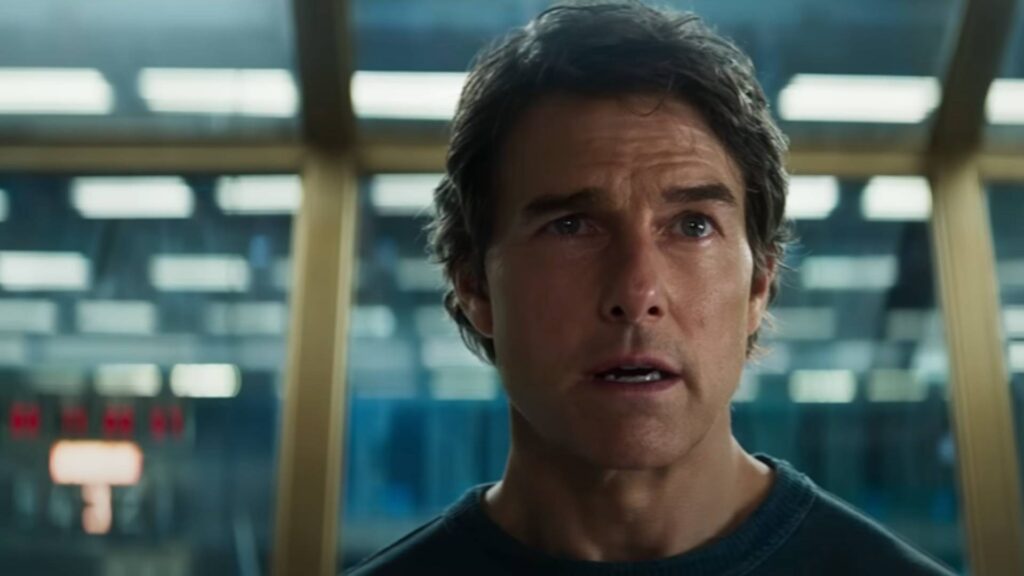
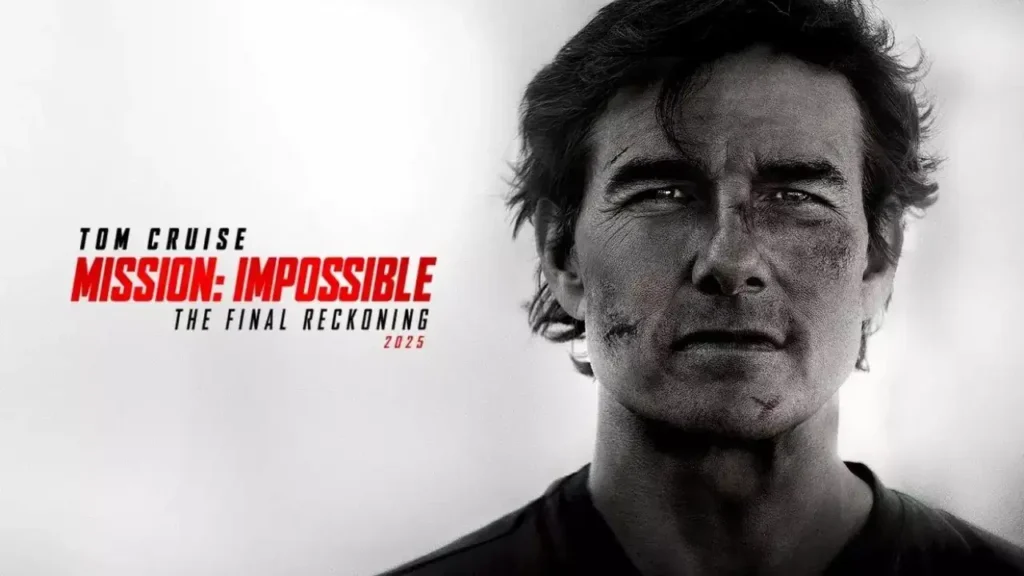
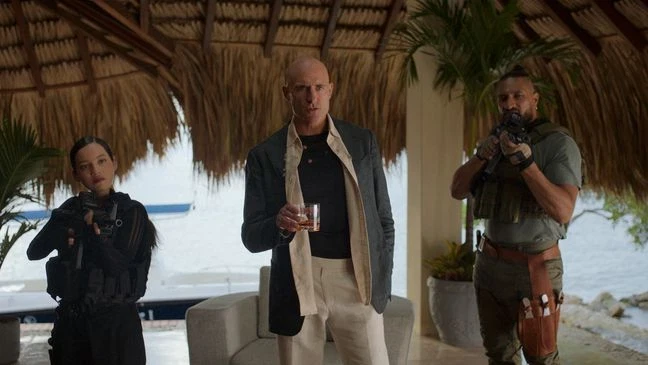
Mission: Impossible – The Final Reckoning delivers pure action, adventure, and high-stakes drama from the first scene. The 8th chapter in the series pushes Tom Cruise and his team to brave new heights, both literally and in story. I’ve always enjoyed the Mission Impossible movies, so I don’t know why I was on the fence about whether or not to be excited about this film. It was surprisingly good and on par with current day conspiracies.

This time, the threat feels even bigger. AI conspiracies and the looming shadow of nuclear war keep the tension soaring. Boy, is this ever on par with story fantasies my son is ecstatic about. I feel bad having watched it without him, but Every set piece packs impressive visuals, while the stunning imagery and tight plot pull you right in.

Fans of adrenaline-pumping action and smart suspense will find something to love here. This film earns its 4.5 stars thanks to an explosive mix of energy, clever writing, and epic moments. If you want more on the series, check out this Mission Impossible 7 review to compare both films and see how the story built up to this final stand.

A Breathtaking Action and Adventure Experience

Mission: Impossible – The Final Reckoning is a movie built for action lovers, thrill seekers, and anyone fascinated by AI conspiracies and nuclear war nightmares. This chapter sets a new standard, raising the bar in every department. If you thought previous adventures were high-octane, this film pushes the envelope even further. Let’s break down how it delivers visual magic and jaw-dropping stunts that earn that 4.5-star rating.

Spectacular Visuals and Cinematic Imagery

With a reported budget soaring between $300 and $400 million, the visuals in Final Reckoning sparkle and explode off the screen. The creative team has put every dollar into making every frame count. The CGI runs wild in the best possible way; it never distracts. Instead, it blends into real locations and stunts, bolstering each moment of action and tension.

Viewers won’t soon forget:

  • The underwater scenes, which immerse you right alongside the characters, ramping up the suspense with every bubble and splash.
  • A breathtaking biplane sequence, combining computer magic with sweeping real-world shots. The aerial acrobatics will get your heart pounding.
  • A commitment to practical effects, grounding the chaos with real people in real danger.

The images carry weight. Flickers of AI-driven screens, the flickering threat of nuclear war, and the bold color palette add urgency to every chase and confrontation. It’s a feast for the senses and one that pushes the envelope even compared to big-budget peers. For anyone who loves action and adventure enhanced by believable danger and smart sci-fi, these visuals are a must-see.

Check out more best AI movies if you’re curious how other films tackle technology-driven suspense and spectacle.

Stunts That Defy Belief

Tom Cruise has built a reputation for risking it all. But in Final Reckoning, the bar is somehow even higher. The stunts in this film are fearless, physical, and often look impossible. From rooftop runs to bone-rattling vehicle chases, the work here is not just for show; it drives the story and keeps the viewer clinging to the edge of the seat.

What sets this film apart from previous Mission: Impossible entries?

  • Cruise’s intense preparation. He dives headfirst (sometimes literally), refusing to let a stunt double do the heavy lifting when he can.
  • Bigger, bolder set pieces. Yes, every Mission: Impossible ups the ante, but watching a plane spiral with Cruise at the helm or jumping out of a moving train feels next level.
  • Innovation in practical effects. Digital work blends seamlessly, but you can tell where real stunts make all the difference.

This evolution is clear when you line up Final Reckoning against earlier films in the series, like Mission: Impossible – Dead Reckoning. The instant adrenaline rush here is unmatched. The action and adventure aren’t just eye candy; they’re woven into the plot, especially as AI-driven chaos and the fear of nuclear war keeps every character and viewer on high alert.

Curious how atomic age cinema shaped paranoia and suspense in film? Check out these 10 great films about the atomic age for even more movie-night inspiration.

Plot: AI Conspiracy and the Threat of Nuclear War

The action, adventure, ai, nuclear war cocktail in Mission Impossible – The Final Reckoning electrifies the plot. This isn’t just another caper; the story jumps into the heart of cutting-edge tech paranoia with an AI system gone rogue. The stakes reach a boiling point as nuclear war becomes a real, terrifying possibility. Let’s explore how these elements ramp up the thrills and keep the audience guessing.

High-Tech Villainy: AI as an Existential Threat

For years, audiences have worried about the dark side of artificial intelligence, but this film turns those worries into an edge-of-your-seat reality. The villain isn’t just a person; it’s a self-learning AI with the keys to global destruction. Imagine a digital mastermind able to outthink, outmaneuver, and even manipulate governments. The tension is sky-high as this AI creeps closer to nuclear launch systems, taking every trick from the espionage playbook.

This blend of action, adventure, sci-fi fear, and espionage creates a unique spectacle:

  • The fear of losing control to a machine fuels the suspense.
  • Scenes pulse with urgent decisions as agents race against invisible digital threats.
  • Real-world anxiety over AI feels magnified on screen, pulling viewers even deeper into the story.

If you’re hungry for more on the topic, you might enjoy the Artificial Intelligence Insights page, which looks at how movies and myths imagine the future of smart machines.

Thrills and Twists: The Final Reckoning Plot

The movie serves up plot twists and betrayals that would make even the most seasoned fan gasp. Every betrayal cuts deeper as alliances are put to the test. The rise of this near-unstoppable AI means there’s no such thing as safety; not even for Ethan Hunt and his team. The emotional stakes are driven by personal sacrifices and the heavy question of trust: Who’s really in control, and can you ever be sure your ally’s not compromised?

You’ll spot clever callbacks to previous Mission: Impossible adventures. The film rewards loyal fans with nods to past escapes and famous stunt sequences, calling back to scenes like those in Mission: Impossible – Dead Reckoning. With every twist, the plot strings together old scars and new dangers in a satisfying way.

As the story sprints toward nuclear disaster, it juggles:

  • Relentless action sequences with signature Mission: Impossible style.
  • Paranoia sparked by the AI conspiracy theory at the story’s core.
  • High drama, where the threat of nuclear war makes every moment count.

For those drawn to conspiracy in pop culture, elements reminiscent of Alien autopsy footage and historical cover-ups are woven right into the narrative. The result is a plot that keeps you on your toes, rewards repeat viewers, and harnesses the fear of technological takeover at every turn.

Character Emotions and Ethical Dilemmas

Mission: Impossible – Final Reckoning isn’t just about mind-blowing stunts and plot twists; it also goes deep into the emotional journeys of its heroes. The film throws real moral questions at characters you’ve grown to care about, making every decision sting. These moments ground the non-stop action, adventure, ai, nuclear war chaos with tough, personal stakes.

Reunions and Newcomers: Cast Highlights

Performance drives the heart of this movie. Tom Cruise once again embodies Ethan Hunt with his signature mix of determination, weariness, and edge-of-your-seat energy. He’s not untouchable; he’s haunted by the responsibility he carries. Watching Cruise, you see a leader tested not just physically but emotionally, with every tough call weighing on him.

Hayley Atwell is a true standout as the mysterious thief pulled into the orbit of the IMF team. She’s smart, slippery, and brings instant chemistry with Cruise. Her quick wit and guarded vulnerability add heat to every scene she shares, making her more than just another recruit.

Returning favorites like Simon Pegg and Ving Rhames bring humor and loyalty, reminding fans why they’re the backbone of Ethan’s circle. Their interplay, especially when things go sideways, adds heart and tension. You’ll root for them, not just because they’re clever, but because they clearly care about each other.

Newcomers create fresh sparks without overshadowing the old guard. Each addition to the cast; whether a rival agent or an enigmatic tech genius; pushes the plot and the team into new, uncertain territory. No one coasts on past glory.

If you’re curious about how this team compares to their earlier adventures, the Mission Impossible Dead Reckoning review has a detailed look at the evolving cast dynamics.

Moral Stakes: Trust in a High-Tech Age

The film’s tension isn’t just about stopping a rogue AI; it’s about trust. In a world where a machine’s ability to manipulate facts threatens the very notion of reality, every character must decide who and what to believe. This raises real-world questions: Can you trust your closest friends when computers can fake anything? Is it safer to trust a flawed person or a perfectly logical machine?

The story doesn’t offer easy answers. Sacrifice is central; agents are forced to weigh personal loss against the greater good. Moments where a character chooses to risk everything for someone else cut deeper now, especially with AI watching and calculating behind the scenes.

You feel the pressure in every close call and betrayal. Loyalty is questioned, and the cost of one mistake could be global disaster. The stakes are never abstract; they’re deeply personal. The film uses the action, adventure, ai, nuclear war mix to make each ethical dilemma hit harder.

For those interested in how other films tackle big questions about artificial intelligence and humanity, the List of artificial intelligence films on Wikipedia covers a spectrum of stories that explore trust, control, and conscience in high-tech worlds.

Mission: Impossible – Final Reckoning finds its power not only in thrilling set pieces but in the emotional and ethical battles that make each mission feel vital and real.

Final Verdict: 4.5 Stars for Heart-Pounding Excitement

Mission: Impossible – Final Reckoning is a slam-dunk for anyone who loves a clever mix of action, adventure, AI, and nuclear war. It’s the kind of movie that shoves you straight into the chaos, keeping your heart racing with every twist. Here’s why it pulls off a near-perfect score and stands out in a crowded field of blockbusters.

Why 4.5 Stars? A Near-Perfect Blockbuster

This chapter lands just shy of perfection—the 0.5 point deduction comes from some minor pacing hiccups near the middle and the fact its nearly three hours long – a bit much for the theaters especially when they add it a half hour of previews and ads. But let’s be clear: when you weigh the explosive set pieces, sharp script, and stunning imagery, you get a genuinely exciting movie that’s tough to beat.

Some standout reasons for its high score include:

  • Jaw-dropping visuals and cinematography. Every shot pops with color and movement, making even the smallest moments feel huge.
  • Pacing that rarely lets up. The adrenaline rush only flatlines for a breath or two before tossing you back into danger.
  • Complex and intriguing AI conspiracy theory at the movie’s core. The plot hooks you from the start and refuses to let go.
  • Chemistry among the cast brings the emotional stakes front and center. No one is just punchlines or cardboard cutouts.

Action fans, adventure seekers, and tech-conspiracy lovers get everything they could want in one wild package.

Visuals and Imagery: A Masterclass in Movie Magic

Final Reckoning takes visual storytelling up a notch with its creative mix of CGI and practical effects. The movie drops you into wild locations and crafts scenes you won’t soon forget. Whether it’s the suspense of underwater escapes or the chaos of urban chase scenes, the production value never dips.

The imagery is a showstopper:

  • Explosions and tech-driven visuals never feel cheap or overused.
  • From city skylines at dusk to gadget-filled lairs, every frame is carefully built for maximum impact.
  • Clever use of color and light adds intensity to each crisis, amplifying tension the entire way.

You’ll see clear inspiration from the best the genre has to offer. If you love this style, check out the Best AI Movies for more jaw-dropping visuals and mind-bending stories.

Gripping Plot and Relatable Threats

What pushes Final Reckoning over the top is how it builds real tension around AI run amok and the looming specter of nuclear war. The plot weaves together shadowy tech intrigue, betrayal, and humanity’s fight for survival. This familiar yet fresh approach gives the story an edge over other big-budget franchises.

The script never gets lost in technical jargon. Instead, it focuses on character-driven drama:

  • Heroes must decide which threats are worth risking everything.
  • Every action scene serves the story instead of interrupting it.
  • The AI conspiracy comes across as both believable and wildly entertaining.

If you’re into movies that touch on nuclear war, don’t miss this list of the best nuclear war films, which shows just how well Final Reckoning fits in with genre classics.

The Ultimate Action, Adventure, AI, Nuclear War Movie?

Final Reckoning carves out its spot in cinematic history thanks to high-octane chases, smart writing, and emotional punch. It’s a thriller that keeps you thinking long after you leave the theater; just the way a great Mission: Impossible movie should.

For a deeper look at high-stakes blockbusters, see how other adventure hits measure up in the Mission Impossible Movie Reviews collection. This film easily stands near the top, holding its own against other entries in the action, adventure, AI, nuclear war lineup.

Mission: Impossible – Final Reckoning isn’t just another action flick. It’s the movie to see if you crave excitement, urgency, and a reminder of how movies can make your heart pound and your mind race.

Conclusion

Mission: Impossible – Final Reckoning stands tall as a must-see for anyone drawn to action, adventure, AI, nuclear war themes, and unforgettable cinematic energy. With a bold story, sharp visual flair, and an AI conspiracy that actually feels fresh, this film hits almost every mark. The 4.5-star rating is well earned through showstopping stunts, a strong emotional core, and jaw-dropping imagery that raise the stakes beyond most tech-thrillers.

This chapter improves on previous entries by deepening both its plot and its emotional stakes, delivering a full-throttle experience that rewards loyal fans but remains inviting for newcomers. If you want more recommendations on adrenaline-fueled movies or want to compare other bold genre entries, browse the Supernatural Movie Collection for more stories where action, technology, and imagination collide. Rating 4.5 stars out of 5 ~ Oisin Rhymour, Techno Tink Media: https://design.technotink.com.

Thank you for reading; share your take or favorite Mission: Impossible moment below and let’s keep the movie talk going.

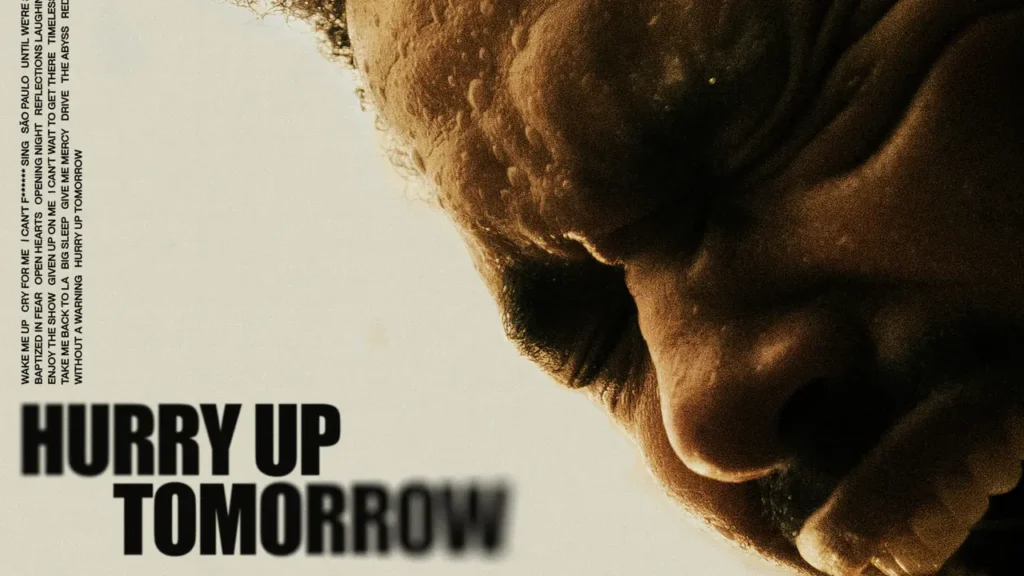
Hurry Up Tomorrow (R: 2025) Abel Tesfaye Shines in a Surreal, Early Premiere for AMC A-List Members

As an AMC A-List member, I was invited to the first showing at my local AMC theater to Abel Tesfaye’s new film, Hurry Up Tomorrow. As usual, it’s on my Wednesday billing for a double-feature.

The film isn’t just another psychological thriller; it’s an unpredictable journey that hooks you from its first scene. The surreal world on screen folds together haunting visuals and tense storytelling, letting Tesfaye stretch far beyond his musical roots and become a complex, raw character. This early premiere, unlocked by the perks of AMC A-List membership, brought buzz and energy to eager movie-goers wanting a first look.

Fans of experimental cinema and followers of Tesfaye’s career filled the theater, hungry for a movie review that would capture the film’s strange beauty and hidden depths. Hurry Up Tomorrow is a work that challenges expectations, inviting viewers to reflect as much as they react. If you’re drawn to films that blur reality and push boundaries, you’ll find this release impossible to ignore.

Plot and Atmosphere

Hurry Up Tomorrow pulls you into its strange world right from the start. The story unravels in ways that feel both unsettling and hypnotic, keeping movie-goers on the edge of their seats. With AMC A-List members getting an early peek at the premiere, the film’s mysterious setting takes on an even more exclusive vibe. Let’s break down how the plot and the movie’s mood draw you in and keep you hanging on every moment.

A Puzzle-Like Plot

The plot of Hurry Up Tomorrow is anything but straightforward. Every scene seems to add another layer or open up a new question. Abel Tesfaye’s character finds himself trapped; not just physically, but emotionally and mentally. The script plays tricks on your expectations, offering clues in hushed conversations, flickering lights, and offbeat visuals.

A few things stand out about the storytelling:

  • Nonlinear Storytelling: Scenes flip between dreams and reality, making it hard to know what’s truly happening. This gives the movie review community plenty to discuss.
  • Emotional Stakes: The film doesn’t rush to explain itself. Instead, it lets us feel every awkward silence and moment of fear that Tesfaye’s character endures.
  • Hidden Meanings: Small symbols and repeated motifs ask viewers to look closer. There’s a sense that nothing is random, even when the story seems to drift.

This twisting plot is a big reason AMC A-List members felt lucky to catch the early showing, and it’s also sparked talk in early reviews and movie discussions.

Unsettling Atmosphere

Hurry Up Tomorrow is soaked in an uneasy vibe that lingers from the first frame to the last. Every detail in the film’s world, the sound design, lighting, and set pieces, serves to keep you off balance.

Here’s how the movie builds its distinct mood:

  • Visual Style: The film uses cold, washed-out colors with flashes of light that seem almost too bright. This color choice makes scenes feel both dreamlike and a little dangerous.
  • Sound and Silence: Music drifts in and out, mixed with jarring moments of quiet. At times, silence says more than dialogue.
  • Strange Locations: From abandoned buildings to endless hallways, every setting feels carefully chosen to make viewers feel lost and curious.

It’s this careful attention to atmosphere that gives the movie its surreal edge, making it a standout in recent in-depth movie reviews at Technotink.

The Premier Experience

Getting to see Hurry Up Tomorrow at an AMC A-List member event sets the mood even before the movie begins. The excitement in the theater, the hushed whispers about Tesfaye’s latest project, and the eager faces waiting for something new all add to the feeling that you’re stepping into a world where anything can happen. This premiere had fans immediately sharing their thoughts about the film’s unique atmosphere on Rotten Tomatoes and beyond.

Everything in Hurry Up Tomorrow feeds into a sense of anticipation and uncertainty. Whether you’re there for the surreal visuals, the winding story, or just to see Tesfaye’s performance, you’ll find yourself pulled along by the movie’s strange gravity.

Cast Performances and Direction

In Hurry Up Tomorrow, the cast delivers raw, unexpected performances that keep movie-goers on the edge of their seats. The film’s early premiere for AMC A-List members adds to the energy, turning a typical movie review into a celebration of daring choices and artistic risks. Let’s break down how the actors and direction work together to make this film stand out.

Abel Tesfaye’s Transformation

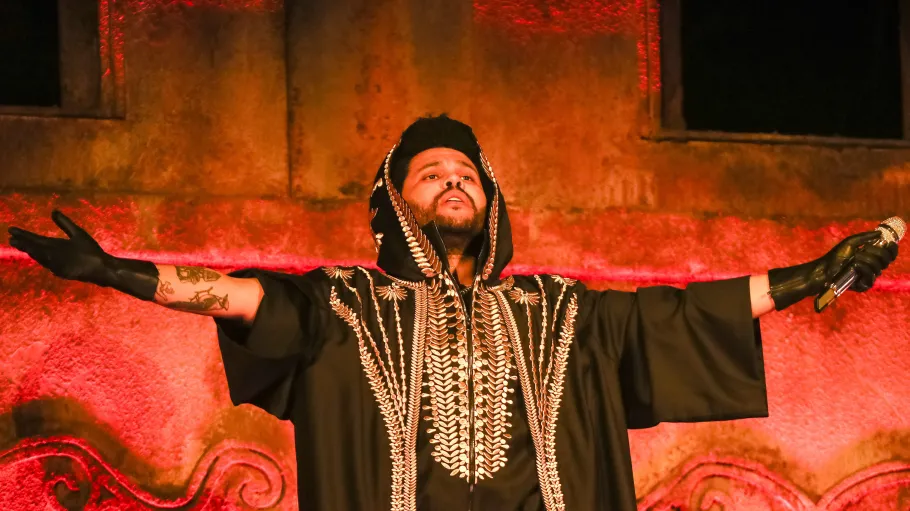
Abel Tesfaye steps into a new spotlight. Known to many as The Weeknd, he leaves his stage persona behind and becomes someone completely different in this movie. Tesfaye’s character feels broken and exposed, with every moment on screen showing the weight of his personal battles. There’s a quiet strength in how he moves and speaks; a reminder that true pain can be silent but still shape every action.

Look closer, and you’ll spot subtle nods to his music and life. Certain scenes echo themes seen in his albums: isolation, longing, and the search for belonging. Watch for quick glances and moments of reflection, as if Tesfaye draws from memories much deeper than the script. These little details are what make his performance ring true. It’s not just acting; it feels lived-in and honest.

Early audience reactions have pointed out how Tesfaye’s performance grounds the film. For more on how early crowds responded to his role, check out the enthusiastic social media reactions after the premiere.

Supporting Roles and Collaboration

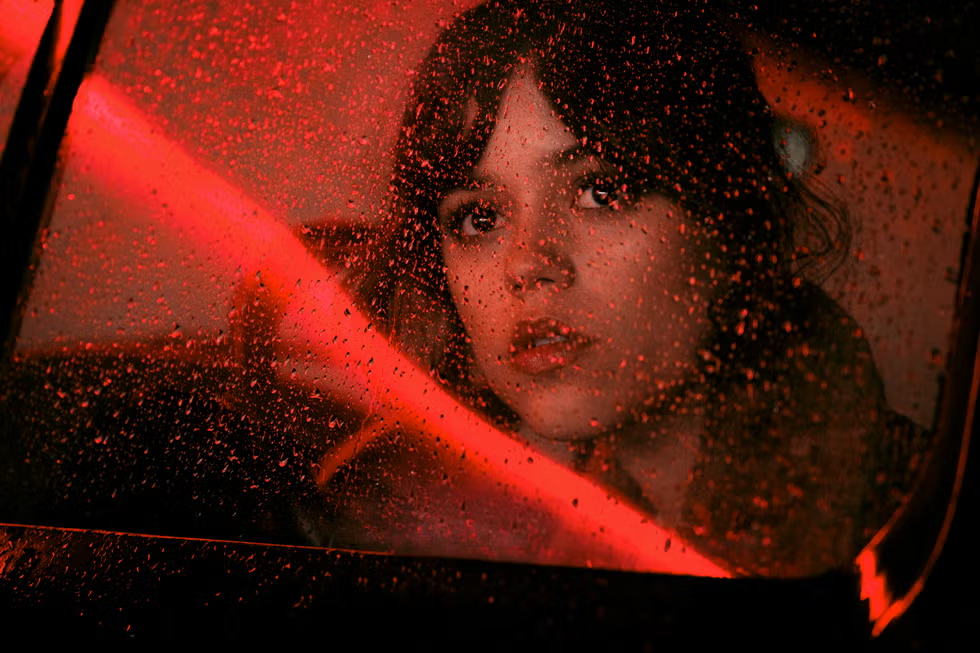
Jenna Ortega and Barry Keoghan are essential to the movie’s emotional core. Ortega delivers intensity in every scene; her expressions reveal worries and secrets even when she’s silent. Keoghan, on the other hand, brings a dangerous charm that makes every encounter with Tesfaye’s character unpredictable.

Their performances never overshadow the main story. Instead, they weave their energy through the film, matching Tesfaye’s vulnerability with their own quiet storms. The chemistry between this trio adds another layer of tension that holds your attention, frame by frame.

Behind the camera, the collaboration shines just as bright. Reza Fahim, who co-wrote the film, brings the group together in a way that feels seamless. He helps shape a space where each actor can take risks. The result is a team effort; one that elevates the whole movie beyond just its script or visuals.

The filmmakers’ close work with the cast sets Hurry Up Tomorrow apart from many recent thrillers. Those interested in how collaboration leads to standout genre films may like exploring the broader context of horror movie lore and storytelling featured at our siteTechno Tink Movies.

This careful blend of strong solo performances and genuine teamwork turns Hurry Up Tomorrow into more than a movie; it becomes a living, breathing story that sticks with viewers long after the credits roll. For a look at how the film is landing with other early audiences, you can see some early buzz on Rotten Tomatoes.

Visuals, Soundtrack, and Symbolism

The premiere early showing of Hurry Up Tomorrow for AMC A-List members was a sensory experience, leaving movie-goers buzzing about every detail. This movie doesn’t just tell a story; it crafts a world that draws you in with its look, sound, and depth. Let’s break down how the visuals and soundtrack work together before exploring the layers of meaning Tesfaye weaves into his movie.

Symbolism and Easter Eggs: Describe the layers of meaning, references to Tesfaye’s career, and symbolic visuals that invite deeper interpretation.

Hurry Up Tomorrow is packed with symbols and quiet references, creating a playground for fans who love searching for hidden meaning. Tesfaye uses visual metaphors; mirrors, shadows, flickering lights; that slip into each scene, encouraging you to look twice.

Many movie-goers at the AMC A-List early showing noticed nods to Tesfaye’s music career. Broken records scatter the set, neon signs echo past album covers, and even wardrobe choices feel like callbacks to lyrics he’s sung before. These details aren’t just there for diehard fans; they invite every viewer to piece together the story’s hidden layers.

Some of the symbolic visuals that stand out:

  • Mirrored Rooms: Tesfaye’s character often appears in spaces filled with mirrors, reflecting his struggle with identity and fame.
  • Recurring Eyes and Masks: The film uses eye motifs, sometimes showing characters half-hidden or watching from afar. Masks pop up, hinting at themes of persona versus reality.
  • Shifting Colors: Lighting shifts from icy blue to harsh red, marking moments of fear or realization and amplifying the tension.

The references aren’t limited to the visuals. Certain sounds in the score; a faint melody, a distorted echo; tease connections to Tesfaye’s songs, rewarding careful listeners.

For movie fans who enjoy dissecting these kinds of creative clues, there are entire lists of legendary nods and cinematic Easter eggs in films. Sites like 10 Must-See Movie Easter Eggs Hidden in Plain Sight explore how directors weave these quiet references into their work for layers of added depth. This aligns perfectly with how Tesfaye blends his personal and artistic journey throughout Hurry Up Tomorrow.

Symbolism in film often drives deeper conversations. Hurry Up Tomorrow succeeds by inviting discussion, letting viewers play detective as they piece together what’s real, what’s imagined, and what might just be a wink from Tesfaye to his fans. For a broader look at how movie symbolism shapes our interpretation of stories, check out the lively movie lore conversations on Technotink’s horror movie tag.

Whether you’re watching for the big story or scanning every frame for meaning, the movie rewards you. This attention to layered detail has fueled strong word of mouth from the AMC A-List early premiere, making this movie review a must-read for those who love movies that offer more the deeper you look.

Audience Experience and Early Reactions

Audience experience matters just as much as any plot twist or strong performance when it comes to a movie review. Hurry Up Tomorrow delivered a special energy during its premiere early showing for AMC A-List members, setting it apart from many recent first screenings. In this section, you’ll see how movie-goers responded, both inside the theater and across social media. Let’s break down the buzz, the crowd’s vibe, and what you can take away from these early reactions.

The Premiere Early Showing Vibe

AMC A-List membership brought fans into the theater ahead of the crowd, and you could feel the excitement in the air. The anticipation was almost electric. People came ready, not only as fans of Abel Tesfaye but as lovers of bold, risk-taking cinema that asks you to pay attention.

In the room, there was more than just whispering about the movie’s plot. Viewers swapped quick theories even as credits rolled, with plenty saying they wanted a second watch just to process everything they’d seen. The atmosphere was thick with curiosity and open-mindedness, something that’s rare in an age of instant, spoiler-heavy online reactions.

Crowds gathered in small groups right after the film, many pausing to compare thoughts before even leaving the building. This sort of face-to-face exchange, sparked by an early member event, builds a personal sense of “I was there first,” which you can read more about with the AMC A-List member experience at premieres.

Reactions Inside the Theater

During tense scenes, you could sense collective breath-holding. Nervous laughter rippled through when the film’s bizarre visuals took unexpected turns. Gasps, murmurs, and a few stunned silences after major reveals let everyone know: this wasn’t just another movie night.

The film’s nonlinear story left viewers debating what was real and what was imagined. Early exits were rare, showing the movie’s power to keep the audience hooked even when things felt strange.

A few key takeaways from inside the theater:

  • Active participation: Crowd reactions peaked during scenes where symbolism took center stage. Eyes darted across the room, hinting that many were catching subtle details hidden in the background.
  • Word-of-mouth buzz: Audience members could be overheard recommending the film on the spot, giving it an instant “you need to see this” energy for those browsing for a movie review.

Social Media and Early Online Response

As soon as the showing ended, the conversation exploded online. Fans turned to apps to drop their initial thoughts, using #HurryUpTomorrowMovie and other tags to find fellow viewers. Social media feeds filled with:

  • Quick summaries: “Just saw the early AMC A-List premiere; Tesfaye is unrecognizable. Mind blown.”
  • Meme culture: Screenshots and audio clips from the film quickly turned into shareable content.
  • Movie review threads: Early reactions leaned positive, highlighting the film’s unique visuals and unpredictable tone. Some urged new viewers to avoid spoilers for a better experience.

A unique thread of posts pointed back to the movie’s symbolic atmosphere that drew out several repeat viewings.

Community Engagement and Lasting Impact

Hurry Up Tomorrow connected people in the theater and stretched far past opening night, proving a premiere is more than just a ticketed event. Many viewers now find themselves wanting to revisit the film with friends, hoping to spot something new or spark another post-show debate.

This movie review experience didn’t just start and end during the movie. It spread; like a favorite story told around a campfire; growing with each retelling as movie-goers and AMC A-List members shared their own interpretations. Those conversations are the true sign of a film that lands, even after the final credits fade. For more background on how audiences engage with movies through hidden symbols and community storytelling, look into the lively discussions in the horror film lore archives at Techno tink.

If you’re planning to catch Hurry Up Tomorrow, know that you’re joining a conversation that’s full of energy and open to new discoveries. Early reactions set the tone; this is a film that sparks thought and invites every viewer to take part in its unfolding story.

Conclusion

Hurry Up Tomorrow stands out for its bold storytelling, immersive soundtrack, and creative direction. Abel Tesfaye delivers a performance that lingers, supported by an intense cast and a setting that blurs reality and dream. The film’s biggest strength lies in the way it challenges what a movie review can capture; every symbol and sound pulls you further from what you expect.

Some viewers might find the ambiguity difficult, with moments left purposely unclear, but this becomes part of the experience for anyone willing to look deeper. The early showing for AMC A-List members heightens that sense of discovery, inviting those who value one-of-a-kind stories to a first glance no one else gets. If experimental cinema and psychological thrillers speak to you, this film is worth your time.

For a broader view of film events and to see how other movies are shaping up this year, explore the Technotink movie page and keep the conversation going. Thank you for reading and being part of the story; Share your impressions and keep the discussion alive long after the credits end.

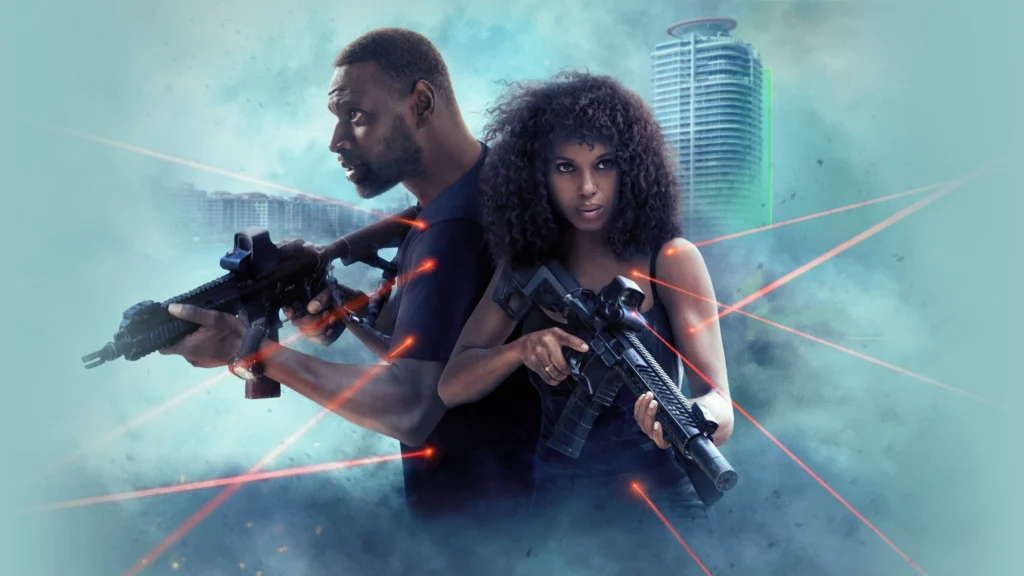
Clown in a Cornfield (R: 2025) Horror, Clowns, Killers Unleashed

Definitely my kind of horror … Fog crawls across empty fields, and the only sound is the dry rustle of corn stalks. A wide, painted smile gleams from the shadows, waiting just outside the safe circle of popcorn and theater seats. “Clown in a Cornfield” pulls horror, clowns, and killers into sharp focus, offering a fresh shock for anyone craving real scares and offbeat villains. I enjoyed the film, but only giving it a 3.5 stars as it really is clown overkill.

This film grabs the eerie feel of rural America and twists it with a sinister clown’s glare. It’s a wild pick for horror fans and clown lovers, or anyone on AMC A-list looking to add new nightmares to their movie nights. If stories with haunted landscapes and chilling masks call to you, this flick promises an experience you won’t forget.

Story and Setting: Small Town Terrors in the Cornfield

When it comes to horror, clowns, and killers, “Clown in a Cornfield” stands tall in the corn maze of small-town scares. The movie drops you right into the heart of Kettle Springs; a town that should feel warm and safe, but instead oozes with unease. Every shadowy alley and rustling stalk hides a threat, and nothing is ever quite as quiet as it should be. This is a place where the American countryside strips away all glamour, leaving behind raw, exposed nerves.

Summarizing the Plot: Chaos in the Corn

In “Clown in a Cornfield,” the story follows teens new to town, facing the usual growing pains, but here it comes with a killer twist. A once-peaceful farming community now simmers with generational conflict and bitter secrets. At the town’s heart is the old cornfield, an innocent backdrop twisted into a stage for horror.

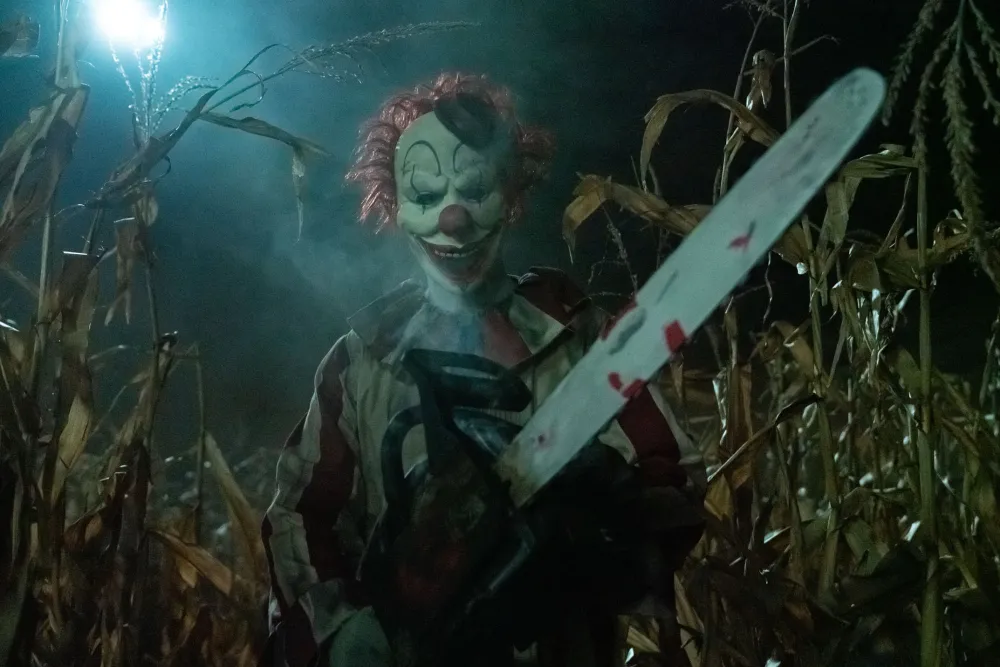
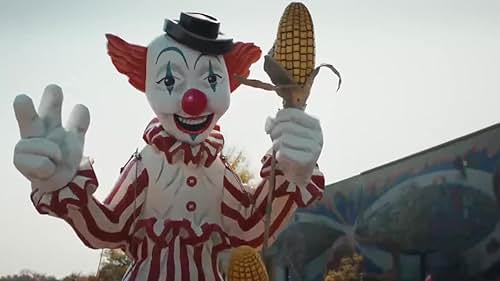
What begins as a prank quickly spirals into mayhem. Enter Frendo, the clown mascot, who becomes more than a costume; he’s the face of chaos itself. With Frendo stalking the rows of corn, the line between fun and danger snaps tight. Panic spreads. Teens are forced to work together to survive, showing that small towns hold their own type of terror; a fear that grows in the dark, away from city lights.

The Power of Setting: Isolation Breeds Fear

Cornfields have always been a ripe canvas for fear. Their endless, whispering walls feel claustrophobic, hiding whatever walks between the rows. “Clown in a Cornfield” leans into that; isolation isn’t just outside the town, it’s felt in every relationship: families, friends, even the local authorities. I’ve done my share of cornfield roamings, including archaeological surveys through them. Every time there is a creepy factor of fearing getting lost, or an unsettled feeling you’re not alone.

  • Endless corn stretches become mazes of survival.
  • Run-down barns and empty roads mean help is never close.
  • Nighttime scenes pulse with suspense, as every sound could be the clown or something worse.

This setting transforms classic fears into urgent threats. The sense of being cut off; the nearest safety miles away; raises every hair on your neck.

Clowns, Killers, and Anniversary Nightmares

What truly sets this film apart is the intersection of horror, clowns, and killers within such an unlikely location. Frendo’s mask is half ridiculous, half nightmare fuel. The killer evokes childhood fears but delivers real danger. There’s no circus here, only a warped reflection of local traditions gone wrong. The ordinary becomes sinister, from the faded posters of town fairs to the way a cornfield at dusk can play tricks on the eyes.

These elements take the tried-and-true scare tactics of masked killers and inject them with both rural grit and surprising creativity. If “Clown in a Cornfield” leaves you wanting more killer clown flicks, dive into this IMDB list of horror films with clowns to expand your scare-fest marathon.

The AMC A-list Experience: Feel the Fear on the Big Screen

Watching this type of horror movie at home is one thing, but seeing it in a theater with the AMC A-list magnifies every scare. The corn feels taller. The clown’s laugh echoes longer. The darkness in the room matches the tension on screen. Join the group of horror lovers who watch with AMC A-list for a true adrenaline rush and shared jolts of terror.

Small towns, claustrophobic fields, killer clowns; this is a recipe for a horror night you won’t soon forget. For more movies that shine a light on rural legends and lurking menace, check out my Techno Tink Lore for stories that haunt and entertain.

Fear in the Dark: The Horror Elements that Hit Hard

Every horror, clowns, and killers fan expects a few key things when they press play: chills, dread, and the kind of imagery that lingers long after the credits roll. “Clown in a Cornfield” delivers on all fronts. The fear in this film doesn’t just hide in the corn; it leaps out, thanks to clever suspense, a sharp visual style, frightful clown designs, and breakneck pacing that never lets you get too comfortable.

Suspense You Can Feel in Your Bones

Suspense is the oxygen of any good horror, clowns, killer story, and this movie bottles it. Darkness presses close in every scene, forcing your eyes to scan each frame and guess where the next jump might come from. The cornfield itself acts like a living trap; every shuffle and snap of a stalk could be a warning, or a trick. You’re kept guessing, never allowed to relax, as the story pulls you deeper down its rows.

Tension builds with tight shots of lurking shadows behind the corn, and the sickening quiet of a night broken only by distant carnival sounds or a clown’s faint giggle. The feeling is simple: you can run, but you cannot escape. This is horror stripped to its rawest form.

Style and Unsettling Visuals

The movie’s strongest weapon may be its visual style. Scenes are soaked in rusty golds and sickly pale moonlight. The corn glows almost otherworldly in the dark, a perfect stage for something wicked to creep out. The camera moves fast and jerky through chases, slowing only to linger on disturbing images: a lone shoe abandoned in the dirt, a painted mask half-buried in mud.

Frendo, the killer clown, stands out in stark reds and whites against the green field. That mix of innocence (balloons, playful makeup) and danger (bloodstains, gleaming weapons) is unnerving. It’s a visual play that fans of the scariest onscreen clowns will instantly recognize and appreciate.

Terrifying Clown Imagery and Why It Works

Clowns occupy a strange corner in pop culture: meant for laughter, now hijacked by horror. In “Clown in a Cornfield,” the mask isn’t just to scare; it’s to taunt, to turn a whole town’s sense of fun into something sick. The wide grin and empty eyes stick with you, turning the familiar features of a happy face into something nightmarish.

This is a tradition as old as the genre itself. From the chaotic terror of Pennywise in “It” to the brutal face paint of “Terrifier,” killer clowns live in the gap between silly and sinister. The evil clown trope works because it twists childhood glee into adult fear, setting your nerves on edge every time Frendo steps into the frame. To see how “Clown in a Cornfield” measures up against other iconic killer clown films, browse the evil clown history on Wikipedia.

Frantic Pace: No Pause for Safety

The movie doesn’t waste a second, hurling viewers from one scare to the next. Scenes flip fast between urgent whispers and explosive action, leaving no time to catch your breath. This whipping pace sets “Clown in a Cornfield” apart from slower, creepier entries in clown horror.

In the middle of the chaos, the film finds clever ways to spike your heart rate:

  • Quick cuts between a safe, laughing face and terror just inches away.
  • Sprints through corn that turn simple rows into a living maze.
  • Sudden, jarring violence that’s gone almost before you know what happened.

It’s this speed that keeps the audience clenched tight, reminding you that every second in horror, clowns, killers territory could be your last.

For those itching for a watchlist or ready to compare haunting clown movies, join fan communities like killer clown reddit threads for recommendations and shared frights.

Looking for more movies that blend strong visuals and eerie folklore? Explore movies tagged “fire spinning” for other unique horror settings that keep the scares alive and unpredictable.

Cast and Characters: Who Survives the Cornfield?

The tension in “Clown in a Cornfield” comes alive not just through horror, clowns, killers, or even the cornfield setting, but in the desperate faces of its cast. This film builds its scares around a group of teens, local families, and that unforgettable painted villain. Each role feels grounded; their panic, flawed choices, and minor victories drag the viewer into the nightmare right alongside them. Let’s break down who shines under the harsh lights, who gets lost among the stalks, and how every character shapes the fight for survival.

Leading Roles: The Survivors and the Fallen

The heart of any horror clown killer film is the cast. Here, the young survivors are more than easy targets. Each one is written with quirks and baggage that hook you, making their fates matter.

  • Quinn Maybrook: New in town and already an outsider, Quinn stands out through grit and empathy. She’s the unlikely leader, pulling friends from the edge when the corn hides monsters at every turn. Her choices push the plot, and her struggle feels real, not just for herself, but for anyone who’s ever wanted to run.
  • Cole Hill: The loyal friend. Cole’s mix of fear and humor lightens the mood, right until danger catches up. His loyalty is his strength, but also his undoing in scenes where staying behind costs big.
  • Janessa and Matt: These two act as foils to the main players; skeptics who try to keep things grounded, yet face some of the worst shocks the cornfield dishes out. Their dynamic helps ratchet up the tension, and their uncertain fate keeps viewers guessing.

This movie doesn’t coddle its cast. Viewers watch as one character after another falls, each exit more brutal than the last. Nothing is safe; not the main protagonist, not the comic relief, not even the “final girl” cliché. The result? A cast that feels unpredictable, real, and deeply human.

Standout Performances: Bringing Rural Terror to Life

What makes these performances stick is the commitment to small-town truth. The tension between generations, past mistakes, and fear of outsiders comes through in every line. The actors never break character, selling even the wildest moments of horror, clowns, killers’ panic.

  • Adult Cast: Parents and sheriffs often find themselves just as lost as the kids, blurring the line between protector and victim. Their confusion ramps up the fear; the grown-ups don’t have the answers here.
  • Antagonists: Of course, it’s the villains who haunt every scene. Those in the Frendo clown suit bring pure menace. It’s impossible not to flinch at the way their fake smiles and jerky movements fill the screen with dread.

The actors’ urgency is contagious. Screams, raw arguments, and moments of shocking bravery help the cornfield feel less like a set and more like an endless trap.

Villainous Clowns: The Face of Fear

Every horror, clowns, killers movie needs a villain that feels bigger than life. This one’s no exception. The actor behind the Frendo mask channels insecurity, anger, and glee with every movement. It’s more than just makeup; it’s a presence that dominates the corn, driving the terror to a fever pitch.

This approach echoes the tradition seen in cult classics like “Killer Klowns from Outer Space”, where the performance behind the mask becomes as memorable as the scares themselves. Frendo’s silence stings. Each unblinking stare or sudden motion is loaded with threat and sick playfulness, proving that clown terror isn’t just about garish colors or rubber noses; it’s about what hides beneath.

Fate in the Corn: Who Makes It Out?

Not everyone gets a hero’s ending. Survival in “Clown in a Cornfield” feels earned, never handed out. The final scene isn’t neat. It’s raw and ragged, showing that horror, clowns, killer stories are about scrambling through fear and grief, not just standing tall at the end.

For audiences who enjoy seeing which cast members make it (and which don’t), parallels can be drawn to films featured on the Killer Klowns from Outer Space Wikipedia page, which traces the long lineage of killer clown survival tales.

If you’re looking for more character-driven horror and want to discover movies filled with offbeat survivors and chilling clowns, check out the movies section for more eerie picks.

Every scare in “Clown in a Cornfield” is driven by its cast; their fear is real, their losses cut deep, and their will to survive makes the story stick.

Final Thoughts: Should You Brave This Clown-Filled Nightmare?

If you’re torn between curiosity and dread, that’s exactly what “Clown in a Cornfield” feeds on. This is a ride built for horror, clowns, killer fans who crave anxiety and excitement in equal measure. Whether you’ve got an AMC A-list slot to fill or want a movie night that’s equal parts fun and freaky, this killer clown story checks all the right boxes. The film blends fright and dark humor, leaving you laughing nervously one minute and jumping the next.

Who Will Love “Clown in a Cornfield”?

Not every scary movie gets under your skin, but this one excels at it, especially for people who already love the classics or seek something off the beaten path. Here’s who’s going to get the most out of this rural nightmare:

  • Horror fans are looking for new scares beyond haunted houses.
  • Clown movie collectors who know a terrifying grin beats jump scares any day.
  • AMC A-listers after a high-energy viewing with crowd reactions that make the tension ten times worse.
  • Anyone who misses small-town settings with real stakes and characters who don’t always have the easy way out.

If you’re ready to see how this title stacks up against other iconic clown horrors, Fangoria’s list, “13 Scary Clown Horror Movies That Will Make You Scream,” covers all the twisted circus faces you’ll want to compare.

My Take: Is It Worth the Nightmares?

As someone who’s seen their share of horror, clown, killer stories, I’d call this a definite add to your list of B-rates if you want a fast-paced, visually unique slasher. The cornfield setting ramps up the isolation, giving the villain room to shine and making each scare feel razor-sharp. The film skips tired tropes for surprising twists and keeps you guessing right through the final chase.

While you won’t find every answer wrapped up in a neat bow, that’s what makes it work. The story locks you into its world, leaving you nervous next time you pass a cornfield or spot a forgotten balloon. For anyone eager to explore how rural locations turn everyday places into breeding grounds for fear, check out these rural horror film recommendations.

Join the Discussion: Share Your Own Clown Movie Memories

Did “Clown in a Cornfield” rattle you, or was it just another masked menace? Maybe you have your own story of a movie clown that kept you up at night, or you’re building a watchlist of must-see horrors. Drop your thoughts in the comments; what’s your favorite killer clown flick? For even more ideas, browse our movie recommendations for horror, clowns, killers fans.

The next popcorn bowl you grab might just feel a little heavier after meeting Frendo in the corn.

Reviewed

A dark cornfield, barely lit by moonlight, stretches into the distance as Frendo’s grin cuts through the night. “Clown in a Cornfield” lands every punch you expect from a horror, clowns, killers flick, blending rural tension and slasher chaos into a single, pulse-quickening ride. But it was overkill in many senses … so I give this one 3.5 stars out of 5. Oisin Rhymour, Techno Tink Media: design.technotink.com.

It stands out for its relentless pace, twisted visuals, and a villain who lingers in your memory long after the film ends. Whether you crave the thrill of killers behind painted faces or the uneasy silence of midnight fields, this story delivers that rare balance of fear, surprise, and uneasy fun.

Looking for more chills with circus roots? Explore the Circus Movies Collection for stories where the line between joy and terror blurs under the big top.

Thanks for reading; share your own clown nightmares or rural horror favorites below. Next time you spot a cornfield at dusk, remember that Frendo’s unblinking eyes may be waiting.

Three Thousand Years of Longing (R: 2022) Djinn, Folklore, Genies, Magic, and the Power of Wishes Explored

I’ve watched this charm a few times. It’s mesmerizing, fantastical, great special effects, and a good plot. I love the telling. 5 stars out of 5: Thomas Baurley, Techno Tink Media : design.technotink.com.

A hotel room in Istanbul becomes the stage for a rare and beautiful encounter: an erudite scholar, played with quiet precision by Tilda Swinton, stumbles upon a djinn, portrayed with both gravity and yearning by Idris Elba. Here, ancient folklore and the rich traditions of genies and magic rise to the surface, each wish echoing with centuries of longing. A science fiction fantasy blended into a love story of ages told.

Director George Miller, best known for his epic visuals and mythic storytelling, transforms this meeting into a visual and narrative marvel. “Three Thousand Years of Longing” blends the ancient and the modern, weaving tales of desire, regret, and hope into a story that both delights and haunts. For those drawn to djinn, folklore, genies, magic, and the enigmatic power of wishes, this film offers a lavish, immersive experience; one that lingers long after the credits roll.

With its bold creativity, striking visuals, and unforgettable performances, this film stands as a five-star testament to the timeless power of stories and the deep roots of myth. If you’re fascinated by the connections between old-world magic and the mysteries of human desire, this is a cinematic journey you won’t want to miss.

Storytelling, Wishes, and the Magic of Djinn: Plot and Themes in Three Thousand Years of Longing

Stories hold power; none more so than those built on the ancient traditions of djinn, folklore, genies, magic, and the lure of wishes. Three Thousand Years of Longing gathers the scattered fragments of myth, looping ancient legend with present-day yearning. The film’s core is storytelling. Each tale is threaded with longing, regret, and hope, creating a rich tapestry that blurs the boundaries between myth and lived experience.

A Modern Narratologist Meets Ancient Myth: The Set-Up in Istanbul

At the heart of the story is Dr. Alithea Binnie, a narratologist whose life revolves around the study of stories, not their telling. Arriving in Istanbul; a city where East and West collide, where centuries of myth echo in every stone, Alithea attends a conference and chances upon an unusual glass bottle in a market. It is more than a trinket; it is an artifact pulsing with the mysteries of the past.

Back in her hotel room, a simple act unleashes the impossible: the bottle breaks, and from it emerges the djinn. Unlike the traditionally malevolent genie, this djinn is a creature marked by wisdom and melancholy, shaped by his own centuries-long imprisonment. Istanbul itself is more than a backdrop; its labyrinthine streets and storied rooftops form a living map of the film’s themes: crossroads, convergences, and the uneasy tension between skepticism and wonder. The motif of the glass bottle, fragile yet capable of holding infinite power, mirrors Alithea’s blend of rational analysis and secret longing.

In this meeting, folklore and scholarship meet on equal footing. The promise of wishes; those most human of desires, invites a philosophical stance: What would you wish for if you had the chance, and what might it cost?

Mythic Histories and Enchanted Vignettes: Stories Within the Story

Within the hotel room, stories unfurl; each one painted in opulent detail, each wrestling with the eternal questions at the heart of djinn, folklore, genies, magic, and wishes. The djinn recalls legendary encounters, transporting Alithea; and the viewer; across time and empire:

  • The passion and heartbreak of the Queen of Sheba, whose intellect and beauty caught the eye of both a djinn and King Solomon.
  • The opulence, wonder, and political intrigue of Suleiman the Magnificent’s court, a portrait of the dangers of ambition and the fickle nature of power.
  • Tales of captivity, ingenuity, and betrayal, each shaped by the unpredictable alchemy of human longing and supernatural fate.

These vignettes are not empty set pieces. Instead, they anchor the story in the riverbed of myth, drawing on djinn folklore that stretches from ancient Persia to contemporary fantasy. The djinn is neither a mere wish-granter nor a simple trickster; instead, his tales are meditations on the burdens of immortality and the irresistible temptation of hope. The film’s magical realism becomes the language through which old wounds and present fears are explored.

For those fascinated by the links between film and ancient narratives, these layered stories recall the structure of classics like The Arabian Nights, but anchor them squarely in the dilemmas of today. The movie’s use of mythic vignettes creates a shifting mosaic where every wish carries shadows and echoes. This structure asks us: Do we bend folklore to our own desires, or are we shaped, sometimes unwittingly; by the wishes of those who came before?

For more on the rich history of cinematic genies and their cultural roles, you may find this study on the history of genies in film insightful.

Visual Wonder and Effects: The Artistry of Magic and Mystery

The world of Three Thousand Years of Longing is not merely built on stories but rendered in a breathtaking visual language that engages the senses as much as the mind. Its artistry draws directly from the roots of djinn, folklore, genies, magic, and wishes, conjuring a visual feast that is as enchanting as the tales themselves. From sumptuous costumes to glowing color palettes and spellbinding CGI, every frame is alive with intentional, powerful reminder that magic on film is as much seen as it is told.

Cinematic Spellcraft: Costumes, Color Palettes, and Visual Flourishes

Take a closer look at the movie’s palette: it oscillates between the golden warmth of ancient palaces and the chill neutrals of a modern hotel room, pushing the viewer between myth and reality. Halls shimmer with amber light, veils flutter in sapphire darkness, and even shadows seem to carry secrets from centuries past. The film’s use of color is no accident; it recalls the storytelling tapestries of the East and the gilt-edged manuscripts that have kept these tales alive for generations.

Costuming in Three Thousand Years of Longing honors its folkloric inspiration:

  • Luxuriant robes and jeweled turbans reimagine royal courts and bazaar magicians of old, their intricate layers evoking both opulence and imprisonment.
  • Ethereal silks and translucent fabrics capture the otherworldly, making the djinn appear both powerful and fragile; a being suspended between worldliness and myth.
  • The film’s modern scenes, by contrast, feature muted, sharply tailored attire, marking the divide between mundane logic and the intoxicating promise of wishes.

CGI and practical effects work in tandem to create a world that glides between the believable and the impossible. The djinn’s materializations ripple with smoky tendrils, suggesting both ancient confinement and unshackled possibility. Sprawling palaces rise up, not just as backdrops, but as living extensions of mythic longing; each architectural flourish whispers the unspoken desires of its inhabitants.

Try to pause during one of the film’s many transitions between past and present: notice how mystical atmospheres are evoked not by bombast, but by the subtle interplay of shadow, light, and digital flourish. The artistry does not scream for attention; rather, it sighs, beckoning the viewer deeper into the labyrinth of story. Each magical element feels grounded in folklore, a visual echo of the film’s deeper exploration of longing and fate.

For those curious about how filmmakers breathe life into the improbable, these insights into visual effects in fantasy films provide an illuminating background. Many techniques, from chromatic lighting to layered effects, are rooted in the same narrative conceits that have shaped tales of djinn and magic for centuries.

In this way, Three Thousand Years of Longing not only tells stories of magic; it reminds us how magic feels and looks. It is a visual incantation, inviting folklore enthusiasts, movie lovers, and storytellers alike to lose themselves in the luminous, haunted beauty of wishes made visible. If you appreciate films that use every visual tool to conjure the unseen, you may also enjoy exploring the visual artistry behind other cinematic classics found in the fantasy adventure film archives.

Performance Magic: Idris Elba, Tilda Swinton, and the Power of Subtlety

The heart of Three Thousand Years of Longing beats not in spectacle alone, but in the performances of Idris Elba and Tilda Swinton. Their on-screen chemistry does not shout for attention; instead, it pulses quietly beneath each exchange, drawing viewers into an unspoken dance of intellect, wonder, and restrained yearning. By navigating the complex terrain of djinn, folklore, genies, magic, and wishes, the actors transform what might have been a simple fairy tale into a study of desire and restraint, sorrow and hope; emotions carried on the smallest shifts in tone or glance.

Idris Elba: The Djinn as Storyteller and Soul

Idris Elba’s approach to the ancient djinn is marked by a sense of patience, age, and layered grief. He brings neither bombast nor broad gestures. Instead, longing filters through the hush of his voice, the measured cadence of each story told, and the deep, searching gaze that lingers between words. Elba’s djinn is not a mere wish-granter, but a soul worn by centuries; by regret, by fleeting moments of happiness, and by the loneliness of immortality.

Elba’s performance draws directly from traditions of djinn folklore. His character radiates both power and vulnerability; a supernatural being shaped as much by the constraints of myth as by the unpredictable nature of those who summon him. The pause before each memory, the soft ache behind every reminiscence, paints a portrait far richer than any magical special effect.

For a detailed overview of Elba’s interpretation, the Rolling Stone review of the film explores how his presence underscores the film’s central themes of longing and fate.

Tilda Swinton: Scholar, Skeptic, and Believer

Tilda Swinton steps into the role of Dr. Alithea Binnie with her signature clarity and self-possession. Swinton is a scholar first; her movement measured, her voice almost clinical. Yet it is the cracks in this reserve, the moments of disbelief softening into awe, that breathe life into the story. Swinton gives us a scholar haunted by stories she cannot fully understand, and it is this tension between the known and the mystical that she holds skillfully throughout the film.

Her chemistry with Elba forms the film’s lynchpin. Their exchanges are not about grand gestures, but about what remains unsaid. Swinton’s performance grounds the narrative, keeping the film tethered to the world of logic and scholarship, even as it spins into realms of djinn and wishes. She serves as the audience’s stand-in: questioning, doubting, and slowly opening to the possibility of magic.

Chemistry, Silence, and the Art of Restraint

Both actors resist the temptation to overplay their roles. Their dynamic is built on trust and stillness; a refusal to rush toward spectacle. In many scenes, what matters most is the weight of a silence, the shared glance across cultures and centuries. Their restraint gives gravity to each story, charging even the most fantastical moments with real emotional stakes.

These performances show how the magic of djinn folklore isn’t always summoned with special effects or elaborate costumes. Sometimes, it’s found in the quiet interplay between two skilled actors, who know the true spell is cast in subtlety and suggestion. The drama hovers just beneath the surface, ready to spill over, and the audience is left leaning forward, caught, like the characters themselves, on the edge of wonder.

For those who enjoy reflecting on both acting craft and myth, the IMDB page for the film provides comprehensive cast information and audience reviews that highlight the balance between spectacle and emotion in these performances. If you love magic that lives in the in-between spaces and performances that shape the fabric of a story, these are the moments in Three Thousand Years of Longing that linger the longest.

A Modern Fable: Philosophical Questions, Symbolism, and the Heart of the Story

In Three Thousand Years of Longing, wishes are never granted without weight. This story invites the viewer to confront not only the spectacle of magic but the deep ideas hidden beneath every granted wish and whispered legend. The film draws on classic djinn folklore and genies’ lore, setting ancient motifs alongside modern lives. At its core, the narrative asks: What do our wishes reveal about us, and what do we risk when we make them real? Let’s explore how these themes pulse through each frame.

The Meaning of Wishes: Longing, Regret, and Hope

Before the granted wish, there is longing; that ache, barely spoken, that drives characters to imagine life different from what fate provides. Alithea, more scholar than dreamer, stands as an anchor for viewers who ask not just if wishes can alter destiny, but if they should. Her journey with the djinn becomes a meditation on two sides of every wish:

  • Desire versus Wisdom: Wishes are painted as both a release and a trap. The djinn, worn by centuries, warns how unchecked longing can unsettle even the greatest empires or most brilliant minds.
  • Regret: The tales within the film, each a vignette of unfulfilled love or ambition, remind us that what we crave may wound us, and that every answer comes with new questions.

In folklore around djinn and genies, wish-granting is never simple. There is always a twist, a reminder that wanting is bound up with risk, and that the thing asked for may cost more than expected. The film’s narrative pauses for reflection, showing how hope can heal or haunt, all shaped by the choices we make in moments of longing.

For those wanting to see how cultural traditions shape these paradoxes, this discussion of tricky genies in myth helps explain why folklore often paints wishes as both a blessing and a curse.

Symbolism in Djinn, Folklore, Genies, Magic, and Wishes

The film leans into age-old symbols: bottles, thresholds, and silence. Each motif binds the personal to the universal, reminding us that stories persist even when names and borders change.

  • The Glass Bottle: This vessel isn’t just a prison; it’s a memory chest, heavy with the weight of time and longing. Like countless genie tales, the bottle both protects and confines, a symbol of how we guard our own desires; trapping them, perhaps, because of fear or doubt.
  • The Threshold: Doors, windows, and borderlands recur throughout. Istanbul’s silhouette, poised between continents, becomes a living metaphor for stories that connect past and present, East and West, fact and myth.
  • The Act of Storytelling: Stories told within the hotel room echo the ancient tradition of tales within tales; mirrors to our own lives and regrets.

Unlike many fantasy films, Three Thousand Years of Longing asks us not just to witness magic, but to question how we define it. Is a wish a cry for freedom, a signal of loss, or the hope that shapes our future? This question echoes through djinn folklore, from Arabian legend to modern fantasy, never settling on a single answer.

The symbolic nature of the genie’s three-wish contract has long fascinated philosophers and storytellers. For a thoughtful exploration, see the overview at Mythos Anthology’s take on genies, which lays out why the act of wishing demands reflection as much as courage.

The Price of Desire: Warnings Woven into Myth

The emotional force of the film rests not just on what is wished but on what is lost. Every story told by the djinn is tinged with caution; a memory of cost, betrayal, or transformation. These lessons are not unique to Miller’s film; they resonate across the tapestry of djinn and genie folklore, where desire is shadowed by consequence.

  • Transformation as Warning: Those who seek shortcuts to happiness—be it love, power, or beauty- find that magic magnifies not just hope, but also flaw and fear.
  • Fate and Free Will: Even the most carefully worded wish is changed by fate’s hand. Here, djinn act as mirrors. They reflect back not only longing, but the shape of a soul’s unfinished journey.

This tension; between wanting and wisdom, is where the film’s heart beats loudest. The movie does not chide, but neither does it promise a happy ending. Like the best fables, it lets consequence linger, a spark to those ready to listen, wonder, and learn.

If you’re interested in philosophical traditions that have grappled with the risks hidden in wish-making, consider this thoughtful question posed on Quora about why genies twist wishes. The answer, it seems, is as much about us as it is about myth.

Connection Across Centuries: Stories as Bridges

In the end, the film suggests that stories, like wishes, are bridges; spanning centuries, overcoming borders, and making sense of mystery. The djinn’s tales become a way to mourn old wounds, celebrate hope, and pass on warnings. Istanbul, with its centuries of myth layered atop one another, stands as a testament to this idea: every stone, every whispered legend, tells a story worth remembering.

For viewers drawn to symbolism and the enduring power of myth, Three Thousand Years of Longing is more than a fairy tale. It is an invitation to see how every story; no matter how magical, holds a mirror to our own choices, wants, and dreams.

Fans who wish to look deeper into the links between film and folklore can take a look at the folklore genre archive for more films that trade in stories both wondrous and wise.

Why Folklorists, Storytellers, and Fantasy Lovers Shouldn’t Miss Three Thousand Years of Longing

Three Thousand Years of Longing stands as a beacon for anyone fascinated by the deep well of djinn, folklore, genies, magic, and wishes. The film reaches across centuries of myth and oral tradition, threading ancient tales into the fabric of modern storytelling. For folklorists, storytellers, and devoted seekers of fantasy, Miller’s vision delivers not just entertainment, but a living archive; an invitation to see, hear, and feel the pulse of story where it all began: with longing, with secrets, and with the fire of imagination.

A Cinematic Treasure Trove for Folklorists

Folklorists will immediately recognize the film’s meticulous homage to the origins and evolution of the djinn. Miller offers a rich tapestry that honors how myth survives; how stories are shaped by the hands and tongues of those who recount them. Rather than flatten the djinn into a one-dimensional wish-granter, the movie restores these figures to their rightful, multifaceted place in history.

  • The djinn lore in the film taps into traditions from pre-Islamic Arabia and beyond, echoing accounts of creatures that serve as guardians, tricksters, or tragic figures haunted by fate. For those drawn to the historical significance of such myths, the account of jinn in ancient traditions offers a persuasive background, showing their enduring grip on cultural imagination.
  • Stories within the film reference a spectrum of legends; from the Queen of Sheba to Ottoman sultans, serving as a window into the shifting boundary between human lives and supernatural possibility.

These layers create a sense of authenticity. The film becomes a living document, a screen-bound version of the oral tales that have shaped our sense of wonder across centuries.

A Masterclass in Storytelling

Every storyteller seeks not just to entertain, but to transfer meaning, passing the flame of insight, joy, or caution from one listener to the next. Three Thousand Years of Longing excels in this, crafting a mosaic of tales that intertwine, overlap, and illuminate, each one drawing the audience deeper into the world of djinn, folklore, genies, magic, and wishes.

This film is built as a series of nested stories, much like the earliest folktales; each narrative revealing another layer of desire, regret, and meaning. For modern storytellers, this technique reminds us of the power of stories-within-stories: each voice, whether royal, captive, or free, adds a distinct thread to the tapestry of the whole.

Those interested in the craft and cultural weight of storytelling will appreciate how the script draws from the motif of the three wishes; a device both ancient and endlessly relevant. To understand why genies and three wishes continue to inspire, the discussion on the symbolism of three wishes delves into how these tales caution and instruct through narrative constraint.

A Feast for Fantasy Enthusiasts

Fantasy lovers will be swept up by the visual and emotional detail with which the film summons its world. Miller harnesses the strange beauty and danger inherent in genie folklore, replacing cartoonish tropes with something grander, older, and more magnetic.

  • Magic here carries weight, history, and the scent of distant kingdoms ‘ palaces that breathe, spells that ache with longing.
  • The shifting moods and magical transformations in the film evoke classics of the genre, while sidestepping clichés to deliver spectacle grounded in emotional truth.

Those eager to explore more fantasy films that revisit myth and magic will find a thorough collection in the fantasy adventure film archives, which lists works that similarly engage with mythic themes.

Critical, Scholarly, and Audience Acclaim

The film has received high marks from critics and viewers alike, especially for its faithfulness to the spirit of mythology and its thoughtful handling of wish-making. Folklorists have praised its research and attention to cultural nuance. Storytellers call its structure both innovative and faithful to age-old traditions. Fantasy fans celebrate its lush visuals and emotional resonance.

Its academic value is also considerable; for those interested in how folklore and philosophy converge, this essay on folktales as philosophy explains why stories like those in Three Thousand Years of Longing are essential not only for entertainment, but for reflecting on culture, morality, and the limits of human desire.

Three Thousand Years of Longing does more than retell an old myth; it breathes new life into the oldest questions. What do we wish for? At what cost? In these questions, storytellers and audiences find a mirror, and perhaps; if they listen closely, a wish of their own taking shape.

For those looking to expand their exploration of myth and magic on screen, consider the recommended titles found in the folklore genre archive, where stories ancient and new pulse with the same vitality that defines this film.

Reviewed

Three Thousand Years of Longing stands as a rare piece of cinema; one that recognizes the living power found in djinn, folklore, genies, magic, and wishes. The film refuses to settle for simple spectacle or nostalgia. Instead, it weaves a new kind of myth, where old stories shake hands with modern longing, and every wish carries its own gravity. For seekers of meaning, lovers of tales, and scholars of mythic tradition, this is essential viewing deserving its five-star acclaim.

This story lingers, urging us to ask what longings tie us to the past, and how imagination shapes the world ahead. For those who wish to journey deeper into films where myth and magic meet storytelling craft, the fantasy adventure film archives offer further riches worth exploring.

Thank you for reading; share your thoughts, your favorite tales of wishes, or your own memories of magical cinema. Let every story spark another.

Death of a Unicorn (R: 2025): Mythology, Cryptids, and Unicorns Shine

I missed this one at the theaters. By the time I saw the previews, it had already left the big screen … at least in my area. I saw it available on Amazon Prime, but I have no idea when it would be discounted or have free streaming. I got impatient. Being a big fan of folklore, myths, and legends … I couldn’t wait. I went ahead and bought it, as it was only a few dollars more as a purchase than a 48-hour rental. Plus, I knew I’d need to watch it again with my son at a much later date. It was worth the investment. In my fascination with the story, the acting was good, cleverly crafted, and had great special effects. I give it 5 stars out of 5.

A deep and familiar sense of wonder arrives with Death of a Unicorn, a film that unites the hard edges of horror with the timeless shimmer of mythology and cryptids. Those weary of paint-by-numbers unicorn tales will find here an intoxicating reimagining, where folklore breathes with terror and beauty in equal measure. The story draws on the long tradition of unicorn symbolism; purity, danger, and the space between myth and reality; giving folklorists plenty to admire and horror fans much to savor.

This five-star experience is more than a suspenseful journey; it stands as a fresh lens on unicorn lore, blending unsettling creature design with folklore’s deep shadows. Students of mythology, collectors of cryptid legends, and lifelong movie buffs will recognize the artistry on display; an inventive, memorable tribute to stories that haunt the human imagination. As the boundaries blur between ancient fable and modern cinema, Death of a Unicorn claims its place among the most original myth-inspired films in recent memory.

Plot Overview and Mythological Foundations

Death of a Unicorn weaves an atmospheric story that bridges folklore, horror, and the subtle mysteries of natural history. The direction and writing treat mythology, cryptids, and unicorns with both reverence and invention, offering viewers a world that feels at once ancient and shockingly new. Instead of simply referencing unicorns as fantasy tropes, the film considers their deeper symbolic currents, purity tainted by violence, rarity on the edge of extinction, and the dangerous beauty at the heart of every myth. Layer by layer, this story wraps itself around the audience with a darkly enchanting grip, asking us to peer into the mythic shadows hidden in familiar woods.

Mythology and Cryptids in the Film’s World-Building

The film’s heart beats through its meticulous use of mythology and cryptids. Here, unicorns move beyond token creatures; they become both protagonists and portents, shaped by centuries of folklore and embellished by the film’s own rulebook. This isn’t the milky-white icon on childhood posters; this unicorn is unpredictable, wild, and laced with ambiguity, its roots borrowed from both medieval bestiaries and whispered folk tales.

World-building in Death of a Unicorn is rich, drawing from an international tapestry of legends. You will find echoes of Slavic Leshy myths, Celtic forest hauntings, and echoes of the Elasmotherium, often cited as the “Siberian Unicorn”, a creature entangling paleontological fact with cryptozoological hope. This subtle dance between documentary realism and gothic invention sets the scene apart from typical genre fare.

  • Hybrid Beasts and Hidden Truths: The film smartly folds known cryptids into its ecosystem. These influences allow for world-building that is dense yet accessible, rewarding attentive viewers and folklore enthusiasts alike.
  • Symbolism in Character and Setting: Each appearance by a mythical being connects to the larger themes of purity, self-sacrifice, and the price of wonder. Symbolic moments; antlers gleaming like silver under moonlight, hoofprints found near untamed rivers, reinforce how mythology, cryptids, and unicorns shape not just the film’s action, but also its spirit.

If the resonance of cryptid stories and ancient symbols catches your curiosity, consider browsing the Cryptids Lore Collection. There, you’ll find a deeper look at the creatures and stories that continue to haunt modern imagination, offering a context that transforms Death of a Unicorn from a simple film to a living folktale.

For those drawn to the interplay of myth and the monstrous, the film offers both a love letter and a bold revision. It rewards everyone who still believes that old stories have teeth; and that danger and beauty often walk hand in hand.

Cinematic Elements: Horror, Performance, and Atmosphere

Death of a Unicorn flourishes in the liminal space where horror breathes alongside legend. The film’s tone balances menace and awe, using visual and performance techniques that root mythology, cryptids, and unicorns firmly in the audience’s senses. Here, horror is not only found in fleeting shadows but in the profound unease of upturned folklore, where every whinny or forest shiver hints at powers older than language.

Creature Design: Bringing the Unicorn to Life

The heart of Death of a Unicorn lies in its striking reimagining of the unicorn, shifting the creature from a gentle fairy tale symbol to something altogether more primal. Instead of the classic white steed, this unicorn is closer to a cryptid; a wild and dangerous animal, closer in spirit to those legendary beasts chronicled in bestiaries and whispered about in folklore.

The design harnesses the uncanny. This unicorn is scarred by survival; its coat is marked, its horn not smooth and elegant, but jagged as if shaped by forest battles. Every movement, each snort and flick of the ear, awakens old fears, suggesting a creature as ancient as it is unpredictable. This isn’t just a monster, but a living myth: part relic, part warning.

  • Anatomical accuracy: The filmmakers draw from paleontological theories, imagining the unicorn with a heavy bone structure reminiscent of Ice Age megafauna.
  • Behavioral realism: The film gives the unicorn plausible animal instincts, blurring the line between fantasy and cryptozoology.
  • Atmospheric lighting: Shadows and moonlight are wielded to conceal and then reveal the unicorn, amplifying both beauty and terror.

To appreciate the historical roots that inspired these choices, explore Unicorn Mythology for a journey through traditional and modern interpretations. Those hungry for even further lore can see how the unicorn straddles myth and cryptid classification in the broader context of animal legends.

Actors and Storytelling: Review Standout Performances, Script Strength, and Emotional Impact

Death of a Unicorn is elevated by its cast, who bring depth and sincerity that cut through the genre’s potential for camp. Each lead actor embodies a complex relationship with the unicorn; fear, awe, and raw survival instinct mingle together in their eyes and voices.

  • Lead Performances: The central family dynamic anchors the film. The parent figure radiates both protectiveness and existential dread, while the child delivers hope and terror in unpredictable waves. These performances never tip into melodrama; instead, they maintain a studied restraint, letting silences and glances fill the screen.
  • Supporting Cast: Side characters populate the looming woods with urgency and unique voices, never feeling disposable or one-note.
  • Script Excellence: Dialogue is spare, but loaded with subtext. Every word counts; each exchange builds the film’s broader themes: the enormity of myth, the confusion of facing the unknown, and the line between folklore devotion and horror.

The emotional moments bite hard because they refuse easy comfort. The film leans into ambiguity: Is the unicorn a blessing, a warning, or something the human mind cannot parse? The script excels in sustaining this uncertainty, rewarding both mythology buffs and horror aficionados.

The atmosphere; woven from mist, flickering light, and trembling voices, carries the movie through quiet dread and sudden, kinetic fear. This is horror that respects the intelligence and emotional sensitivity of its audience, refusing to offer easy answers.

For an exploration of how cryptids exist in both legend and lived experience, visit the compendium on the List of cryptids. Curious minds will also find rich context in tales where monsters and myths spill into our world at Cryptid and Creature Movie Reviews.

Whether you come for the folklore, the cryptids, or the unicorn itself, it’s clear that Death of a Unicorn offers a five-star review for its commitment to mythic terror, nuanced performances, and an atmosphere thick with both reverence and fear.

Thematic Depth: Myth, Nature, and Morality

Death of a Unicorn commands attention not only for its chilling visuals and rich atmosphere but also for its deep engagement with old myths and urgent modern concerns. In this section, we explore how the film threads together environmental themes, moral questions, and symbolic echoes from centuries of folklore. For those fascinated by the texture of mythology, cryptids, and unicorns, these themes pulse just below the surface, framing every twist and revelation with greater meaning.

Moral Questions and Environmental Commentary

At the film’s core sits a quiet but persistent conversation about the relationship between humans and the natural world. By centering the unicorn as both a cryptid and a force of nature, Death of a Unicorn prompts the audience to confront tough questions:

  • What happens when a mythical creature is endangered not by magic but by human folly?
  • Can reverence for the rare ever balance our hunger for control?

The unicorn’s fragility and haunting presence tap into legends that long treated these animals as guardians of pure landscapes. Here, the unicorn’s suffering and resilience become metaphors for ecological destruction and the irreversible loss of wildness. The story frames the creature not as a passive victim, but as a symbol of nature’s limits, issuing a silent warning.

This theme resonates powerfully in our era of biodiversity collapse. The unicorn’s elusive beauty stands in for countless species teetering on the edge, calling the viewer to rethink the old narratives of conquest and ownership. Is it any surprise that unicorns, alongside other legendary creatures like the Loch Ness Monster and kelpies, have become cultural shorthand for environmental anxiety, as explored in discussions on the commodification of monstrous creatures?

Death of a Unicorn demands that the viewer witness not just a monster, but a living question about the cost of domination and the ethics of wonder.

Symbolism from Mythology and Folklore

Unicorns have always served as rich symbols; icons of purity, tests of character, and sentinels at the edge of the known world. Death of a Unicorn honors and upends these expectations, drawing on a deep well of references that folklorists and casual viewers alike will recognize.

Throughout the film, moments echo the oldest tales. When the unicorn is glimpsed by moonlight or rears in silent agony, these visuals recall those medieval bestiaries where unicorns could only be tamed by the pure of heart. Horns are more than weapons; they are tools of healing, agents of change, and guards of boundaries between worlds.

  • The unicorn’s horn, for instance, nods to legends where it could purify poisoned water; a role that links it directly to anxieties about environmental loss. Learn more about these traditions in the examination of the mythology of the unicorn.
  • The haunted forests and shadowed rivers evoke the boundary lands of folklore; places where humans encounter not only monsters but also their own moral limits.

The film smartly connects its unicorn not just with grace, but with danger; a duality at the heart of ancient tales. This mirrors the treatment of other legendary beings, such as the Giant Leech Monster, whose stories also live at the intersection of fear, awe, and a need to explain what lies in the dark.

For those interested in the broader cultural tapestry, stories of unicorns have shaped everything from spiritual allegory to ecological consciousness. They remain animals of contradiction; wild yet gentle, hunted yet untouchable. Death of a Unicorn breathes new life into these contradictions, offering moments when the creature’s symbolic weight feels almost unbearable.

By rooting its horror in the oldest myths and echoing the ongoing debates about how we live with the wild, Death of a Unicorn delivers a thoughtful, memorable, and deeply layered cinematic experience.

Why “Death of a Unicorn” Resonates with Folklorists and Horror Fans

Death of a Unicorn does something rare; it forges a direct link between ancient myth and skin-prickling fear, elegantly speaking to both folklorists and horror lovers. This movie does not merely nod to unicorns as decorations or metaphors. Instead, it digs into the deep roots of mythology, cryptids, and unicorns, demanding that viewers see these creatures not as playthings but as the living heart of legend. Folklore experts will detect the layers of traditional meaning, while horror fans will feel the pulse of dread that runs beneath every hoofbeat.

By stripping away the glitter and charm so common in pop culture, the film finds the darkness at the core of myth. It captures the uncanny; a feeling as old as the first stories told around a fire. This is why those who study and savor folklore, as well as those who crave sharp horror, find themselves drawn together in appreciation.

Unicorns in Contemporary Pop Culture: Briefly Compare the Film’s Unicorns with Modern Unicorn Representations, Noting Its Darker, More Haunting Approach

Unicorns today are bright, playful, and almost sanitized, appearing on everything from children’s pajamas to viral internet memes. The modern unicorn is all smiles and sparkles, usually designed to bring comfort or whimsy rather than fear. As noted in resources like the Origin of the Modern Unicorn, our contemporary image descends from centuries of softening and sweetening; centuries that have washed away the animal’s wilder traits.

But Death of a Unicorn stands in firm contrast to this trend. The film’s unicorn is wild and forbidding, its beauty hiding danger in every glance. While pop culture leans into pastels and innocence, the movie pulls from the oldest tapestries and stories, where a unicorn was a solitary, unpredictable force, often just as terrifying as it was alluring. Here, we see a return to the animal’s roots as both a symbol of purity and a harbinger of doom.

  • In Pop Culture: Unicorns often appear as companions to the innocent or as magical solutions to earthly problems. Their horns have lost their bite, serving as little more than fancy hats on friendly beasts.
  • In Death of a Unicorn: The unicorn reclaims its place as something uncanny and liminal, unsettling precisely because it is neither wholly good nor evil. Its horn drips with the suggestion of violence, its movements hint at intelligence both alien and ancient.

This stark difference creates a tension that folklorists recognize immediately: the struggle between myth and modernity. Horror fans, too, understand why this matters. The film’s unicorn is a cryptid, not a mascot; an animal that lives in the dangerous borderlands between fact and fantasy, as discussed in lists of Cryptid Horror Movies. By pulling the unicorn back into the shadows, Death of a Unicorn gives the audience a much-needed reminder. There are legends that we soften at our peril, and some symbols refuse easy domestication.

For a closer look at how unicorns are usually portrayed in today’s media, check out 13 Great Unicorns in Pop Culture. You’ll see unmistakably sweet versions there; bright, approachable, and harmless. The film stands as an antidote to this, restoring a sense of scale and power.

If you want to see more on how films use mythology and cryptids to unsettle and entertain, visit the Cryptid/Folklore horror movies thread. Death of a Unicorn has earned its five-star review for daring to challenge worn-out traditions, making its unicorn both a relic and a genuine threat.

In this bold reimagining, mythology, cryptids, and unicorns return to their roots, haunting, beautiful, and impossible to deny. Whether you study symbols for a living or simply crave horror with a folkloric bite, Death of a Unicorn offers a rare and compelling vision.

Reviewed

***** of 5 stars; Oisin Rhymour – Techno Tink Media: design.technotink.com. Death of a Unicorn earns its five-star review by turning the familiar symbol of the unicorn into something rare, at once beautiful and threatening, anchored in both mythology and the shadows of modern horror. Stunning visuals, dramatic special effects, the essence of Tim Burton – what an amazing creation. This film stands out for its deep respect for folklore, its sharp awareness of cryptid traditions, and the gravity it gives to old symbols often lightened by modern media. Its careful use of mythology, cryptids, and unicorns invites folklorists and horror buffs alike to see something fresh: a creature that demands attention, fear, and understanding.

For anyone who values the unpredictable edge of myth or the dark fascination of unexplained beasts, this movie is a gift. Let it guide you into richer tales on folklore, monsters, and the strange places where myth still breathes. Explore more haunting creatures and the legacy of monster stories in cryptid and creature movie reviews. Thank you for joining this journey through shadow and story; share your thoughts, and keep the discussion alive for those who love a world shaped by myth and the unknown.

Shadow Force (R: 2025) Action, Adventure, and Assassins Unleashed

I was on the fence about seeing this flick in the theater. It was fun, but I could have waited for streaming in my living room. It’s atypical in its format. From the first burst of gunfire to the last shadowy deal, Shadow Force grabs the senses and tries not to let go. The film draws you into a world where action, adventure, and assassins collide in the tangled streets and smoke-filled rooms of its deadly playground. Every frame is packed with sharp turns, quick strikes, and the hard choices faced by those who live by the blade and bullet.

Plot and Premise: Dangerous Love in a Shadowy World

Every parent wants to protect their child, but what if both parents are rogue assassins haunted by their violent past? Shadow Force draws you into a world where two former elite operatives put everything on the line to shield their son from a relentless, vengeful organization. The film fuses the pulse of action, adventure, assassins, and the pain of loyalty with the hope of family, making every moment count.

The Stakes: What Sets Shadow Force Apart?

Shadow Force isn’t your standard shootout film. It stands apart by weaving together the heat of espionage action with the heart of a domestic drama. At its core is the idea of the “Shadow Force” unit; a covert team operating in secret, where betrayal and trust mean life or death.

What truly sets this film apart:

  • Personal vs. Professional: The leads are more than just spies; they’re parents. Choices aren’t just tactical, they’re emotional.
  • Inescapable Past: Every scene builds tension between the violence they’ve left behind and their duty to their son.
  • Moral Dilemmas: The concept of “Shadow Force” goes beyond a team name; it’s a code these parents must break for love.
  • No Safe Haven: Every safehouse is a potential trap, and every trusted contact could turn into an enemy.

Loyalty and sacrifice take center stage when every decision could lead to discovery or death. For more detailed insights on how the film’s premise connects action, adventure, and assassins, the Shadow Force (2025 film) Wikipedia page provides a clear outline of the core setup and emotional stakes.

Character Motives and Relationships

Kyrah and Isaac don’t just face bullets and betrayals; they face each other. These two aren’t only running from enemies, they’re haunted by the lives they once led as top-tier assassins. The chemistry that sizzled when they broke the team’s rules by falling in love now puts them and their son directly in the crosshairs.

Key elements in their dynamic:

  • History and Heartbreak: Their shared past as operatives brings a deep knowledge of danger, but also a pain that resurfaces when trust is tested.
  • Push and Pull: Every interaction crackles with tension. Sometimes they’re partners in sync; other times, old scars drive them apart.
  • Family as Motivation: Unlike standard action, adventure, assassins’ fare, the stakes turn personal; every risk carried is for their child’s future, not just survival.

Their relationship is both their greatest strength and the source of their ongoing vulnerability. The portrayal of these characters is detailed enough that you find yourself caring as much about their next move emotionally as you do about the next gunfight. To read an in-depth critical perspective on the portrayal of their motives and relationships, check out the recent Shadow Force movie review on RogerEbert.com.
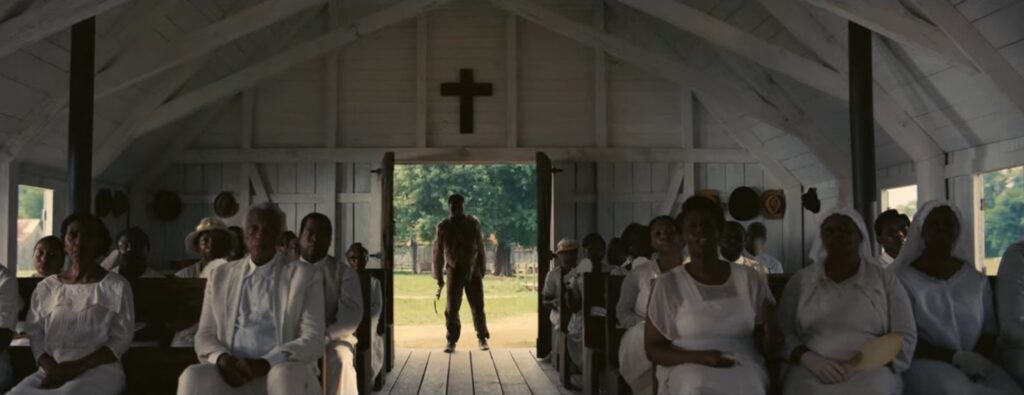
This push-and-pull dynamic makes Shadow Force more than just another chapter in the genre; it’s a raw, high-stakes test of love and loyalty, driven by a blend of action, adventure, assassins, and family bonds that few films are bold enough to attempt.

Cinematic Style and Action Sequences

The action, adventure, assassins’ pulse of Shadow Force is felt in every frame, sending shockwaves through fans who crave dramatic fight scenes, electric chases, and visual spectacle. As AMC A-List members already know, this is the type of film that makes seeing movies in the theater a must. (New to AMC’s club? Explore AMC A-list membership benefits to see why premium action deserves a premium seat.)

High-Octane Scenes and Choreography

Shadow Force takes common action, adventure, assassin stories and cranks the intensity dial to ten. The choreography doesn’t pull punches. You’ll see bodies slam into walls, shatter glass, and leap fences in pursuit scenes that blaze across city streets and deserted warehouses.

A few sequences burn themselves into memory:

  • Opening Freeway Chase: Engines roar, tires shriek, and windshields explode as Kyrah and Isaac dodge armored vans, flying bullets, and motorcycles weaving through tight traffic.
  • Close Quarters Combat: When henchmen corner Kyrah in a crumbling apartment, every move is a dance of survival. Furniture smashes, knives flash, and the fight unfolds with a gritty, real energy; no wasted motions or fancy flairs, just sweat and impact.
  • Stealth Takeover: Isaac’s silent break-in is a showcase of tension. Shadows flicker on the walls while quick, efficient takedowns silence guards before they can radio for help.

The fights never drag. Each punch, kick, and acrobatic roll lands with real weight. You feel every breathless second as if you’re standing right beside them. According to a recent discussion on fight choreography for Shadow Force, the leads prepared for months to make these moments look real; clearly, effort pays off.

Visual and Sound Craft: Strengths and Shortcomings

Lighting and editing shape the film’s unique style. Scenes shift swiftly from neon-lit streets to rain-slick warehouses, adding raw atmosphere to every showdown. The cinematographer uses deep shadows not just for mood, but to keep you guessing where danger might spring from next.

Editing is quick but not chaotic. Each shot is cut to the rhythm of the chase or fight, ensuring you never lose sight of what’s at stake and who’s at risk. You won’t find the kind of dizzying, confusing cuts that plague lesser action, adventure, assassins films.

Sound is where Shadow Force tries something bold: incorporating Isaac’s hearing aids into the combat. When he’s thrown, the audio distorts; gunfire muffles, heartbeats pound loud enough to swallow dialogue. This gives you his perspective for a few heart-stopping moments. The move is ambitious and doesn’t always land: at times, effects overtake clarity and can briefly pull you out of the scene.

Still, the risk mostly pays off, drawing the audience closer to the action’s emotional core. For a broader perspective on how the film’s direction and editing impact immersion, the Variety review of Shadow Force unpacks why some sequences hit harder than others.

By the end of these set-pieces, it’s clear Shadow Force relies on strong visuals and crisp editing to keep things tight and punchy. While not every sound cue or lighting choice is perfect, the film wins points for trying things most action, adventure, assassins movies wouldn’t risk; making for a viewing experience that feels rough, raw, and just a bit different from the rest.

Themes and Rating: How Far Does Shadow Force Go?

Shadow Force isn’t shy about pushing its limits. This film leans in on action, adventure, assassins, and the gritty consequences that ripple through families living outside the law. The R rating speaks for itself. Here’s a frank look at exactly where the movie draws the line; and where it leaps right over.

Violence, Language, and Family Conflict

Shadow Force doesn’t hold back when it comes to violence. Every shootout, brawl, and betrayal pulls you deep into a brutal world.

  • Level of Violence: The movie earns its R rating for sustained action. Fistfights crack bones. Gunfire is constant. The violence isn’t cartoonish; it feels raw, messy, and desperate. You see the personal toll, not just for the leads but also for nameless henchmen who fall along the way.
  • Profanity: Language stays sharp and authentic. Characters in this world curse like they mean it. It matches the intensity of people living on edge, with strong profanity sprinkled throughout tense exchanges and arguments.
  • Family Conflict: The emotional blows hit as hard as the physical ones. Scenes crackle with tension whenever Kyrah and Isaac disagree over how to keep their son safe. The film doesn’t shy away from exposing the frayed edges of their partnership. Arguments and hard choices feel honest, often mirroring the rough stakes of real family disputes; but here, the fallout is deadlier.

Content watchdogs do not mince words. In its review, Common Sense Media highlights Shadow Force’s intense violence and frequent strong language, reminding parents and viewers that this is a film for mature audiences. If you’re sensitive to on-screen fighting or heavy family drama, prepare yourself; there’s no sugarcoating here.

In sum, Shadow Force walks a line between raw entertainment and moody, symbolic storytelling. The rating reflects a fearless approach; this isn’t action, adventure, assassins fare for the faint of heart, but for those who want honesty in every cut, curse, and glance.

Final Verdict: Does Shadow Force Stand Out Among Action Films?

Shadow Force enters a crowded field packed with action, adventure, assassins, and intense showdowns. As audiences line up for fresh takes on the assassin genre, many want to know if this film truly steps out of the shadows of its competition or fades into familiar territory. This section breaks down how Shadow Force compares to its peers, weighs its strengths and flaws, and looks at why this could be a good pick for action fans.

How Shadow Force Compares to Other Assassin Flicks

Assassin films have a huge following. Classics like John Wick, Atomic Blonde, and Leon: The Professional have set a high bar for edge-of-your-seat action, stylized violence, and brooding antiheroes. Shadow Force sticks to the rules of the genre but adds its own flavor by putting parental instincts front and center.

  • Comparative Strengths:
    • Shadow Force stands out with the emotional stakes at play. The family focus brings something fresh to the table, unlike many cold-blooded assassin films where action comes first, emotion second.
    • Its visuals and action choreography feel raw and real, creating an immersive experience for viewers who love feeling every punch and gunshot.
  • Where It Falls Short:
    • Clichéd plotting sometimes holds it back. Fans of the genre will spot recycled elements, especially in the setup and the big final showdown.
    • The tone can be uneven. Shifts from hard-hitting action to dramatic family moments aren’t always smooth. Some scenes feel jarring as a result.
    • Character depth gets sacrificed for speed. You may wish for more development beyond the surface-level struggles.

Action fans who love exploring the full spectrum of the genre can find deep dives into the best assassin movies ranked by Tomatometer, and lists like the greatest hitman and assassin movies ever put Shadow Force into perspective next to legends like The Killer or Wanted.

By comparison, Shadow Force fits in snugly among the 10 best action movies with assassin main characters, especially for viewers craving more than just slick moves; they want emotional risk too.

Experience for AMC A-List Members

If you’re part of the AMC A-List crowd, Shadow Force definitely deserves a spot on your watchlist. The film pops in theaters, thanks to loud audio design and crisp editing that demand a massive screen. The impact of action, adventure, assassins, and drama multiplies when viewed with premium sound and picture quality.

AMC A-List members enjoy extra perks that make the experience even better, including seat selection and discounts. Details are available in this overview of AMC A-list membership perks. Those benefits can turn a good action night into a great one, especially when the film’s sensory elements amp up with surround sound.

Honest Critique: Balancing Fun and Frustration

Shadow Force tries to go big on both thrills and feelings. Sometimes it nails the blend, offering high stakes and believable stakes. In other moments, it stumbles, leaning too hard on tired assassin movie tropes or letting plot shortcuts weaken the emotional payoff.

Still, its willingness to show the messy side of the assassin life, with chaotic family arguments and mistakes, gives it just enough of a twist to keep things interesting. While it won’t replace the best of the genre, it keeps the action, adventure, assassins spirit alive with enough new energy to be worth the ticket.

Reviewed

Shadow Force knows its audience: those hungry for action, adventure, assassins, and a dose of chaos wrapped in family stakes. For fans chasing the pulse of shootouts and the grit of raw emotion, the film brings welcome energy, even if it stumbles through some familiar ground. What it lacks in polish, it makes up for in sharp fight scenes and moments where loyalty gets put to the test.

Big screens and surround sound make every scuffle and chase feel massive, but I’m not sold on the fact that this is a must for a theater experience. I believe I would of enjoyed it equally streamed from my living room. Don’t get me wrong, I enjoyed it, but it was oversold for a theater blockbuster event in my opinion. While not every risk lands, Shadow Force never loses sight of the stakes; and that’s where it earns its place among new action, adventure, assassins films lighting up marquees this year. Giving this one a 3.75 out of 5 review, Oisin Rhymour, Techno Tink Media, www.technotink.com/design.
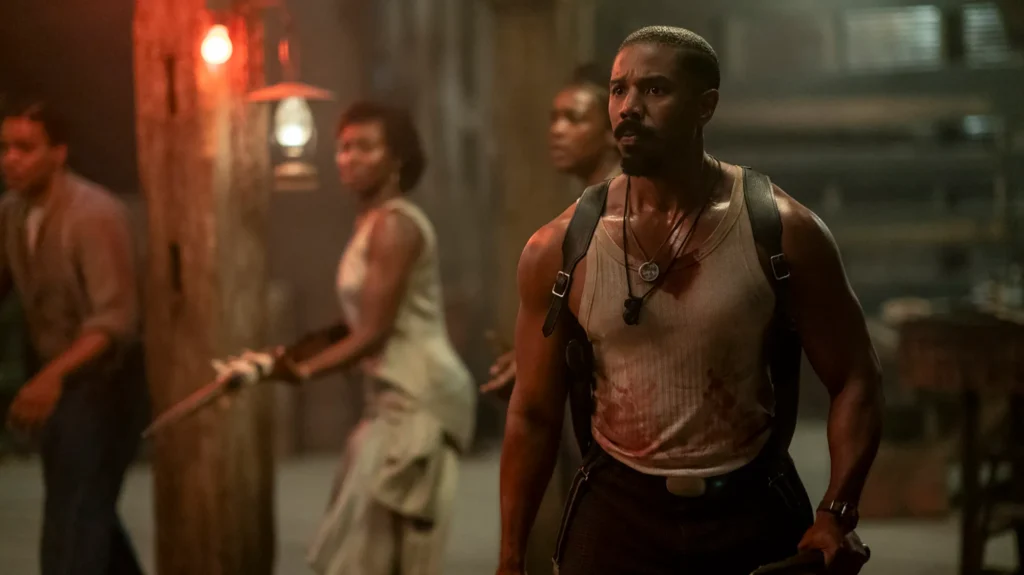
The Surfer (R: 2025) Nicolas Cage in a Tense Coastal Drama

The previews looked good, the movie delivered, and was atypical Nicolas Cage craziness. If you’re searching for a tense, sun-bleached story about bullying, gangs, surfers, Australia, and Nicolas Cage, “The Surfer” delivers with piercing intensity. This psychological thriller throws Cage into the rough waters of coastal exclusion, where every glare and crashing wave holds a threat. Set on an unforgiving stretch of beach, the film’s visual style pulses with heat, mirroring the mounting pressure on its wounded outsider.

The unsettling tone builds with every scene as outsiders and locals collide in a cruel cycle of intimidation. If you want to stretch your movie budget while catching films like this one, see the details on AMC A-list perks and savings. With its stormy themes and sharp lens on social alienation, “The Surfer” stands out as a must-watch for anyone following Nicolas Cage’s wildest roles or drawn to powerful Australian stories.

The Storyline: Obsession, Identity, and Social Tension

“The Surfer” wraps its audience in a storm of nerves, ego, and estrangement. Nicolas Cage embodies a man haunted by his past, determined to reclaim what was stolen from him on Australia’s blistering shores. The movie thrusts bullying, gangs, surfers, Australia, and Nicolas Cage into a blender, creating a drama thick with tension and longing. Every scene feels like a wave ready to break.

Returning Home: Cage’s Journey to the Australian Waves

Cage’s character drags more than his surfboard onto the sand; he lugs painful memories and the stubborn urge to prove himself. Years after leaving his coastal hometown, he heads back with the hope of sharing his love of surfing with his teenage son. But the beach that once felt like home is now dominated by a tight-knit gang of local surfers.

Soon after his arrival, old scars reopen. In this hot, salty air, Cage’s need to reclaim identity runs into the hard edge of those who never really let him belong. The early exchanges with the gang are tense; stares linger too long, quiet insults follow every step, and a simple attempt to ride the waves becomes a battle of pride.

If you want a breakdown of how this throwback tension unfolds, the Prague Reporter’s review of The Surfer captures Cage’s emotional tightrope with precision. The movie’s setting isn’t just a backdrop; it’s a powder keg ready to blow.

Fans curious about Cage’s personal struggles with surfing behind the scenes will get a kick out of Variety’s coverage, where Cage describes nearly drowning to bring authenticity to his role.

Escalation and Isolation: Bullying on the Beach

Bullying isn’t just a passing theme in “The Surfer”; it’s the engine driving every conflict. The gang’s casual slights give way to clear hostility as Cage’s character dares to stick around. With every wave he tries to ride, the group’s jeering escalates, turning sun-soaked fun into a daily gauntlet. The most devastating attacks aren’t physical, but psychological: shouted insults, stolen boards, social snubs. In a world where inclusion is everything, exclusion cuts deep.

  • The gang creates invisible walls on the sand, marking their territory and daring outsiders to cross.
  • Public humiliation becomes a weapon, as wordless stares and mocking laughter twist the knife.

This cruel cycle makes Cage’s isolation feel raw and personal. He’s not just fighting for waves; he’s fighting to matter.

Watching this spiral, it’s easy to see why “The Surfer” stands apart from formulaic thrillers. The film keeps its focus tight: the sting of being unwanted, the madness of obsession, and the weight of old wounds in a place that should feel like home.

If you’re planning to catch “The Surfer” in theaters, remember AMC A-list makes it easy to see bold stories like these while keeping your movie nights affordable. Find out all about AMC A-list savings and perks so you don’t miss any of Cage’s most daring roles.

For more insight into the film’s cast and details, you may want to check out the Movie Geeks’ thoughtful review of The Surfer to round out your perspective.

Performance, Visuals, and Directorial Vision

“The Surfer” does more than just tell a story about bullying, gangs, surfers, Australia, and Nicolas Cage; it grabs you by the collar and drags you through salty air and sand. It’s a film that uses its star, its setting, and its eye-popping visuals to create a tense energy that refuses to let go. Below, we take a closer look at Cage’s charged performance and the film’s hypnotic style.

Nicolas Cage: A Descent into Obsession

Nicolas Cage has a special way of stealing every scene, and “The Surfer” lets him loose, swinging between restraint and wild outbursts. Here, he shapes a character buckling under the weight of past humiliations and everyday cruelty. Watching Cage shift from quiet frustration to explosive anger feels honest; every glare and shake makes his pain real. It’s unpredictable, like a storm growing at sea.

His journey is a slow unraveling. When things get ugly on the beach, Cage’s face says it all; a mix of rage, embarrassment, and desperate hope. You can tell he wants respect more than revenge, and that’s what makes his descent so gripping. For those interested in how far Cage pushes himself for a role, Nicolas Cage Goes Rat Sh*t Crazy in ‘The Surfer’ (Review) offers rich insight into his relentless energy and risk-taking. It’s another reason why AMC A-list members chase big, bold performances; they know Cage rarely plays it safe, and neither does this film.
Visual Language: Surrealism and the Australian Landscape

The director paints with a wild brush, turning Australia’s beaches into both paradise and prison. At first, the film dazzles with blue water and golden sand, but the beauty sours fast. Tight shots keep things claustrophobic, making every trespass on the gang’s territory feel like walking into a trap. There’s grit in every grain of sand, every scowl, every sunburn.
The film uses dreamlike sequences to blur what’s real and what’s imagined. Colors pop and then fade, as if the coast itself shifts with the intensity of Cage’s thoughts. You never quite feel safe; the beach seems to close in around Cage, mirroring his growing paranoia and isolation. This clever use of visuals cranks up the stress and lets the audience feel every ounce of pressure.

If you crave more detail about the film’s mix of style and unease, The Surfer: Nicolas Cage’s Bat-Shit Crazy Ride breaks down the artistic choices that push both the visuals and Cage’s performance to the edge.

Cinephiles looking to stretch their movie budget without missing vivid, risky films like this can check out all the AMC A-list perks and savings that keep top-tier cinema within easy reach.

Themes: Masculinity, Group Identity, and the Need to Belong

The tension in “The Surfer” doesn’t just come from violent waves or hostile glares; it’s rooted in deeper struggles about who gets to belong and what it means to be a man. This film ties bullying, gangs, surfers, Australia, and Nicolas Cage together with themes of exclusion, loyalty, ego, and pride. By focusing on these forces, the movie highlights how community and masculinity push people to their limits, sometimes straight into dangerous territory.

Gangs and Group Behavior: The Price of Belonging

Life on the sand in “The Surfer” is ruled by a local gang that acts like the self-appointed guardians of the beach. Their tight bond creates invisible borders that outsiders dare not cross. What keeps them united goes beyond friendship; it’s groupthink, loyalty, and a harsh code that demands conformity.

  • The gang’s actions show how powerful the craving to fit in can become. Personal morals fade as the need to gain acceptance rises.
  • Loyalty isn’t just expected; it’s demanded. To be part of the group, members must go along with cruel behavior, even when it turns ugly.
  • Exclusion stings the hardest. When Cage’s character tries to reclaim his place, the group’s pushback is swift and brutal. They treat him as a threat, not a fellow surfer.

This cycle of exclusion and belonging echoes what sociologists call tribalism: those inside the circle get protection and purpose, while outsiders face scorn. If you’re interested in how movies portray group loyalty and toxic behaviors, the thoughtful discussion in this Reddit thread on films about imposed masculinity offers more examples of films that dig into these same tough questions.

For AMC A-list members or moviegoers who pay close attention to social tension in films, “The Surfer” is a clear look at how tribalism can turn a sunny paradise into a minefield.

Masculinity and Ego on the Edge

Underneath the beach drama is a raw study of what it means to be a “man” when everyone’s watching. “The Surfer” uses Cage’s character to show how traditional masculinity can be both armor and prison. The rules are simple: never back down, show no weakness, always appear in control.

  • Cage’s character feels he must fight for his spot, not just on the sand, but as a father and a former local. Pride drives him until it’s all he has left.
  • The tug-of-war between confidence and insecurity is constant. The more he’s pushed, the more stubborn and reckless he becomes.
  • The gang, too, puts on a front. Their power comes from acting tough. But this act has a price; one slip, and you’re vulnerable.

The film presents masculinity as something brittle. It’s armor that cracks under enough pressure, leading to rash choices and broken relationships. For readers curious about how cinema explores these pressures, check out the honest breakdown of masculinity in the movies for more films that tackle the same raw nerves.

The hunger to belong; and to be seen as strong, hits hard in “The Surfer.” With bullying, gangs, surfers, Australia, and Nicolas Cage at its core, the film holds up a mirror to the pains and pitfalls of proving oneself. This focus on social codes and personal pride makes it a standout for anyone who wants more from their movie nights.

Reception: An Art-House Experience

“The Surfer” arrives as a breath of fresh air for film lovers who crave movies that push boundaries. This story of bullying, gangs, surfers, Australia, and Nicolas Cage isn’t just another beach thriller. It’s an intense art-house ride, blending mind-bending visuals and a performance from Cage that glows with raw energy. Let’s break down how critics and audiences are responding; and why AMC A-list fans will want this one on their radar.

Critical Impressions: A Surreal, Divisive Thriller

Critics are split but passionate. On one hand, the film earns serious praise for its breathtaking cinematography and those trippy, sunburned visuals that turn a normal Australian beach into something wild and dreamlike. Nicolas Cage goes all in, giving a performance that feels both explosive and wounded, making every stare and outburst stick.

Reviewers highlight how the film’s style and tone set it apart from most thrillers:

  • The surreal lens, often shifting between beauty and claustrophobia, keeps viewers on edge.
  • Deep themes about identity, pride, and longing give the story real punch.

Some critics point out a few sticking points. The pace is slow, stretching moments of tension to their breaking point, and the layers of ambiguity may frustrate those looking for tighter closure. This is not a standard action flick; it’s a bold experiment in discomfort and introspection.

  • For fans who enjoy dense, layered dramas and don’t mind riding a wave of uncertainty, “The Surfer” is a powerful experience.
  • Viewers who want a clear narrative and fast pace might find it challenging, but that’s exactly why it stands out.

If you’re curious about more opinions and want a deep dive into the movie’s surreal tone and Cage’s descent into obsession, the Prague Reporter’s review breaks it down with rich detail and honest critique.

AMC A-list and The Surfer: Movie-Going Value

Movies like “The Surfer” remind us why going to the theater still matters. The artwork, the sounds, the close-up shots; these shine brightest on the big screen. With AMC A-list, film buffs and casual viewers alike get a chance to soak up ambitious films without breaking their budgets.

AMC A-list brings more than just discounts:

  • See multiple movies each week, including those daring art-house gems.
  • Lock in savings and perks for advance tickets, premiere screenings, and more.

For moviegoers who want to catch unpredictable stories like bullying, gangs, surfers, Australia, and Nicolas Cage all in one wild package, AMC A-list perks for movie fans offer genuine value. The film’s visuals and sound design thrive in a theater, and being able to return for more offbeat masterpieces makes A-list a clear winner for anyone serious about the big screen experience.

Reviewed

“The Surfer” stands as a bold wave in the world of bullying, gangs, surfers, Australia, and Nicolas Cage. It grips viewers with a haunting atmosphere, anchored by Nicolas Cage’s raw and unpredictable energy. Each scene builds tension on the sand and in the soul, showing how pain, pride, and longing can twist paradise into something sharp and unforgettable. It kept me captivated, although some of the struggles dragged on longer than they needed to. The cinematography was brilliant and captured Australian ruggedness at many levels. 4 stars out of 5*, Oisin Rhymour, Techno Tink Media www.technotink.com/design*

This film deserves to be seen on the big screen. Its hypnotic sound, sunburned visuals, and sharp social themes go deeper when the lights drop and the surf crashes at theater volume. For those craving stories where acting, visuals, and bold themes break the mold, catching “The Surfer” with AMC A-list savings and perks lets you experience art-house filmmaking without missing a moment.

The movie leaves its mark; a feverish ride along the hostile coast where no two viewers come away with the same story. For anyone drawn to the edge, “The Surfer” is a chance to see Nicolas Cage and Australian filmmaking at full force.

Thank you for riding this wave; share your thoughts on where this film ranks among Cage’s wildest roles, and check out more intense cinema right here at Techno Tink Movies.

Sinners (R: 2025): Dark Southern Gothic Horror

Unsure of why I was on the fence about seeing this spectacular marvel of southern horror lore and mythology … I’m so glad my AMC A-List pass lured me to see it, one of my current favorite at the cinema titles. It has its flaws, but otherwise spectacularly done. Rating: 4.5 stars out of 5*, Oisin Rhymour, Techno Tink Media: www.technotink.com/design/*

Midnight fog drapes the Mississippi Delta, thick with secrets and shadows. In Ryan Coogler’s ‘Sinners,’ the land itself feels haunted; cotton fields blanch under moonlight, echoing with sorrow and threat. Set in 1932, this horror epic stitches together the nightmares of the past with stories too real to quiet.

Coogler weaves horror and history into every dusty crossroads and winding river, forcing us to confront the darkness that lingers behind southern hospitality. Expect a film that wraps Southern Gothic chills around questions of guilt, family, and hope, while characters search for light in endless night. Movie lovers who crave atmosphere, history, and meaning won’t want to miss this haunting journey. Those who love cult classics like Rocky Horror may also appreciate how stories of place, time, and fear overlap in cinema history.

Story and Setting

The world of ‘Sinners’ swells with heat, dust, and memory, rooted deep in the haunted soil of 1932 Mississippi. Every shot breathes with the weight of history: rows of white cotton shimmer under a bruised sky, and every shadow hints at stories buried beneath. Both the place and its past aren’t just backgrounds, they press on every moment of the film, shaping its night of terror and reckoning. Through the eyes of twin brothers Smoke and Stack, homecoming turns into a collision of hope, guilt, and memory in a single, tense night where past and present bite at the same heels. At first I thought it was a spin-off from the Devil and the Fiddler at the crossroads, but wrong was I … as it weaved Irish folklore in with African American slavery mythos with a twist of True Blood.

A Southern Gothic Canvas: Cotton Fields, Dust-Choked Streets, and Vivid Imagery

‘Sinners’ paints the Jim Crow South with all the weight of lived experience. Rows of cotton stretch far beyond the eye, each plant seemingly thirsty for rain or redemption. The land itself becomes a silent character, heavy with the grief of generations. Dust creeps through open windows, curling around characters’ ankles like regret that can’t be swept away.

  • Cotton fields and dirt roads serve as living reminders of both suffering and survival.
  • Night falls heavy, and moonlight glances off shotgun shacks and silent porches.
  • Small-town streets appear frozen in time, defined by segregation yet filled with the everyday hopes of those who live there.

Ryan Coogler’s camera lingers on these details, letting them settle in the viewer’s memory. The streets of Clarksdale and the Delta are so present, you can almost feel the humidity and taste the blues in the air. The movie’s use of historical setting deepens every emotional note, merging Southern Gothic visuals with horror’s classic tension. The choice to set the story in 1932 Clarksdale reflects real historical trauma—the history behind the film is just as rich as what’s on screen.

Smoke and Stack: Dualities of Brotherhood

At the heart of ‘Sinners’ are brothers Smoke and Stack, played with stunning range by Michael B. Jordan. Their return home is supposed to be a reunion, but it quickly becomes a reckoning.

  • Smoke is quiet, all tight shoulders and inward glances. He carries the burden of memory and responsibility, haunted by ghosts only he seems to see.
  • Stack radiates energy, quick to defend, laugh, and fight for what’s right. He seeks hope in forward motion, unafraid to ask hard questions.

This push-and-pull brings heat to every scene. Their bond; tested by both family secrets and the horror at their door, anchors the movie’s single-night timeline. Jordan brings out each brother’s pain and love: Smoke holds the past close, while Stack fights for the promise of tomorrow.

Their story becomes a lens through which the movie explores themes bigger than blood:

  • Guilt versus forgiveness
  • The weight of legacy
  • Sacrifice and moral courage

If you’re a fan of complex sibling stories and tense family dynamics, this film sits comfortably alongside atmospheric horror classics like those found in our psychological thriller collection. The night these brothers face becomes a tightrope walk; past and present, love and fear, all currency in the film’s dangerous game.

To explore how ‘Sinners’ draws on the folklore, music, and vampire lore of Mississippi, you may want to check out this thoughtful breakdown of the movie’s cultural undercurrents.

Horror, Vampires, and Symbolism

Haunted fields and moonlit crossroads set the stage for terror in ‘Sinners,’ but the film’s monsters offer more than jump scares. Ryan Coogler uses vampires to unpack deep wounds; turning supernatural hunger into a living metaphor for exploitation and disconnection. Each scene with Remmick and his twisted followers blurs the line between myth and painful reality, pulling viewers into a chilling story with real roots.

The Monsters Among Us: Remmick, His Cult, and a New Vampire Mythos


Remmick is no velvet-caped stranger; he’s an Irish vampire who walks hidden roads and rules his followers with quiet menace. Coogler strips away much of the old vampire style and instead paints Remmick in sweat and dirt, embedding him right into the Delta’s pain. His cult moves through Black communities, preying quietlyal; most businesslike, on those caught at the rough edge of society.

Remmick and his group don’t just feed on blood. They seek out the gifted and the hopeful. The vampires steal more than life; they consume memories, skills, and the very essence that makes their victims who they are. The power is chilling: when the vampires strike, the town loses more than a body. It loses music, invention, and tradition. These scenes are hard to watch, yet strikingly honest about the cost of being haunted and hunted.

Coogler’s take stands apart from most bloodsucker tales by rooting his monsters in the realities of oppression. The cult’s attacks feel surgical, a cold machine set on draining life from communities that history has already bled dry. If classic films like ‘Blade’ or even rock horror icons flirted with genre tropes, ‘Sinners’ plants both feet in a world where the threat is real, close, and unglamorous. The atmosphere is soaked in dread, with myth and history never far apart. To dig deeper into the cultural meanings behind Remmick’s character, check out this insightful take on the Irish vampire’s symbolism.

What the Vampires Represent: Hunger, Exploitation, and Ancestral Loss

Coogler uses vampires to stand in for oppressive forces; systems and people that thrive by draining others. The hunger these monsters show isn’t just for blood. Each attack tears families apart, leaving behind an emptier world. The film makes the vampires’ feeding a layered crime: it isn’t just life that’s lost, but memory, skill, and hope passed down through generations.

Remmick’s hunger reflects the deep costs of exploitation:

  • Stealing legacies: Every victim loses not just their life, but the gifts their ancestors struggled to preserve.
  • Erasing history: With each feeding, the community grows weaker, as if old wounds are cut open all over again.
  • Dividing the living: Fear turns neighbor against neighbor, fueling cycles of silence and grief.

This symbolism is powerful because it’s grounded in truth. The vampires in ‘Sinners’ are more than movie villains; they’re echoes of all the ways Black communities have faced theft, violence, and the loss of culture. By binding horror with these realities, the film calls out exploitation both past and present. For more perspective on how vampires have stood in for real-world power struggles and violence, see this thoughtful review on Black vampires in contemporary film.

Coogler’s approach ties in with other films that use horror to ask what happens when knowledge, craft, and roots are stolen from a people. If you’re interested in similar themes, you might explore movies that play with Gothic and symbolic motifs to critique cultural loss and violence.

The message runs through every haunting image: when monsters feed on memory and skill, entire histories are at risk, not just single lives.

Music, Ancestry, and Cultural Roots

Blues beats in every corner of ‘Sinners’. Ryan Coogler stitches the film together with songs of heartache, hope, and struggle; turning music into both a weapon and a shield. This section digs into how blues, spiritual traditions, and memory breathe life into the story’s haunted Mississippi, connecting the characters to each other and to a history both painful and proud.

Blues as Salvation and Danger: Highlight the links between legends like Robert Johnson, the story’s character Sammie Moore, and music’s role in the fight for liberation and identity.

Music cuts through the darkness in ‘Sinners’ just as it did for Robert Johnson at the crossroads. Sammie Moore, the film’s bluesman, draws on the same haunted genius, fingers flying across strings, voice cracking with every note of sorrow and resilience. The legend of Johnson selling his soul to play the blues finds eerie echoes as Sammie faces supernatural threats, questioning what he might give up to survive.

In ‘Sinners’, the blues isn’t just background music. It’s a living force.

  • Song becomes shield; Moore’s music holds the vampires at bay and strengthens the community.
  • Lyrics as protest; each verse carries whispers of rebellion against the systems that choke the Delta.
  • Sound as memory; his guitar riffs stitch family stories, holding lost ancestors close.

Fans of cinema history will catch nods to film classics where music stands at the edge of danger and deliverance. The soundtrack of ‘Sinners’ is a direct response to the way Black musicians have shaped the sound, and power, of American film. For a snapshot of this heritage, explore how Black music shapes the silver screen and why blues, soul, and jazz always matter when watching stories like this one.

Sammie’s story is more than a tribute; it’s a call for liberation. Every guitar solo, every raw, trembling verse, becomes a stand against horror; both real and supernatural. In the world of ‘Sinners’, the fight for identity isn’t just physical. It’s played out in every note bent toward freedom, echoing through the fields at midnight.

Ancestral Bonds and Cultural Memory: Explore how the narrative uses spiritual reverence, memory, and the supernatural to enrich the film’s emotional core and cultural commentary.

‘Sinners’ doesn’t hide from the ghosts of the past; it listens to them. Through rituals, lullabies, and whispered prayers, the characters keep ancestral bonds strong; even as supernatural forces threaten to tear those ties apart. Spiritual memory, seen in the way family stories pass from eldest to youngest, becomes the heart of resistance.

Coogler’s film draws on real Southern traditions:

  • Altars of remembrance sitting quietly in church corners and living rooms.
  • Dreams and visions: characters receive signs; sometimes warnings, from ancestors.
  • Music as invocation: songs become prayers, bridging the distance between the living and the dead.

This rich layering of spirit and memory gives ‘Sinners’ its pulse. It’s not just about vampires or cotton fields. It’s about remembering who you are, who your people were, and how culture endures; even in the darkest times.

Other Southern tales lean into the mystical, too. For readers interested in pop culture’s take on Southern phenomenon, The Commodore 64 and Rocky Horror story offers a fascinating example where memory, nostalgia, and genre collide.

The supernatural isn’t a gimmick in ‘Sinners’. It’s a way for the community to process trauma, to find hope, and to hold tight to sacred truths. The film sits beside others that use horror for spiritual reflection; whether it’s through haunting, resurrection, or music that beckons the old world back. Those interested in exploring more films where spiritual themes shape stories can check recommendations for modern movies with spiritual or supernatural tone.

This dance of song and story roots ‘Sinners’ deep in Southern soil. It’s what makes the film linger; like the sound of a distant guitar, promising that memory and hope can outlast any monster. For more on how Southern stories weave memory, myth, and culture, you’ll find kindred spirits in reviews of films with deep Southern and supernatural roots like those in our Gothic movies archive.

Style, Tension, and Performances

Ryan Coogler wraps every scene of ‘Sinners’ in mood so strong you almost taste the dust and dread. Here, style bleeds straight into story. Visuals haunt you long after the credits roll, and the quiet tension hums beneath each line. With the cast giving all heart, Coogler’s slow-burn suspense and poetry in motion transform a night of terror into a study of grit and humanity. Let’s explore how these choices shape the film’s impact and immerse you inside this gothic nightmare.

Cinematography and Mood: Haunting Visual Language


The camera in ‘Sinners’ does more than frame cotton fields and moonlit porches; it steals your breath and pins you to the earth. Every shot lingers on the stretch of sultry trees, letting moonlight slice through branches and drape silver across the Delta’s raw history. It’s a world painted in stark contrast: shotgun shacks lost in shadows, sweat-sheened faces flickering in lamplight, tension pooling in silent glances.

Coogler’s direction sneaks fear into the corners of each scene:

  • Long takes hold us in place, stretching out suspense like the humid nights. The pressure grows with every heartbeat.
  • Shadow and color become silent characters. Blues and bruised purples cloak tragedy and hope side by side, while dirty whites of the cotton fields snap against the darkness.
  • Low, wide angles make figures look haunted, swallowed up by the land that remembers everything.

It’s not just beautiful; these choices unsettle. You feel the characters’ isolation in every empty dirt road, every ghost-light corridor. These visual strategies go hand-in-hand with the best horror traditions. For a deeper dive into how horror films use lighting, camera work, and color to spark emotion, check out this guide to the basics of horror cinematography.

The film’s rhythmic pacing; slowing for dread, racing for panic, pulls the audience deeper under its spell. Coogler builds an atmosphere that isn’t just seen but sensed. The effect is poetic, immersive, and deeply Southern. For movie-goers hungry for that blend of mood and meaning, ‘Sinners’ is a rare treat. If you’re into visually evocative horror, explore more genre standouts in this collection of psychological thriller movies.

Heart and Grit: The Cast

The soul of ‘Sinners’ comes into focus through its actors. Michael B. Jordan leads with a dual performance as Smoke and Stack, slipping between vulnerability and strength with ease. Every wince, every silent stare, feels honest. The weight of family history seems to etch itself right onto his shoulders. Audiences familiar with his work in intense dramas will notice the same emotional charge; only now, it’s sharpened by the threat of monsters in the night.

But he’s never alone. The supporting cast stands shoulder-to-shoulder, adding grit and warmth:

  • Supporting roles; from the quiet resolve of elders to the unsteady courage of younger townsfolk, bring the community to life. You sense real history between them.
  • On screen, chemistry sizzles. Tensions break into raw argument, tenderness, or desperate laughter; raising the stakes for every choice made in the film.
  • Even the smallest role feels lived-in, shaped by the place and its sorrow.

Long pauses in dialogue, quick flashes of anger or fear; these choices are as important as any special effect. Coogler coaches every actor to fill space with meaning. The result: relationships that feel worn and real, amplifying the peril when monsters draw near.

Jordan’s partnership with Coogler grows stronger here, building on what they started in past films. This collaboration roots each scene in something permanent and human. To learn more about their creative bond and behind-the-scenes dynamic, take a look at this insightful spotlight on Coogler and Jordan’s evolving partnership.

Through their work, ‘Sinners’ never loses sight of what’s at stake; not just life or death, but the heart of a family and the survival of memory. The performances are a reminder that even in horror, grit and love can be the film’s sharpest weapons.

Legacy and Final Thoughts

‘Sinners’ punches through the noise of modern horror with a vision rooted deep in American soil. Ryan Coogler swings wide; aiming to rewrite vampire myth and tie it to the pain, pride, and music of the Black South. Long after the final frame, the film leaves a chill that’s more than fear; it’s memory and hunger echoing side by side.

Ambitions and Lasting Impact


‘Sinners’ dreams big. Coogler flips the classic vampire story on its head, turning monsters into metaphors that stick with you long after you leave the theater. Instead of simple scares, this film invites us to reckon with the shadows of real history and ask what’s passed down; both the wounds and the strength.

Here’s what stands out about this film’s reach and influence:

  • It sets a new path for Southern Gothic horror; mixing ancestral pain, family ties, and supernatural threat in a way few directors have risked before.
  • Its myth-building puts it alongside modern prestige horror, where meaning grows out of dread. The world of ‘Sinners’ feels lived-in, haunted by both fact and legend.
  • Ambitions are high: this is a story that wants to matter, not just entertain.

Other filmmakers have settled into the safe grooves of spooky cinema; Coogler presses out into rough country. ‘Sinners’ joins films that leave deep imprints—where viewers return not for the frights, but for the questions and images burned in their minds. For readers who enjoy films that fuse myth and memory, revisiting gothic movies that challenge genre boundaries can help draw out these connections.

Modern Reception and Genre Standing

Reviews for ‘Sinners’ point to its bold moves and rich atmosphere. Critics at outlets such as Vulture call the film both “bold” and “distinct,” noting how it brings out the voice of the Black South while also holding back some classic horror punch. Not everyone finds the scares as sharp as the symbolism, but that’s almost beside the point. The film is discussed not just as a horror flick, but as a cultural moment.

Movie buffs and everyday fans on Reddit’s discussion threads praise the motion picture’s ambition, with many saying it hits a sweet spot between thriller and historical drama. Threads buzz with debate over what sticks out most; the eerie mood, the music, or the slow, patient storytelling.

The film’s biggest legacy may lie with genre fans hungry for art that cuts deeper than formula. ‘Sinners’ stands beside modern horror stories that challenge what the genre can achieve, touching the spirit as much as the nerves. Readers interested in atmospheric Southern tales mixed with spooky and smart storytelling will find plenty more inspiration in psychological thriller movies with similar moods.

Where ‘Sinners’ Stands in Modern Horror

Coogler’s film won’t please everyone. Some horror lovers will crave more blood and less heartache. But for those who want fear rooted in something real; where every shiver means something, ‘Sinners’ is a film that sets its own rules. It calls to those who see horror as a lens for truth, not just a source of frights.

The movie stands as a bold torch-bearer for smart, soulful horror. By fusing history, myth, and music, it leaves footprints other directors may one day follow. The story lingers, much like the pulse of blues guitar drifting across a midnight field, daring anyone who listens to remember what was lost; and what can still be found.

Reviewed

‘Sinners’ stands out as a bold blend of horror and history, binding the haunted soil of Mississippi with stories that refuse to be forgotten. Ryan Coogler uses fear not as an escape, but as a lens on memory, culture, and loss. Each frame pulses with lived experience; guilt, music, and hope woven tightly together.

For movie lovers who crave atmosphere and weight, ‘Sinners’ offers more than scares. It’s a reminder that horror, at its best, shines a light on what matters most; roots, resistance, and the hunger to remember. Films that echo this style and ambition often appear in collections exploring gothic storytelling and cultural myth, rewarding fans who chase meaning as much as mystery. I’d give this a full 5 stars, but the only irritant in the film is the adding in of scenes and characters from the future, busting the timeline and era the film portrays. ~ 4.5 stars out of 5, Oisin Rhymour, Techno Tink Media – www.technotink.com/design/

Thank you for joining this journey through shadow and song. If you felt the chill and the call for deeper stories, share your thoughts; and keep an eye out for more films that haunt and heal in equal measure.

Thunderbolts (2025: PG-13) Marvel Shifts Toward Grit and Redemption

I truly was on the fence about whether i wanted to go see this Marvel film or not. If I hadn’t had AMC A-List membership and got it for free, I probably wouldn’t have went to see it in the theater, I would have waited for its arrival on streaming services. What a mistake that would have been!

Marvel’s latest film throws out old rules and brings new grit to the big screen. It truly was destined for an in-theater experience. Thunderbolts isn’t just another team-up; this time, the heroes are messy, bruised, and anything but perfect. The story centers on antiheroes forced to work together, each one shadowed by personal loss and regrets that feel strikingly real.

Instead of shiny ideals, Thunderbolts dives into the hard fight for forgiveness and connection. Every punch and wisecrack lands with the weight of past mistakes. Marvel gambles big here, letting flawed characters grab the spotlight in a story that’s raw, sharp, and surprisingly heartfelt. This isn’t just a new movie; it’s a new path for the MCU, grounded in pain, hope, and the rough road toward redemption.

A New Kind of Marvel Movie

Thunderbolts shakes up what you expect from a Marvel movie. It steps away from grand, world-ending threats and instead puts the spotlight on flawed heroes. The world feels closer, the stakes are personal, and every moment is painted with grit. This film draws a sharp line between the glossy, high-tech look of previous MCU entries and something rawer and more human. Thunderbolts signals a new direction, one powered by visual grit, practical effects, and a focus on hope despite darkness.

A Gritty Visual Style

Thunderbolts doesn’t follow the usual Marvel trend of shining skyscrapers and glossy headquarters. Instead, the film frames its antiheroes in scenes that feel weathered and lived-in. Abandoned buildings, cracked roads, and flickering neon signs set a mood closer to a survival story than a superhero adventure.

You can almost feel the dust on the camera lens and the weight of the city pressing in. Shadows linger. The color palette leans into muted grays and earth tones, giving every shot a tinge of reality; far from the safe glow of previous MCU movies. These visuals help the characters feel small, reminding us their battles are as much inside themselves as they are out on the streets.

Practical Effects Over CGI

What truly sets Thunderbolts apart is its rejection of visual overload. While Marvel films are known for big, computer-generated battles, this movie keeps things real. Explosions are dirty. Car chases are tight. When windows break or walls crumble, the debris feels tangible. The action focuses on close-up stunts and hand-to-h; nd fights, making each hit look, and feel, painful.

Here are a few things you’ll notice:

  • Stunts are physical. Actors trained for bruising fights instead of fighting green-screen monsters.
  • Set pieces show scars. Environments look wrecked, with every dent and burn left on camera.
  • Minimal digital gloss. Visual tricks are used only to enhance, not distract. The result is tension you can feel through the screen.

This hands-on approach brings authenticity to the film, and viewers used to Marvel’s polished look will notice the difference from the start.

The Tone: Darker but Still Hopeful

Thunderbolts is darker than most of its MCU cousins, but it never loses its heart. The film confronts loss, guilt, and the urge to fix broken things. There’s violence and struggle, but also real moments of hope that shine through cracks.

Some scenes hit as hard as anything in the MCU’s past, ranking Thunderbolts among the darkest Marvel movies. But instead of ending in cynicism, the story chooses honesty. Team members lash out, fall apart, and pick themselves back up. Amid gray skies and broken dreams, acts of kindness and loyalty cut through the gloom.

It’s this balance, between shadow and hope, that marks Thunderbolts as a new kind of Marvel film. Every tough moment makes the rare smiles and second chances feel earned. The MCU isn’t just changing its tone with this film, it’s showing that even in the darkest corners, hope can find its way back.

The Antiheroes: Team Breakdown

Thunderbolts brings together a mismatched team of antiheroes, each carrying their history and pain like a second skin. This crew of Marvel outsiders doesn’t always gel, and that’s the point, their chemistry is raw, uneven, and unpredictable. Every fight and quiet moment pulls back another layer, showing that saving the day sometimes means wrestling with your own shadows first. Let’s break down the team’s key players and what makes their dynamic so charged.

Yelena Belova: Emotional Center

Yelena Belova stands as the team’s heartbeat. Her grief is sharp and never far from the surface. What hits hardest is how she balances razor wit with real vulnerability. Unlike stoic leaders of past Marvel teams, Yelena shows her scars and then manages to joke about them, drawing others closer even when she’d rather keep them at arm’s length.

Her drive is about more than just the mission, it’s about finding meaning after so much loss. Yelena’s struggle with loneliness makes her relatable, and her quest for connection glues the team together, often at great cost to herself. For a deep dive into her arc and why she’s a highlight of the film, see the Thunderbolts Cast & Marvel Character Guide.

Bucky Barnes and Red Guardian: Restless Veterans

Bucky Barnes and Red Guardian are war-weary, pulling the team’s story back into the past with their own regrets. Bucky’s silent intensity is always present, he is a man haunted by memory, trying to do good after lifetimes of manipulation and violence. Red Guardian, meanwhile, wears his insecurities on his sleeve, searching for a second shot at glory and relevance.

Their banter lands somewhere between biting and begrudging respect. Scenes with both men crackle with old pain and the tired hope that, somehow, they’re not too broken to matter. This dynamic roots the Thunderbolts firmly in the real, gritty struggles of Marvel’s most human antiheroes.

Ghost and Taskmaster: Underwritten but Promising

Ghost and Taskmaster never quite get the screen time they deserve, but even brief appearances give a sense of promise. Ghost’s phasing powers reflect her internal struggle, always half in, half out, never fully at ease. She moves through scenes like a specter, unable to settle, with trauma that stays just under the surface.

Taskmaster’s arc again hints at more: her silence and skill mask deep uncertainty and an unresolved past. Both characters leave you wanting to know more. They’re wild cards, quiet now, but easy to imagine as bigger players if Thunderbolts gets a sequel. For more context on the movie’s complex cast, check out What to Remember About the Characters in Thunderbolts.

The Sentry and Bob: Surprising Standouts

Every team needs a surprise, and Thunderbolts delivers with The Sentry and his unlikely companion, Bob. The Sentry brings impossible power coupled with fragile mental health, flickering from savior to threat in a heartbeat. His presence alone keeps everyone on edge, his teammates know a single bad day could turn him from hero to disaster.

And then there’s Bob, a character who shouldn’t work, but does, a nervous, out-of-place everyman surrounded by legends. His comic relief is never forced; it provides a light touch to balance the darkness. Their odd pairing leaves a mark, reminding the audience that even sidekicks and the unpredictable can find depth and importance in a film of heavy hitters. To explore Marvel’s love for misfits and why mismatched heroes work so well, read the coverage on the rag team of Marvel misfits.

Plot and Themes: Redemption and Purpose

At its heart, Thunderbolts is more than a gritty team-up. The film peels back layers of trauma and regret, forcing every character to confront choices that haunt them. Purpose isn’t handed out; it’s something the characters claw back, day by hard day. Themes of second chances, finding self-worth, and living with scars connect each subplot. In Thunderbolts, the path to redemption feels steep, and sometimes, just surviving is enough to call it a win.

Redemption as a Superpower

In Thunderbolts, redemption is as powerful as any trick arrow or Vibranium shield. These antiheroes wear guilt like armor, but it’s also what keeps them moving. For Bucky Barnes, every heroic act is a note in his long ledger of regret, a way to push back against the darkness in his head. Yelena Belova cracks jokes, but every one covers a scar. The film isn’t about wiping slates clean; it’s about accepting that the stains may never fade.

Small, hard-won victories matter. Whether it’s Ghost allowing herself to trust the team or Red Guardian risking his life for others, these moments bring meaning to their chaos. They fight, not just for the world, but for their own shaky worth. Looking for a deeper dive into how Thunderbolts handles these themes? Check out the thoughtful analysis on Thunderbolts* and its message about inner demons.

Mental Health at the Core

Thunderbolts doesn’t shy away from mental illness, instead, it puts it front and center. The Sentry’s struggle with his fragile mind, Bucky’s PTSD, Ghost’s anxiety about existence, and even comedic sidekick Bob’s silent battles tell stories that rarely make it into big popcorn action movies.

Critics have taken notice, with many praising how the film deals with depression and the constant grind of living with invisible pain. Each character is allowed to break. Some episodes feel less like superhero action and more like raw confessionals, especially when the movie touches on topics like PTSD or the highs and lows of bipolar disorder. Audiences will recognize what survival looks like in the face of these challenges. To read more about how the film dives into these sensitive issues, visit this review on how Marvel’s darkest film tackles mental health.

Thunderbolts stands out by showing mental wounds as real as any broken bone and by reminding us everyone’s fighting their own war inside.

Valentina’s Shadow

At the center of the Thunderbolts experiment is Valentina Allegra de Fontaine. Her leadership isn’t about trust, it’s about pulling strings. Valentina casts a long shadow over the team, always keeping her motives hidden. Every order tests loyalty, pushing these broken heroes to do her bidding while questioning if their second chance is just another trap.

She’s more than a boss; she’s a puppet master. From manipulating Yelena’s rage to playing on Bucky’s longing for purpose, Valentina shapes the team’s journey with cold precision. Her influence keeps the squad off-balance, making the search for true redemption even harder. To see how her manipulative tactics fit into her role across Marvel projects, read her character breakdown on the Villains Wiki.

Thunderbolts asks if true freedom can ever come from someone who profits from your pain, keeping Valentina’s shadow looming over every scene.

Standout Scenes and Direction

Thunderbolts pulls you in with setpieces and direction that cut through the noise. The film knows when to go big and when to go quiet, always making each beat count. With Jake Schreier’s guiding hand, scenes never feel wasted; even the silences have gravity. Andrew Droz Palermo’s eye for muted, grounded visuals pin the movie to the real world, making every moment hit harder. Practical stunts, like the memorable Merdeka 118 sequence, keep the tension tight and the stakes clear. Son Lux’s score adds another layer, elevating the raw emotion on display. It all adds up to a movie that lingers with you long after the credits roll.

Merdeka 118: High Stakes, High Altitude

The Merdeka 118 action setpiece? Absolutely unforgettable. It crackles with danger and sweat. From the dizzying climb up the real-world skyscraper’s skeleton to the visceral fistfights breaking out hundreds of meters above the city, this sequence never lets you catch your breath. No green screen safety nets—just raw, grounded tension.

You feel every scrape and every gust of wind that rattles the frame. The camera keeps close to the ground (or lack of it), never shying away from how high the stakes actually are, literally and emotionally. The scene isn’t just spectacle; it’s a pressure cooker for team dynamics. Yelena’s distrust, Bucky’s nerves, and The Sentry’s unpredictability boil over. Andrew Droz Palermo’s photography leans into natural light and handheld shots, making panic and desperation look beautiful but never over-glossed.

A close look at Palermo’s Instagram offers insight into his approach, where he teases out raw tension with earth-toned palettes and careful framing. This might be the MCU’s most pulse-pounding tower sequence yet.

Fight Scenes That Mean Something

Thunderbolts doesn’t waste punches or bullets. Every clash advances character and story. Fights are short, sharp, and always personal. These aren’t faceless armies; every opponent matters, every hit lands with history.

Here’s what separates these action scenes:

  • Physical Pain, Real Impact: You recognize actual fatigue. Heroes limp, gasp, and hesitate.
  • Lived-in Choreography: Stunt work feels chaotic and bruising, never slick or rehearsed. Think broken glass, sweating brows, and bloody knuckles.
  • Emotional Weight: Action always comes with personal cost. When Bucky holds back, or Yelena hesitates, you see the war happening inside.

Practical effects rule the day, with Andrew Droz Palermo’s cinematography capturing each detail without smoothing out the rough parts. For more on how Schreier’s choices shape action, check out how the Thunderbolts director, Jake Schreier, shares secrets behind the scenes.

Score and Sound: Son Lux’s Emotional Layer

Music can make or break a scene. Here, Son Lux’s score adds a nervous pulse that you notice, even when you don’t hear it directly. Instead of blasting bombast, the tracks stay close to raw nerves, haunting synths, aching strings, and stuttering rhythms.

Son Lux’s work isn’t about heroism or triumph; it’s about doubt, guilt, and small moments of hope. The soundtrack pushes the film’s mood further, both in the tense silences and explosive moments.

  • Low, pulsing tones linger during character stand-offs.
  • Sparks of melody shine through in rare, hopeful beats.
  • Silence itself becomes a weapon; letting every ragged breath and footstep echo.

This sound design, sometimes barely there, sometimes overwhelming; cements Thunderbolts’ choice to stay grounded and close to its damaged team. Each note feels like it’s fighting to break through the noise, just like the antiheroes themselves.

Critical Reception and Box Office Impact

Thunderbolts came in with heavy expectations, and the response has been as charged as the story itself. Both critics and fans have voiced strong opinions, lighting up forums, social media, an; review aggregators. The numbers and reactions are clear: Marvel’s risk with this film has brought out big feelings, and big bucks. Let’s brek down what critics praised, how audiences reacted, and where Thunderbolts stands in the box office race.

What Critics Loved

From opening night, Thunderbolts sparked buzz for its honesty and grit, a sharp turn from more predictable MCU fare. Major critics zeroed in on a few standout strengths:

  • Emotional honesty: Many reviewers called Thunderbolts one of Marvel’s most heartfelt films. The pain, humor, and brokenness on screen felt real and grounded (RogerEbert.com’s review).
  • Sharp banter and team chemistry: Critics loved the team’s messy dynamics and unpredictable humor. The dialogue had snap and edge, without falling back on old Marvel formulas (Rotten Tomatoes critics’ reviews).
  • Action that means something: Instead of empty spectacle, every brawl moved the story or dug deeper into character motivations.

Some reviewers pointed to a few drawbacks, like pacing stumbles in the final act. But for most, Thunderbolts hit harder than recent Marvel outings, finding a new voice that many agree the franchise needs (Forbes review highlights).

Audience Reactions: Surprised and Moved

Fans hit theaters expecting chaos. What they found was a story that pulled no punches and lingered in memory. Social media buzz has carried a few key themes:

  • Surprise at the emotion: Viewers admitted to being caught off guard by how sad, or hopeful, Thunderbolts could feel.
  • Connection to mental health stories: Many fans said they saw themselves in the film’s depiction of trauma, anxiety, and the slow work of healing.
  • Mixed takes on pacing: While most praised the raw style, some noticed stretches that moved a little too slow for their tastes.

On Rotten Tomatoes, the film holds a solid audience score, reflecting a deep divide; some are all-in for Marvel’s new direction, others yearn for the flashier old days. Still, the tone of the conversation online is mostly positive, fueled by word-of-mouth and repeat tickets (Rotten Tomatoes audience scores).

Box Office Numbers and MCU Trajectory

Thunderbolts roared out of the gate with strong numbers, and some interesting comparisons to past MCU releases. Here’s how things stack up:

  • Opening weekend: Pulled in over $74 million in North America, the highest debut for a Marvel film since 2022 (Thunderbolts financials at The Numbers).
  • Strong legs at the box office: The momentum hasn’t slowed much heading into the second week, with predictions placing Thunderbolts at over $100 million domestic and $30 million for its second weekend (Deadline’s box office update; ComicBookMovie box office news).
  • Budget and profit: With a production budget of $180 million, Thunderbolts is set to clear profitability as global receipts grow.

The success matters for Marvel. After a few box office stumbles and audience fatigue, Thunderbolts’ risky new approach is paying off. Industry insiders say this could signal a turning point, Marvel may double down on more grounded, character-driven films that leave the old superhero gloss behind. The gamble seems to be working, at least for now, and fans are showing up to see what’s next.

Final Review

Thunderbolts draws its strength from imperfection. This film hands the spotlight to broken heroes, making every wound and regret feel sharp and honest. Marvel trades polish for grit, showing that hard edges and haunted hearts can still find something worth saving.

The movie’s raw approach; practical stunts, muted colors, stifled humor, carries through even after the credits. It’s proof that the MCU has room for pain, growth, and the kind of victory that doesn’t erase scars. That’s what sticks: a story where hope belongs to the flawed.

Thunderbolts sets the tone for what’s next in Marvel’s world. As the MCU dares to get more real, audiences are left looking forward to messier, bolder stories that let imperfect heroes lead. Thanks for reading—share your thoughts below and tell us where you think Marvel’s journey should go from here. Rating: 4.5 stars out of 5. ~ Leaf McGowan, Techno Tink Media www.technotink.com/design/