Funny, Provocative, and Built to Start Fights
What does racism even mean in 2026? Is it hatred, power, bias, history, systems, vibes, all of it, none of it? And who gets to set the definition, the loudest activist, the best-selling author, the HR department, or the person being accused?
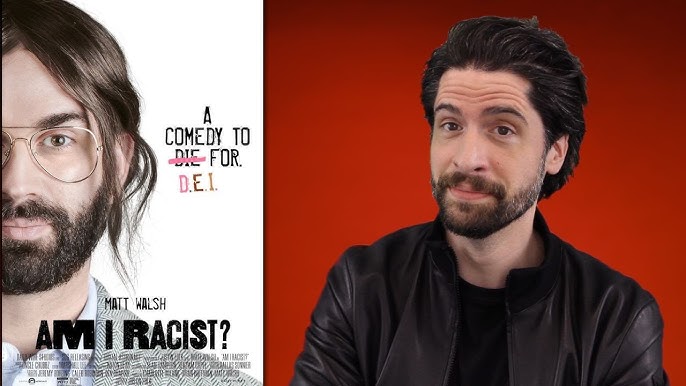
That tug-of-war sits right in the center of Am I a Racist?, a 2024 satirical mockumentary (very much in the Borat-style) from The Daily Wire, starring Matt Walsh, and released September 13, 2024. It’s designed to get nervous laughs, angry quotes, and long comment threads.
This review tries to be fair about what the movie is, what it argues, what’s genuinely funny, and why it makes some viewers furious. My rating: 4 out of 5 stars, because it lands sharp comedy with a clear point, even though it’s divisive and sometimes too pleased with its own “gotcha” energy.
What “Am I a Racist?” is trying to do, and how the movie is built
 Photo by Airam Dato-on
At its simplest, Am I a Racist? is a prank-driven mockumentary where Walsh plays a character, pushes into DEI spaces, and waits for the room to reveal what it believes. The target is not “racism is fake.” The target is a particular ecosystem, DEI training, corporate guilt language, paid anti-racism seminars, and the social pressure to agree with whatever sounds most righteous in the moment.
The movie’s engine is the same one that powers a lot of cringe comedy. You put a polite mask on, walk into a serious setting, and say something just a little off. Then you keep going until someone either stops you (rare) or nods along (often). When people nod along, the film treats it like proof.
The tone is important. This isn’t a calm debate documentary, and it’s not trying to be. It’s built like an ambush dinner party, with Walsh setting traps and letting awkward silence do the heavy lifting. If you’ve read critics comparing it to Borat, that’s not a random insult. It’s the structure. Even The New Yorker’s take frames the film through that exact “Borat of the right” question.
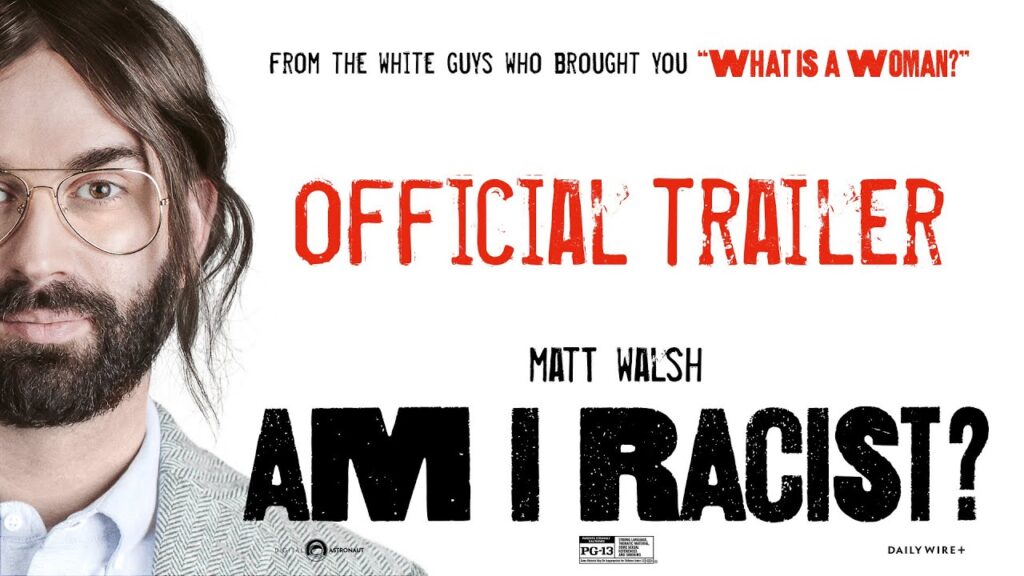
The basic premise (a fake DEI expert to test the system)
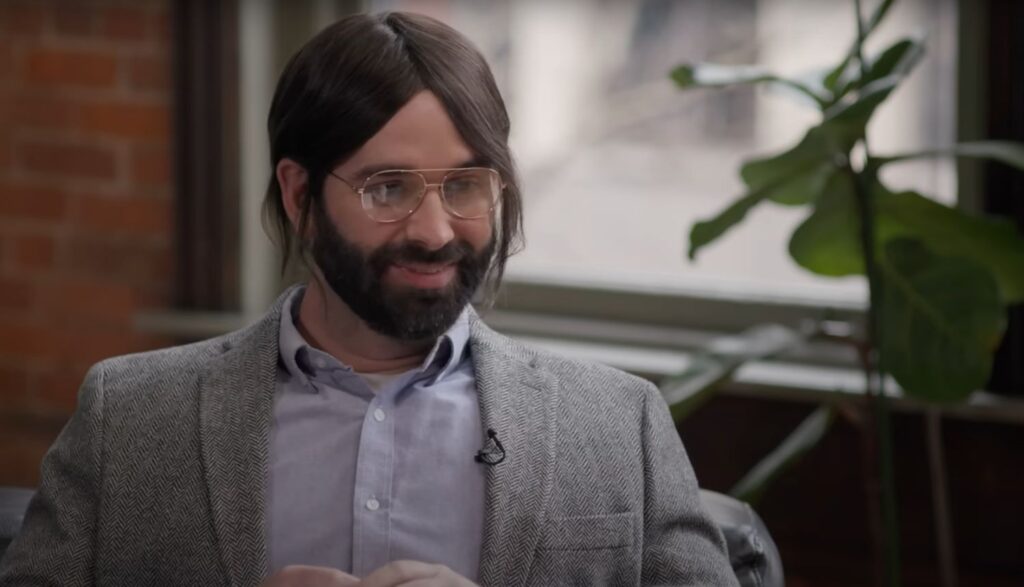
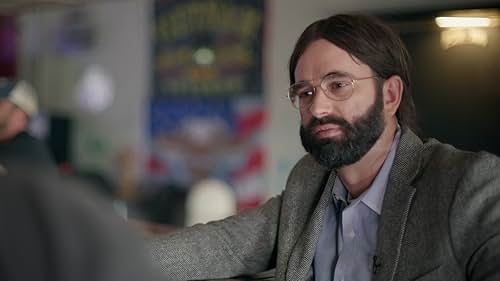
Walsh creates an undercover persona, a wide-eyed “DEI guy” who wants to learn, get certified, and help people “do the work.” He gets trained, picks up the lingo, and earns an online certification (the film treats the ease of this as part of the joke). Then he uses that new badge of credibility to enter real meetings and real conversations.
The core claim is simple and repeated in different outfits: a lot of DEI work rewards performance over substance. The more dramatic the confession, the more intense the guilt, the more money and authority flow to the “expert” who can label it, treat it, and invoice it.
Supporters see that as overdue sunlight. Critics see it as a magician’s trick, where the camera only shows the worst angles and then says, “See? That’s the whole building.”
The humor style (deadpan, awkward interviews, Borat-like traps)
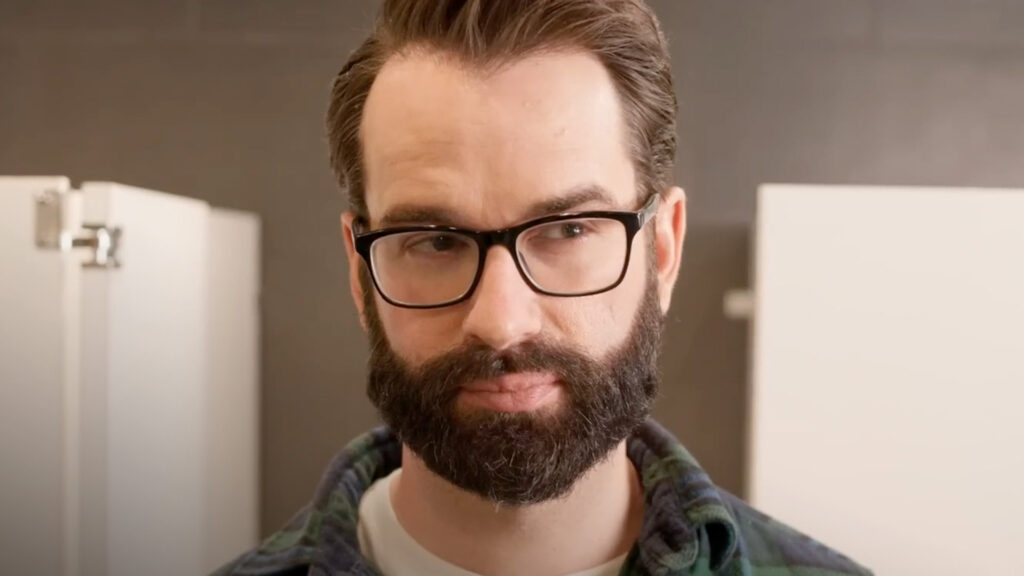
Most of the laughs come from deadpan delivery and uncomfortable agreement. Walsh doesn’t play a clown who honks a horn. He plays a guy who says bizarre things with the calm tone of someone ordering soup.
Expect long pauses. Expect people trying to be polite. Expect that special kind of laughter that escapes your mouth because the moment is so tense your brain needs a release valve.
But that same mechanic can feel mean. The humor often depends on real people, caught off-guard, being made to look ridiculous. If you hate prank comedy, this won’t convert you. If you love the social discomfort of Nathan for You style scenarios, you’ll recognize the rhythm right away.
The scenes people talk about most, and what they prove (or do not prove)
The movie doesn’t win its case with statistics. It wins with moments, the kind you can describe in one breath to a friend, then watch their face change as they picture it. The film is basically a chain of “Wait, they really said that?” vignettes.
That makes it punchy. It also makes it vulnerable, because a highlight reel can be honest and still be incomplete. A few extreme examples can exist, even if most workplaces and trainings are less theatrical than what the film shows.
To track the debate, it helps to separate two questions:
- Is this scene real and revealing?
- Is this scene representative?
The film wants you to answer yes to both, every time. Most critics only grant the first.
Petitions, pranks, and public reactions: the Washington Monument bit
One of the most shared sequences is the Washington Monument petition, where Walsh (in character) pitches the idea of renaming it after George Floyd, making it taller, and painting it black. The point is not really about monuments. It’s about social pressure and public signaling, that reflex to agree quickly because disagreeing feels socially risky.
The scene is persuasive to fans because it captures a familiar feeling: a stranger asks a loaded question, you don’t want conflict, you don’t want to be seen as “that person,” so you nod along.
The limit is also obvious. Street interviews are chaotic. People are distracted. Some are being nice. Some are trolling back. Some don’t want to argue on camera. Agreement in a public prank doesn’t automatically equal a coherent worldview. It proves pressure exists; it doesn’t measure how deep the belief goes.
Interviews and “gotcha” moments: DiAngelo, Race2Dinner, and the money scene
The film’s biggest “scoreboard” moments involve well-known names and paid programs. The Robin DiAngelo segment, including the cash “reparations” moment, is edited to feel like a magic trick with a cruel punchline. Walsh offers money in a way that tests sincerity, then lets the discomfort hang in the air like stage smoke.
Another lightning-rod sequence involves Walsh crashing a Race2Dinner-style event connected to Saira Rao. The camera frames the space as pricey, exclusive, and fueled by guilt, a place where the moral talk and the business model sit side by side.
If you want more reporting context on how these encounters were set up and why they landed so hard with audiences, The Hollywood Reporter’s breakdown gives a useful industry view of the “duped DEI gurus” angle.
Fans love these scenes because they feel like hypocrisy exposed. Critics dislike them because they feel like ambush tactics, where editing and framing pick the winner before the conversation even starts. Both reactions make sense, and that’s the weird power of the film. It’s a Rorschach test with a microphone.
The self-flagellation workshop and the Uncle Frank confrontation
The film’s most visceral material isn’t the street stuff or the sit-down interviews. It’s the “Do the Work Workshop” sequence, where the vibe shifts from awkward comedy to something closer to a guilt ritual. There are whips, shaming language, and a sense that suffering is being treated as moral currency.
Then there’s the Uncle Frank confrontation, where a relative is put on the spot and criticized for wrong-think. It plays like a family sitcom scene shot through a political funhouse mirror. People squirm, and the camera stays close enough to catch every blink.
Supporters see these scenes as proof that the guilt culture can turn cruel fast, even inside families. Opponents see it as humiliation packaged as entertainment. The laughter, depending on who you are, either breaks the spell or tightens it.
Is it insightful or just political trolling? The controversy explained in plain English
If you’re trying to understand why Am I a Racist? gets cheered in one room and hated in the next, it helps to name what each side thinks the movie is doing.
Supporters think it reveals a real industry incentive: DEI consultants can get paid more when the problem is framed as endless, everywhere, and impossible to question. They also think the film punctures the “white guilt” culture that treats disagreement as evidence of moral rot.
Opponents think it commits a classic trick: find the most extreme examples, film them most embarrassingly, then imply that anyone who cares about racism is part of that circus. They worry it turns complicated issues into punchlines and encourages viewers to dismiss everything, including real discrimination.
That critique is laid out bluntly in Persuasion’s essay on the film, which argues the movie makes points but also adds fuel to polarization. You don’t have to agree with the writer to see the concern: comedy can expose nonsense, but it can also harden tribes.
A practical way to think about “who this is for” is simple. If you already suspect DEI has become performative, you’ll feel validated. If you’ve had good experiences with thoughtful equity work, you’ll likely think the movie is mocking a straw man.
What the film gets right about DEI incentives and performative guilt
Even if you don’t like Matt Walsh, the film still lands a few clean hits on incentives that are hard to deny:
DEI can become a paid language system, where jargon replaces clarity. It can create pressure to confess bias in public, even when the “confession” is more theater than growth. And it can treat dissent as moral failure, which is a fast way to shut down honest discussion.
The movie’s smartest move is turning abstract talk into concrete moments. When someone nods along to an absurd claim because it’s coated in moral urgency, you see how signaling works. Comedy becomes the flashlight. Not gentle, not fair-minded, but bright.
Where the film feels unfair or incomplete (and why that matters)
The biggest weakness is selection bias. The movie focuses on extreme people and extreme workshops, then uses that to paint a broad picture. Viewers can walk away thinking most DEI work looks like this, when many trainings are more boring than sinister.
Editing and framing matter too. Mockumentaries are built to guide your emotions, and this one absolutely does. It sets up a villain-of-the-week structure, where the target gets minimal space to make their strongest case.
There’s also a reception split that mirrors the culture split. Audience scores have been very high, while critics are mixed, which you can see reflected on Rotten Tomatoes’ page for the film. That gap doesn’t prove critics are wrong, or audiences are right, but it does show the movie plays best to people who already like its vibe.
My take and 4 out of 5 rating: who should watch, who should skip
Here’s the clean verdict: Am I a Racist? is funny, pointed, and easier to watch than most issue documentaries because it’s built like a comedy set. It also has blind spots big enough to drive a tour bus through. I’m still at 4 out of 5 stars because it succeeds at what it’s trying to be, even if it doesn’t succeed at being what its harshest critics want.
One quick content note: even some friendly reviewers flag crude language and edgy material, along with the broader PG-13 tone. If you want a parent-style heads-up, see the content notes in Geeks Under Grace’s review.
Watch if:
- You like awkward, deadpan prank humor and can handle secondhand embarrassment.
- You’re curious what DEI jargon looks like when someone pushes it to absurd extremes.
- You want a conversation starter, not a soothing bedtime story.
Skip if:
- You want a balanced documentary with strong opposing arguments.
- You dislike “gotcha” setups in principle.
- You’re burned out on culture-war entertainment and don’t need another spark.
What works: strong laughs, memorable stunts, and a clear argument
The pacing is solid, and the stunts are sticky. You remember them the next day, which is rare for documentaries and even rarer for message-driven ones. Walsh’s deadpan delivery is the secret sauce. He keeps his voice steady while the room spins, and that contrast creates the laughs.
The film also does something valuable: it takes phrases people repeat, “do the work,” “center voices,” “white fragility,” and makes them collide with real behavior. Sometimes the collision reveals emptiness. Sometimes it reveals fear. Sometimes it reveals a person trying to be kind and failing in a very public way.
As entertainment, it’s effective. As a cultural artifact, it’s the kind of movie people will cite in arguments for years, not because it’s perfect, but because it offers clean clips for each side.
What holds it back: narrow targets, heat over light, and the risk of preaching to the choir
It loses a star because it often chooses heat over light. The movie doesn’t spend much time with serious, good-faith anti-racism work, or with the strongest arguments for why DEI exists in the first place. That absence matters because a takedown feels less convincing when it refuses to wrestle a capable opponent.
It also risks preaching to the choir. If you’re skeptical of Walsh, the film rarely builds bridges. It mainly builds walls, then hangs trophies on them. And while it gestures toward a broad “MLK-style” unity message, it doesn’t really sit with the hard part, how a society talks about racism without guilt theater on one side or flat denial on the other.
Conclusion
Am I a Racist? is a funny, controversial critique of DEI culture that many viewers will find cathartic, and many others will find offensive. It’s sharp when it exposes incentives and social pressure, and weaker when it implies the loudest examples represent the whole story. My rating stays at 4 out of 5 stars.
Now it’s your turn: what do you think the film actually proves, and what would a fair conversation about racism look like if it avoided both guilt theater and denial?