Scream 7: Movie Review (3.75/5 Stars)
Scream 7 keeps the franchise alive with a mix of nostalgia, sharp humor, and just enough fresh twists to keep longtime fans guessing. While it doesn’t reinvent the formula, it leans confidently into the self-aware horror style that made the series famous. The kills are inventive, the pacing moves quickly, and the mystery surrounding Ghostface still delivers a few satisfying surprises. A couple of plot beats feel familiar, but the film’s energy and playful nods to past entries help carry it through.
Overall, Scream 7 is a fun return to Woodsboro’s bloody tradition… solid slasher entertainment that earns a 3.75 out of 5 stars. ~ Oisin Rhymour, 3/5/26.
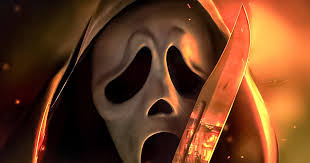
Sidney’s Homecoming Is Messy, Loud, and Hard to Ignore
Scream 7 (released February 27, 2026) is a rowdy, Sidney-forward sequel that plays like a reunion tour with a few new bruises. It isn’t the cleanest entry, and it doesn’t always land its big swings, but it does bring back a tense, personal kind of danger that recent chapters only brushed against. I was hesitant to go see it as I feel like the series is overdone and ready to retire. But I was pleasantly surprised.
This review stays spoiler-light. I’ll cover the setup, the scares, the mystery mechanics, the performances, and how Kevin Williamson’s return as director changes the vibe (for better and worse). Long-time fans, especially anyone who missed Sidney, will feel the weight of this one.
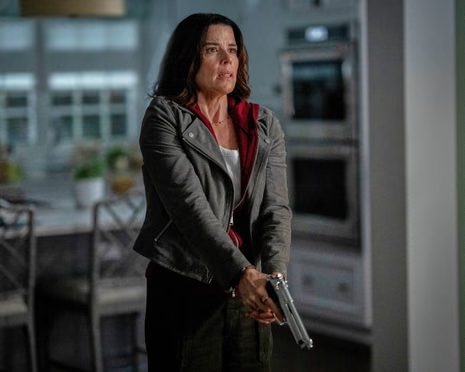
What Scream 7 is about, and what kind of sequel it wants to be
Scream has always been a whodunit wrapped in a slasher mask, but each era picks its favorite ingredient. The 2022 and 2023 films leaned into fresh blood and franchise talk. Scream 7 shifts the spotlight back to Sidney Prescott and asks a simpler question: what happens when the past won’t stay buried, even after you’ve built a whole new life on top of it?
Ghostface returns, the phone rings again, and Sidney’s family becomes the target. That single choice re-centers the series emotionally. The movie wants to feel like a legacy sequel, not just because familiar faces show up, but because it treats Sidney’s safety as the main engine of suspense. If you’ve ever thought, “Let this woman rest,” you’ll probably think it again here, and that tension is part of the design.
If you want the basics at a glance (credits, runtime, cast listings), the most straightforward reference is the film’s Scream 7 page on IMDb. It’s also a useful refresher if you’re walking in with friends who haven’t watched every entry.
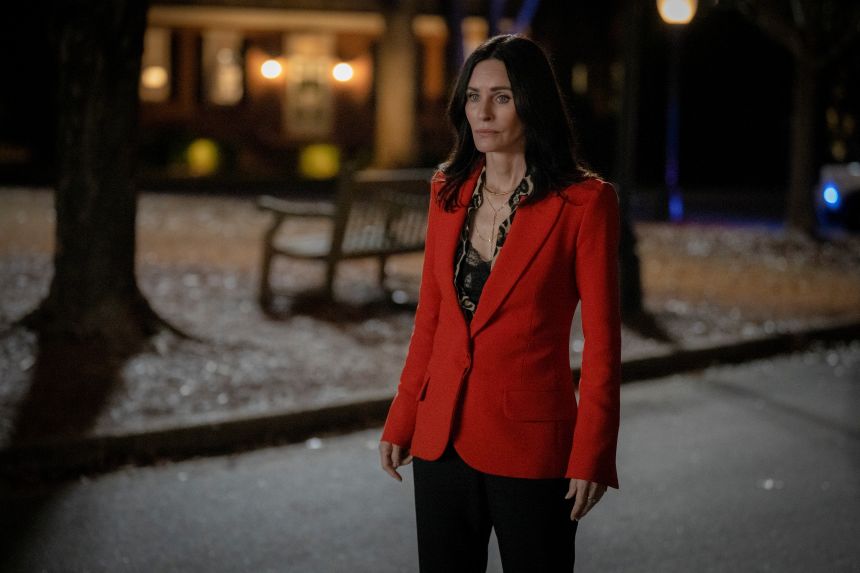
Spoiler-free story setup: Sidney’s new life, and why Ghostface returns
The opening stretch paints Sidney’s day-to-day as deliberately quieter than you’d expect for this franchise. The calm feels earned, which matters because Scream works best when it violates a sense of normalcy. Here, that normal is domestic and protective. Sidney isn’t just a survivor now, she’s a mom, and the film makes that identity the pressure point.
Then the mask shows up, because of course it does. The new Ghostface doesn’t target Sidney at random. The attacks feel aimed at her sense of control, and more sharply, at the people she can’t protect with experience alone. Isabel May plays Sidney’s daughter, and the story uses her as more than bait. She’s a mirror that reflects Sidney’s fear in a new form: not “Will I live?” but “Can I keep them safe?”
The setting helps, too. Instead of constant campus energy, the movie leans into a smaller, more private atmosphere at first. That makes each intrusion feel like someone stepping into your house with muddy shoes, then tracking dirt through every room.
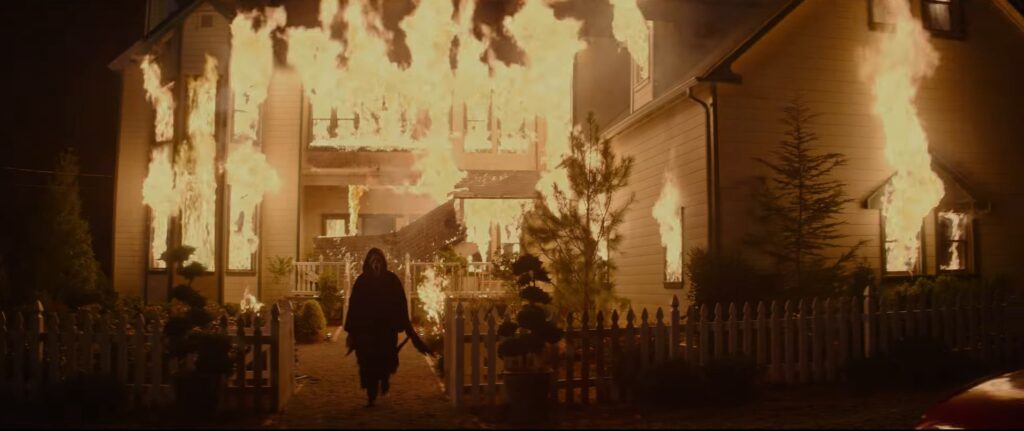
How the tone feels this time: satire vs straight horror
Scream without jokes is like Ghostface without the voice; it can work, but it isn’t the same brand of fun. Still, Scream 7 trims the wink-wink banter compared to the most recent films. The meta commentary is there, yet it’s less of a running stand-up set and more like nervous humor used to keep panic at bay.
One reason it feels different is the way the movie handles its early tension. The opening sequence carries that classic Scream rhythm (phone call, verbal sparring, threat escalation), but it pushes harder on dread than punchlines. Dialogue lands in shorter bursts, and scenes hold on faces a beat longer, as if the film wants you to notice how tired these people are of being hunted.
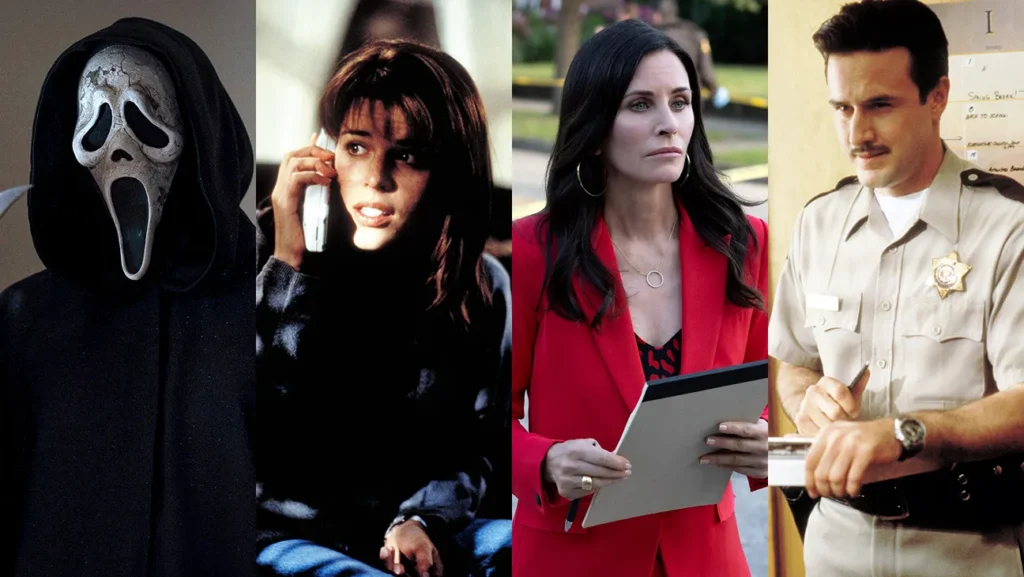
That said, the movie still remembers it’s a franchise built on genre-awareness. When characters talk about “rules,” it plays less like a lecture and more like an argument, the kind you have when everyone’s stressed and nobody agrees on the plan. It’s a shift toward straighter horror, but it never becomes humorless. It is also very interesting watching the actors/actresses as they age alongside myself, and you can see it in these films.
The best and worst parts of the movie, in plain terms
The best thing Scream 7 does is make the stakes feel personal again. The worst thing it does is occasionally confuse “personal” with “busy.” When it’s focused, it’s tense and mean in the right ways. When it sprawls, it starts to feel like the film is chasing its own legacy, trying to satisfy every corner of the fanbase at once.
Pacing is the main gamble. The first act sets strong hooks and a clear emotional core, but the middle stretch sometimes stacks scenes that do the same job. The movie can also be oddly impatient about clues, tossing out suspicious behavior fast, then moving on before it has time to simmer.
Critics haven’t been kind overall, while audiences still turned the opening weekend into a real event. Rotten Tomatoes’ box office write-up captures that split, and it also tracks how big the debut was for the series in 2026: see Rotten Tomatoes’ weekend box office report. For viewers, that gap usually signals one thing: your mileage will depend on what you want from Scream right now, comfort-food familiarity or a clever reinvention.
Scares, suspense, and set pieces: what lands, what falls flat
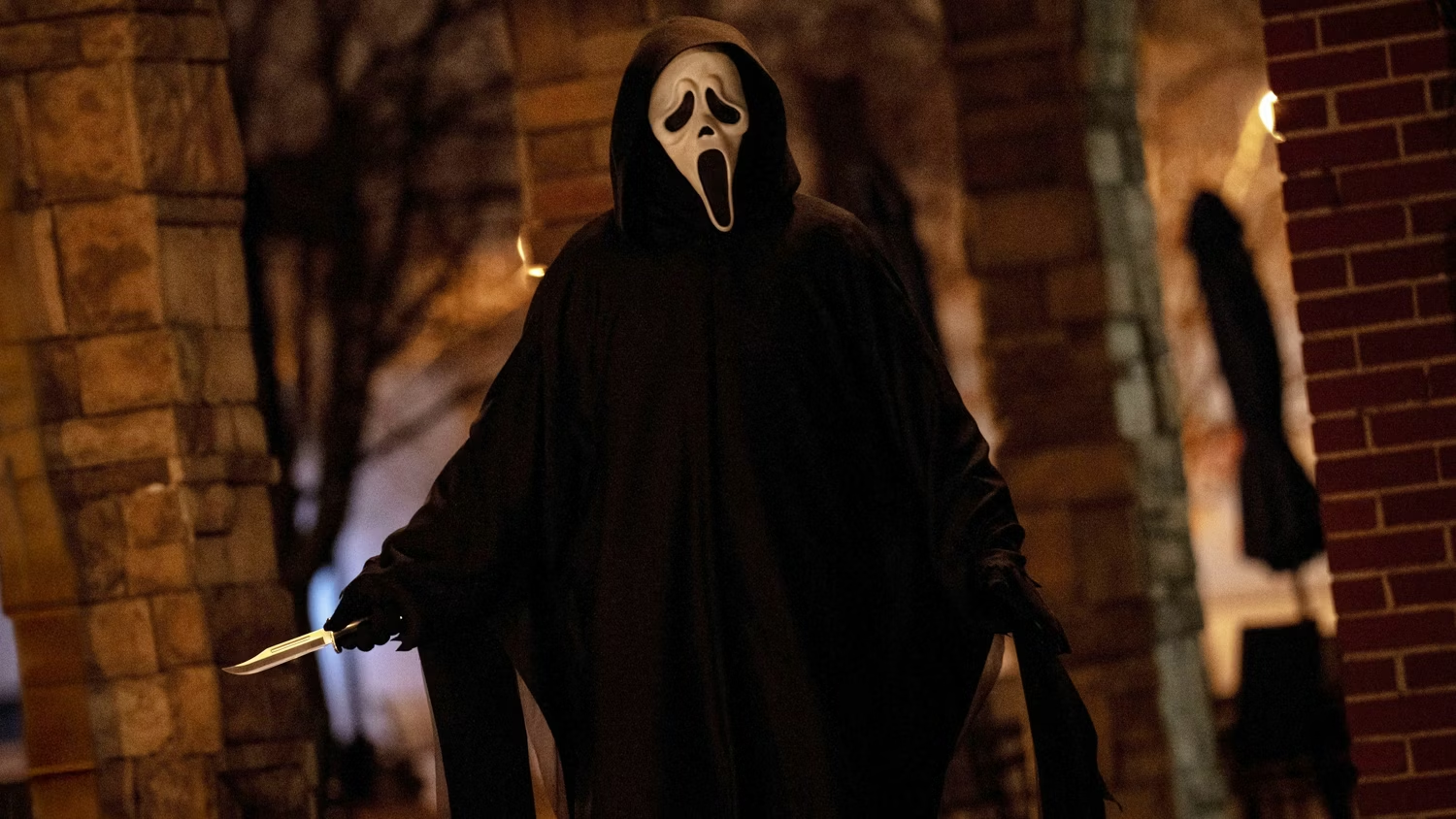
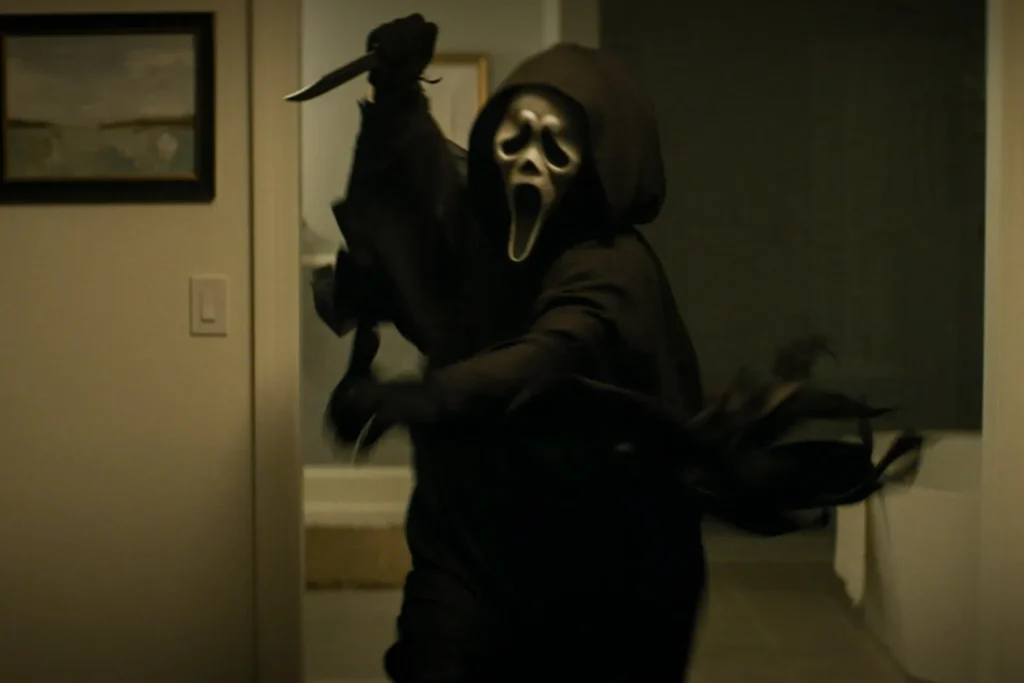
When Scream 7 commits to a set piece, it can squeeze the air out of the room. The best sequences use space well, doorways and hallways become little fear funnels, and the camera doesn’t over-explain where Ghostface is. You feel the threat because you can’t see it clearly, which is exactly how it should work.
The kill scenes (kept non-graphic here) are a mixed bag. A few are sharply staged and memorable, with clean build-up and a nasty final beat. Others feel like variations on moves you’ve seen before, especially if you’ve marathoned the franchise recently. The film does build dread between attacks, though. Even in quieter scenes, the movie sprinkles in sound cues and awkward pauses that keep you watching the background.
Where it falls flat is repetition in the “panic loop.” Some characters run through the same emotional note more than once, and that can dull the sharpness. Horror is rhythm, and this entry sometimes hits the same drum twice.
The mystery: can you guess the killer, and does the reveal feel fair?
Scream lives or dies on whether its mystery feels like a trick or a puzzle. Scream 7 plays both hands. It places clues, then hides them under louder distractions. It also loves red herrings, which is fine, but only when the story still feels like it’s moving forward.
Can you guess the killer? Maybe, especially if you treat every line like evidence. The movie telegraphs a little more than the sharpest entries, but it also tosses enough misdirection to keep a casual viewer engaged. The bigger question is fairness. Does the ending feel earned, like the pieces were on the board the whole time? Mostly, yes, although a couple of late reveals rely on timing rather than psychology.
If you’re hoping the franchise completely drops old habits, it doesn’t. Still, Scream 7 does try to tweak the emotional motive, pushing the story toward Sidney’s family life instead of pure “fandom” commentary. That shift gives the whodunit a different flavor, even when the structure feels familiar.
Performances and direction: why Kevin Williamson’s return matters
Kevin Williamson directing a Scream film is the headline for a reason. The series has always been about tone control, switching from jokes to fear in the same breath. Here, the direction often feels more classical, with cleaner geography in action scenes and a steadier pace in dialogue moments. The script credit goes to Guy Busick, with story by Busick and James Vanderbilt, but Williamson’s fingerprints show up in how the movie times a laugh, then yanks it away.
You can also feel a stronger affection for the legacy characters. The film doesn’t treat them as museum pieces. Instead, it puts them in motion and makes them part of the mess, which is what fans usually want.
For more on Williamson’s goals with Sidney’s return, this interview-style coverage gives helpful context: The Hollywood Reporter on Williamson and Neve Campbell.
Sidney is back at the center: Neve Campbell’s impact
Neve Campbell gives Sidney a grounded toughness that reads as lived-in, not performative. This isn’t “final girl energy” as a pose. It’s a person who has done years of therapy, set boundaries, built a home, and still flinches when the phone rings.
The movie uses Sidney in two modes. First, she’s the protector, always scanning rooms, thinking about exits, reading people’s faces. Second, she’s a mom, and that role adds a new kind of vulnerability. When Sidney fears for herself, she can compartmentalize. When she fears for her daughter, the panic burns hotter, and Campbell lets it show without turning Sidney into someone unrecognizable.
Most importantly, the film treats her history with respect. It doesn’t pretend trauma is cool. It shows how it lingers, and how love raises the stakes.
Supporting cast and Ghostface presence: who stands out
Courteney Cox’s Gale brings a familiar, sharp edge, and the movie uses her well when it lets her operate like a professional again. Isabel May is the standout new anchor, because she doesn’t play “kid in danger” as helpless. She pushes back, makes choices, and adds friction in ways that help the story.
Meanwhile, Roger L. Jackson’s Ghostface voice remains the series’ secret weapon. That voice can turn a normal sentence into a threat, and Scream 7 knows it. The best calls feel intimate, like Ghostface is close enough to smell the popcorn, and the film wisely keeps the voice crisp and clean in the mix.
If you want a quick, fan-forward look at how the movie frames Sidney’s arc, Bloody Disgusting’s featurette coverage is a solid companion piece: Sidney’s journey featurette coverage.
How Scream 7 stacks up against the rest of the franchise
Franchise ranking is always personal, because everyone imprinted on a different era. Still, Scream 7 clearly wants to sit closer to the Sidney-centered entries than the “new core four” era, at least in spirit. That choice brings back a warmer nostalgia, but it also puts pressure on the film to justify reopening Sidney’s wounds.
Here’s the simplest way to describe the feel, without spoiling plot beats. This table is about tone, not quality.
| Film | Core vibe | What drives the suspense |
|---|---|---|
| Scream (1996) | Bright, nasty, meta | A new rulebook being written |
| Scream (2022) | Modern, self-aware, brisk | Reboot anxiety and new leads |
| Scream 7 (2026) | More personal, more protective | Family stakes and legacy weight |
The takeaway: Scream 7 plays like an older scar aching when the weather changes. It’s familiar, but it hurts in a new spot.
The movie also arrived as a true theatrical draw. Reports put its opening weekend around $60 million domestic, with a rapid global start close to $100 million, even as reviews skewed harsh. Collider covered that early surge here: Scream 7 global box office report.
Compared to the original and the recent sequels: what it borrows and what it drops
The whodunit structure returns in full. Suspects rotate, alibis crack, and characters accuse each other with the shaky confidence of people who watch too many true crime docs. Legacy characters also matter again, not just as cameos but as emotional anchors.
What gets dropped, at least a bit, is the heavy emphasis on “movie fandom” as motive and theme. There are nods, sure, but Scream 7 seems more interested in what Ghostface does to a household than what Ghostface represents online. That smaller scope helps the movie feel sharper when it stays focused.
At the same time, some of the newest-era style still shows up. The pacing stays punchy, and the film doesn’t let conversations stretch too long before pushing into the next scare. That’s good for casual viewers, though it can make the mystery feel slightly rushed.
Box office success vs critic backlash: what that says about Scream fans in 2026
People showed up because this one sold itself as an event. Sidney’s return matters, and horror fans still love an opening-weekend crowd, where every phone ring gets a nervous laugh. Nostalgia helped, too, because Scream nostalgia isn’t just about characters, it’s about the shared ritual of guessing and gasping together.
On the other hand, the critic backlash signals real fatigue with sequel habits. If you’ve seen every Ghostface trick, you may roll your eyes before the movie gets to its best material. Gizmodo summed up that strange combo of big money and rough reviews in plain terms: box office records despite worst reviews.
If you want a comfort-return to Sidney, this hits the spot. If you want the smartest mystery in the series, it might not.
Conclusion
Scream 7 is a loud, sometimes clunky, often tense return to Sidney Prescott as the emotional center of the saga. Die-hard fans will likely have a good time, especially if you missed Neve Campbell’s steady presence. Casual horror viewers should expect solid suspense with a few uneven stretches, while anyone sensitive to gore should know the film doesn’t pull many punches. In spoiler-free terms, it feels like a satisfying step sideways, not a bold leap forward, and my one-line rating is a solid weekend watch. I give this one a solid 3.7 stars out of 5.