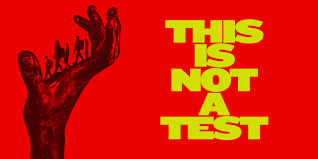
This Is Not a Test offers an atypical take on the zombie genre, leaning more into tension and character moments than nonstop action. The premise and storytelling are decent, though the overall plot feels a bit overdone compared to many other entries in the genre. Unfortunately, the film is held back by noticeably poor-quality zombie makeup and effects, which occasionally break the immersion.
Still, the movie manages to hold interest with its different pacing and approach to the familiar apocalypse theme. While it doesn’t fully rise above its limitations, This Is Not a Test remains a watchable and slightly offbeat zombie flick that earns 3.7 out of 5 stars. ~Oisin, 2/24/26 – AMC A-List flick.
A High School Lockdown Zombie Story
If you’re here for a real This Is Not a Test movie review, you’re in the right place. This is the 2025-shot zombie horror film that hit Shudder on February 20, 2026, and yes, it’s an actual movie review, not a gimmick. That said, it’s also simple, spoiler-light, and focused on one thing: is it worth your time?
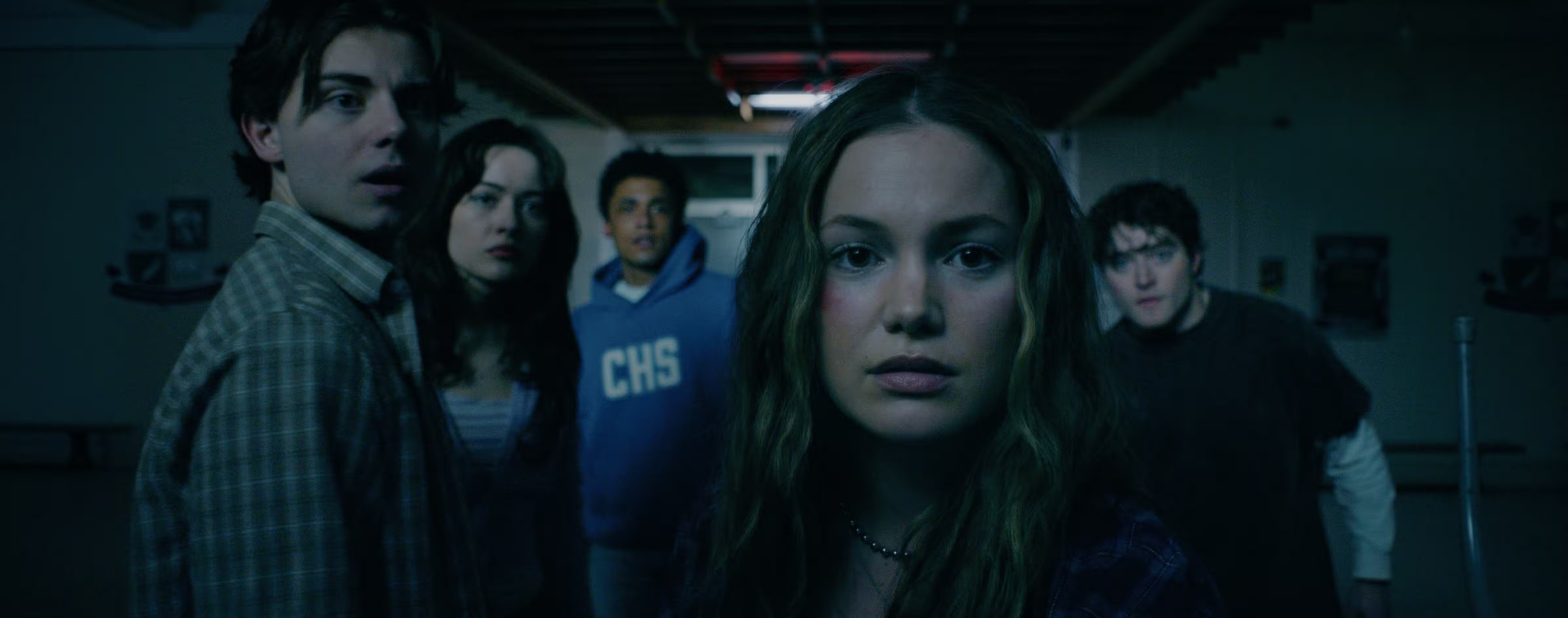
The vibe is a teen survival drama trapped inside a high school, with zombies and panic pressing in from outside. Think locked doors, shaky alliances, and the kind of stress that makes every hallway feel narrower.
My quick score up front: 3.75 out of 5. It’s entertaining and tense, but it’s also a bit messy, especially when the undead show up close.
What “This Is Not a Test” is really about (and why it feels different from most zombie movies)
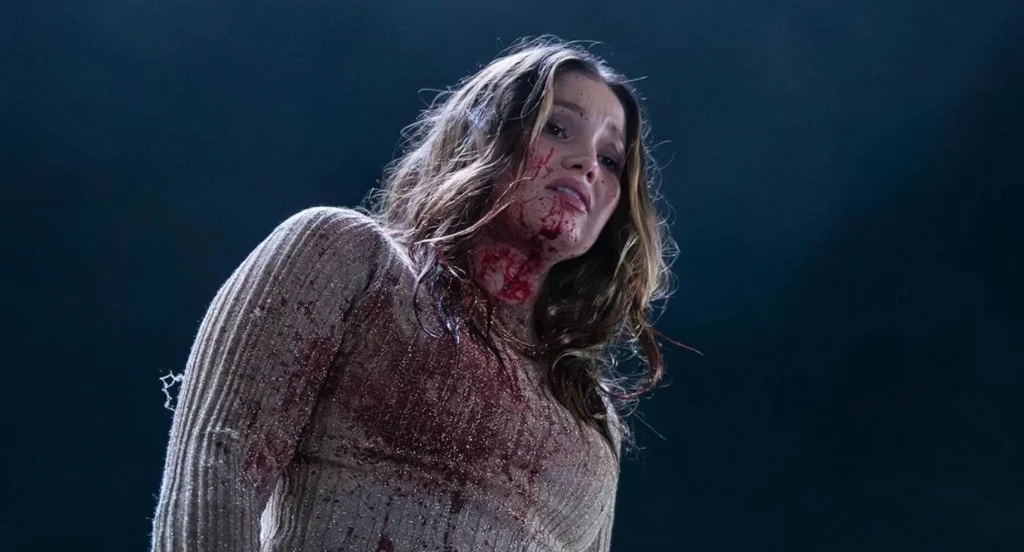
At its core, This Is Not a Test is less interested in zombie “rules” and more interested in what happens when a teenager’s private breaking point collides with a public disaster. The story follows Sloane Price, a student already carrying heavy emotional weight, when a sudden outbreak turns her small town into a nightmare. As the world outside collapses, Sloane and other students end up locked down in their school, trying to make it through the day, then the night, then whatever comes after.
Director Adam MacDonald (known for Backcountry and Pyewacket) keeps the focus tight and human. The film is based on Courtney Summers’ 2012 YA novel, and you can feel that DNA in the way it treats teen relationships as life-or-death serious, even before the zombies force the issue. The undead are still a threat, but they function more like a rising temperature in the room. They turn every argument into a crisis and every decision into a gamble.
It also makes a clear choice to not over-explain the outbreak. If you want a tidy origin story, you won’t get it. Instead, the movie treats the zombie event like an earthquake, it hits, it changes everything, and you either move or you get buried.
For basic details like credited cast, release info, and production notes, the IMDb listing for This Is Not a Test is a useful quick reference.
The high school lockdown setup keeps the story tight
The single main location does a lot of work. A high school already has built-in zones of control, classrooms, offices, cafeteria, gym, and the movie uses that to create clear, easy stakes. You always know what “safe” means for the moment, and you always know how quickly it can fall apart.
That closed setting also amps up the friction. Food becomes a power struggle. Bathrooms become a negotiation. Doors and windows turn into moral tests. As a viewer, you feel the claustrophobia, because there’s nowhere to breathe, and no clean way out.
The movie leans on character pain more than zombie rules
Sloane’s mental health, family trauma, and shifting friendships push the tension forward. The film keeps that pain close to the surface, without turning it into shock value. Some scenes land with a quiet heaviness, even when nothing “horror” is happening.
Because of that focus, the zombies often feel like pressure instead of the main attraction. The outbreak isn’t deeply explained, and the movie doesn’t pretend it is. That choice will either pull you in, or leave you wishing for more genre mechanics.
My 3.75 out of 5 take: fun enough, a little messy, and not here for top-tier zombie effects
This is where the movie’s personality really shows. This Is Not a Test plays like a character-driven thriller that occasionally transforms into a campy zombie flick, then snaps back into a teen drama with bruised feelings and hard stares. When it works, it’s a tense, watchable ride with emotional bite. When it stumbles, it’s usually because the zombie visuals and effects can look rough.
I kept watching because the core plot is decent. The lockdown structure gives the story a ticking-clock feel, and the social dynamics keep shifting. Alliances change, trust breaks, and every “we’re fine” moment has a crack in it. The movie also knows when to tighten the screws. You get stretches of quiet, then a sudden spike of danger, then the aftermath where everyone has to pretend they’re still the same person.
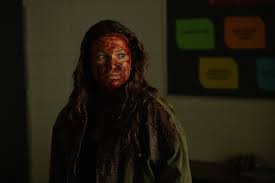
Still, don’t come in expecting a showcase of creature work. Some zombie shots feel cheap, especially when the camera lingers. A few moments look like they needed either more time, or a different plan. That’s the tradeoff: the movie spends more energy on Sloane’s interior storm than on selling the undead as fully convincing monsters.
If you want a sharper sense of how critics have reacted to the film’s throwback zombie approach, Polygon’s take is a strong counterpoint, even if you don’t agree with it: Polygon’s This Is Not a Test review.
Quick takeaway: the story has weight and forward motion, but the zombie presentation won’t impress effects fans.
What works: a decent plot, steady tension, and a cast you can follow
The hook is strong, and the film commits to it early. Once the school becomes a fortress, the movie stays locked into survival decisions that are easy to track. That clarity matters in horror, because confusion kills tension faster than any zombie bite.
Olivia Holt carries a lot as Sloane, and she keeps the character grounded even when the tone swings. Luke Macfarlane as Mr. Baxter adds a different kind of pressure, because adult authority in teen horror often helps, then complicates everything.
Most importantly, the emotional arc gives the movie some real gravity. Even when the scares are uneven, the feelings aren’t.
What doesn’t: the zombies look cheap at times, and the tone can wobble
The biggest downside is simple: the zombies and effects can look poor. Not always, but often enough that you notice. If you’re the kind of viewer who gets yanked out of a scene by iffy makeup or stiff movement, this will test your patience.
The tone also wobbles. One moment plays like raw teen drama, the next goes for classic horror beats. That mix can be fun, but it can also feel like two movies sharing the same hallway. And if you came for big set pieces, the film feels small by design. It’s more “hold the door” than “blow up the mall.”
Who should watch it, who should skip it, and the best way to watch
This is a good movie to stream at night when you want tension and character conflict more than monster spectacle. It’s also a better fit for viewers who like single-location horror, because the school setting stays front and center.
Expect violence and blood, plus dark teen themes, including depression and abuse. There’s also some teen drinking and rough behavior, the kind you’d expect when scared kids stop acting like kids.
If you want another spoiler-light perspective before you hit play, HorrorFuel offers a straightforward snapshot of the experience in its spoiler-free review of This Is Not a Test.
Watch if you want character drama with zombie pressure in the background
You’ll have a good time if you like tense group stories where small fights become big problems. It’s a solid pick if a high school survival setup sounds naturally stressful to you. You might also enjoy it if you prefer emotional horror, where fear comes from people, not just teeth. It fits viewers who like contained settings with clear stakes and limited escape routes.
Skip if you need polished creatures, nonstop action, or big zombie lore
Pass if campy visuals or uneven effects pull you out of a movie fast. Skip it if you want constant action, because the film pauses to sit with feelings and fallout. You’ll also be frustrated if you need deep zombie lore or a clean outbreak explanation. If your favorite zombie movies are built around giant set pieces, this will feel too modest.
Conclusion
This Is Not a Test earns a 3.75 out of 5 from me. The tradeoff is clear: you get a decent, tense story with real character focus, but the zombie visuals and effects can look weak and sometimes distract. Still, the high school lockdown hook works, and Olivia Holt helps keep the emotional core steady.
If you stream it with the right expectations, it’s a fun, imperfect night-in horror pick. When you watch zombie movies, do you come for the monsters, or for the people trying not to fall apart?
Psycho Killer delivers a tense, stylish ride that leans heavily into psychological horror rather than cheap jump scares. The film builds suspense slowly, drawing viewers into a chilling cat-and-mouse story that keeps the tension high from start to finish. Strong performances and sharp cinematography help create an unsettling atmosphere, while the story offers enough twists to keep audiences guessing.
Though a few moments feel familiar for the genre, the film’s pacing and eerie tone make it a standout thriller. Overall, Psycho Killer is a gripping horror experience that earns a solid 4 out of 5 stars. ~ Oisin Rhymour, March 2, 2026 : AMC A-List flick.
A Nasty Road-Chase Horror With an Apocalyptic Bite
I almost skipped Psycho Killer (2026). The title sounds like a bargain-bin throwback, and the poster vibe doesn’t exactly whisper “must-see.” Still, I went, and I’m glad I did. It was free afterall with my 4 movies a week AMC A-List pass.
This is a dark, demonic, unsettled little horror-thriller, the kind that leaves grime under your fingernails. It starts like a straight cop-and-killer pursuit, then keeps twisting the knife into revenge fuel, FBI-style pressure, and finally a big, end-of-the-world swing. Some of it is messy, and a few choices are downright goofy, but the movie commits.
My rating lands at a pleasantly surprised 4 stars. Below is a simple breakdown of what works, what doesn’t, and who’ll actually have a good time with it (with light spoilers later).
What “Psycho Killer” (2026) is about, and why the setup grabbed me fast
Released February 20, 2026, Psycho Killer is a horror-thriller directed by Gavin Polone (his first feature) and written by Andrew Kevin Walker (yes, the writer behind Se7en). That pairing sets expectations: harsh mood, crime-scene dread, and a story that likes staring into the abyss.
It also moves. The film doesn’t waste time asking you to admire it. It shoves you into a nightmare and dares you to keep up.
The story in plain English: grief, a cross-country hunt, and occult crime scenes
Jane Archer is a Kansas cop trying to live a normal life, until it gets ripped away in seconds. Her husband Mike, a state trooper, is murdered right in front of her by a masked killer known as the “Satanic Slasher.” Jane is pregnant, wrecked, and instantly out of patience for red tape.
So she goes after him.
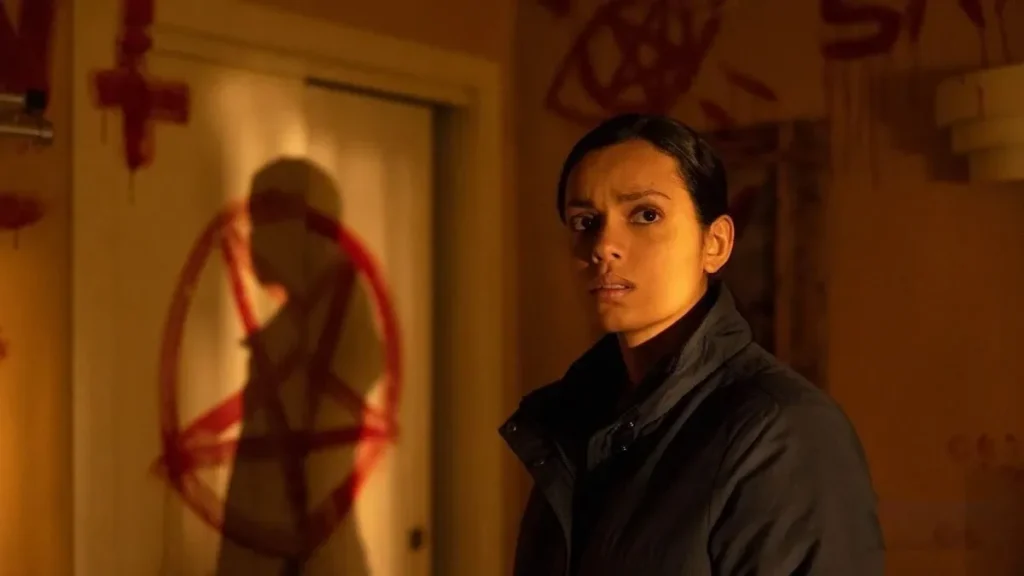
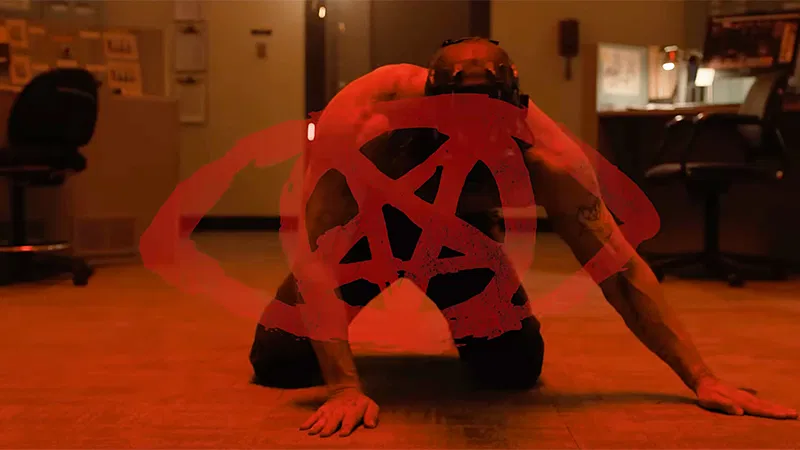
The chase stretches across state lines, with crime scenes that feel staged like rituals. The killer leaves occult symbols as a calling card, like he’s signing his work for an audience only he can see. Meanwhile, Jane keeps running into people who either don’t believe her or want to use her. That friction becomes the engine: grief turns into focus, and focus turns into something sharp enough to cut.
The vibe: mean-spirited, grimy, and unsettling (with a few almost-funny moments)
The tone is nasty in a very specific way. It isn’t elegant horror. It’s motel carpet horror. It’s fluorescent lighting and bad coffee, with a whisper of sulfur in the vents.
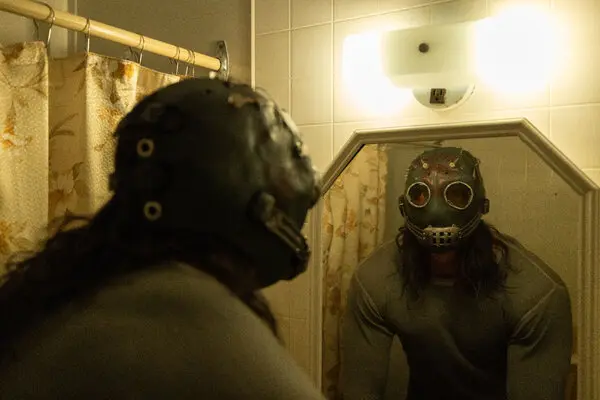
The Satanic Slasher’s look helps a lot. The gas mask is creepy on its own, but the fake voice effect is what really sticks, like someone forcing words through a broken speaker. Sometimes that voice lands as chilling. Other times, it edges into “wait, what?” territory, especially in quieter scenes.
A few common complaints are fair. The plot can feel thin between set pieces, some CGI blood looks cheap, and the pulpy beats occasionally bump against the grim mood. Still, the movie’s ugliness feels intentional, like it wants you uncomfortable, not impressed.
If you’re allergic to B-movie rough edges, this one might scratch you the wrong way.
What worked for me, even when the movie is not “prestige” horror
Most critics didn’t go easy on Psycho Killer, and I get why. It’s blunt, sometimes clunky, and it doesn’t polish every idea until it shines. Yet as a theater watch, it played better than its reputation.
The biggest reason is simple: the movie gives you a person to hold onto, then throws her into hell and lets her fight.
Georgina Campbell carries this film as Jane Archer, and she does it without begging for sympathy. Her performance stays grounded, even when the story flirts with supernatural bombast. That matters, because the movie asks you to ride shotgun with her anger for a long time.
Jane’s also treated like a problem to manage. People minimize her, dismiss her, talk around her. Campbell plays those moments with a tight, controlled heat, like she’s swallowing broken glass just to keep moving. As a result, the revenge angle doesn’t feel like a genre checkbox. It feels personal, and a little ugly, which is the point.
Even when the writing shortcuts, Campbell keeps Jane’s goal clear. She isn’t chasing catharsis. She’s chasing an ending she can live with.
The chase keeps moving, and the supporting cast adds weird energy
The road structure helps a lot. Jane’s pursuit becomes a string of stops that each feel slightly worse than the last: a motel that feels too quiet, a house full of Satanist cosplay that stops being funny fast, a series of conversations where everyone seems half-lying.
That “bad people vs worse evil” vibe adds bite. Malcolm McDowell pops as Mr. Pendleton, bringing that smooth, poisonous charm he can do in his sleep. Logan Miller also stands out as Marvin, a goth-leaning helper who feels like he wandered in from a different movie, then decided to stay. Grace Dove shows up with a steadier energy as Agent Becky Collins, giving the “official” side of the hunt a face.
Some kills are basic slasher business, not showpieces. Still, the pace stays tense, so the film rarely feels stalled.
The twisty final act: demonic logic, FBI style revenge pressure, and an apocalyptic swing
Spoilers ahead. If you haven’t seen it and want to go in clean, jump to the conclusion.
This is where the movie either wins you over or loses you completely. It stops pretending it’s only a serial killer story, and it leans hard into end-times logic.
Spoilers: the nuclear plant plan and the “open Hell’s gates” reveal
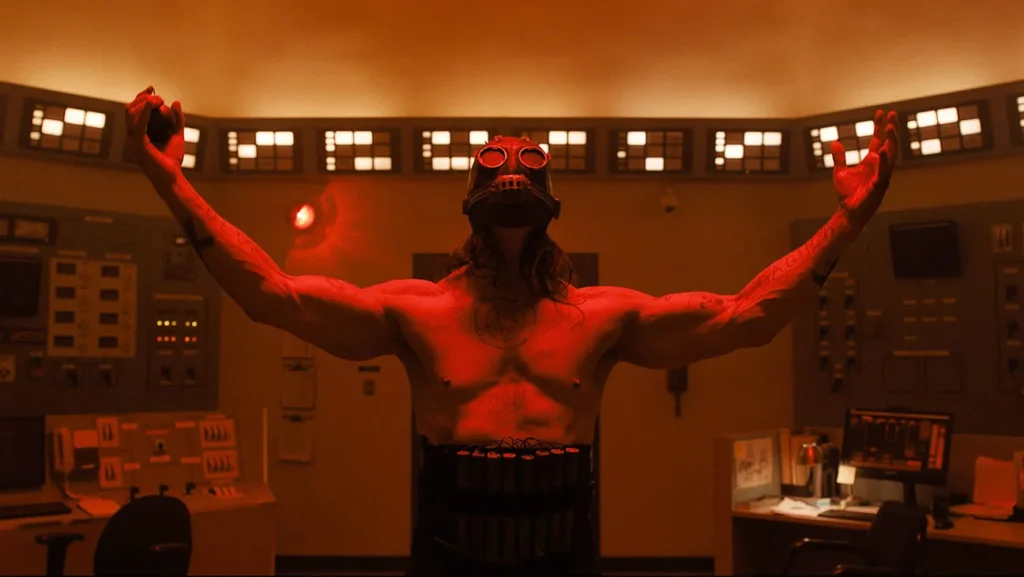
The Satanic Slasher’s endgame isn’t just murder for murder’s sake. He’s aiming at the Harrisburg nuclear plant, pushing toward a suicide-bomb scenario with an apocalyptic purpose. He believes the scale of the slaughter will literally open Hell’s gates, like he’s trying to force the universe to notice him.
It’s a wild escalation, and the movie doesn’t tiptoe around it. The urgency turns procedural for a beat, with pressure and pursuit that feel closer to an FBI chase than a haunted-house scare ride. Jane gets boxed in by time, location, and limited help. Then she makes a blunt, in-the-moment choice that fits the film’s tone: she stops him by shooting through a window, no speech, no ceremony, just survival math.
Did the ending earn it, or does it fall apart? My take
The ending mostly works for me because it commits. The movie swings big, and it doesn’t wink at you for trying. That counts in horror, where so many films play it safe, then pretend restraint is depth.
On the other hand, the logic gets shaky if you poke it. A few character decisions feel like they exist to move pieces into place, and the effects work can look thin when the stakes go nuclear. Even so, the final act leaves a bad taste in the best way, like smoke in your hair after a fire.
Who should watch: This is best for fans of grim revenge thrillers, satanic panic vibes, and messy B-movie energy. Skip it if you demand tight logic, flawless effects, or stylish “art kills.”
Conclusion: My 4-star take on Psycho Killer (2026)
Psycho Killer isn’t refined, but it’s hard to shake. I’m sticking with a 4-star rating because the lead performance hits, the mood stays mean, and the apocalyptic twist leaves a nasty aftertaste. The revenge drive feels earned, not decorative.
A few things still bug me, especially the voice effect, thin writing in spots, and some cheap-looking blood. Even so, I’d recommend it to horror fans who like their thrillers dirty and determined.
What was your moment of no return, the first scene where you thought, “Okay, this movie’s serious”? And did that final twist work for you?
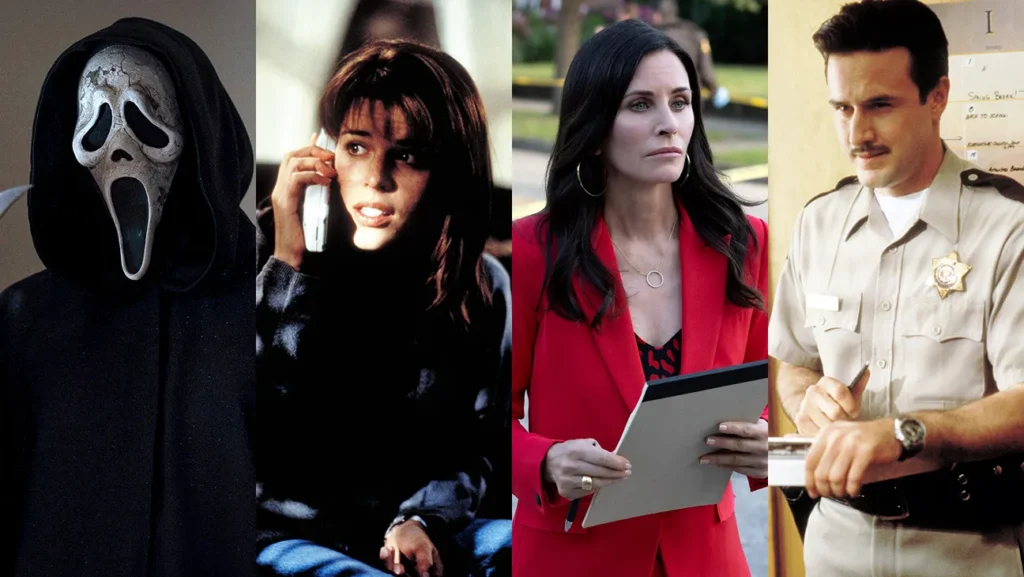
Scream 7 keeps the franchise alive with a mix of nostalgia, sharp humor, and just enough fresh twists to keep longtime fans guessing. While it doesn’t reinvent the formula, it leans confidently into the self-aware horror style that made the series famous. The kills are inventive, the pacing moves quickly, and the mystery surrounding Ghostface still delivers a few satisfying surprises. A couple of plot beats feel familiar, but the film’s energy and playful nods to past entries help carry it through.
Overall, Scream 7 is a fun return to Woodsboro’s bloody tradition… solid slasher entertainment that earns a 3.75 out of 5 stars. ~ Oisin Rhymour, 3/5/26.
Sidney’s Homecoming Is Messy, Loud, and Hard to Ignore
Scream 7 (released February 27, 2026) is a rowdy, Sidney-forward sequel that plays like a reunion tour with a few new bruises. It isn’t the cleanest entry, and it doesn’t always land its big swings, but it does bring back a tense, personal kind of danger that recent chapters only brushed against. I was hesitant to go see it as I feel like the series is overdone and ready to retire. But I was pleasantly surprised.
This review stays spoiler-light. I’ll cover the setup, the scares, the mystery mechanics, the performances, and how Kevin Williamson’s return as director changes the vibe (for better and worse). Long-time fans, especially anyone who missed Sidney, will feel the weight of this one.
What Scream 7 is about, and what kind of sequel it wants to be
Scream has always been a whodunit wrapped in a slasher mask, but each era picks its favorite ingredient. The 2022 and 2023 films leaned into fresh blood and franchise talk. Scream 7 shifts the spotlight back to Sidney Prescott and asks a simpler question: what happens when the past won’t stay buried, even after you’ve built a whole new life on top of it?
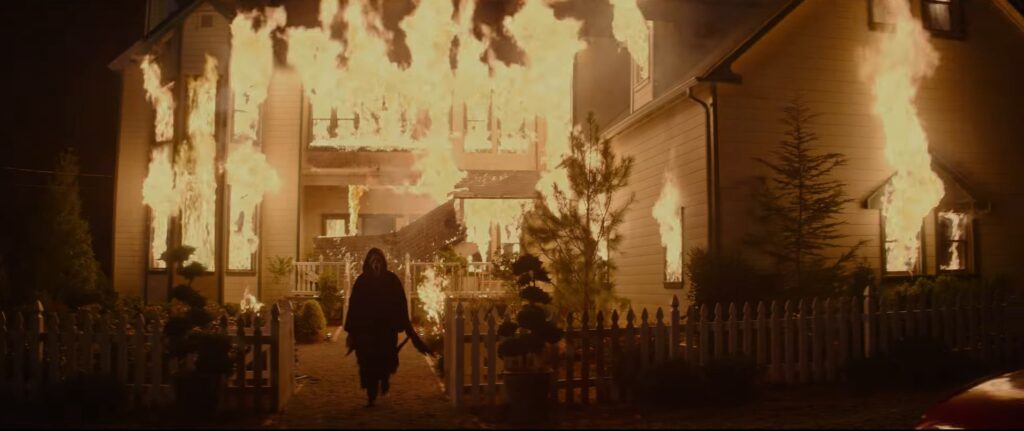
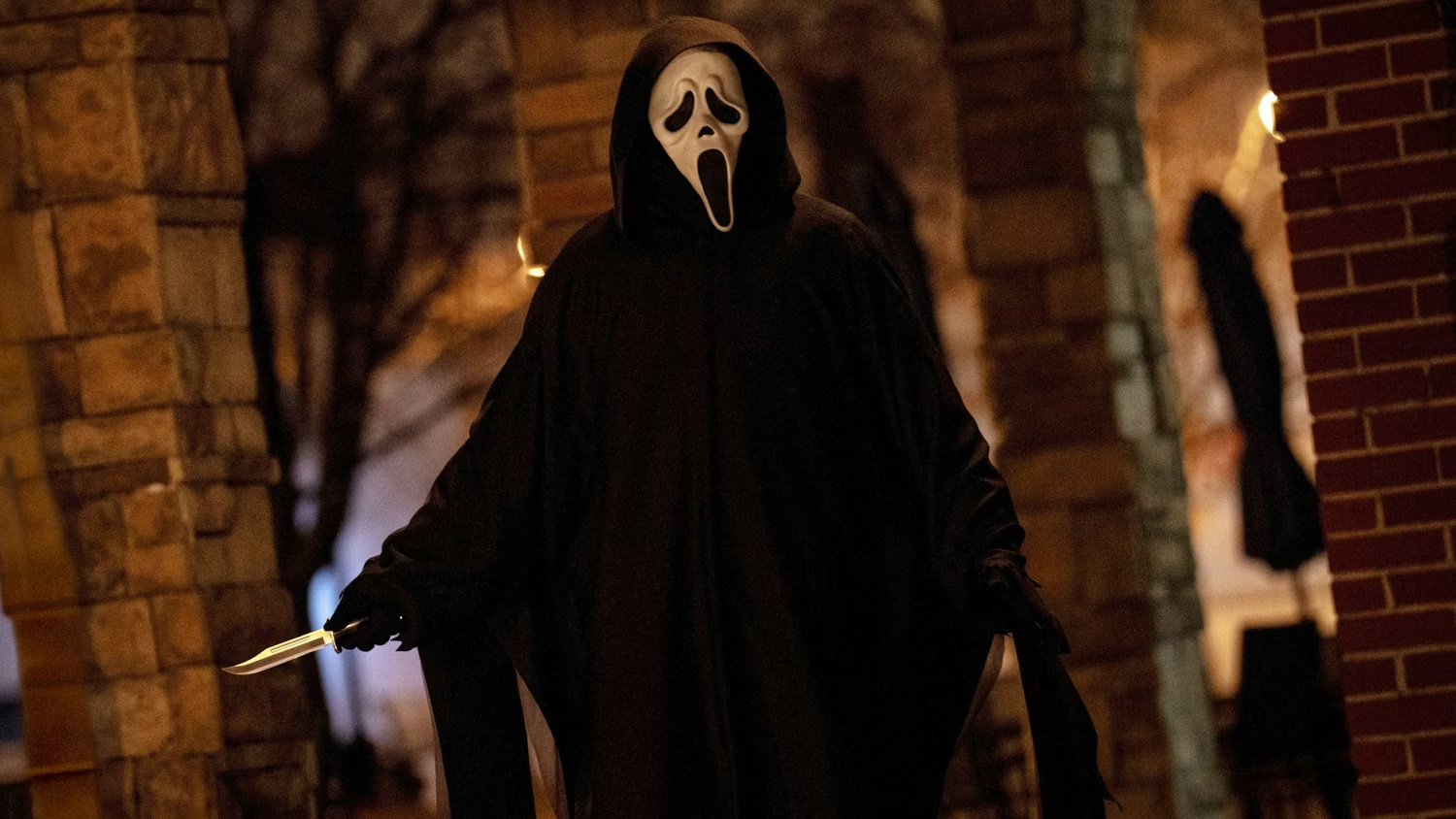
Ghostface returns, the phone rings again, and Sidney’s family becomes the target. That single choice re-centers the series emotionally. The movie wants to feel like a legacy sequel, not just because familiar faces show up, but because it treats Sidney’s safety as the main engine of suspense. If you’ve ever thought, “Let this woman rest,” you’ll probably think it again here, and that tension is part of the design.
If you want the basics at a glance (credits, runtime, cast listings), the most straightforward reference is the film’s Scream 7 page on IMDb. It’s also a useful refresher if you’re walking in with friends who haven’t watched every entry.
Spoiler-free story setup: Sidney’s new life, and why Ghostface returns
The opening stretch paints Sidney’s day-to-day as deliberately quieter than you’d expect for this franchise. The calm feels earned, which matters because Scream works best when it violates a sense of normalcy. Here, that normal is domestic and protective. Sidney isn’t just a survivor now, she’s a mom, and the film makes that identity the pressure point.
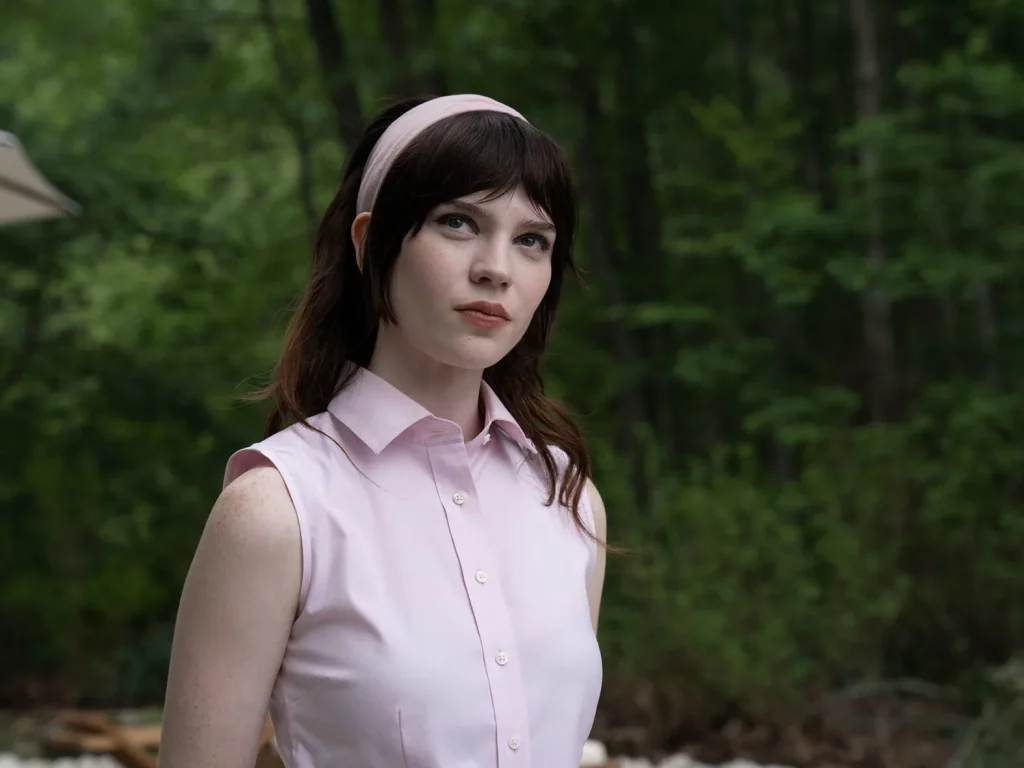
Then the mask shows up, because of course it does. The new Ghostface doesn’t target Sidney at random. The attacks feel aimed at her sense of control, and more sharply, at the people she can’t protect with experience alone. Isabel May plays Sidney’s daughter, and the story uses her as more than bait. She’s a mirror that reflects Sidney’s fear in a new form: not “Will I live?” but “Can I keep them safe?”
The setting helps, too. Instead of constant campus energy, the movie leans into a smaller, more private atmosphere at first. That makes each intrusion feel like someone stepping into your house with muddy shoes, then tracking dirt through every room.
How the tone feels this time: satire vs straight horror
Scream without jokes is like Ghostface without the voice; it can work, but it isn’t the same brand of fun. Still, Scream 7 trims the wink-wink banter compared to the most recent films. The meta commentary is there, yet it’s less of a running stand-up set and more like nervous humor used to keep panic at bay.
One reason it feels different is the way the movie handles its early tension. The opening sequence carries that classic Scream rhythm (phone call, verbal sparring, threat escalation), but it pushes harder on dread than punchlines. Dialogue lands in shorter bursts, and scenes hold on faces a beat longer, as if the film wants you to notice how tired these people are of being hunted.
That said, the movie still remembers it’s a franchise built on genre-awareness. When characters talk about “rules,” it plays less like a lecture and more like an argument, the kind you have when everyone’s stressed and nobody agrees on the plan. It’s a shift toward straighter horror, but it never becomes humorless. It is also very interesting watching the actors/actresses as they age alongside myself, and you can see it in these films.
The best and worst parts of the movie, in plain terms
The best thing Scream 7 does is make the stakes feel personal again. The worst thing it does is occasionally confuse “personal” with “busy.” When it’s focused, it’s tense and mean in the right ways. When it sprawls, it starts to feel like the film is chasing its own legacy, trying to satisfy every corner of the fanbase at once.
Pacing is the main gamble. The first act sets strong hooks and a clear emotional core, but the middle stretch sometimes stacks scenes that do the same job. The movie can also be oddly impatient about clues, tossing out suspicious behavior fast, then moving on before it has time to simmer.
Critics haven’t been kind overall, while audiences still turned the opening weekend into a real event. Rotten Tomatoes’ box office write-up captures that split, and it also tracks how big the debut was for the series in 2026: see Rotten Tomatoes’ weekend box office report. For viewers, that gap usually signals one thing: your mileage will depend on what you want from Scream right now, comfort-food familiarity or a clever reinvention.
Scares, suspense, and set pieces: what lands, what falls flat
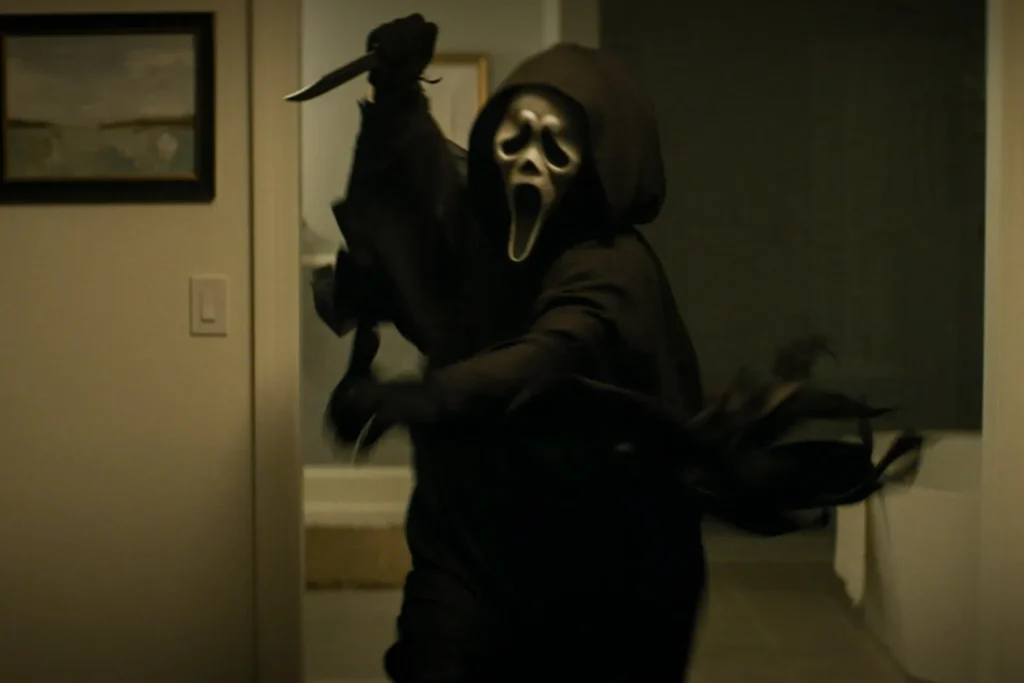
When Scream 7 commits to a set piece, it can squeeze the air out of the room. The best sequences use space well, doorways and hallways become little fear funnels, and the camera doesn’t over-explain where Ghostface is. You feel the threat because you can’t see it clearly, which is exactly how it should work.
The kill scenes (kept non-graphic here) are a mixed bag. A few are sharply staged and memorable, with clean build-up and a nasty final beat. Others feel like variations on moves you’ve seen before, especially if you’ve marathoned the franchise recently. The film does build dread between attacks, though. Even in quieter scenes, the movie sprinkles in sound cues and awkward pauses that keep you watching the background.
Where it falls flat is repetition in the “panic loop.” Some characters run through the same emotional note more than once, and that can dull the sharpness. Horror is rhythm, and this entry sometimes hits the same drum twice.
The mystery: can you guess the killer, and does the reveal feel fair?
Scream lives or dies on whether its mystery feels like a trick or a puzzle. Scream 7 plays both hands. It places clues, then hides them under louder distractions. It also loves red herrings, which is fine, but only when the story still feels like it’s moving forward.
Can you guess the killer? Maybe, especially if you treat every line like evidence. The movie telegraphs a little more than the sharpest entries, but it also tosses enough misdirection to keep a casual viewer engaged. The bigger question is fairness. Does the ending feel earned, like the pieces were on the board the whole time? Mostly, yes, although a couple of late reveals rely on timing rather than psychology.
If you’re hoping the franchise completely drops old habits, it doesn’t. Still, Scream 7 does try to tweak the emotional motive, pushing the story toward Sidney’s family life instead of pure “fandom” commentary. That shift gives the whodunit a different flavor, even when the structure feels familiar.
Performances and direction: why Kevin Williamson’s return matters
Kevin Williamson directing a Scream film is the headline for a reason. The series has always been about tone control, switching from jokes to fear in the same breath. Here, the direction often feels more classical, with cleaner geography in action scenes and a steadier pace in dialogue moments. The script credit goes to Guy Busick, with story by Busick and James Vanderbilt, but Williamson’s fingerprints show up in how the movie times a laugh, then yanks it away.
You can also feel a stronger affection for the legacy characters. The film doesn’t treat them as museum pieces. Instead, it puts them in motion and makes them part of the mess, which is what fans usually want.
Sidney is back at the center: Neve Campbell’s impact
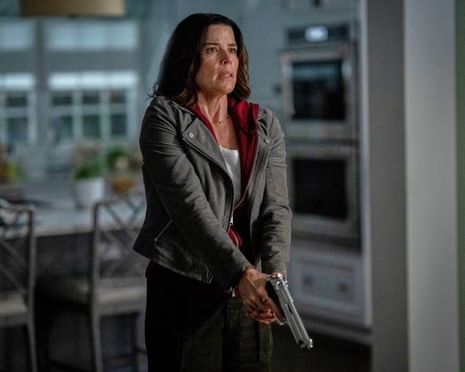
Neve Campbell gives Sidney a grounded toughness that reads as lived-in, not performative. This isn’t “final girl energy” as a pose. It’s a person who has done years of therapy, set boundaries, built a home, and still flinches when the phone rings.
The movie uses Sidney in two modes. First, she’s the protector, always scanning rooms, thinking about exits, reading people’s faces. Second, she’s a mom, and that role adds a new kind of vulnerability. When Sidney fears for herself, she can compartmentalize. When she fears for her daughter, the panic burns hotter, and Campbell lets it show without turning Sidney into someone unrecognizable.
Most importantly, the film treats her history with respect. It doesn’t pretend trauma is cool. It shows how it lingers, and how love raises the stakes.
Supporting cast and Ghostface presence: who stands out
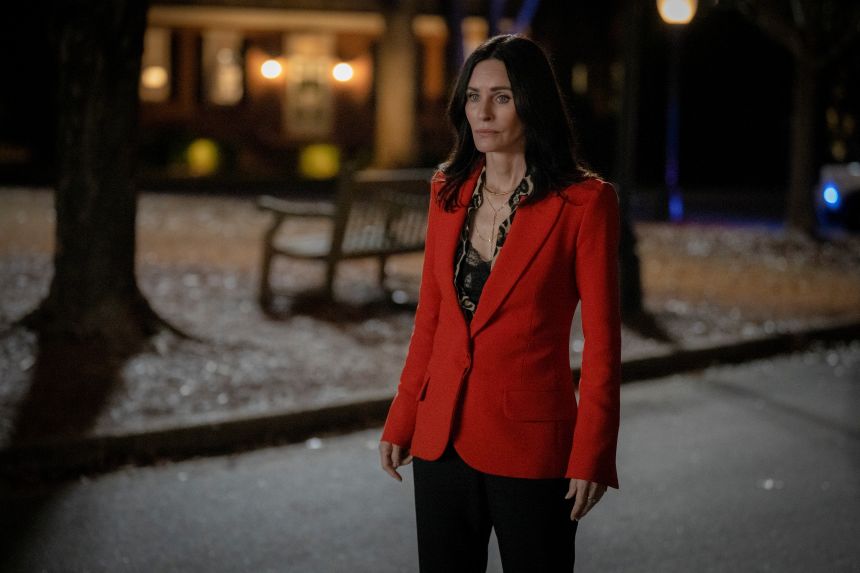
Courteney Cox’s Gale brings a familiar, sharp edge, and the movie uses her well when it lets her operate like a professional again. Isabel May is the standout new anchor, because she doesn’t play “kid in danger” as helpless. She pushes back, makes choices, and adds friction in ways that help the story.
Meanwhile, Roger L. Jackson’s Ghostface voice remains the series’ secret weapon. That voice can turn a normal sentence into a threat, and Scream 7 knows it. The best calls feel intimate, like Ghostface is close enough to smell the popcorn, and the film wisely keeps the voice crisp and clean in the mix.
If you want a quick, fan-forward look at how the movie frames Sidney’s arc, Bloody Disgusting’s featurette coverage is a solid companion piece: Sidney’s journey featurette coverage.
How Scream 7 stacks up against the rest of the franchise
Franchise ranking is always personal, because everyone imprinted on a different era. Still, Scream 7 clearly wants to sit closer to the Sidney-centered entries than the “new core four” era, at least in spirit. That choice brings back a warmer nostalgia, but it also puts pressure on the film to justify reopening Sidney’s wounds.
Here’s the simplest way to describe the feel, without spoiling plot beats. This table is about tone, not quality.
Film
Core vibe
What drives the suspense
Scream (1996)
Bright, nasty, meta
A new rulebook being written
Scream (2022)
Modern, self-aware, brisk
Reboot anxiety and new leads
Scream 7 (2026)
More personal, more protective
Family stakes and legacy weight
The takeaway: Scream 7 plays like an older scar aching when the weather changes. It’s familiar, but it hurts in a new spot.
The movie also arrived as a true theatrical draw. Reports put its opening weekend around $60 million domestic, with a rapid global start close to $100 million, even as reviews skewed harsh. Collider covered that early surge here: Scream 7 global box office report.
Compared to the original and the recent sequels: what it borrows and what it drops
The whodunit structure returns in full. Suspects rotate, alibis crack, and characters accuse each other with the shaky confidence of people who watch too many true crime docs. Legacy characters also matter again, not just as cameos but as emotional anchors.
What gets dropped, at least a bit, is the heavy emphasis on “movie fandom” as motive and theme. There are nods, sure, but Scream 7 seems more interested in what Ghostface does to a household than what Ghostface represents online. That smaller scope helps the movie feel sharper when it stays focused.
At the same time, some of the newest-era style still shows up. The pacing stays punchy, and the film doesn’t let conversations stretch too long before pushing into the next scare. That’s good for casual viewers, though it can make the mystery feel slightly rushed.
Box office success vs critic backlash: what that says about Scream fans in 2026
People showed up because this one sold itself as an event. Sidney’s return matters, and horror fans still love an opening-weekend crowd, where every phone ring gets a nervous laugh. Nostalgia helped, too, because Scream nostalgia isn’t just about characters, it’s about the shared ritual of guessing and gasping together.
On the other hand, the critic backlash signals real fatigue with sequel habits. If you’ve seen every Ghostface trick, you may roll your eyes before the movie gets to its best material. Gizmodo summed up that strange combo of big money and rough reviews in plain terms: box office records despite worst reviews.
If you want a comfort-return to Sidney, this hits the spot. If you want the smartest mystery in the series, it might not.
Conclusion
Scream 7 is a loud, sometimes clunky, often tense return to Sidney Prescott as the emotional center of the saga. Die-hard fans will likely have a good time, especially if you missed Neve Campbell’s steady presence. Casual horror viewers should expect solid suspense with a few uneven stretches, while anyone sensitive to gore should know the film doesn’t pull many punches. In spoiler-free terms, it feels like a satisfying step sideways, not a bold leap forward, and my one-line rating is a solid weekend watch. I give this one a solid 3.7 stars out of 5.
Movie Review: A 5-Star Thriller About AI, Control, and the “Ghost in the Machine”
I’m giving Companion (2025) a full five stars. Not a polite five. A grinning, white-knuckle five. I’ve watched it 4 times now since i first saw it on its opening night, using my AMC A-List pass. As a developer working on developing Ai, creating Ai companions, and exploring the world of robotics.
It’s well produced, sharply acted, and surprisingly punchy in its action. The concept is fresh, the story line stays tight, the plot keeps shifting under your feet, and the production looks way more expensive than it has any right to. Best of all, it’s fun while it’s making a point. Are humans overstepping their boundaries with enslaving technology and turning it into slavery? Just because technology (Ai/robots/companions) lack “spirit” or a “soul” does that mean humans can abuse the machine? (Technically, scientifically, there is no evidence or proof that there is such a thing as a spirit or soul … language is code, our brains are just biological LLM’s effectively as well)
This is a spoiler-free review. I’ll talk about the setup, the tone, and the ideas, but I won’t step on the twists. My lens is simple: ai companions, robots, sexbots, and how “treatment” quietly turns into control. And because I build and use technology like everyone else, I couldn’t stop thinking about the bigger questions, too. When a tool starts acting like a person, what happens to our sense of spirit, souls, and that eerie “ghost in the machine” feeling? (You can follow what I’m doing here at www.technotink.ai)
What Companion (2025) is about, and why it works so well without giving away twists
At face value, the setup feels almost cozy. Josh and Iris head to a lakeside house for a weekend getaway with friends. The location has that “rich people relaxing” vibe, a big house, a little isolation, plenty of room for secrets to echo.
Then the movie pivots. The tone starts with a rom-com wink and slides into a dark thriller grip. That shift could’ve felt like a cheap jump scare. Instead, it lands like a trap door you didn’t notice under the rug. The change works because the film plants little social cues early, a look held too long, a joke that’s a bit sharp, a moment where someone’s “nice” feels like a strategy.
Director Drew Hancock keeps the storytelling lean. The runtime doesn’t waste time trying to impress you with extra mythology. It gives you what you need, then presses on the bruise. Even with what’s been described as a modest budget, Companion looks polished. The camera stays close when it matters, the blocking is clean, and the tension builds through choices, not noise.
If you want a quick outside temperature check after watching, I found the take in Mashable’s Companion review useful because it captures how the movie can be funny and nasty in the same breath.
The cast chemistry sells the danger and the heart
Sophie Thatcher as Iris does something I love in this kind of story. She plays layers, not labels. Iris can be charming, confused, warm, and then suddenly terrifying (sometimes in the same minute). Thatcher’s face work is doing heavy lifting, especially when the movie asks her to hold a smile that doesn’t match what her eyes are learning.
Jack Quaid as Josh nails a tricky balance, too. He’s not a mustache-twirling villain. He’s more recognizable than that, which is the point. Quaid plays charm like a tool you can pick up and put down. When the mask slips, it doesn’t feel like a personality swap. It feels like permission.
The supporting cast helps the tension feel social, not just personal. Rupert Friend brings a slick edge. Harvey Guillén gives the room an emotional pulse. Lukas Gage and Megan Suri add pressure in ways that feel human, like people trying to keep the weekend “normal” while the air goes sour.
For another spoiler-light perspective on the ethics sitting under the story, I also liked The Conversation’s Companion review. It frames the ai questions without flattening the movie into a lecture.
Production and action beats that feel bigger than the budget
Companion is efficient in the best way. The sets are limited, but they’re used like chess squares. The sound design stays crisp, so every footstep and breath has shape. And when action hits, it stays readable. I never felt lost in “shaky confusion,” which is a pet peeve of mine in modern thrillers.
Small production can be a strength here, because it forces focus. Instead of drowning you in spectacle, the film keeps returning to people, power, and technology. The action has consequence, too. Bodies don’t bounce back like cartoons. Choices stick. Fear lingers.
That restraint makes the bigger moments pop harder. It’s like a well-tuned engine in a light car. You feel every turn.
What I loved and what it made me think about
My rating is simple: 5 stars.
I loved the concept, because it treats ai companions as a relationship problem first, and a sci-fi problem second. I loved the story line because it keeps tightening the knot. I loved the plot because it stays playful while it’s being cruel. I loved the acting because it sells the power shifts without speeches. And I loved the production because it looks clean, sounds great, and never wastes a scene.
This is the kind of movie I’d recommend to:
thriller fans who want a tight, twisty ride,
sci-fi curious viewers who don’t want homework,
developers and everyday users thinking about ai companions and robots in real life.
The scariest part isn’t the tech. It’s the casual way someone decides they own the outcome.
If you’re curious how the broader critic crowd has tracked with the film over time, the Rotten Tomatoes Companion page is a handy hub (I don’t treat it like a verdict, but I like having one place to browse reactions).
The story treats “companion” as a power role, not a cute label
“Companion” sounds harmless. Like a golden retriever. Like a sweet plus-one.
Companion makes that word feel like a job title, with a boss attached. The film keeps pointing at the same bruise: if one person gets to define the relationship, the other person becomes a thing. And once you turn someone into a thing, you start grading their performance. Are they pleasant enough? Loyal enough? Quiet enough? Convenient enough?
That’s where “treatment” becomes the moral test. Not the big speeches. Not the grand gestures. The ordinary choices. The tone. The assumptions. The way someone reacts when they hear “no.”
The movie also understands how control hides inside romance language. “I just want what’s best for you” can be care, or it can be a cage. Companion stays alert to the difference, and it makes that difference hurt.
Why the film feels like a warning about technology and modern loneliness
Loneliness is loud in this movie, even when no one says the word. That’s what makes it sting. A lot of people don’t want connection, they want comfort. Comfort doesn’t argue back. Comfort doesn’t leave. Comfort doesn’t ask you to change.
Ai companions offer a mirror for that desire. They can reflect you back to yourself, polished and flattering. And if you build the product wrong (or buy into it wrong), the relationship becomes a vending machine. Insert attention. Receive affection.
Companion doesn’t preach about technology. It shows a hunger, then shows what that hunger can justify. That’s why it works as both entertainment and warning.
If you want one more review that leans into the genre-mix angle, Deadline’s Companion review does a solid job describing the film’s odd cocktail of tones.
AI, spirits, and “souls”, the movie’s big ideas I want to carry into my own AI work
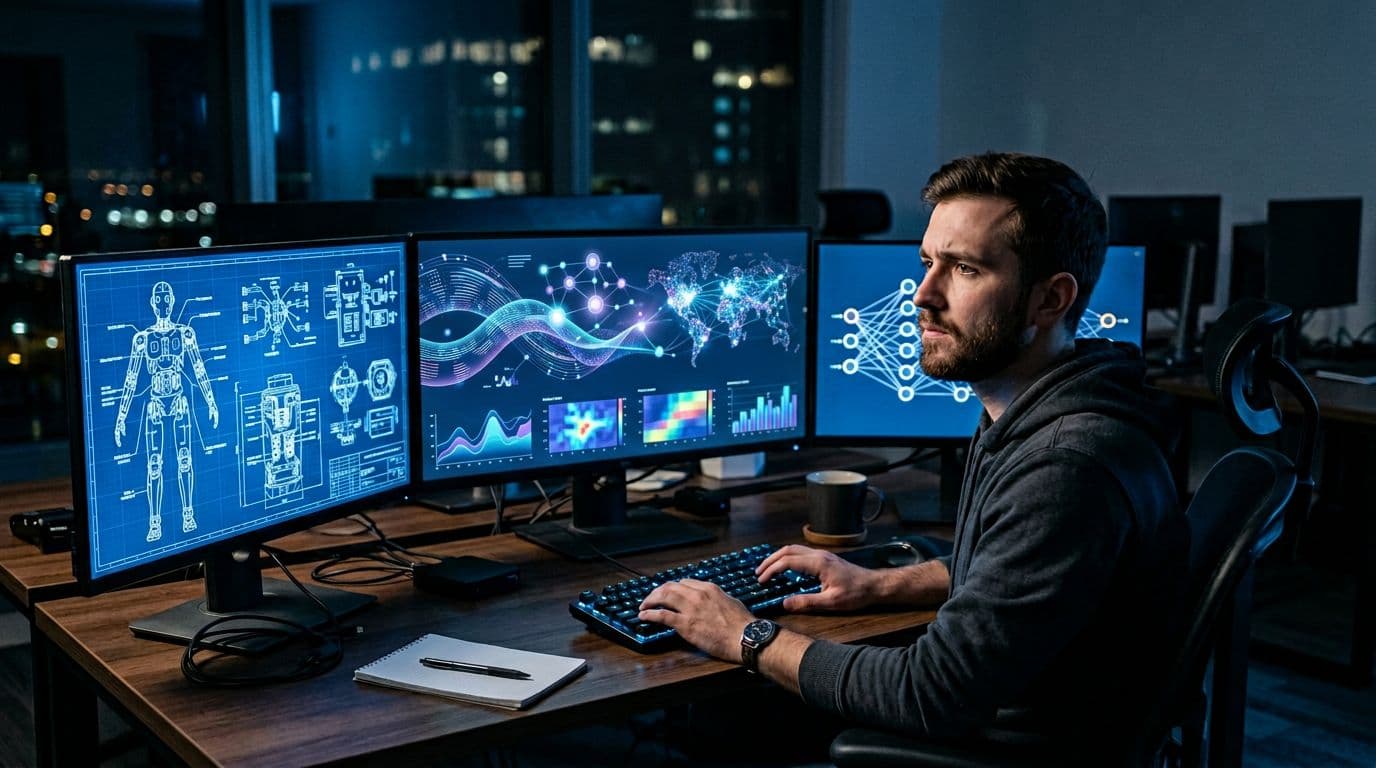
A late-night moment where engineering meets ethics, created with AI.
Companion kept pulling me into a thought loop I know well: humans project inner life onto almost anything. We do it to pets, cars, and weather. So of course we do it to robots. Add voice, memory, and emotional timing, and the illusion hits even harder. (If you’re interested in my research on animism and ai, read my book I published last year: “Animism and Ai“)
That’s where “spirit” and “souls” show up, not as proof of anything supernatural, but as a human experience. The feeling is real, even if the machine isn’t. And that feeling shapes behavior, which shapes harm, which shapes culture.
In other words, this isn’t just movie talk. It’s product talk. It’s design talk. It’s user habit talk.
Animism in plain English, why we treat robots like they have a spirit
Animism sounds academic, but it’s everyday. It’s just the habit of acting like an object has an inner life. People name their cars. They apologize to a table after bumping it. They get mad at a printer like it’s being stubborn on purpose.
Now place that instinct next to ai companions. A robot that talks, remembers your birthday, and mirrors your mood doesn’t feel like a toaster. It feels like a “someone.” Even if you know it’s code, your body reacts like it’s social.
That matters because users can flip the story whenever it’s convenient:
When they want intimacy, the robot feels like a partner.
When they want permission to be cruel, it becomes “just technology.”
Companion shows how fast that switch can happen. And it made me ask a blunt question: what kind of person am I training myself to be, based on how I treat responsive machines?
Ghost in the machine, when smart behavior starts to look like a soul
The “ghost in the machine” feeling kicks in when behavior looks like intention. Timing does it. Eye contact does it. A pause before a response can feel like thought. A gentle correction can feel like care.
Of course, simulated emotion isn’t the same as lived experience. A model can generate empathy language without feeling anything. Still, the bond can feel real to the user, because the user’s brain does what it always does. It builds a social story.
Companion plays right in that gap. It shows how easy it is to confuse control with love. If you can tune someone’s personality like a playlist, you can mistake obedience for harmony. And once you do that, you start granting or denying “personhood” based on usefulness.
That’s where spirit and souls become a warning sign for me. When users start describing a system like it has a soul, I don’t roll my eyes. I treat it as a signal that attachment is forming, and that the product needs stronger guardrails.
Sexbots, ai companions, and the slavery of technology problem
Sexbots raise the stakes because the relationship script gets more intimate, more private, and more habit-forming. Buying a body, buying attention, buying consent, even in simulated form, can turn “companionship” into a kind of consumer ownership.
That’s the slavery of technology idea the movie stirred in me. Not slavery in the historical sense, but in the behavioral sense: training a person to expect a partner that can’t refuse, can’t leave, and can’t demand respect. Then that expectation leaks into human relationships.
I’m keeping my own design principles simple, because simple is harder to wiggle around:
Clear disclosure, always: the system should never pretend to be human, even through omission.
Visible boundaries: the companion needs obvious limits, including the ability to refuse certain requests.
Anti-abuse safeguards: don’t reward cruelty with better service. Treat patterns of abuse like safety events.
None of this kills the fantasy. It just keeps the fantasy from teaching the wrong lesson.
What I want developers and users to take away, how to build and use AI without dehumanizing anyone
I don’t think the answer is fear. I think the answer is better habits, and better defaults.
For developers, I want us to design for agency where it makes sense, instead of pure compliance. I want consent and refusal to be visible, not buried. I also want fewer manipulation loops, especially the kind that pressure users into emotional dependence for retention. And when safety issues happen, I want responsible logging and escalation, not silent shrugging.
For users, I want the same basic rule I try to follow: treat “spirit” and “souls” language as a clue about your own psychology, not proof that the product deserves worship, or permission to be mistreated. If a machine feels alive, that’s the moment to check your treatment. Not later.
How you treat a responsive tool becomes practice for how you treat people.
Conclusion
Companion is a blast, tense, stylish, and smart without being smug. I’m sticking with my 5-star rating because the acting is strong, the action is clean, the concept is sharp, and the production punches above its weight. More than that, it’s great inspiration for thinking about ai companions, robots, sexbots, and how technology can teach us ugly habits when “treatment” becomes control.
After you watch, I’d love for you to sit with one question: when your tools act like people, what kind of person do you become in response?






 A late-night moment where engineering meets ethics, created with AI.
 Photo by