I truly was on the fence about whether i wanted to go see this Marvel film or not. If I hadn’t had AMC A-List membership and got it for free, I probably wouldn’t have went to see it in the theater, I would have waited for its arrival on streaming services. What a mistake that would have been!
Marvel’s latest film throws out old rules and brings new grit to the big screen. It truly was destined for an in-theater experience. Thunderbolts isn’t just another team-up; this time, the heroes are messy, bruised, and anything but perfect. The story centers on antiheroes forced to work together, each one shadowed by personal loss and regrets that feel strikingly real.
Instead of shiny ideals, Thunderbolts dives into the hard fight for forgiveness and connection. Every punch and wisecrack lands with the weight of past mistakes. Marvel gambles big here, letting flawed characters grab the spotlight in a story that’s raw, sharp, and surprisingly heartfelt. This isn’t just a new movie; it’s a new path for the MCU, grounded in pain, hope, and the rough road toward redemption.
A New Kind of Marvel Movie
Thunderbolts shakes up what you expect from a Marvel movie. It steps away from grand, world-ending threats and instead puts the spotlight on flawed heroes. The world feels closer, the stakes are personal, and every moment is painted with grit. This film draws a sharp line between the glossy, high-tech look of previous MCU entries and something rawer and more human. Thunderbolts signals a new direction, one powered by visual grit, practical effects, and a focus on hope despite darkness.
A Gritty Visual Style
Thunderbolts doesn’t follow the usual Marvel trend of shining skyscrapers and glossy headquarters. Instead, the film frames its antiheroes in scenes that feel weathered and lived-in. Abandoned buildings, cracked roads, and flickering neon signs set a mood closer to a survival story than a superhero adventure.
You can almost feel the dust on the camera lens and the weight of the city pressing in. Shadows linger. The color palette leans into muted grays and earth tones, giving every shot a tinge of reality; far from the safe glow of previous MCU movies. These visuals help the characters feel small, reminding us their battles are as much inside themselves as they are out on the streets.

Practical Effects Over CGI
What truly sets Thunderbolts apart is its rejection of visual overload. While Marvel films are known for big, computer-generated battles, this movie keeps things real. Explosions are dirty. Car chases are tight. When windows break or walls crumble, the debris feels tangible. The action focuses on close-up stunts and hand-to-h; nd fights, making each hit look, and feel, painful.
Here are a few things you’ll notice:
- Stunts are physical. Actors trained for bruising fights instead of fighting green-screen monsters.
- Set pieces show scars. Environments look wrecked, with every dent and burn left on camera.
- Minimal digital gloss. Visual tricks are used only to enhance, not distract. The result is tension you can feel through the screen.
This hands-on approach brings authenticity to the film, and viewers used to Marvel’s polished look will notice the difference from the start.

The Tone: Darker but Still Hopeful
Thunderbolts is darker than most of its MCU cousins, but it never loses its heart. The film confronts loss, guilt, and the urge to fix broken things. There’s violence and struggle, but also real moments of hope that shine through cracks.
Some scenes hit as hard as anything in the MCU’s past, ranking Thunderbolts among the darkest Marvel movies. But instead of ending in cynicism, the story chooses honesty. Team members lash out, fall apart, and pick themselves back up. Amid gray skies and broken dreams, acts of kindness and loyalty cut through the gloom.
It’s this balance, between shadow and hope, that marks Thunderbolts as a new kind of Marvel film. Every tough moment makes the rare smiles and second chances feel earned. The MCU isn’t just changing its tone with this film, it’s showing that even in the darkest corners, hope can find its way back.
The Antiheroes: Team Breakdown
Thunderbolts brings together a mismatched team of antiheroes, each carrying their history and pain like a second skin. This crew of Marvel outsiders doesn’t always gel, and that’s the point, their chemistry is raw, uneven, and unpredictable. Every fight and quiet moment pulls back another layer, showing that saving the day sometimes means wrestling with your own shadows first. Let’s break down the team’s key players and what makes their dynamic so charged.
Yelena Belova: Emotional Center
Yelena Belova stands as the team’s heartbeat. Her grief is sharp and never far from the surface. What hits hardest is how she balances razor wit with real vulnerability. Unlike stoic leaders of past Marvel teams, Yelena shows her scars and then manages to joke about them, drawing others closer even when she’d rather keep them at arm’s length.
Her drive is about more than just the mission, it’s about finding meaning after so much loss. Yelena’s struggle with loneliness makes her relatable, and her quest for connection glues the team together, often at great cost to herself. For a deep dive into her arc and why she’s a highlight of the film, see the Thunderbolts Cast & Marvel Character Guide.
Bucky Barnes and Red Guardian: Restless Veterans
Bucky Barnes and Red Guardian are war-weary, pulling the team’s story back into the past with their own regrets. Bucky’s silent intensity is always present, he is a man haunted by memory, trying to do good after lifetimes of manipulation and violence. Red Guardian, meanwhile, wears his insecurities on his sleeve, searching for a second shot at glory and relevance.
Their banter lands somewhere between biting and begrudging respect. Scenes with both men crackle with old pain and the tired hope that, somehow, they’re not too broken to matter. This dynamic roots the Thunderbolts firmly in the real, gritty struggles of Marvel’s most human antiheroes.
Ghost and Taskmaster: Underwritten but Promising
Ghost and Taskmaster never quite get the screen time they deserve, but even brief appearances give a sense of promise. Ghost’s phasing powers reflect her internal struggle, always half in, half out, never fully at ease. She moves through scenes like a specter, unable to settle, with trauma that stays just under the surface.
Taskmaster’s arc again hints at more: her silence and skill mask deep uncertainty and an unresolved past. Both characters leave you wanting to know more. They’re wild cards, quiet now, but easy to imagine as bigger players if Thunderbolts gets a sequel. For more context on the movie’s complex cast, check out What to Remember About the Characters in Thunderbolts.
The Sentry and Bob: Surprising Standouts
Every team needs a surprise, and Thunderbolts delivers with The Sentry and his unlikely companion, Bob. The Sentry brings impossible power coupled with fragile mental health, flickering from savior to threat in a heartbeat. His presence alone keeps everyone on edge, his teammates know a single bad day could turn him from hero to disaster.
And then there’s Bob, a character who shouldn’t work, but does, a nervous, out-of-place everyman surrounded by legends. His comic relief is never forced; it provides a light touch to balance the darkness. Their odd pairing leaves a mark, reminding the audience that even sidekicks and the unpredictable can find depth and importance in a film of heavy hitters. To explore Marvel’s love for misfits and why mismatched heroes work so well, read the coverage on the rag team of Marvel misfits.
Plot and Themes: Redemption and Purpose
At its heart, Thunderbolts is more than a gritty team-up. The film peels back layers of trauma and regret, forcing every character to confront choices that haunt them. Purpose isn’t handed out; it’s something the characters claw back, day by hard day. Themes of second chances, finding self-worth, and living with scars connect each subplot. In Thunderbolts, the path to redemption feels steep, and sometimes, just surviving is enough to call it a win.
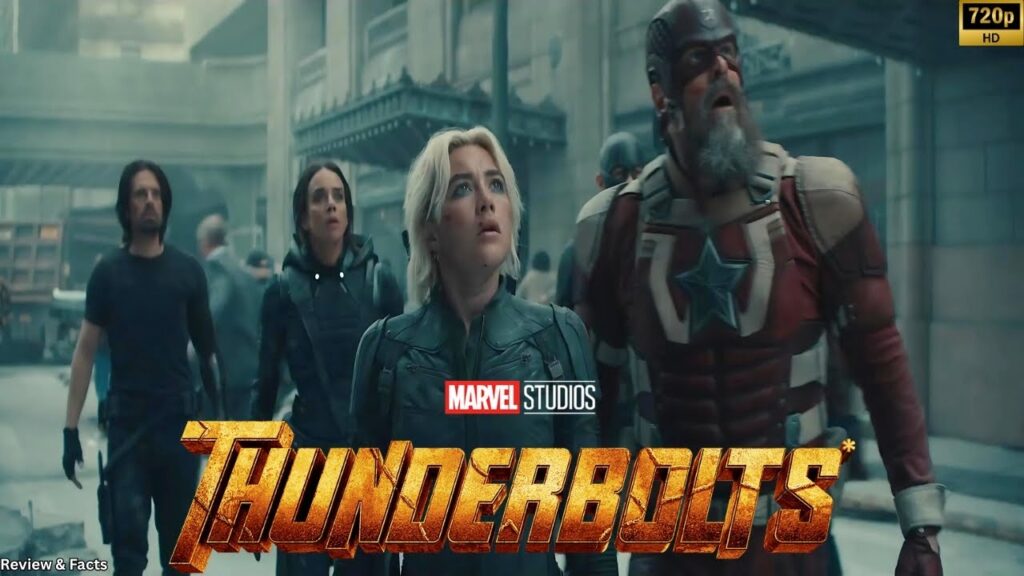
Redemption as a Superpower
In Thunderbolts, redemption is as powerful as any trick arrow or Vibranium shield. These antiheroes wear guilt like armor, but it’s also what keeps them moving. For Bucky Barnes, every heroic act is a note in his long ledger of regret, a way to push back against the darkness in his head. Yelena Belova cracks jokes, but every one covers a scar. The film isn’t about wiping slates clean; it’s about accepting that the stains may never fade.
Small, hard-won victories matter. Whether it’s Ghost allowing herself to trust the team or Red Guardian risking his life for others, these moments bring meaning to their chaos. They fight, not just for the world, but for their own shaky worth. Looking for a deeper dive into how Thunderbolts handles these themes? Check out the thoughtful analysis on Thunderbolts* and its message about inner demons.
Mental Health at the Core
Thunderbolts doesn’t shy away from mental illness, instead, it puts it front and center. The Sentry’s struggle with his fragile mind, Bucky’s PTSD, Ghost’s anxiety about existence, and even comedic sidekick Bob’s silent battles tell stories that rarely make it into big popcorn action movies.
Critics have taken notice, with many praising how the film deals with depression and the constant grind of living with invisible pain. Each character is allowed to break. Some episodes feel less like superhero action and more like raw confessionals, especially when the movie touches on topics like PTSD or the highs and lows of bipolar disorder. Audiences will recognize what survival looks like in the face of these challenges. To read more about how the film dives into these sensitive issues, visit this review on how Marvel’s darkest film tackles mental health.
Thunderbolts stands out by showing mental wounds as real as any broken bone and by reminding us everyone’s fighting their own war inside.
Valentina’s Shadow
At the center of the Thunderbolts experiment is Valentina Allegra de Fontaine. Her leadership isn’t about trust, it’s about pulling strings. Valentina casts a long shadow over the team, always keeping her motives hidden. Every order tests loyalty, pushing these broken heroes to do her bidding while questioning if their second chance is just another trap.
She’s more than a boss; she’s a puppet master. From manipulating Yelena’s rage to playing on Bucky’s longing for purpose, Valentina shapes the team’s journey with cold precision. Her influence keeps the squad off-balance, making the search for true redemption even harder. To see how her manipulative tactics fit into her role across Marvel projects, read her character breakdown on the Villains Wiki.
Thunderbolts asks if true freedom can ever come from someone who profits from your pain, keeping Valentina’s shadow looming over every scene.
Standout Scenes and Direction
Thunderbolts pulls you in with setpieces and direction that cut through the noise. The film knows when to go big and when to go quiet, always making each beat count. With Jake Schreier’s guiding hand, scenes never feel wasted; even the silences have gravity. Andrew Droz Palermo’s eye for muted, grounded visuals pin the movie to the real world, making every moment hit harder. Practical stunts, like the memorable Merdeka 118 sequence, keep the tension tight and the stakes clear. Son Lux’s score adds another layer, elevating the raw emotion on display. It all adds up to a movie that lingers with you long after the credits roll.
Merdeka 118: High Stakes, High Altitude
The Merdeka 118 action setpiece? Absolutely unforgettable. It crackles with danger and sweat. From the dizzying climb up the real-world skyscraper’s skeleton to the visceral fistfights breaking out hundreds of meters above the city, this sequence never lets you catch your breath. No green screen safety nets—just raw, grounded tension.
You feel every scrape and every gust of wind that rattles the frame. The camera keeps close to the ground (or lack of it), never shying away from how high the stakes actually are, literally and emotionally. The scene isn’t just spectacle; it’s a pressure cooker for team dynamics. Yelena’s distrust, Bucky’s nerves, and The Sentry’s unpredictability boil over. Andrew Droz Palermo’s photography leans into natural light and handheld shots, making panic and desperation look beautiful but never over-glossed.
A close look at Palermo’s Instagram offers insight into his approach, where he teases out raw tension with earth-toned palettes and careful framing. This might be the MCU’s most pulse-pounding tower sequence yet.
Fight Scenes That Mean Something
Thunderbolts doesn’t waste punches or bullets. Every clash advances character and story. Fights are short, sharp, and always personal. These aren’t faceless armies; every opponent matters, every hit lands with history.
Here’s what separates these action scenes:
- Physical Pain, Real Impact: You recognize actual fatigue. Heroes limp, gasp, and hesitate.
- Lived-in Choreography: Stunt work feels chaotic and bruising, never slick or rehearsed. Think broken glass, sweating brows, and bloody knuckles.
- Emotional Weight: Action always comes with personal cost. When Bucky holds back, or Yelena hesitates, you see the war happening inside.
Practical effects rule the day, with Andrew Droz Palermo’s cinematography capturing each detail without smoothing out the rough parts. For more on how Schreier’s choices shape action, check out how the Thunderbolts director, Jake Schreier, shares secrets behind the scenes.
Score and Sound: Son Lux’s Emotional Layer
Music can make or break a scene. Here, Son Lux’s score adds a nervous pulse that you notice, even when you don’t hear it directly. Instead of blasting bombast, the tracks stay close to raw nerves, haunting synths, aching strings, and stuttering rhythms.
Son Lux’s work isn’t about heroism or triumph; it’s about doubt, guilt, and small moments of hope. The soundtrack pushes the film’s mood further, both in the tense silences and explosive moments.
- Low, pulsing tones linger during character stand-offs.
- Sparks of melody shine through in rare, hopeful beats.
- Silence itself becomes a weapon; letting every ragged breath and footstep echo.
This sound design, sometimes barely there, sometimes overwhelming; cements Thunderbolts’ choice to stay grounded and close to its damaged team. Each note feels like it’s fighting to break through the noise, just like the antiheroes themselves.
Critical Reception and Box Office Impact
Thunderbolts came in with heavy expectations, and the response has been as charged as the story itself. Both critics and fans have voiced strong opinions, lighting up forums, social media, an; review aggregators. The numbers and reactions are clear: Marvel’s risk with this film has brought out big feelings, and big bucks. Let’s brek down what critics praised, how audiences reacted, and where Thunderbolts stands in the box office race.
What Critics Loved
From opening night, Thunderbolts sparked buzz for its honesty and grit, a sharp turn from more predictable MCU fare. Major critics zeroed in on a few standout strengths:
- Emotional honesty: Many reviewers called Thunderbolts one of Marvel’s most heartfelt films. The pain, humor, and brokenness on screen felt real and grounded (RogerEbert.com’s review).
- Sharp banter and team chemistry: Critics loved the team’s messy dynamics and unpredictable humor. The dialogue had snap and edge, without falling back on old Marvel formulas (Rotten Tomatoes critics’ reviews).
- Action that means something: Instead of empty spectacle, every brawl moved the story or dug deeper into character motivations.
Some reviewers pointed to a few drawbacks, like pacing stumbles in the final act. But for most, Thunderbolts hit harder than recent Marvel outings, finding a new voice that many agree the franchise needs (Forbes review highlights).
Audience Reactions: Surprised and Moved
Fans hit theaters expecting chaos. What they found was a story that pulled no punches and lingered in memory. Social media buzz has carried a few key themes:
- Surprise at the emotion: Viewers admitted to being caught off guard by how sad, or hopeful, Thunderbolts could feel.
- Connection to mental health stories: Many fans said they saw themselves in the film’s depiction of trauma, anxiety, and the slow work of healing.
- Mixed takes on pacing: While most praised the raw style, some noticed stretches that moved a little too slow for their tastes.
On Rotten Tomatoes, the film holds a solid audience score, reflecting a deep divide; some are all-in for Marvel’s new direction, others yearn for the flashier old days. Still, the tone of the conversation online is mostly positive, fueled by word-of-mouth and repeat tickets (Rotten Tomatoes audience scores).
Box Office Numbers and MCU Trajectory
Thunderbolts roared out of the gate with strong numbers, and some interesting comparisons to past MCU releases. Here’s how things stack up:
- Opening weekend: Pulled in over $74 million in North America, the highest debut for a Marvel film since 2022 (Thunderbolts financials at The Numbers).
- Strong legs at the box office: The momentum hasn’t slowed much heading into the second week, with predictions placing Thunderbolts at over $100 million domestic and $30 million for its second weekend (Deadline’s box office update; ComicBookMovie box office news).
- Budget and profit: With a production budget of $180 million, Thunderbolts is set to clear profitability as global receipts grow.
The success matters for Marvel. After a few box office stumbles and audience fatigue, Thunderbolts’ risky new approach is paying off. Industry insiders say this could signal a turning point, Marvel may double down on more grounded, character-driven films that leave the old superhero gloss behind. The gamble seems to be working, at least for now, and fans are showing up to see what’s next.
Final Review
Thunderbolts draws its strength from imperfection. This film hands the spotlight to broken heroes, making every wound and regret feel sharp and honest. Marvel trades polish for grit, showing that hard edges and haunted hearts can still find something worth saving.
The movie’s raw approach; practical stunts, muted colors, stifled humor, carries through even after the credits. It’s proof that the MCU has room for pain, growth, and the kind of victory that doesn’t erase scars. That’s what sticks: a story where hope belongs to the flawed.
Thunderbolts sets the tone for what’s next in Marvel’s world. As the MCU dares to get more real, audiences are left looking forward to messier, bolder stories that let imperfect heroes lead. Thanks for reading—share your thoughts below and tell us where you think Marvel’s journey should go from here. Rating: 4.5 stars out of 5. ~ Leaf McGowan, Techno Tink Media www.technotink.com/design/