* Kildare, Ireland *
For well over 1,000 years, if not 2,000 years or more, the sacred fire of the Goddess Brigid (now St. Brigid of Ireland) has existed and kept holy/sacred by her followers, priestesses, and/or members of her Order. In Ancient times, the Priestesses of Brighid kept her flame eternally lit with 19 Priestesses keeping vigil that the flame was never extinguished.
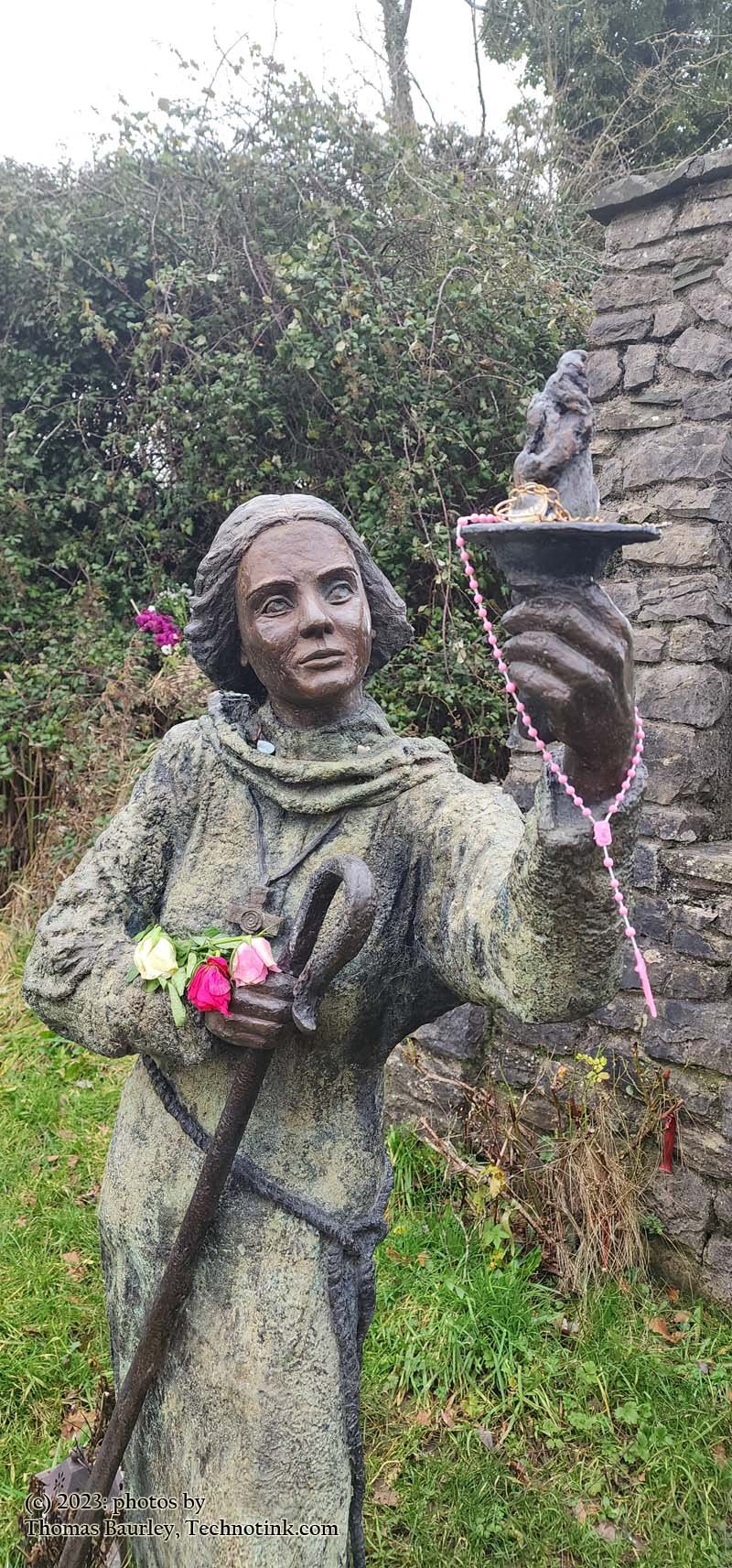
As Christianity spread through Ireland, the Goddess Brigid was so integral to the Irish population that She could not be eradicated and thereby made a Saint by the Catholic Church. In the 6th century C.E., A nun iconified as “St. Brigid” came to Kildare and built a nunnery/monastery and school on the same site where the Brigid Priestesses were keeping vigil at the Fire Temple eventually absorbing and taking over the duties of the Priestesses now brandishing the torch for Christianity while keeping the Pagan faith alive just hidden.
Through many Viking conquests, raids, and wars, the original wooden church, monastery, and foundation were eventually rebuilt as a stone Cathedral by the 13th century. Giraldus Cambrensis wrote in the 12th century that the Flame was attended by twenty “servants of the Lord” at the time of St. Brigid with Brigid herself being the 20th.
When she died, the number went down to 19 with each of the nuns taking their turns at night, and on the 2oth night, the nineteenth nun would put logs on the fire and St. Brigid would miraculously tend the fire which never went out. By the time Giraldus wrote that the fire had been continually burning for 600 years, and thereby never had its ashes cleaned out, nor did the ashes ever seem to increase in size. Surrounding the fire was a legendary hedge that no male could ever cross. By Legend, one of the Strong bow’s men attempted to cross the hedge and wound up going mad. Another had attempted but just as his leg crossed the threshold, his comrades pulled him back. Unfortunately, the leg that did cross became maimed and he was crippled for the rest of his life.
The magical hedge no longer exists, but in times of legend, protected the flame from male invaders by cursing them to go insane, die, become maimed, or have their penis wither. The Sisters of Brigid (Catholic nuns) continue the work in safeguarding the eternal flame in Solas Bhride which means “Light of Brigid”.Once during the 1200s, the Eternal flame was briefly extinguished by Henry of London, the Norman archbishop of Dublin who ordered it to be put out as he considered the tending process to be a Pagan practice and not to be tolerated. It was quickly relit by the locals and the Sisters continued doing this until the 16th century’s British Reformation.
During the Reformation, King Henry XIII had a campaign to destroy Catholic monasteries and in this process, attacked the St. Brigid foundation at Kildare, thereby extinguishing the flame. On February 1st of 1807, the Bishop of Kildare, Daniel Delany, restored the Sisterhood of St. Brigid and thereby re-lighting the Eternal Flame of Brigid. The Sisterhood of St. Brigid’s mission was at this point to restore the Ancient Order and bring back the legacy and spirit of St. Brigid to Kildare (and thereby the world).
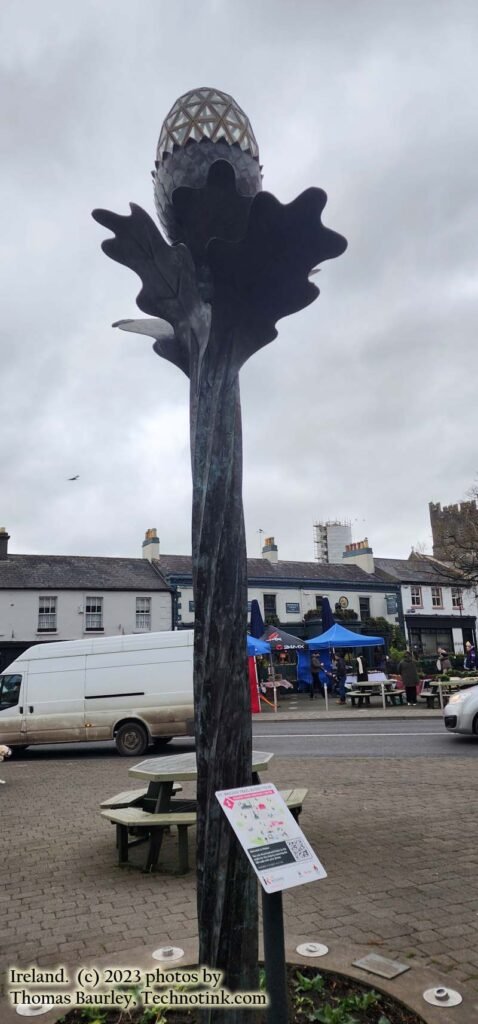
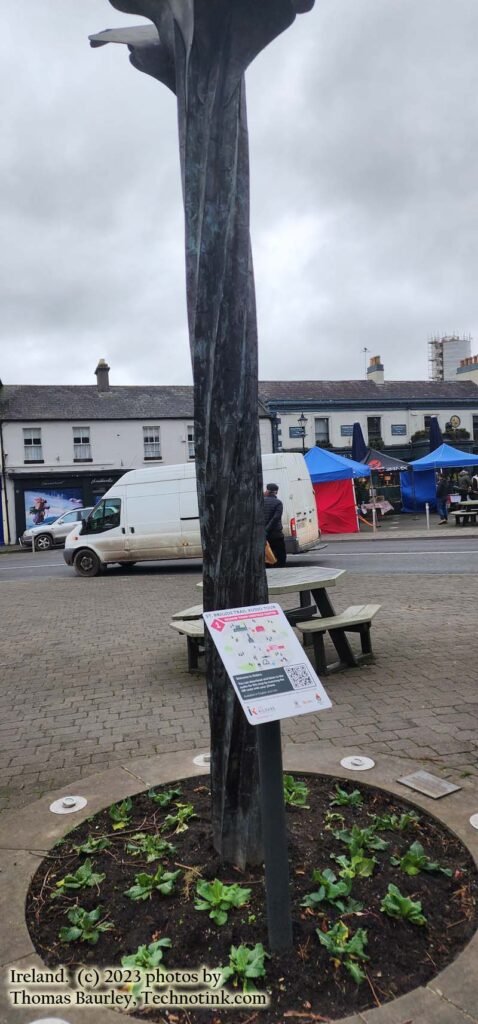
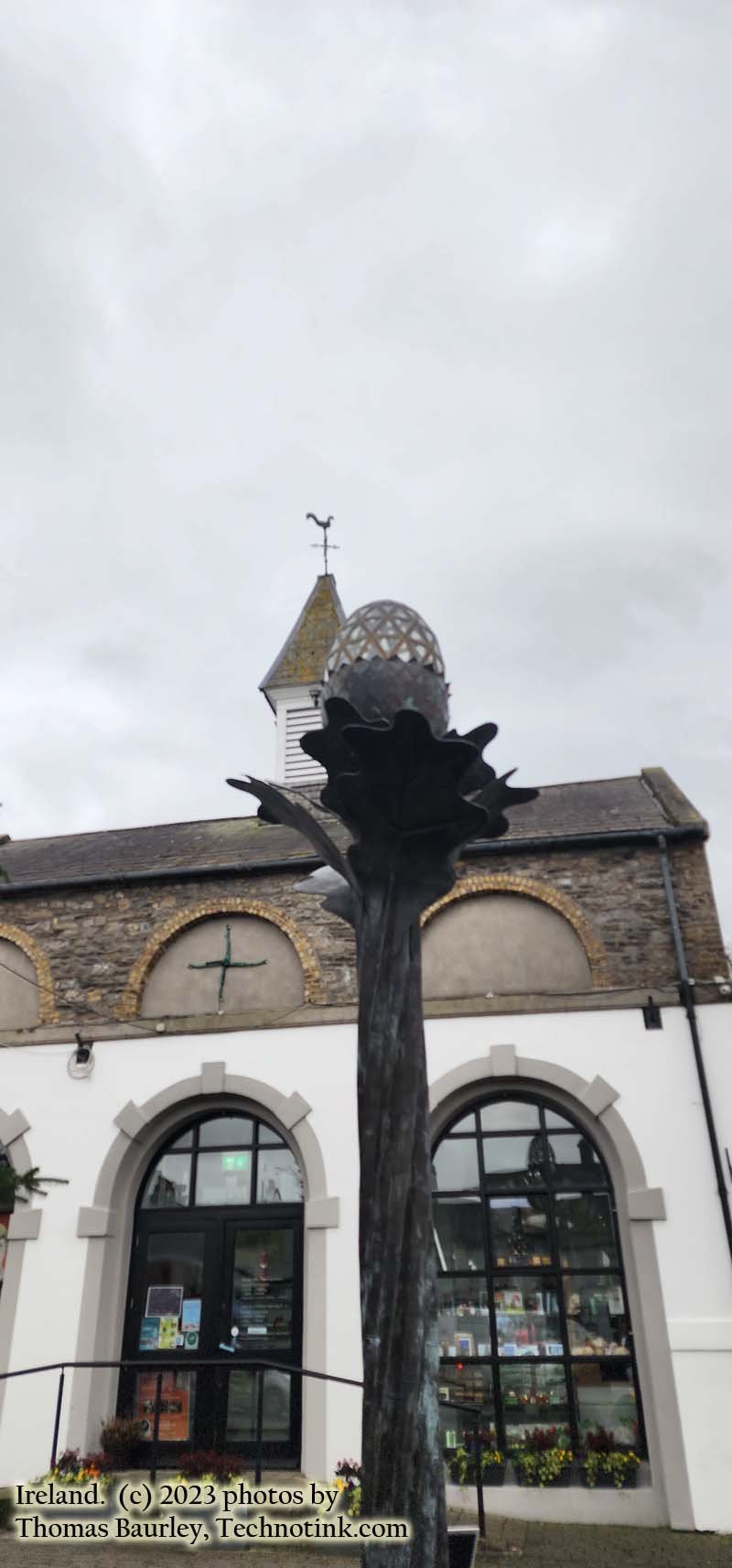
The town center saw the Flame rekindled in the heart of Kildare’s Market Square once again as well, in 1993 by Sister Mary Teresa Cullen, the leader of the Brigidine Sisters at that time. From that point, the Perpetual flame was monitored and kept alive in their home and on February 1, 2006 – the flame was brought back to the center of the Market Square where it has been permanently housed in a large glass-enclosed vessel (and numerous flames kept alive in the Sister’s houses). The St. Brigid’s Flame monument, centered in the photo above, was unveiled by President Mary McAleese on St. Brigid’s Day, February 1st, 2006.