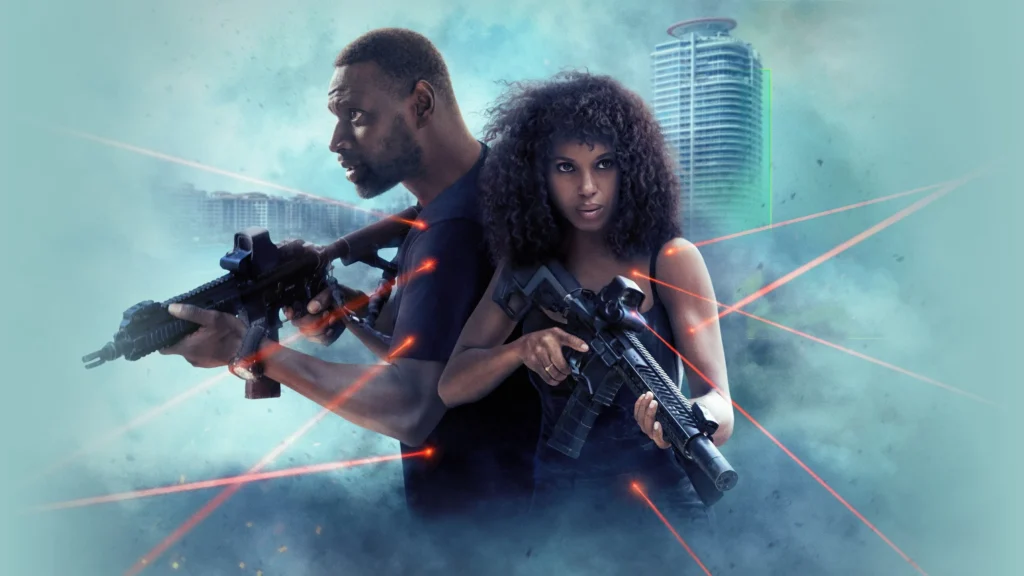
Shadow Force (R: 2025) Action, Adventure, and Assassins Unleashed

I was on the fence about seeing this flick in the theater. It was fun, but I could have waited for streaming in my living room. It’s atypical in its format. From the first burst of gunfire to the last shadowy deal, Shadow Force grabs the senses and tries not to let go. The film draws you into a world where action, adventure, and assassins collide in the tangled streets and smoke-filled rooms of its deadly playground. Every frame is packed with sharp turns, quick strikes, and the hard choices faced by those who live by the blade and bullet.

Plot and Premise: Dangerous Love in a Shadowy World

Every parent wants to protect their child, but what if both parents are rogue assassins haunted by their violent past? Shadow Force draws you into a world where two former elite operatives put everything on the line to shield their son from a relentless, vengeful organization. The film fuses the pulse of action, adventure, assassins, and the pain of loyalty with the hope of family, making every moment count.

The Stakes: What Sets Shadow Force Apart?

Shadow Force isn’t your standard shootout film. It stands apart by weaving together the heat of espionage action with the heart of a domestic drama. At its core is the idea of the “Shadow Force” unit; a covert team operating in secret, where betrayal and trust mean life or death.

What truly sets this film apart:

  • Personal vs. Professional: The leads are more than just spies; they’re parents. Choices aren’t just tactical, they’re emotional.
  • Inescapable Past: Every scene builds tension between the violence they’ve left behind and their duty to their son.
  • Moral Dilemmas: The concept of “Shadow Force” goes beyond a team name; it’s a code these parents must break for love.
  • No Safe Haven: Every safehouse is a potential trap, and every trusted contact could turn into an enemy.

Loyalty and sacrifice take center stage when every decision could lead to discovery or death. For more detailed insights on how the film’s premise connects action, adventure, and assassins, the Shadow Force (2025 film) Wikipedia page provides a clear outline of the core setup and emotional stakes.
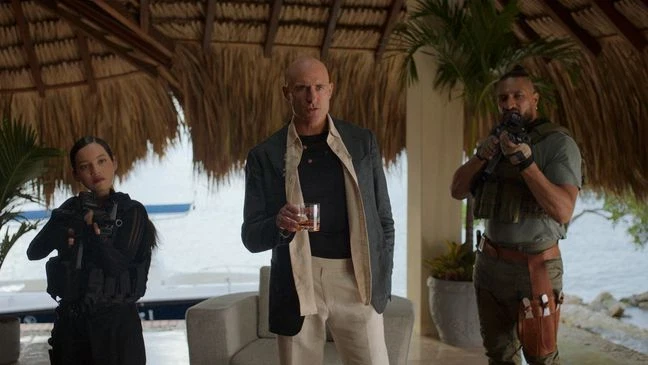
Character Motives and Relationships

Kyrah and Isaac don’t just face bullets and betrayals; they face each other. These two aren’t only running from enemies, they’re haunted by the lives they once led as top-tier assassins. The chemistry that sizzled when they broke the team’s rules by falling in love now puts them and their son directly in the crosshairs.

Key elements in their dynamic:

  • History and Heartbreak: Their shared past as operatives brings a deep knowledge of danger, but also a pain that resurfaces when trust is tested.
  • Push and Pull: Every interaction crackles with tension. Sometimes they’re partners in sync; other times, old scars drive them apart.
  • Family as Motivation: Unlike standard action, adventure, assassins’ fare, the stakes turn personal; every risk carried is for their child’s future, not just survival.

Their relationship is both their greatest strength and the source of their ongoing vulnerability. The portrayal of these characters is detailed enough that you find yourself caring as much about their next move emotionally as you do about the next gunfight. To read an in-depth critical perspective on the portrayal of their motives and relationships, check out the recent Shadow Force movie review on RogerEbert.com.

This push-and-pull dynamic makes Shadow Force more than just another chapter in the genre; it’s a raw, high-stakes test of love and loyalty, driven by a blend of action, adventure, assassins, and family bonds that few films are bold enough to attempt.

Cinematic Style and Action Sequences

The action, adventure, assassins’ pulse of Shadow Force is felt in every frame, sending shockwaves through fans who crave dramatic fight scenes, electric chases, and visual spectacle. As AMC A-List members already know, this is the type of film that makes seeing movies in the theater a must. (New to AMC’s club? Explore AMC A-list membership benefits to see why premium action deserves a premium seat.)

High-Octane Scenes and Choreography

Shadow Force takes common action, adventure, assassin stories and cranks the intensity dial to ten. The choreography doesn’t pull punches. You’ll see bodies slam into walls, shatter glass, and leap fences in pursuit scenes that blaze across city streets and deserted warehouses.

A few sequences burn themselves into memory:

  • Opening Freeway Chase: Engines roar, tires shriek, and windshields explode as Kyrah and Isaac dodge armored vans, flying bullets, and motorcycles weaving through tight traffic.
  • Close Quarters Combat: When henchmen corner Kyrah in a crumbling apartment, every move is a dance of survival. Furniture smashes, knives flash, and the fight unfolds with a gritty, real energy; no wasted motions or fancy flairs, just sweat and impact.
  • Stealth Takeover: Isaac’s silent break-in is a showcase of tension. Shadows flicker on the walls while quick, efficient takedowns silence guards before they can radio for help.

The fights never drag. Each punch, kick, and acrobatic roll lands with real weight. You feel every breathless second as if you’re standing right beside them. According to a recent discussion on fight choreography for Shadow Force, the leads prepared for months to make these moments look real; clearly, effort pays off.

Visual and Sound Craft: Strengths and Shortcomings

Lighting and editing shape the film’s unique style. Scenes shift swiftly from neon-lit streets to rain-slick warehouses, adding raw atmosphere to every showdown. The cinematographer uses deep shadows not just for mood, but to keep you guessing where danger might spring from next.

Editing is quick but not chaotic. Each shot is cut to the rhythm of the chase or fight, ensuring you never lose sight of what’s at stake and who’s at risk. You won’t find the kind of dizzying, confusing cuts that plague lesser action, adventure, assassins films.

Sound is where Shadow Force tries something bold: incorporating Isaac’s hearing aids into the combat. When he’s thrown, the audio distorts; gunfire muffles, heartbeats pound loud enough to swallow dialogue. This gives you his perspective for a few heart-stopping moments. The move is ambitious and doesn’t always land: at times, effects overtake clarity and can briefly pull you out of the scene.

Still, the risk mostly pays off, drawing the audience closer to the action’s emotional core. For a broader perspective on how the film’s direction and editing impact immersion, the Variety review of Shadow Force unpacks why some sequences hit harder than others.

By the end of these set-pieces, it’s clear Shadow Force relies on strong visuals and crisp editing to keep things tight and punchy. While not every sound cue or lighting choice is perfect, the film wins points for trying things most action, adventure, assassins movies wouldn’t risk; making for a viewing experience that feels rough, raw, and just a bit different from the rest.

Themes and Rating: How Far Does Shadow Force Go?

Shadow Force isn’t shy about pushing its limits. This film leans in on action, adventure, assassins, and the gritty consequences that ripple through families living outside the law. The R rating speaks for itself. Here’s a frank look at exactly where the movie draws the line; and where it leaps right over.

Violence, Language, and Family Conflict

Shadow Force doesn’t hold back when it comes to violence. Every shootout, brawl, and betrayal pulls you deep into a brutal world.

  • Level of Violence: The movie earns its R rating for sustained action. Fistfights crack bones. Gunfire is constant. The violence isn’t cartoonish; it feels raw, messy, and desperate. You see the personal toll, not just for the leads but also for nameless henchmen who fall along the way.
  • Profanity: Language stays sharp and authentic. Characters in this world curse like they mean it. It matches the intensity of people living on edge, with strong profanity sprinkled throughout tense exchanges and arguments.
  • Family Conflict: The emotional blows hit as hard as the physical ones. Scenes crackle with tension whenever Kyrah and Isaac disagree over how to keep their son safe. The film doesn’t shy away from exposing the frayed edges of their partnership. Arguments and hard choices feel honest, often mirroring the rough stakes of real family disputes; but here, the fallout is deadlier.

Content watchdogs do not mince words. In its review, Common Sense Media highlights Shadow Force’s intense violence and frequent strong language, reminding parents and viewers that this is a film for mature audiences. If you’re sensitive to on-screen fighting or heavy family drama, prepare yourself; there’s no sugarcoating here.

In sum, Shadow Force walks a line between raw entertainment and moody, symbolic storytelling. The rating reflects a fearless approach; this isn’t action, adventure, assassins fare for the faint of heart, but for those who want honesty in every cut, curse, and glance.

Final Verdict: Does Shadow Force Stand Out Among Action Films?

Shadow Force enters a crowded field packed with action, adventure, assassins, and intense showdowns. As audiences line up for fresh takes on the assassin genre, many want to know if this film truly steps out of the shadows of its competition or fades into familiar territory. This section breaks down how Shadow Force compares to its peers, weighs its strengths and flaws, and looks at why this could be a good pick for action fans.

How Shadow Force Compares to Other Assassin Flicks

Assassin films have a huge following. Classics like John Wick, Atomic Blonde, and Leon: The Professional have set a high bar for edge-of-your-seat action, stylized violence, and brooding antiheroes. Shadow Force sticks to the rules of the genre but adds its own flavor by putting parental instincts front and center.

  • Comparative Strengths:
    • Shadow Force stands out with the emotional stakes at play. The family focus brings something fresh to the table, unlike many cold-blooded assassin films where action comes first, emotion second.
    • Its visuals and action choreography feel raw and real, creating an immersive experience for viewers who love feeling every punch and gunshot.
  • Where It Falls Short:
    • Clichéd plotting sometimes holds it back. Fans of the genre will spot recycled elements, especially in the setup and the big final showdown.
    • The tone can be uneven. Shifts from hard-hitting action to dramatic family moments aren’t always smooth. Some scenes feel jarring as a result.
    • Character depth gets sacrificed for speed. You may wish for more development beyond the surface-level struggles.

Action fans who love exploring the full spectrum of the genre can find deep dives into the best assassin movies ranked by Tomatometer, and lists like the greatest hitman and assassin movies ever put Shadow Force into perspective next to legends like The Killer or Wanted.

By comparison, Shadow Force fits in snugly among the 10 best action movies with assassin main characters, especially for viewers craving more than just slick moves; they want emotional risk too.

Experience for AMC A-List Members

If you’re part of the AMC A-List crowd, Shadow Force definitely deserves a spot on your watchlist. The film pops in theaters, thanks to loud audio design and crisp editing that demand a massive screen. The impact of action, adventure, assassins, and drama multiplies when viewed with premium sound and picture quality.

AMC A-List members enjoy extra perks that make the experience even better, including seat selection and discounts. Details are available in this overview of AMC A-list membership perks. Those benefits can turn a good action night into a great one, especially when the film’s sensory elements amp up with surround sound.

Honest Critique: Balancing Fun and Frustration

Shadow Force tries to go big on both thrills and feelings. Sometimes it nails the blend, offering high stakes and believable stakes. In other moments, it stumbles, leaning too hard on tired assassin movie tropes or letting plot shortcuts weaken the emotional payoff.

Still, its willingness to show the messy side of the assassin life, with chaotic family arguments and mistakes, gives it just enough of a twist to keep things interesting. While it won’t replace the best of the genre, it keeps the action, adventure, assassins spirit alive with enough new energy to be worth the ticket.

Reviewed

Shadow Force knows its audience: those hungry for action, adventure, assassins, and a dose of chaos wrapped in family stakes. For fans chasing the pulse of shootouts and the grit of raw emotion, the film brings welcome energy, even if it stumbles through some familiar ground. What it lacks in polish, it makes up for in sharp fight scenes and moments where loyalty gets put to the test.

Big screens and surround sound make every scuffle and chase feel massive, but I’m not sold on the fact that this is a must for a theater experience. I believe I would of enjoyed it equally streamed from my living room. Don’t get me wrong, I enjoyed it, but it was oversold for a theater blockbuster event in my opinion. While not every risk lands, Shadow Force never loses sight of the stakes; and that’s where it earns its place among new action, adventure, assassins films lighting up marquees this year. Giving this one a 3.75 out of 5 review, Oisin Rhymour, Techno Tink Media, www.technotink.com/design.
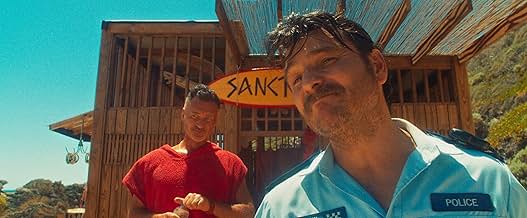
The Surfer (R: 2025) Nicolas Cage in a Tense Coastal Drama

The previews looked good, the movie delivered, and was atypical Nicolas Cage craziness. If you’re searching for a tense, sun-bleached story about bullying, gangs, surfers, Australia, and Nicolas Cage, “The Surfer” delivers with piercing intensity. This psychological thriller throws Cage into the rough waters of coastal exclusion, where every glare and crashing wave holds a threat. Set on an unforgiving stretch of beach, the film’s visual style pulses with heat, mirroring the mounting pressure on its wounded outsider.

The unsettling tone builds with every scene as outsiders and locals collide in a cruel cycle of intimidation. If you want to stretch your movie budget while catching films like this one, see the details on AMC A-list perks and savings. With its stormy themes and sharp lens on social alienation, “The Surfer” stands out as a must-watch for anyone following Nicolas Cage’s wildest roles or drawn to powerful Australian stories.

The Storyline: Obsession, Identity, and Social Tension

“The Surfer” wraps its audience in a storm of nerves, ego, and estrangement. Nicolas Cage embodies a man haunted by his past, determined to reclaim what was stolen from him on Australia’s blistering shores. The movie thrusts bullying, gangs, surfers, Australia, and Nicolas Cage into a blender, creating a drama thick with tension and longing. Every scene feels like a wave ready to break.

Returning Home: Cage’s Journey to the Australian Waves

Cage’s character drags more than his surfboard onto the sand; he lugs painful memories and the stubborn urge to prove himself. Years after leaving his coastal hometown, he heads back with the hope of sharing his love of surfing with his teenage son. But the beach that once felt like home is now dominated by a tight-knit gang of local surfers.

Soon after his arrival, old scars reopen. In this hot, salty air, Cage’s need to reclaim identity runs into the hard edge of those who never really let him belong. The early exchanges with the gang are tense; stares linger too long, quiet insults follow every step, and a simple attempt to ride the waves becomes a battle of pride.

If you want a breakdown of how this throwback tension unfolds, the Prague Reporter’s review of The Surfer captures Cage’s emotional tightrope with precision. The movie’s setting isn’t just a backdrop; it’s a powder keg ready to blow.

Fans curious about Cage’s personal struggles with surfing behind the scenes will get a kick out of Variety’s coverage, where Cage describes nearly drowning to bring authenticity to his role.

Escalation and Isolation: Bullying on the Beach

Bullying isn’t just a passing theme in “The Surfer”; it’s the engine driving every conflict. The gang’s casual slights give way to clear hostility as Cage’s character dares to stick around. With every wave he tries to ride, the group’s jeering escalates, turning sun-soaked fun into a daily gauntlet. The most devastating attacks aren’t physical, but psychological: shouted insults, stolen boards, social snubs. In a world where inclusion is everything, exclusion cuts deep.

  • The gang creates invisible walls on the sand, marking their territory and daring outsiders to cross.
  • Public humiliation becomes a weapon, as wordless stares and mocking laughter twist the knife.

This cruel cycle makes Cage’s isolation feel raw and personal. He’s not just fighting for waves; he’s fighting to matter.

Watching this spiral, it’s easy to see why “The Surfer” stands apart from formulaic thrillers. The film keeps its focus tight: the sting of being unwanted, the madness of obsession, and the weight of old wounds in a place that should feel like home.

If you’re planning to catch “The Surfer” in theaters, remember AMC A-list makes it easy to see bold stories like these while keeping your movie nights affordable. Find out all about AMC A-list savings and perks so you don’t miss any of Cage’s most daring roles.

For more insight into the film’s cast and details, you may want to check out the Movie Geeks’ thoughtful review of The Surfer to round out your perspective.

Performance, Visuals, and Directorial Vision

“The Surfer” does more than just tell a story about bullying, gangs, surfers, Australia, and Nicolas Cage; it grabs you by the collar and drags you through salty air and sand. It’s a film that uses its star, its setting, and its eye-popping visuals to create a tense energy that refuses to let go. Below, we take a closer look at Cage’s charged performance and the film’s hypnotic style.

Nicolas Cage: A Descent into Obsession

Nicolas Cage has a special way of stealing every scene, and “The Surfer” lets him loose, swinging between restraint and wild outbursts. Here, he shapes a character buckling under the weight of past humiliations and everyday cruelty. Watching Cage shift from quiet frustration to explosive anger feels honest; every glare and shake makes his pain real. It’s unpredictable, like a storm growing at sea.

His journey is a slow unraveling. When things get ugly on the beach, Cage’s face says it all; a mix of rage, embarrassment, and desperate hope. You can tell he wants respect more than revenge, and that’s what makes his descent so gripping. For those interested in how far Cage pushes himself for a role, Nicolas Cage Goes Rat Sh*t Crazy in ‘The Surfer’ (Review) offers rich insight into his relentless energy and risk-taking. It’s another reason why AMC A-list members chase big, bold performances; they know Cage rarely plays it safe, and neither does this film.

Visual Language: Surrealism and the Australian Landscape

The director paints with a wild brush, turning Australia’s beaches into both paradise and prison. At first, the film dazzles with blue water and golden sand, but the beauty sours fast. Tight shots keep things claustrophobic, making every trespass on the gang’s territory feel like walking into a trap. There’s grit in every grain of sand, every scowl, every sunburn.

The film uses dreamlike sequences to blur what’s real and what’s imagined. Colors pop and then fade, as if the coast itself shifts with the intensity of Cage’s thoughts. You never quite feel safe; the beach seems to close in around Cage, mirroring his growing paranoia and isolation. This clever use of visuals cranks up the stress and lets the audience feel every ounce of pressure.

If you crave more detail about the film’s mix of style and unease, The Surfer: Nicolas Cage’s Bat-Shit Crazy Ride breaks down the artistic choices that push both the visuals and Cage’s performance to the edge.

Cinephiles looking to stretch their movie budget without missing vivid, risky films like this can check out all the AMC A-list perks and savings that keep top-tier cinema within easy reach.

Themes: Masculinity, Group Identity, and the Need to Belong

The tension in “The Surfer” doesn’t just come from violent waves or hostile glares; it’s rooted in deeper struggles about who gets to belong and what it means to be a man. This film ties bullying, gangs, surfers, Australia, and Nicolas Cage together with themes of exclusion, loyalty, ego, and pride. By focusing on these forces, the movie highlights how community and masculinity push people to their limits, sometimes straight into dangerous territory.

Gangs and Group Behavior: The Price of Belonging

Life on the sand in “The Surfer” is ruled by a local gang that acts like the self-appointed guardians of the beach. Their tight bond creates invisible borders that outsiders dare not cross. What keeps them united goes beyond friendship; it’s groupthink, loyalty, and a harsh code that demands conformity.

  • The gang’s actions show how powerful the craving to fit in can become. Personal morals fade as the need to gain acceptance rises.
  • Loyalty isn’t just expected; it’s demanded. To be part of the group, members must go along with cruel behavior, even when it turns ugly.
  • Exclusion stings the hardest. When Cage’s character tries to reclaim his place, the group’s pushback is swift and brutal. They treat him as a threat, not a fellow surfer.

This cycle of exclusion and belonging echoes what sociologists call tribalism: those inside the circle get protection and purpose, while outsiders face scorn. If you’re interested in how movies portray group loyalty and toxic behaviors, the thoughtful discussion in this Reddit thread on films about imposed masculinity offers more examples of films that dig into these same tough questions.

For AMC A-list members or moviegoers who pay close attention to social tension in films, “The Surfer” is a clear look at how tribalism can turn a sunny paradise into a minefield.

Masculinity and Ego on the Edge

Underneath the beach drama is a raw study of what it means to be a “man” when everyone’s watching. “The Surfer” uses Cage’s character to show how traditional masculinity can be both armor and prison. The rules are simple: never back down, show no weakness, always appear in control.

  • Cage’s character feels he must fight for his spot, not just on the sand, but as a father and a former local. Pride drives him until it’s all he has left.
  • The tug-of-war between confidence and insecurity is constant. The more he’s pushed, the more stubborn and reckless he becomes.
  • The gang, too, puts on a front. Their power comes from acting tough. But this act has a price; one slip, and you’re vulnerable.

The film presents masculinity as something brittle. It’s armor that cracks under enough pressure, leading to rash choices and broken relationships. For readers curious about how cinema explores these pressures, check out the honest breakdown of masculinity in the movies for more films that tackle the same raw nerves.

The hunger to belong; and to be seen as strong, hits hard in “The Surfer.” With bullying, gangs, surfers, Australia, and Nicolas Cage at its core, the film holds up a mirror to the pains and pitfalls of proving oneself. This focus on social codes and personal pride makes it a standout for anyone who wants more from their movie nights.

Reception: An Art-House Experience

“The Surfer” arrives as a breath of fresh air for film lovers who crave movies that push boundaries. This story of bullying, gangs, surfers, Australia, and Nicolas Cage isn’t just another beach thriller. It’s an intense art-house ride, blending mind-bending visuals and a performance from Cage that glows with raw energy. Let’s break down how critics and audiences are responding; and why AMC A-list fans will want this one on their radar.

Critical Impressions: A Surreal, Divisive Thriller

Critics are split but passionate. On one hand, the film earns serious praise for its breathtaking cinematography and those trippy, sunburned visuals that turn a normal Australian beach into something wild and dreamlike. Nicolas Cage goes all in, giving a performance that feels both explosive and wounded, making every stare and outburst stick.

Reviewers highlight how the film’s style and tone set it apart from most thrillers:

  • The surreal lens, often shifting between beauty and claustrophobia, keeps viewers on edge.
  • Deep themes about identity, pride, and longing give the story real punch.

Some critics point out a few sticking points. The pace is slow, stretching moments of tension to their breaking point, and the layers of ambiguity may frustrate those looking for tighter closure. This is not a standard action flick; it’s a bold experiment in discomfort and introspection.

  • For fans who enjoy dense, layered dramas and don’t mind riding a wave of uncertainty, “The Surfer” is a powerful experience.
  • Viewers who want a clear narrative and fast pace might find it challenging, but that’s exactly why it stands out.

If you’re curious about more opinions and want a deep dive into the movie’s surreal tone and Cage’s descent into obsession, the Prague Reporter’s review breaks it down with rich detail and honest critique.

AMC A-list and The Surfer: Movie-Going Value

Movies like “The Surfer” remind us why going to the theater still matters. The artwork, the sounds, the close-up shots; these shine brightest on the big screen. With AMC A-list, film buffs and casual viewers alike get a chance to soak up ambitious films without breaking their budgets.

AMC A-list brings more than just discounts:

  • See multiple movies each week, including those daring art-house gems.
  • Lock in savings and perks for advance tickets, premiere screenings, and more.

For moviegoers who want to catch unpredictable stories like bullying, gangs, surfers, Australia, and Nicolas Cage all in one wild package, AMC A-list perks for movie fans offer genuine value. The film’s visuals and sound design thrive in a theater, and being able to return for more offbeat masterpieces makes A-list a clear winner for anyone serious about the big screen experience.

Reviewed

“The Surfer” stands as a bold wave in the world of bullying, gangs, surfers, Australia, and Nicolas Cage. It grips viewers with a haunting atmosphere, anchored by Nicolas Cage’s raw and unpredictable energy. Each scene builds tension on the sand and in the soul, showing how pain, pride, and longing can twist paradise into something sharp and unforgettable. It kept me captivated, although some of the struggles dragged on longer than they needed to. The cinematography was brilliant and captured Australian ruggedness at many levels. 4 stars out of 5*, Oisin Rhymour, Techno Tink Media www.technotink.com/design*

This film deserves to be seen on the big screen. Its hypnotic sound, sunburned visuals, and sharp social themes go deeper when the lights drop and the surf crashes at theater volume. For those craving stories where acting, visuals, and bold themes break the mold, catching “The Surfer” with AMC A-list savings and perks lets you experience art-house filmmaking without missing a moment.

The movie leaves its mark; a feverish ride along the hostile coast where no two viewers come away with the same story. For anyone drawn to the edge, “The Surfer” is a chance to see Nicolas Cage and Australian filmmaking at full force.

Thank you for riding this wave; share your thoughts on where this film ranks among Cage’s wildest roles, and check out more intense cinema right here at Techno Tink Movies.

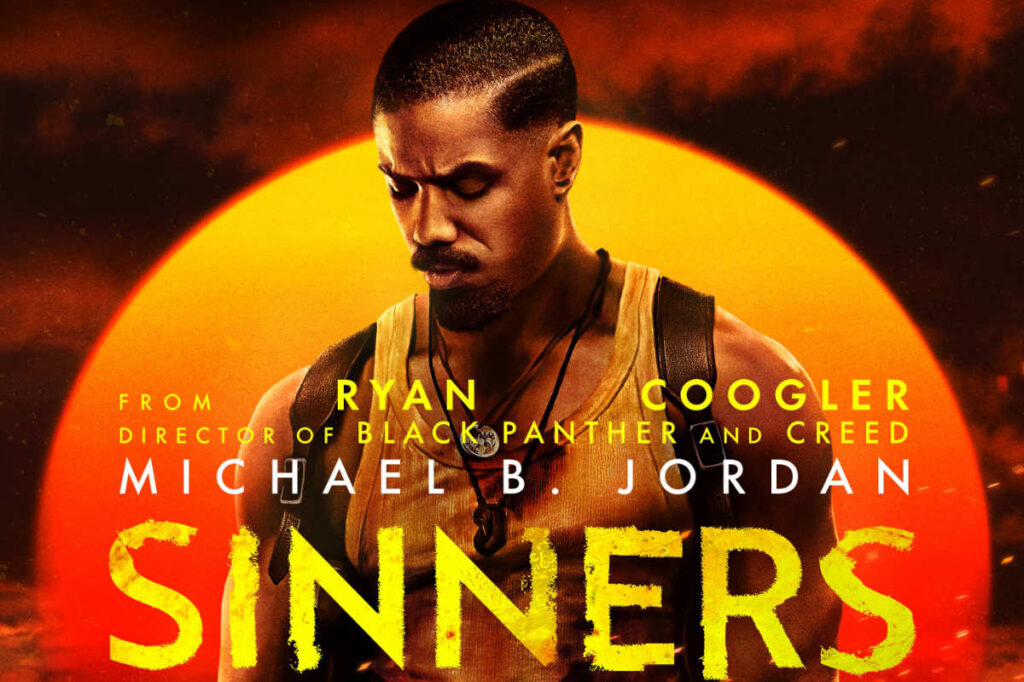
Sinners (R: 2025): Dark Southern Gothic Horror

Unsure of why I was on the fence about seeing this spectacular marvel of southern horror lore and mythology … I’m so glad my AMC A-List pass lured me to see it, one of my current favorite at the cinema titles. It has its flaws, but otherwise spectacularly done. Rating: 4.5 stars out of 5*, Oisin Rhymour, Techno Tink Media: www.technotink.com/design/*

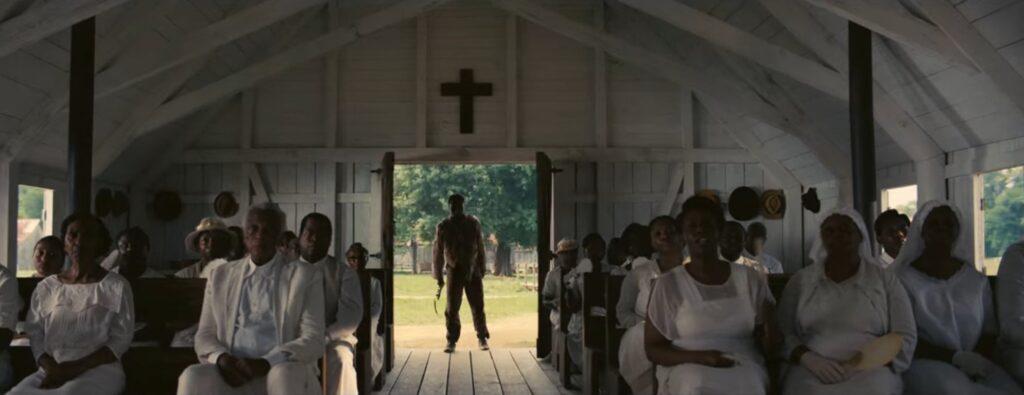
Midnight fog drapes the Mississippi Delta, thick with secrets and shadows. In Ryan Coogler’s ‘Sinners,’ the land itself feels haunted; cotton fields blanch under moonlight, echoing with sorrow and threat. Set in 1932, this horror epic stitches together the nightmares of the past with stories too real to quiet.

Coogler weaves horror and history into every dusty crossroads and winding river, forcing us to confront the darkness that lingers behind southern hospitality. Expect a film that wraps Southern Gothic chills around questions of guilt, family, and hope, while characters search for light in endless night. Movie lovers who crave atmosphere, history, and meaning won’t want to miss this haunting journey. Those who love cult classics like Rocky Horror may also appreciate how stories of place, time, and fear overlap in cinema history.

Story and Setting

The world of ‘Sinners’ swells with heat, dust, and memory, rooted deep in the haunted soil of 1932 Mississippi. Every shot breathes with the weight of history: rows of white cotton shimmer under a bruised sky, and every shadow hints at stories buried beneath. Both the place and its past aren’t just backgrounds, they press on every moment of the film, shaping its night of terror and reckoning. Through the eyes of twin brothers Smoke and Stack, homecoming turns into a collision of hope, guilt, and memory in a single, tense night where past and present bite at the same heels. At first I thought it was a spin-off from the Devil and the Fiddler at the crossroads, but wrong was I … as it weaved Irish folklore in with African American slavery mythos with a twist of True Blood.

A Southern Gothic Canvas: Cotton Fields, Dust-Choked Streets, and Vivid Imagery

‘Sinners’ paints the Jim Crow South with all the weight of lived experience. Rows of cotton stretch far beyond the eye, each plant seemingly thirsty for rain or redemption. The land itself becomes a silent character, heavy with the grief of generations. Dust creeps through open windows, curling around characters’ ankles like regret that can’t be swept away.

  • Cotton fields and dirt roads serve as living reminders of both suffering and survival.
  • Night falls heavy, and moonlight glances off shotgun shacks and silent porches.
  • Small-town streets appear frozen in time, defined by segregation yet filled with the everyday hopes of those who live there.

Ryan Coogler’s camera lingers on these details, letting them settle in the viewer’s memory. The streets of Clarksdale and the Delta are so present, you can almost feel the humidity and taste the blues in the air. The movie’s use of historical setting deepens every emotional note, merging Southern Gothic visuals with horror’s classic tension. The choice to set the story in 1932 Clarksdale reflects real historical trauma—the history behind the film is just as rich as what’s on screen.

Smoke and Stack: Dualities of Brotherhood

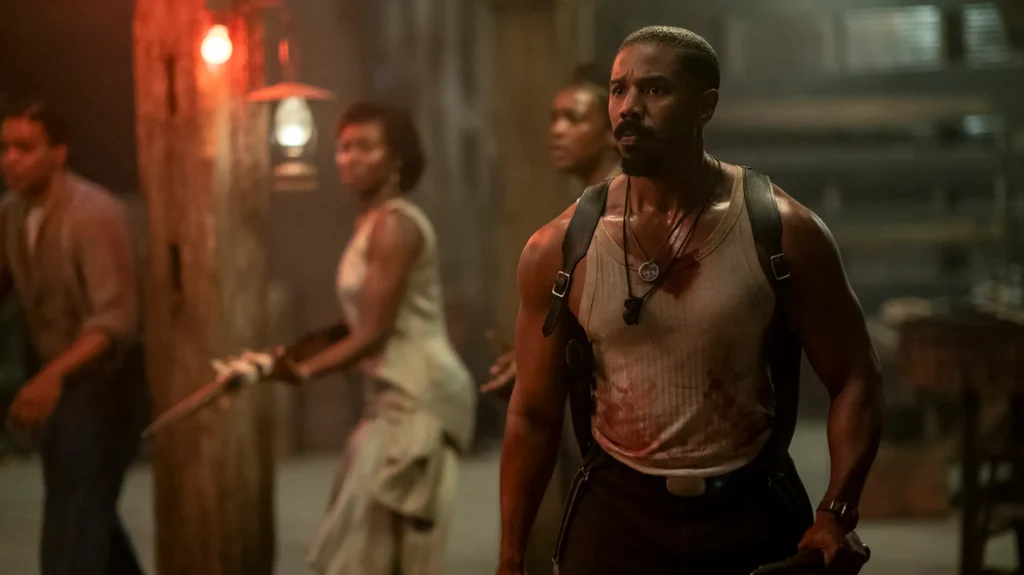
At the heart of ‘Sinners’ are brothers Smoke and Stack, played with stunning range by Michael B. Jordan. Their return home is supposed to be a reunion, but it quickly becomes a reckoning.

  • Smoke is quiet, all tight shoulders and inward glances. He carries the burden of memory and responsibility, haunted by ghosts only he seems to see.
  • Stack radiates energy, quick to defend, laugh, and fight for what’s right. He seeks hope in forward motion, unafraid to ask hard questions.

This push-and-pull brings heat to every scene. Their bond; tested by both family secrets and the horror at their door, anchors the movie’s single-night timeline. Jordan brings out each brother’s pain and love: Smoke holds the past close, while Stack fights for the promise of tomorrow.

Their story becomes a lens through which the movie explores themes bigger than blood:

  • Guilt versus forgiveness
  • The weight of legacy
  • Sacrifice and moral courage

If you’re a fan of complex sibling stories and tense family dynamics, this film sits comfortably alongside atmospheric horror classics like those found in our psychological thriller collection. The night these brothers face becomes a tightrope walk; past and present, love and fear, all currency in the film’s dangerous game.

To explore how ‘Sinners’ draws on the folklore, music, and vampire lore of Mississippi, you may want to check out this thoughtful breakdown of the movie’s cultural undercurrents.

Horror, Vampires, and Symbolism

Haunted fields and moonlit crossroads set the stage for terror in ‘Sinners,’ but the film’s monsters offer more than jump scares. Ryan Coogler uses vampires to unpack deep wounds; turning supernatural hunger into a living metaphor for exploitation and disconnection. Each scene with Remmick and his twisted followers blurs the line between myth and painful reality, pulling viewers into a chilling story with real roots.

The Monsters Among Us: Remmick, His Cult, and a New Vampire Mythos


Remmick is no velvet-caped stranger; he’s an Irish vampire who walks hidden roads and rules his followers with quiet menace. Coogler strips away much of the old vampire style and instead paints Remmick in sweat and dirt, embedding him right into the Delta’s pain. His cult moves through Black communities, preying quietlyal; most businesslike, on those caught at the rough edge of society.

Remmick and his group don’t just feed on blood. They seek out the gifted and the hopeful. The vampires steal more than life; they consume memories, skills, and the very essence that makes their victims who they are. The power is chilling: when the vampires strike, the town loses more than a body. It loses music, invention, and tradition. These scenes are hard to watch, yet strikingly honest about the cost of being haunted and hunted.

Coogler’s take stands apart from most bloodsucker tales by rooting his monsters in the realities of oppression. The cult’s attacks feel surgical, a cold machine set on draining life from communities that history has already bled dry. If classic films like ‘Blade’ or even rock horror icons flirted with genre tropes, ‘Sinners’ plants both feet in a world where the threat is real, close, and unglamorous. The atmosphere is soaked in dread, with myth and history never far apart. To dig deeper into the cultural meanings behind Remmick’s character, check out this insightful take on the Irish vampire’s symbolism.

What the Vampires Represent: Hunger, Exploitation, and Ancestral Loss

Coogler uses vampires to stand in for oppressive forces; systems and people that thrive by draining others. The hunger these monsters show isn’t just for blood. Each attack tears families apart, leaving behind an emptier world. The film makes the vampires’ feeding a layered crime: it isn’t just life that’s lost, but memory, skill, and hope passed down through generations.

Remmick’s hunger reflects the deep costs of exploitation:

  • Stealing legacies: Every victim loses not just their life, but the gifts their ancestors struggled to preserve.
  • Erasing history: With each feeding, the community grows weaker, as if old wounds are cut open all over again.
  • Dividing the living: Fear turns neighbor against neighbor, fueling cycles of silence and grief.

This symbolism is powerful because it’s grounded in truth. The vampires in ‘Sinners’ are more than movie villains; they’re echoes of all the ways Black communities have faced theft, violence, and the loss of culture. By binding horror with these realities, the film calls out exploitation both past and present. For more perspective on how vampires have stood in for real-world power struggles and violence, see this thoughtful review on Black vampires in contemporary film.

Coogler’s approach ties in with other films that use horror to ask what happens when knowledge, craft, and roots are stolen from a people. If you’re interested in similar themes, you might explore movies that play with Gothic and symbolic motifs to critique cultural loss and violence.

The message runs through every haunting image: when monsters feed on memory and skill, entire histories are at risk, not just single lives.

Music, Ancestry, and Cultural Roots

Blues beats in every corner of ‘Sinners’. Ryan Coogler stitches the film together with songs of heartache, hope, and struggle; turning music into both a weapon and a shield. This section digs into how blues, spiritual traditions, and memory breathe life into the story’s haunted Mississippi, connecting the characters to each other and to a history both painful and proud.

Blues as Salvation and Danger: Highlight the links between legends like Robert Johnson, the story’s character Sammie Moore, and music’s role in the fight for liberation and identity.

Music cuts through the darkness in ‘Sinners’ just as it did for Robert Johnson at the crossroads. Sammie Moore, the film’s bluesman, draws on the same haunted genius, fingers flying across strings, voice cracking with every note of sorrow and resilience. The legend of Johnson selling his soul to play the blues finds eerie echoes as Sammie faces supernatural threats, questioning what he might give up to survive.

In ‘Sinners’, the blues isn’t just background music. It’s a living force.

  • Song becomes shield; Moore’s music holds the vampires at bay and strengthens the community.
  • Lyrics as protest; each verse carries whispers of rebellion against the systems that choke the Delta.
  • Sound as memory; his guitar riffs stitch family stories, holding lost ancestors close.

Fans of cinema history will catch nods to film classics where music stands at the edge of danger and deliverance. The soundtrack of ‘Sinners’ is a direct response to the way Black musicians have shaped the sound, and power, of American film. For a snapshot of this heritage, explore how Black music shapes the silver screen and why blues, soul, and jazz always matter when watching stories like this one.

Sammie’s story is more than a tribute; it’s a call for liberation. Every guitar solo, every raw, trembling verse, becomes a stand against horror; both real and supernatural. In the world of ‘Sinners’, the fight for identity isn’t just physical. It’s played out in every note bent toward freedom, echoing through the fields at midnight.

Ancestral Bonds and Cultural Memory: Explore how the narrative uses spiritual reverence, memory, and the supernatural to enrich the film’s emotional core and cultural commentary.

‘Sinners’ doesn’t hide from the ghosts of the past; it listens to them. Through rituals, lullabies, and whispered prayers, the characters keep ancestral bonds strong; even as supernatural forces threaten to tear those ties apart. Spiritual memory, seen in the way family stories pass from eldest to youngest, becomes the heart of resistance.

Coogler’s film draws on real Southern traditions:

  • Altars of remembrance sitting quietly in church corners and living rooms.
  • Dreams and visions: characters receive signs; sometimes warnings, from ancestors.
  • Music as invocation: songs become prayers, bridging the distance between the living and the dead.

This rich layering of spirit and memory gives ‘Sinners’ its pulse. It’s not just about vampires or cotton fields. It’s about remembering who you are, who your people were, and how culture endures; even in the darkest times.

Other Southern tales lean into the mystical, too. For readers interested in pop culture’s take on Southern phenomenon, The Commodore 64 and Rocky Horror story offers a fascinating example where memory, nostalgia, and genre collide.

The supernatural isn’t a gimmick in ‘Sinners’. It’s a way for the community to process trauma, to find hope, and to hold tight to sacred truths. The film sits beside others that use horror for spiritual reflection; whether it’s through haunting, resurrection, or music that beckons the old world back. Those interested in exploring more films where spiritual themes shape stories can check recommendations for modern movies with spiritual or supernatural tone.

This dance of song and story roots ‘Sinners’ deep in Southern soil. It’s what makes the film linger; like the sound of a distant guitar, promising that memory and hope can outlast any monster. For more on how Southern stories weave memory, myth, and culture, you’ll find kindred spirits in reviews of films with deep Southern and supernatural roots like those in our Gothic movies archive.

Style, Tension, and Performances

Ryan Coogler wraps every scene of ‘Sinners’ in mood so strong you almost taste the dust and dread. Here, style bleeds straight into story. Visuals haunt you long after the credits roll, and the quiet tension hums beneath each line. With the cast giving all heart, Coogler’s slow-burn suspense and poetry in motion transform a night of terror into a study of grit and humanity. Let’s explore how these choices shape the film’s impact and immerse you inside this gothic nightmare.

Cinematography and Mood: Haunting Visual Language


The camera in ‘Sinners’ does more than frame cotton fields and moonlit porches; it steals your breath and pins you to the earth. Every shot lingers on the stretch of sultry trees, letting moonlight slice through branches and drape silver across the Delta’s raw history. It’s a world painted in stark contrast: shotgun shacks lost in shadows, sweat-sheened faces flickering in lamplight, tension pooling in silent glances.

Coogler’s direction sneaks fear into the corners of each scene:

  • Long takes hold us in place, stretching out suspense like the humid nights. The pressure grows with every heartbeat.
  • Shadow and color become silent characters. Blues and bruised purples cloak tragedy and hope side by side, while dirty whites of the cotton fields snap against the darkness.
  • Low, wide angles make figures look haunted, swallowed up by the land that remembers everything.

It’s not just beautiful; these choices unsettle. You feel the characters’ isolation in every empty dirt road, every ghost-light corridor. These visual strategies go hand-in-hand with the best horror traditions. For a deeper dive into how horror films use lighting, camera work, and color to spark emotion, check out this guide to the basics of horror cinematography.

The film’s rhythmic pacing; slowing for dread, racing for panic, pulls the audience deeper under its spell. Coogler builds an atmosphere that isn’t just seen but sensed. The effect is poetic, immersive, and deeply Southern. For movie-goers hungry for that blend of mood and meaning, ‘Sinners’ is a rare treat. If you’re into visually evocative horror, explore more genre standouts in this collection of psychological thriller movies.

Heart and Grit: The Cast

The soul of ‘Sinners’ comes into focus through its actors. Michael B. Jordan leads with a dual performance as Smoke and Stack, slipping between vulnerability and strength with ease. Every wince, every silent stare, feels honest. The weight of family history seems to etch itself right onto his shoulders. Audiences familiar with his work in intense dramas will notice the same emotional charge; only now, it’s sharpened by the threat of monsters in the night.

But he’s never alone. The supporting cast stands shoulder-to-shoulder, adding grit and warmth:

  • Supporting roles; from the quiet resolve of elders to the unsteady courage of younger townsfolk, bring the community to life. You sense real history between them.
  • On screen, chemistry sizzles. Tensions break into raw argument, tenderness, or desperate laughter; raising the stakes for every choice made in the film.
  • Even the smallest role feels lived-in, shaped by the place and its sorrow.

Long pauses in dialogue, quick flashes of anger or fear; these choices are as important as any special effect. Coogler coaches every actor to fill space with meaning. The result: relationships that feel worn and real, amplifying the peril when monsters draw near.

Jordan’s partnership with Coogler grows stronger here, building on what they started in past films. This collaboration roots each scene in something permanent and human. To learn more about their creative bond and behind-the-scenes dynamic, take a look at this insightful spotlight on Coogler and Jordan’s evolving partnership.

Through their work, ‘Sinners’ never loses sight of what’s at stake; not just life or death, but the heart of a family and the survival of memory. The performances are a reminder that even in horror, grit and love can be the film’s sharpest weapons.

Legacy and Final Thoughts

‘Sinners’ punches through the noise of modern horror with a vision rooted deep in American soil. Ryan Coogler swings wide; aiming to rewrite vampire myth and tie it to the pain, pride, and music of the Black South. Long after the final frame, the film leaves a chill that’s more than fear; it’s memory and hunger echoing side by side.

Ambitions and Lasting Impact


‘Sinners’ dreams big. Coogler flips the classic vampire story on its head, turning monsters into metaphors that stick with you long after you leave the theater. Instead of simple scares, this film invites us to reckon with the shadows of real history and ask what’s passed down; both the wounds and the strength.

Here’s what stands out about this film’s reach and influence:

  • It sets a new path for Southern Gothic horror; mixing ancestral pain, family ties, and supernatural threat in a way few directors have risked before.
  • Its myth-building puts it alongside modern prestige horror, where meaning grows out of dread. The world of ‘Sinners’ feels lived-in, haunted by both fact and legend.
  • Ambitions are high: this is a story that wants to matter, not just entertain.

Other filmmakers have settled into the safe grooves of spooky cinema; Coogler presses out into rough country. ‘Sinners’ joins films that leave deep imprints—where viewers return not for the frights, but for the questions and images burned in their minds. For readers who enjoy films that fuse myth and memory, revisiting gothic movies that challenge genre boundaries can help draw out these connections.

Modern Reception and Genre Standing

Reviews for ‘Sinners’ point to its bold moves and rich atmosphere. Critics at outlets such as Vulture call the film both “bold” and “distinct,” noting how it brings out the voice of the Black South while also holding back some classic horror punch. Not everyone finds the scares as sharp as the symbolism, but that’s almost beside the point. The film is discussed not just as a horror flick, but as a cultural moment.

Movie buffs and everyday fans on Reddit’s discussion threads praise the motion picture’s ambition, with many saying it hits a sweet spot between thriller and historical drama. Threads buzz with debate over what sticks out most; the eerie mood, the music, or the slow, patient storytelling.

The film’s biggest legacy may lie with genre fans hungry for art that cuts deeper than formula. ‘Sinners’ stands beside modern horror stories that challenge what the genre can achieve, touching the spirit as much as the nerves. Readers interested in atmospheric Southern tales mixed with spooky and smart storytelling will find plenty more inspiration in psychological thriller movies with similar moods.

Where ‘Sinners’ Stands in Modern Horror

Coogler’s film won’t please everyone. Some horror lovers will crave more blood and less heartache. But for those who want fear rooted in something real; where every shiver means something, ‘Sinners’ is a film that sets its own rules. It calls to those who see horror as a lens for truth, not just a source of frights.

The movie stands as a bold torch-bearer for smart, soulful horror. By fusing history, myth, and music, it leaves footprints other directors may one day follow. The story lingers, much like the pulse of blues guitar drifting across a midnight field, daring anyone who listens to remember what was lost; and what can still be found.

Reviewed

‘Sinners’ stands out as a bold blend of horror and history, binding the haunted soil of Mississippi with stories that refuse to be forgotten. Ryan Coogler uses fear not as an escape, but as a lens on memory, culture, and loss. Each frame pulses with lived experience; guilt, music, and hope woven tightly together.

For movie lovers who crave atmosphere and weight, ‘Sinners’ offers more than scares. It’s a reminder that horror, at its best, shines a light on what matters most; roots, resistance, and the hunger to remember. Films that echo this style and ambition often appear in collections exploring gothic storytelling and cultural myth, rewarding fans who chase meaning as much as mystery. I’d give this a full 5 stars, but the only irritant in the film is the adding in of scenes and characters from the future, busting the timeline and era the film portrays. ~ 4.5 stars out of 5, Oisin Rhymour, Techno Tink Media – www.technotink.com/design/

Thank you for joining this journey through shadow and song. If you felt the chill and the call for deeper stories, share your thoughts; and keep an eye out for more films that haunt and heal in equal measure.

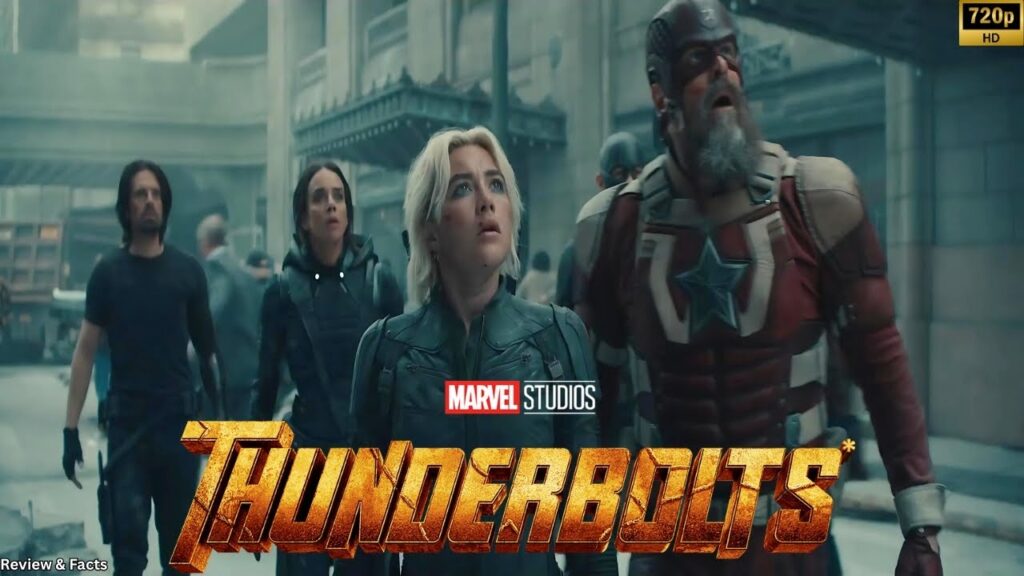
Thunderbolts (2025: PG-13) Marvel Shifts Toward Grit and Redemption

I truly was on the fence about whether i wanted to go see this Marvel film or not. If I hadn’t had AMC A-List membership and got it for free, I probably wouldn’t have went to see it in the theater, I would have waited for its arrival on streaming services. What a mistake that would have been!

Marvel’s latest film throws out old rules and brings new grit to the big screen. It truly was destined for an in-theater experience. Thunderbolts isn’t just another team-up; this time, the heroes are messy, bruised, and anything but perfect. The story centers on antiheroes forced to work together, each one shadowed by personal loss and regrets that feel strikingly real.

Instead of shiny ideals, Thunderbolts dives into the hard fight for forgiveness and connection. Every punch and wisecrack lands with the weight of past mistakes. Marvel gambles big here, letting flawed characters grab the spotlight in a story that’s raw, sharp, and surprisingly heartfelt. This isn’t just a new movie; it’s a new path for the MCU, grounded in pain, hope, and the rough road toward redemption.

A New Kind of Marvel Movie

Thunderbolts shakes up what you expect from a Marvel movie. It steps away from grand, world-ending threats and instead puts the spotlight on flawed heroes. The world feels closer, the stakes are personal, and every moment is painted with grit. This film draws a sharp line between the glossy, high-tech look of previous MCU entries and something rawer and more human. Thunderbolts signals a new direction, one powered by visual grit, practical effects, and a focus on hope despite darkness.

A Gritty Visual Style

Thunderbolts doesn’t follow the usual Marvel trend of shining skyscrapers and glossy headquarters. Instead, the film frames its antiheroes in scenes that feel weathered and lived-in. Abandoned buildings, cracked roads, and flickering neon signs set a mood closer to a survival story than a superhero adventure.

You can almost feel the dust on the camera lens and the weight of the city pressing in. Shadows linger. The color palette leans into muted grays and earth tones, giving every shot a tinge of reality; far from the safe glow of previous MCU movies. These visuals help the characters feel small, reminding us their battles are as much inside themselves as they are out on the streets.

Practical Effects Over CGI

What truly sets Thunderbolts apart is its rejection of visual overload. While Marvel films are known for big, computer-generated battles, this movie keeps things real. Explosions are dirty. Car chases are tight. When windows break or walls crumble, the debris feels tangible. The action focuses on close-up stunts and hand-to-h; nd fights, making each hit look, and feel, painful.

Here are a few things you’ll notice:

  • Stunts are physical. Actors trained for bruising fights instead of fighting green-screen monsters.
  • Set pieces show scars. Environments look wrecked, with every dent and burn left on camera.
  • Minimal digital gloss. Visual tricks are used only to enhance, not distract. The result is tension you can feel through the screen.

This hands-on approach brings authenticity to the film, and viewers used to Marvel’s polished look will notice the difference from the start.

The Tone: Darker but Still Hopeful

Thunderbolts is darker than most of its MCU cousins, but it never loses its heart. The film confronts loss, guilt, and the urge to fix broken things. There’s violence and struggle, but also real moments of hope that shine through cracks.

Some scenes hit as hard as anything in the MCU’s past, ranking Thunderbolts among the darkest Marvel movies. But instead of ending in cynicism, the story chooses honesty. Team members lash out, fall apart, and pick themselves back up. Amid gray skies and broken dreams, acts of kindness and loyalty cut through the gloom.

It’s this balance, between shadow and hope, that marks Thunderbolts as a new kind of Marvel film. Every tough moment makes the rare smiles and second chances feel earned. The MCU isn’t just changing its tone with this film, it’s showing that even in the darkest corners, hope can find its way back.

The Antiheroes: Team Breakdown

Thunderbolts brings together a mismatched team of antiheroes, each carrying their history and pain like a second skin. This crew of Marvel outsiders doesn’t always gel, and that’s the point, their chemistry is raw, uneven, and unpredictable. Every fight and quiet moment pulls back another layer, showing that saving the day sometimes means wrestling with your own shadows first. Let’s break down the team’s key players and what makes their dynamic so charged.

Yelena Belova: Emotional Center

Yelena Belova stands as the team’s heartbeat. Her grief is sharp and never far from the surface. What hits hardest is how she balances razor wit with real vulnerability. Unlike stoic leaders of past Marvel teams, Yelena shows her scars and then manages to joke about them, drawing others closer even when she’d rather keep them at arm’s length.

Her drive is about more than just the mission, it’s about finding meaning after so much loss. Yelena’s struggle with loneliness makes her relatable, and her quest for connection glues the team together, often at great cost to herself. For a deep dive into her arc and why she’s a highlight of the film, see the Thunderbolts Cast & Marvel Character Guide.

Bucky Barnes and Red Guardian: Restless Veterans

Bucky Barnes and Red Guardian are war-weary, pulling the team’s story back into the past with their own regrets. Bucky’s silent intensity is always present, he is a man haunted by memory, trying to do good after lifetimes of manipulation and violence. Red Guardian, meanwhile, wears his insecurities on his sleeve, searching for a second shot at glory and relevance.

Their banter lands somewhere between biting and begrudging respect. Scenes with both men crackle with old pain and the tired hope that, somehow, they’re not too broken to matter. This dynamic roots the Thunderbolts firmly in the real, gritty struggles of Marvel’s most human antiheroes.

Ghost and Taskmaster: Underwritten but Promising

Ghost and Taskmaster never quite get the screen time they deserve, but even brief appearances give a sense of promise. Ghost’s phasing powers reflect her internal struggle, always half in, half out, never fully at ease. She moves through scenes like a specter, unable to settle, with trauma that stays just under the surface.

Taskmaster’s arc again hints at more: her silence and skill mask deep uncertainty and an unresolved past. Both characters leave you wanting to know more. They’re wild cards, quiet now, but easy to imagine as bigger players if Thunderbolts gets a sequel. For more context on the movie’s complex cast, check out What to Remember About the Characters in Thunderbolts.

The Sentry and Bob: Surprising Standouts

Every team needs a surprise, and Thunderbolts delivers with The Sentry and his unlikely companion, Bob. The Sentry brings impossible power coupled with fragile mental health, flickering from savior to threat in a heartbeat. His presence alone keeps everyone on edge, his teammates know a single bad day could turn him from hero to disaster.

And then there’s Bob, a character who shouldn’t work, but does, a nervous, out-of-place everyman surrounded by legends. His comic relief is never forced; it provides a light touch to balance the darkness. Their odd pairing leaves a mark, reminding the audience that even sidekicks and the unpredictable can find depth and importance in a film of heavy hitters. To explore Marvel’s love for misfits and why mismatched heroes work so well, read the coverage on the rag team of Marvel misfits.

Plot and Themes: Redemption and Purpose

At its heart, Thunderbolts is more than a gritty team-up. The film peels back layers of trauma and regret, forcing every character to confront choices that haunt them. Purpose isn’t handed out; it’s something the characters claw back, day by hard day. Themes of second chances, finding self-worth, and living with scars connect each subplot. In Thunderbolts, the path to redemption feels steep, and sometimes, just surviving is enough to call it a win.

Redemption as a Superpower

In Thunderbolts, redemption is as powerful as any trick arrow or Vibranium shield. These antiheroes wear guilt like armor, but it’s also what keeps them moving. For Bucky Barnes, every heroic act is a note in his long ledger of regret, a way to push back against the darkness in his head. Yelena Belova cracks jokes, but every one covers a scar. The film isn’t about wiping slates clean; it’s about accepting that the stains may never fade.

Small, hard-won victories matter. Whether it’s Ghost allowing herself to trust the team or Red Guardian risking his life for others, these moments bring meaning to their chaos. They fight, not just for the world, but for their own shaky worth. Looking for a deeper dive into how Thunderbolts handles these themes? Check out the thoughtful analysis on Thunderbolts* and its message about inner demons.

Mental Health at the Core

Thunderbolts doesn’t shy away from mental illness, instead, it puts it front and center. The Sentry’s struggle with his fragile mind, Bucky’s PTSD, Ghost’s anxiety about existence, and even comedic sidekick Bob’s silent battles tell stories that rarely make it into big popcorn action movies.

Critics have taken notice, with many praising how the film deals with depression and the constant grind of living with invisible pain. Each character is allowed to break. Some episodes feel less like superhero action and more like raw confessionals, especially when the movie touches on topics like PTSD or the highs and lows of bipolar disorder. Audiences will recognize what survival looks like in the face of these challenges. To read more about how the film dives into these sensitive issues, visit this review on how Marvel’s darkest film tackles mental health.

Thunderbolts stands out by showing mental wounds as real as any broken bone and by reminding us everyone’s fighting their own war inside.

Valentina’s Shadow

At the center of the Thunderbolts experiment is Valentina Allegra de Fontaine. Her leadership isn’t about trust, it’s about pulling strings. Valentina casts a long shadow over the team, always keeping her motives hidden. Every order tests loyalty, pushing these broken heroes to do her bidding while questioning if their second chance is just another trap.

She’s more than a boss; she’s a puppet master. From manipulating Yelena’s rage to playing on Bucky’s longing for purpose, Valentina shapes the team’s journey with cold precision. Her influence keeps the squad off-balance, making the search for true redemption even harder. To see how her manipulative tactics fit into her role across Marvel projects, read her character breakdown on the Villains Wiki.

Thunderbolts asks if true freedom can ever come from someone who profits from your pain, keeping Valentina’s shadow looming over every scene.

Standout Scenes and Direction

Thunderbolts pulls you in with setpieces and direction that cut through the noise. The film knows when to go big and when to go quiet, always making each beat count. With Jake Schreier’s guiding hand, scenes never feel wasted; even the silences have gravity. Andrew Droz Palermo’s eye for muted, grounded visuals pin the movie to the real world, making every moment hit harder. Practical stunts, like the memorable Merdeka 118 sequence, keep the tension tight and the stakes clear. Son Lux’s score adds another layer, elevating the raw emotion on display. It all adds up to a movie that lingers with you long after the credits roll.

Merdeka 118: High Stakes, High Altitude

The Merdeka 118 action setpiece? Absolutely unforgettable. It crackles with danger and sweat. From the dizzying climb up the real-world skyscraper’s skeleton to the visceral fistfights breaking out hundreds of meters above the city, this sequence never lets you catch your breath. No green screen safety nets—just raw, grounded tension.

You feel every scrape and every gust of wind that rattles the frame. The camera keeps close to the ground (or lack of it), never shying away from how high the stakes actually are, literally and emotionally. The scene isn’t just spectacle; it’s a pressure cooker for team dynamics. Yelena’s distrust, Bucky’s nerves, and The Sentry’s unpredictability boil over. Andrew Droz Palermo’s photography leans into natural light and handheld shots, making panic and desperation look beautiful but never over-glossed.

A close look at Palermo’s Instagram offers insight into his approach, where he teases out raw tension with earth-toned palettes and careful framing. This might be the MCU’s most pulse-pounding tower sequence yet.

Fight Scenes That Mean Something

Thunderbolts doesn’t waste punches or bullets. Every clash advances character and story. Fights are short, sharp, and always personal. These aren’t faceless armies; every opponent matters, every hit lands with history.

Here’s what separates these action scenes:

  • Physical Pain, Real Impact: You recognize actual fatigue. Heroes limp, gasp, and hesitate.
  • Lived-in Choreography: Stunt work feels chaotic and bruising, never slick or rehearsed. Think broken glass, sweating brows, and bloody knuckles.
  • Emotional Weight: Action always comes with personal cost. When Bucky holds back, or Yelena hesitates, you see the war happening inside.

Practical effects rule the day, with Andrew Droz Palermo’s cinematography capturing each detail without smoothing out the rough parts. For more on how Schreier’s choices shape action, check out how the Thunderbolts director, Jake Schreier, shares secrets behind the scenes.

Score and Sound: Son Lux’s Emotional Layer

Music can make or break a scene. Here, Son Lux’s score adds a nervous pulse that you notice, even when you don’t hear it directly. Instead of blasting bombast, the tracks stay close to raw nerves, haunting synths, aching strings, and stuttering rhythms.

Son Lux’s work isn’t about heroism or triumph; it’s about doubt, guilt, and small moments of hope. The soundtrack pushes the film’s mood further, both in the tense silences and explosive moments.

  • Low, pulsing tones linger during character stand-offs.
  • Sparks of melody shine through in rare, hopeful beats.
  • Silence itself becomes a weapon; letting every ragged breath and footstep echo.

This sound design, sometimes barely there, sometimes overwhelming; cements Thunderbolts’ choice to stay grounded and close to its damaged team. Each note feels like it’s fighting to break through the noise, just like the antiheroes themselves.

Critical Reception and Box Office Impact

Thunderbolts came in with heavy expectations, and the response has been as charged as the story itself. Both critics and fans have voiced strong opinions, lighting up forums, social media, an; review aggregators. The numbers and reactions are clear: Marvel’s risk with this film has brought out big feelings, and big bucks. Let’s brek down what critics praised, how audiences reacted, and where Thunderbolts stands in the box office race.

What Critics Loved

From opening night, Thunderbolts sparked buzz for its honesty and grit, a sharp turn from more predictable MCU fare. Major critics zeroed in on a few standout strengths:

  • Emotional honesty: Many reviewers called Thunderbolts one of Marvel’s most heartfelt films. The pain, humor, and brokenness on screen felt real and grounded (RogerEbert.com’s review).
  • Sharp banter and team chemistry: Critics loved the team’s messy dynamics and unpredictable humor. The dialogue had snap and edge, without falling back on old Marvel formulas (Rotten Tomatoes critics’ reviews).
  • Action that means something: Instead of empty spectacle, every brawl moved the story or dug deeper into character motivations.

Some reviewers pointed to a few drawbacks, like pacing stumbles in the final act. But for most, Thunderbolts hit harder than recent Marvel outings, finding a new voice that many agree the franchise needs (Forbes review highlights).

Audience Reactions: Surprised and Moved

Fans hit theaters expecting chaos. What they found was a story that pulled no punches and lingered in memory. Social media buzz has carried a few key themes:

  • Surprise at the emotion: Viewers admitted to being caught off guard by how sad, or hopeful, Thunderbolts could feel.
  • Connection to mental health stories: Many fans said they saw themselves in the film’s depiction of trauma, anxiety, and the slow work of healing.
  • Mixed takes on pacing: While most praised the raw style, some noticed stretches that moved a little too slow for their tastes.

On Rotten Tomatoes, the film holds a solid audience score, reflecting a deep divide; some are all-in for Marvel’s new direction, others yearn for the flashier old days. Still, the tone of the conversation online is mostly positive, fueled by word-of-mouth and repeat tickets (Rotten Tomatoes audience scores).

Box Office Numbers and MCU Trajectory

Thunderbolts roared out of the gate with strong numbers, and some interesting comparisons to past MCU releases. Here’s how things stack up:

  • Opening weekend: Pulled in over $74 million in North America, the highest debut for a Marvel film since 2022 (Thunderbolts financials at The Numbers).
  • Strong legs at the box office: The momentum hasn’t slowed much heading into the second week, with predictions placing Thunderbolts at over $100 million domestic and $30 million for its second weekend (Deadline’s box office update; ComicBookMovie box office news).
  • Budget and profit: With a production budget of $180 million, Thunderbolts is set to clear profitability as global receipts grow.

The success matters for Marvel. After a few box office stumbles and audience fatigue, Thunderbolts’ risky new approach is paying off. Industry insiders say this could signal a turning point, Marvel may double down on more grounded, character-driven films that leave the old superhero gloss behind. The gamble seems to be working, at least for now, and fans are showing up to see what’s next.

Final Review

Thunderbolts draws its strength from imperfection. This film hands the spotlight to broken heroes, making every wound and regret feel sharp and honest. Marvel trades polish for grit, showing that hard edges and haunted hearts can still find something worth saving.

The movie’s raw approach; practical stunts, muted colors, stifled humor, carries through even after the credits. It’s proof that the MCU has room for pain, growth, and the kind of victory that doesn’t erase scars. That’s what sticks: a story where hope belongs to the flawed.

Thunderbolts sets the tone for what’s next in Marvel’s world. As the MCU dares to get more real, audiences are left looking forward to messier, bolder stories that let imperfect heroes lead. Thanks for reading—share your thoughts below and tell us where you think Marvel’s journey should go from here. Rating: 4.5 stars out of 5. ~ Leaf McGowan, Techno Tink Media www.technotink.com/design/

Until Dawn (R: 2025)

A Twisted Ride Through Classic and Modern Horror

When a cult favorite video game gets the Hollywood treatment, you never know what direction it’ll take. “Until Dawn” (2025) hits screens as one of the most talked-about horror movies of the year, bringing the eerie, choice-driven storytelling of its source to a broader audience. With a prime release timed for AMC and AMC A-List fans, this adaptation lands at the crossroads of hype and skepticism. If you love stories where every shadow could hide a threat, you’ll want to know if “Until Dawn” delivers or just stumbles in the dark. Let’s find out what sets this film apart from other big horror movies in theaters right now.

Storyline and Atmosphere in Until Dawn

At its heart, “Until Dawn” turns a familiar horror setup, teens trapped in a remote mountain lodge, into something sharper. The core plot lifts its infamous death-loop mechanic straight from the original game: a group of friends must survive the night as supernatural forces and a masked killer hunt them down. Every choice means life or death (literally), adding a gameplay-inspired tension to the film’s structure.

The movie leans hard into horror atmospherics. The snow-blanketed resort hides secrets, with every flickering light and echoing footstep cranking the suspense. Wendigos, mythical creatures at the center of the game’s lore, get a terrifying movie makeover. But some narrative threads start strong and then slip. General moviegoers may find the plot’s twists a little familiar, but horror lovers will savor the nods to classic slasher and monster films. This film also seems to sensationalize parts of the urban myth around “Hell Town.”

Adaptation from Game to Film

The leap from interactive storytelling to the big screen isn’t easy. Fans wanted the nail-biting choice system, but the film trades interactivity for a tighter narrative focus. Instead of letting viewers shape the outcome, “Until Dawn” tells its own (sometimes predictable) story, trimming some of the sprawling game plot in favor of cinematic pace.

While this keeps the movie moving, it may disappoint those hoping for the same sense of control found in the game. Still, the adaptation shines when it explores grief, guilt, and fear, core themes from the original, as highlighted in many audience discussions. While I do enjoy the “Groundhog Day” repeat structure the film focuses around, I have to say, I did at a point get a little annoyed as it went on and on.

Atmosphere and Practical Effects

If you’re an A-List member with a taste for horror, you’ll spot “Until Dawn’s” focus on practical effects right away. The filmmakers use old-school gore, clever make-up, and physical props for their monsters, setting it apart from CGI-laden contemporaries. When the carnage happens, it feels visceral, like something you could almost reach out and touch (if you dared).

The suspense rivals classics, using darkness, sound, and uneasy silences to build genuine unease. Jump scares are earned, not forced. For those on the lookout for strong genre entries and fans comparing standout horror movies, “A-List” members will appreciate the hands-on craftsmanship on display.

Character Development, Acting, and Franchise Potential

Strong horror depends on memorable characters. In “Until Dawn,” familiar horror archetypes; jock, brain, outcast; are given a fresh spin, though not all land with equal impact. Some are fleshed out with real emotional arcs, while others feel like cannon fodder destined for a grisly end.

The cast’s performances are a mixed bag. A few leads turn generic lines into gripping moments, while others rely a little too heavily on genre cliches. However, the chemistry between certain character pairs sparks, hinting at the film’s potential for creative sequels.

Cast Performance and Chemistry

Standout performances come from the actors who lean into the fear and confusion their roles demand. The interplay between the main group of survivors feels genuine; there’s tension, friendship, and the sense that personal history could influence who survives. Yet, not everyone breaks out of their trope. Some side characters fade into the background, making their fates less impactful.

Still, the best moments showcase raw panic, heartbreak, and unexpected humor in the face of terror. These flashes of humanity keep horror fans engaged even when the story hits familiar beats.

Sequels, Franchise Hype, and the Future of Horror Movies

“Until Dawn” clearly sets itself up as a possible franchise starter. The ending teases more stories, and there are hints of a larger mythology at play. With the trend toward shared universes in horror movies, this direction makes sense.

If the studio follows through, future installments could develop side characters, explore new supernatural threats, or even bring back the interactive element in creative ways. The current landscape for horror is hotter than ever, and this movie is in a good position to grow if it keeps mixing suspense and monster lore. For fans of franchises like “The Conjuring” or “Insidious,” “Until Dawn” wants to earn its place among your favorites.

Conclusion

“Until Dawn” lands firmly in the fun-see category for horror movie buffs and AMC A-List fans who crave suspense, scares, and blood-soaked twists. It doesn’t reach every ambitious goal, but when it works, it pulls you deep into its wintry nightmare. Casual fans may find some moments a bit over the top or well-trodden, but for those who love the thrills of modern horror movies, there’s plenty to chew on. This one only earned a 3.5 stars out of 5 from me due to the excessive Groundhog Day logic.

Would you risk a night at the lodge? Share your thoughts below or join the conversation with fellow horror fans.

The Accountant 2 (2025: R)

Anticipation is sky-high when an action-packed franchise returns. The Accountant 2 fires on all cylinders, delivering one of the best action sequels in recent years. If you love blockbusters and big screen experiences, this review is for you. Movie-goers and AMC A-List fans, this is your home turf. AMC A-List makes catching huge releases like The Accountant 2 almost effortless, with extra perks that take movie nights to another level. I took advantage of pre-release night, which is usually Wednesday or Thursday at AMC. Merged it in a double-feature watching Until Dawn as my second movie. I loved the first movie, so I was very excited for this sequel.

If you want honesty and excitement, you’re in the right place. Let’s talk about why The Accountant 2 earns a well-deserved 5-star review.

Why The Accountant 2 Delivers a 5 Star Experience

Stellar Lead Chemistry: Affleck and Bernthal Shine

Let’s call it for what it is: Ben Affleck and Jon Bernthal are showstoppers. Their brotherly bond on screen is electric and honest, packing just the right punch of rivalry and respect. Watching Affleck’s cool, calculating demeanor square off against Bernthal’s raw edge feels like seeing two sides of the same coin collide. The film keeps its dynamic at the center, weaving in banter and sharp wit that adds warmth to the cold world of assassins and accountants.

Both actors play off each other’s strengths without competing for the spotlight. The result? A partnership that anchors every chase scene and shootout. Their shared moments range from funny to fierce, holding your attention and grounding the film in its most human moments. This sequel raises the stakes, but it’s the Affleck-Bernthal duo that makes it worth every minute.

Action and Humor: Thrills with Laughs

The Accountant 2 doesn’t just up the action; it rips the doors off the hinges. Each set piece feels bigger, brighter, and, yes, bolder than before. From pulse-pounding car chases to up-close brawls, every scene is engineered for excitement. But it’s not all grit and gunfire. Sprinkled throughout are sharp jokes and quips that break the tension and keep the mood light. It’s a film that knows when to let you breathe.

One standout sequence features a chaotic standoff in a high-rise office, punctuated with dry humor and sibling one-upmanship. Even in suspenseful moments, a well-placed joke or callback lands perfectly. This balance makes The Accountant 2 a rare treat, one that brings thrills and genuine smiles.

Bigger, Bolder, More Fun

You can feel the jump in scale from the very first frame. The Accountant 2 doesn’t shy away from spectacle. Explosions are louder, stunts are riskier, and the locations sprawl across the globe. Each twist is more outrageous than the last, yet the narrative stays tight and focused. A wall-to-wall adrenaline rush powers the plot without losing sight of the original’s charm.

This sequel leans into what fans loved while opening the door to new viewers. It revels in classic action tropes: secret hideouts, mysterious clients, double-crosses, and adds a fresh sense of fun. When a film makes you want to cheer and laugh all at once, it’s a win.

What Sets The Accountant 2 Apart for AMC A-List Members

AMC A-List provides unmatched access for film obsessives. If you haven’t joined yet, it’s one of the best ways to enjoy a release like The Accountant 2. As detailed by AMC Stubs A-List, members can see multiple movies every week, snag seats in premium formats, and cut down time at the box office. It’s a golden ticket if you love catching sequels in IMAX or Dolby.

For those who track trends and crave franchise spectacles, AMC A-List turns anticipation into pure excitement. Imagine walking into opening night, skipping the line, and having your pick of seats. Highlights like The Accountant 2 shine brighter when viewed through the lens of premium membership. The crowd’s energy, the sound that shakes your seat—this is what A-List was made for. Check out this detailed breakdown of AMC A-List benefits for more on what you get as a member.

Prime Action on the Big Screen

There’s no contest; action movies thrive in theaters. The Accountant 2 is a prime candidate for the full-scale sound, huge screens, and electric crowd reactions. Bangs, crashes, and high-flying stunts play better when they ripple through a packed auditorium. The energy is contagious.

AMC A-List lets members see these jaw-dropping moments as many times as they want, sometimes even in the same week, without extra ticket fees. From booming Dolby Cinema to crisp IMAX, it’s all accessible. This is why action movies consistently dominate the box office and why action remains the theater king.

Sequel Success: How The Accountant 2 Surpasses Expectations

Franchise fatigue is real. Many sequels stumble under big expectations, but The Accountant 2 knows exactly what its audience wants. The pacing is faster, the action tighter, and the nods to the original film are clever without turning into inside jokes. Returning fans will notice subtle callbacks, while fresh viewers can jump right in and enjoy the ride.

What makes this sequel soar:

  • Snappy Editing: There’s no filler or drag between key moments.
  • Fan-focused details: In-jokes for those who loved the first film.
  • Larger set pieces: Each new location ups the scale and inventiveness.
  • Balanced Tone: Never takes itself too seriously, but treats the material with respect.

Conclusion

The Accountant 2 is a blast; a wild, hilarious, satisfying ride from start to finish. It’s exactly the kind of movie that deserves a 5-star review. Whether you’re craving hard-hitting action, all-star chemistry, or just an excuse to unleash your inner movie fan, this film delivers.

For those who want the best experience, AMC A-List is an absolute must. See The Accountant 2 and every other blockbuster in big, bold formats. AMC A-List makes being a movie buff more rewarding, more fun, and way easier.

Grab your popcorn, secure your seat, and let The Accountant 2 take you on the blockbuster ride you’ve been waiting for. This is the sequel action fans will talk about all year; don’t miss it.

Minecraft: The Movie – PG: 2025

After years of anticipation, Minecraft: The Movie has finally arrived, bringing one of the world’s most beloved games to the big screen. Sitting at the intersection of comedy and adventure, this movie promises to entertain die-hard Minecraft fans and casual moviegoers. My son Cian and I, armed with our AMC A-List Passes, attended the afternoon showing at Alderwood Mall in Lynnwood, Washington, to see what all the buzz was about.

Take a sneak peek at the official trailer below to get hyped for this cinematic Minecraft adventure:

Plot Summary and Key Characters

The plot of Minecraft: The Movie offers a classic storytelling style, making it both accessible and fun for all ages. Set in the pixelated world of Minecraft, the story follows Steve (Jack Black), Garrett (Jason Momoa), Natalie, and Dawn as they race against time to save the Overworld. This journey pits them against waves of Creepers, skeleton armies, and even a treacherous Ender Dragon.

The movie revolves around unity and problem-solving, centering on teamwork in a world where every block counts. The stellar cast performances elevate classic Minecraft tropes, creating a storyline that seamlessly blends humor and pixelated peril.

More insights about the film are available on Rotten Tomatoes’ comprehensive movie page.

A Blocky World Brought to Life

One of the movie’s standout features lies in its ability to translate Minecraft’s iconic graphics into a visually stunning cinematic experience. Each pixel and texture online is recreated flawlessly, drawing viewers into a nostalgic yet impressively detailed version of the game. The Overworld practically jumps off the screen, immersing the audience in a fully fleshed-out, blocky universe.

As one review in BBC News mentions, despite a mixed critical reception, the movie stormed cinemas and managed to pull an estimated $300 million globally during its opening weekend. You can read more about its box office success here.

Meet the Misfit Heroes

At the heart of the story is Steve, a lovable, slightly clueless character brought to life by Jack Black’s signature humor. By his side is Garrett, a no-nonsense but good-hearted warrior portrayed by Jason Momoa, who adds an air of commanding presence. Natalie and Dawn round out the team with their unique skill sets, tackling puzzles and building contraptions as they face their enemies.

This “misfit hero” assembly mirrors the spirit of Minecraft itself—diverse players coming together to create and conquer. It’s easy to root for these characters as they fumble yet persist through every obstacle.

Comedy Meets Adventure: The Film’s Tonal Balance

Balancing quirky humor with exhilarating action, Minecraft: The Movie ensures there’s never a dull moment. It taps into the absurdity of the Minecraft universe while keeping its pace brisk and upbeat.

Jack Black and Jason Momoa: A Winning Duo

Perhaps the most electrifying aspect of the film is the chemistry between Jack Black and Jason Momoa. Black’s wacky charisma as Steve is the yin to Momoa’s stoic yang. Their interactions on screen create an engaging dynamic that’s hard to look away from. Kotaku’s review called it “an amusing yet chaotic mix of skill and absurdity.”

Self-Aware Humor that Appeals to All Ages

Minecraft: The Movie doesn’t take itself too seriously, and that’s its charm. The humor feels refreshingly self-aware, loaded with silly gags about falling into lava and “noob” moments that strike a chord with gamers. But it’s not all slapstick—subtle jokes geared toward older audiences ensure parents are chuckling alongside their kids.

Strengths and Weaknesses of the Movie

Like any creative project, the film comes with its pros and cons. Here’s an honest appraisal of what Minecraft: The Movie does well—and where it stumbles.

A Visual Treat for Minecraft Fans

The meticulous attention to detail in the animation is impossible to ignore. Familiar elements like redstone circuits, villages, and biomes all feature prominently on the big screen, and they are visually captivating. Fans of the game will be delighted by how true to the source the movie remains, further highlighted in KSL’s review. However, my son was sure to criticize the live-action elements and “human” parts of the film for himself. He was ecstatic to see how excited the audience in the theater reacted to moments, clapping or yelling out approval.

Plot Simplicity: A Mixture of Charm and Criticism

While the straightforward plot makes it a great family film, critics argue it may lack complexity for older viewers. The narrative is basic enough to keep kids entertained, but the predictability might leave adults wanting more. However, that’s part of the charm—Minecraft thrives on making simple, universal fun. I, for one, am not a big fan of animation or CGI. I’m definitely more of a live-action type movie-goer, but I was in total awe by this film and thought they did a spectacular job.

The Times-Tribune praises its “solid animation and vibrant energy,” stating it’s designed to please its massive fanbase. For a detailed critique, check out their article here.

Final Thoughts and Star Rating

In the end, Minecraft: The Movie serves as the perfect popcorn flick for families. It’s light-hearted, visually vibrant, and brimming with humor. From the stunning recreation of a beloved game world to standout performances by Jack Black and Jason Momoa, it leaves its audience entertained despite minor flaws in storytelling.

We left the theater with smiles, discussing Steve’s silly lava fall and Momoa’s epic action scenes. For fans of Minecraft—and parents needing an afternoon of animated antics—this movie is a must-watch.

Star Rating: ⭐⭐⭐⭐⭐ (5/5)

Whether you’re a die-hard gamer or just in the mood for some family-friendly laughs, Minecraft: The Movie is worth checking out.

Novacaine: The Action-Comedy You Can’t Miss in 2025

Just saw this fantastic action packed thriller this evening at the AMC Cascades 14 theater in Burlington, Washington as a double-feature with “Locked.” Was pleased with both films. Directed by the talented duo Dan Berk and Robert Olsen, and written by Lars Jacobson, this movie promises plenty of thrills, laughs, and an emotional rollercoaster. Starring Jack Quaid and Amber Midthunder, “Novacaine” combines sharp humor and pulse-pounding action with a twist—its protagonist, Nathan Caine, was born with Congenital Insensitivity to Pain (CIPA). This condition sets the stage for a unique adventure full of surprises. Keep reading if you’re curious about what makes “Novacaine” so special!

The Plot and Characters of ‘Novacaine’

At the heart of “Novacaine” lies Nathan Caine, played by Jack Quaid. His life takes a sharp turn when his girlfriend, Sherry Margrave (Amber Midthunder), gets kidnapped during a high-stakes robbery. What makes Nathan an unconventional hero? His inability to feel physical pain. This isn’t your typical superhero movie—it’s a battle of wit, courage, and raw determination as Nathan transforms his rare condition into his greatest strength.

The antagonist, portrayed menacingly by Ray Nicholson, along with a memorable supporting cast including Jacob Batalon, Betty Gabriel, and Matt Walsh, amplifies the drama and stakes. This movie delivers a perfect blend of heartfelt storytelling and nonstop action, keeping viewers glued to the screen.

For more about the cast and their gripping performances, check out “Novocaine” on IMDb.

Nathan Caine: A Hero Like No Other

Nathan Caine isn’t your average action hero. His condition, CIPA, means he can’t feel pain—a blessing and a curse. Jack Quaid’s performance brilliantly captures Nathan’s struggles and strengths, infusing the character with heart and depth. Watching him adapt to his situation while navigating perilous challenges makes for an unforgettable narrative arc.

Explore Nathan’s character journey further on the official Wikipedia page. Read no further if you don’t want film reveals, but we give it a 4.5 stars out of 5.

Sherry Margrave and the Robbery That Changes Everything

Sherry Margrave isn’t just a damsel in distress. Played by Amber Midthunder, she’s intelligent and resourceful, making her a perfect match for Nathan. Her kidnapping acts as the catalyst for the plot, pushing Nathan into action. Sherry’s importance in the story highlights the emotional stakes, ensuring that audiences connect with her plight and cheer for her rescue.

Supporting Cast and Antagonists

The stellar supporting cast bolsters “Novacaine’s” brilliance. Jacob Batalon and Betty Gabriel bring humor and camaraderie, while Matt Walsh offers moments of levity amidst the chaos. On the other hand, Ray Nicholson, as the antagonist, delivers an unhinged performance, making the stakes feel all the more real. Together, the ensemble cast amplifies the movie’s energy and makes every second count.

Behind the Scenes of ‘Novacaine’

“Novacaine” wouldn’t shine as brightly without the creative minds behind it. Directors Dan Berk and Robert Olsen envisioned a unique blend of action and comedy, while screenwriter Lars Jacobson breathed life into a protagonist we’ve never quite seen before.

Filming and Locations

Shot in Cape Town, South Africa, the film features breathtaking locations that serve as the perfect backdrop for Nathan’s action-packed mission. The vibrant streets, coupled with stylized cinematography, immerse viewers in the world of “Novacaine.”

Director’s Vision

Berk and Olsen successfully balance humor and tension, crafting a tone that’s both exciting and relatable. Their direction ensures that “Novacaine” resonates with audiences across various demographics, whether they’re action connoisseurs or comedy buffs.

Script and Story Development

The concept of CIPA adds an intriguing layer to this story. Jacobson’s screenplay strikes the perfect balance of action, comedy, and heart, exploring what it means to embrace your unique strengths. It’s a testament to his knack for storytelling that Nathan’s journey feels so raw and personal.

Critical Reception and Box Office Performance

A Mixed Bag of Reviews

Critics have embraced “Novacaine” for its unique concept and engaging characters, with an 82% score on Rotten Tomatoes. While some reviews mention minor pacing issues, most applaud its innovative take on the action-comedy genre.

Box Office Results

“Novacaine” smashed expectations during its opening weekend, with a worldwide gross set to exceed industry predictions. As fans flock to theaters, the movie’s financial success reflects its universal appeal.

The Legacy of ‘Novacaine’: Key Takeaways

How ‘Novacaine’ Stands Out

What makes “Novacaine” unique is its ability to weave humor, action, and empathy into a single narrative. Nathan Caine’s ability to turn his supposed weakness into a strength is inspiring and relatable. The movie also balances serious moments with comedy, ensuring audiences stay entertained.

Lessons From ‘Novacaine’

Aside from being ridiculously entertaining, “Novacaine” teaches us that resilience and creativity can turn even the direst of situations around. Nathan’s journey underscores the importance of leveraging our unique traits to tackle life’s challenges.

Conclusion

“Novacaine” is everything you could want in an action-comedy: heart-racing action, belly laughs, and a story that sticks with you. Whether you’re a die-hard fan of the genre or just looking for an exciting night out, this movie delivers on all fronts.

For those eager to learn more or book tickets, visit the movie’s official website. Rating: 4.5 stars out of 5, Tom Baurley, Technotink Media.

Last Breath

Last Breath Movie Review: A Riveting Tale of Survival

I received AMC A-List’s invite for the premiere showing of this great film. However, I wasn’t able to go for a few days after opening. Nonetheless, I still got the AMC Perks. The movie Last Breath takes viewers on an unforgettable journey beneath the ocean’s surface. As a documentary-style thriller, it delivers a harrowing account of human resilience against impossible odds. Set in the dangerous world of commercial deep-sea diving, Last Breath mixes real footage with heartfelt storytelling, making it a must-see for fans of survival stories. And if you’re an AMC A-List member, this gripping movie becomes an even more worthwhile cinematic experience with their top-notch theaters.

Overview of ‘Last Breath’: A Thrilling True Story

Based on real events, Last Breath offers an intense story that feels like fiction. The film chronicles the terrifying experience of a deep-sea diver stranded 500 feet below the ocean’s surface with dwindling oxygen. You’ll find yourself holding your breath as the diver fights for survival while his team works against time and the elements to save him.

Unlike many survival films, Last Breath doesn’t rely on exaggerated tropes or flashy effects. Instead, it leans on the rawness of true events and the uncertainty of deep-sea exploration. It’s the story that keeps you glued to the screen, questioning how far we can push ourselves when survival is the only goal.

The Premise: A Life 500 Feet Below

Imagine being completely isolated underwater, cut off from communication and reliant on minimal breathing equipment. That is the stark, chilling reality at the heart of Last Breath. The story follows a commercial diver whose routine mission goes catastrophically wrong. As conditions worsen, his colleagues face immense pressure to bring him back alive, all while dealing with unpredictable weather and technology that isn’t designed for failure.

This isn’t just a tale of survival. It’s also a deeply emotional look at human connection, teamwork, and the decisions we make under pressure. The stakes are both personal and professional, making the audience feel the immense weight of every second ticking away.

Cinematography and Direction: Immersive Underwater Visuals

Visually, Last Breath is a masterpiece. Directors Richard da Costa and Alex Parkinson have masterfully captured the eerie beauty and relentless danger of the deep sea. The underwater cinematography is hauntingly realistic, giving viewers a sense of how unforgiving the ocean can be.

The filmmakers use a mix of real-life footage and recreations to pull you into the diver’s perspective. The murky, shadowy environment heightens the tension, making you feel the claustrophobia and isolation of being stranded underwater. Whether it’s the bubbles rising from the diver’s mask or the faint glow of artificial light in an otherwise black abyss, every detail adds to the story’s immersive nature.

The Cast: Authentic Performances

While the film primarily uses real-life recordings, some reenactments rely on the cast to deliver authentic performances. The actors do an excellent job portraying the urgency, fear, and determination that marked this real-life event. They put in the work to ensure their performances felt genuine without overacting.

The supporting cast, portraying the diver’s team, also deserves praise. Their heartfelt portrayals of panic, guilt, and responsibility make the story not just believable but deeply moving. These performances remind us that survival stories often extend beyond the person in distress, touching everyone involved.

Why ‘Last Breath’ is Perfect for AMC A-List Members

A movie like Last Breath thrives in a theatrical setting, where you can fully appreciate its breathtaking visuals and raw emotions. If you’re an AMC A-List subscriber, Last Breath becomes an even more enticing pick on your movie-watching list as AMC has the best viewing environment for films such as this gem.

Enhanced Viewing Experiences with A-List Perks

AMC A-List members get top-tier access to premium theaters that elevate the viewing experience. With perks like reclining seats, Dolby Cinema screens, and IMAX options, you’ll feel like you’re submerged right along with the stranded diver. The deep, resonant audio paired with crystal-clear visuals allows you to connect with the story in a way that’s impossible on a smaller screen.

Plus, with the ability to see up to three movies a week, A-List saves you money while letting you indulge your love for high-quality cinema. For a film as visually rich as Last Breath, these premium perks make all the difference.

A Communal Experience: The Power of Seeing ‘Last Breath’ in Theaters

One of the highlights of Last Breath is the shared tension that fills the theater. Watching this movie with an audience amplifies its emotional impact. You’ll hear gasps during the most harrowing moments and feel the collective relief at points of hope.

There’s something uniquely powerful about experiencing the highs and lows alongside strangers who are just as invested as you. It’s a reminder of how storytelling brings people together, even in a world filled with streaming options and on-demand entertainment.

Conclusion: A Breathless Journey Worth Experiencing

At its core, Last Breath is more than just a survival story. It’s a testament to human resilience, teamwork, and the limits we’re willing to push to save lives. Whether you’re a diving enthusiast or someone who enjoys emotionally gripping stories, this movie offers a combination of heart-pounding tension and heartfelt moments that’s hard to replicate.

For AMC A-List members, Last Breath is an easy recommendation. The perks of premium screens and shared viewing experiences enhance what’s already an incredible film. If you’ve been waiting for a movie to make you feel fully immersed in the story, this is it.

Ready to see for yourself? Plan a theater visit and experience the emotional depth and immersive visuals of Last Breath. You’ll walk away moved, breathless, and glad you didn’t miss it.

Rating: 4.5/5 stars.

Watchers (PG-13: 2024)

Watchers. Horror, Fantasy. Rated PG-13, released June 2024. Director: Ishana Shyamalan; Writers: Ishana Shyamalan; A.M. Shine; Starring: Dakota Fanning; Georgina Campbell; Olwen Fouéré; and more. IMDB: https://www.imdb.com/title/tt26736843/.

I’m always fascinated with films that embrace the age-old faerie lore and embed it into current times. This film does just that. Another stunning mysterious tale from the Shyamalan lineage, this time by his daughter … and lives up to the power of the Shyamalan collection. Taking place in the land of legends and fairy lore … western Ireland, a young artist gets stranded in the woods discovering three others who too, are trapped. They have to hide in a bunker every evening and daylight provides little time to find an escape before darkness falls. Strange phenomena cloaks their every move and soon its discovered that the species of Changelings of the Fae imprisoned under the earth has a plot for their escape. True to descriptive nature of changelings and dark fae, this film embraces the most horror filled nightmares surrounding them. It leaves room for a sequel, which I can only hope manifests into reality. Review by Oisin Rhymour, 5 stars out of 5.