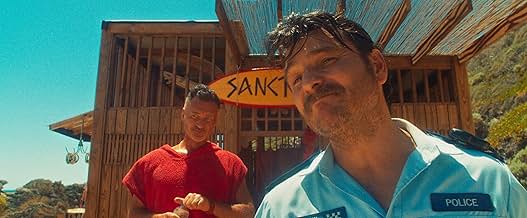
Shark movies almost always draw a crowd, but Dangerous Animals flips the script with a surge of adrenaline and a rush of surprise, adding in the serial killer twist. What started as a routine popcorn creature feature quickly twisted into something darker, mixing Jaws and terror with a sinister serial killer and his tangled web of digital horrors. The premise teases familiarity, but the film’s razor-sharp detours leave you wide-eyed and second-guessing every shadow.
I walked in expecting fins and jump scares; what I got was a genre mashup that sharpens the dread, pulls you into a double threat, and keeps things pulsing till the lights come back up. With a solid 3.5-star showing, this one lingers in your mind long after the credits, not just for its scares but for the wild places it goes. If you’re drawn to stories where tradition crashes into the unexpected, there’s a deeper world of genre twists you might also appreciate over at Technotink Lore.
Plot Overview: When Sharks Meet Serial Killers
“Plot Overview: When Sharks Meet Serial Killers” isn’t just a quirky tagline; it’s the bolt of chaos that powers Dangerous Animals. This movie shakes up expectations with a mashup nobody called: Predators from the deep, tangling with a predator on land. This classic shark attack formula takes a backseat to a whole new game of survival. Let’s dive into what makes this plot such a wild, memorable ride.

An Unlikely Collision: Predator vs. Predator
From the first act, Dangerous Animals juggles tension in two directions. You think you’re just signing up for big teeth and blood in the water, but things go sideways fast when a serial killer enters the mix. The film plants you right on the edge, never letting you sit comfortably in one story lane.
What sparks here is a sense of whiplash that’s both jarring and oddly satisfying. It’s like watching a campfire horror story jump out of the water, only to be swallowed by something darker. The killer isn’t a background threat either; he’s central, stalking his prey using both the ocean and the web. The movie draws clear lines between instinct and intent, creating a twisted duel that keeps viewers breathless.
New Depths for Horror Fans
Imagine sitting halfway through a shark film, waiting for the next fin to slice the surface, and realizing the real monster might not have gills at all. Dangerous Animals isn’t shy about flipping the usual tropes. The classic ocean terror battles for screen time (and victim count) with a villain who’s got as much obsession for sharks as for his sinister craft.
It doesn’t just stop with brute force and chase scenes. The serial killer leans hard into modern fears, using the dark web as his hunting ground. This isn’t just a fight for survival; it’s a hunt that turns digital paranoia into visceral, open-water dread. If you’re curious about more of these off-the-rails genre twists, The Guardian has a good review of this killer-shark mashup.

Survival at All Costs
What stuck with me is how the characters are caught in the middle, fighting tooth and nail to survive, but never quite knowing where the next hit will come from. The protagonist’s struggle feels raw and desperate, echoing classic final-girl energy, amped up by a double shot of danger from both man and nature.
You don’t just root for survival; you try to untangle the killer’s motives and wonder what’s lurking behind every digital shadow. If you want to see how director Sean Byrne spins this tension into something sharp and entertaining, the official Dangerous Animals profile on IMDb has more details, and there’s even buzz about the movie’s unique blend on Reddit in discussions about the trailer and poster.
The collision of sharks and serial killers sets a wicked pace. Just when you think you can breathe, the waters churn again, making Dangerous Animals a horror story you won’t easily forget.
Atmosphere and Scares: Where Suspense Meets the Deep Blue
Dangerous Animals doesn’t just dip its toes in the water; it plunges headfirst into a current of fear and tension. The atmosphere rolls in thick, from the cold glint on the killer’s knife to the silent shadows lurking beneath the waves. Here, every flicker of blue light and every muffled splash has a job: to keep you guessing, fingers white-knuckled on your armrest. Let’s break down how this movie stirs dread, not only with shock but with a world that feels wet, real, and much too close for comfort.

Visual Effects and Shark Realism: CGI Bites and Fin Flicks
If you’re a fan of finned beasts rendered in all their gnashing glory, you’ll find plenty to chew on in Dangerous Animals. The movie leans hard on a blend of CGI and old-school practical effects to bring its predators to life.
- CGI Sharks: Modern effects give these digital sharks a weight and speed that can make you forget they’re just pixels. The watery lighting, reflections, and movement underwater are detailed enough to trick your eye, especially in quick flashes or when the camera dives in close for an attack.
- Practical Magic: Physical effects still do the heavy lifting for those all-important close shaves; teeth scraping boat hulls, blood in the water, or a dorsal fin slicing through the surface. You can almost feel the spray on your face.
- Atmosphere over Gimmick: Instead of relying on jump scares or rubbery monsters, the film uses shadows, slow pans, and silence. These choices hold the viewer in a spell, tapping into our primal fear of what might be swimming just out of sight.
Fans of the genre may catch a few seams in the CGI here and there; hey, this isn’t a Marvel blockbuster, but that’s part of the charm. The scares work because they aren’t just about realism; they’re about suspense and imagination, much like other cult shark films that thrive on tension and pace.

Serial Killer and Dark Web Themes: Evil in the Surf and the Shadows
Just when your heart settles from the beastly threats below water, Dangerous Animals pushes you back under. The real shock comes from its twisted human antagonist, whose motives feel ripped from today’s headlines.
- A Killer’s Twist: The film’s villain isn’t just your generic slasher; he’s a digital predator who uses the dark web as both hunting ground and hideout. His crimes feel personal, reckless, and modern in a way that crawls under your skin.
- Motivations That Sting: Instead of a backstory filled with tired revenge or cliché trauma, this killer seems driven by curiosity, power, and the thrill of being watched. The script isn’t afraid to draw from the whirlpool of online danger, making every text or ping hum with menace.
- Blending Urban Legends: By weaving dark web mythology into the narrative, the movie lands deeper psychological blows. There’s a sense that the terror could step off the screen and into your inbox. If you’re drawn to true-crime stories or enjoy swapping spine-tingling tales, you’ll find it’s playing the same game as stories found in Urban Legends on Technotink.
The mix of aquatic scares with true-crime anxiety creates a vibe that’s hard to shake. Instead of clashing, the two threats work together to keep you scanning shadows; on both land and sea; for the next strike. This double-punch twist is what gives Dangerous Animals its edge.

Performances and Direction: Standouts and Surprises
If you’re the type who tunes into a shark or slasher flick mainly for body count and blood spray, Dangerous Animals has something more to offer. A jolt of real acting chops and a director with a twisty vision keep the story from just circling the usual feeding ground. While the premise seems destined for B-movie cheese, the performances and direction cut sharper, shifting the mood from campy terror to grim, unpredictable threat; then back again, sometimes in the same scene.
Leading Roles that Bite Back
Let’s get to the real surprise. The leads dig in deep, refusing to let the movie be just another generic animal-attack story. The protagonist (Maya, played by a breakout star with serious screen presence) doesn’t go for the cardboard “final girl” routine. Instead, Maya gives us panic, grit, and flashes of humor that land even as the sharks close in and the killer draws near. You root for her not because the plot says you should, but because she feels like someone you might actually meet: sharp, flawed, scared, and stubborn.
The serial killer, cloaked in both shadow and digital anonymity, gets equal attention. He’s not the campy mustache-twirler or unstoppable hulking brute. Instead, his performance nails a mix of charisma and creep, especially when he’s toying with technology to terrify his next victim. A glance, a half-smile, a soft-spoken threat; he conjures chills in all the quiet ways. These touches are what set Dangerous Animals apart from cheaper, faster mass-market scares. If you want a look at horror acting that brings a genuine edge, check out the 16 Best Horror Movie Performances That Deserved Oscars for some iconic comparisons.
Directors Who Swim Against the Current
Credit where it’s due; director Sean Byrne doesn’t just wrangle chaos. He choreographs it. Byrne pulls off a balancing act: keeping one foot in the shark-movie camp but letting the other wander into psychological horror. Scenes are paced to keep us off-balance; long, tense silences cut with sudden violence, clever edits that skip the expected and surface somewhere unexpected.
Several moments stand out: a cramped, underwater struggle filmed through fractured moonlight feels almost lyrical before erupting into frantic action. The killer’s dark web haunt, rendered through flickering screens and empty audio, has a sticky, claustrophobic vibe that makes your skin crawl. Byrne finds little ways to shift the lens, so nothing feels completely safe or comfortable. This sort of creative vision echoes the work of directors who brought unforgettable moments to the world of horror; The Contending put together a solid piece on the greatest performances in horror cinema that highlights the mark a good director can leave on both cast and viewer.
Supporting Cast and Unlikely Surprises
It’s not just the leads who deserve applause. The supporting cast puts in real work to dodge cliché, from nervy sidekicks to skeptical locals and, of course, those doomed to fall first. Nobody feels like filler. Each adds color and credible panic to the unfolding chaos.
You’ll notice small, surprising turns; a one-liner delivered as the tension crests, an argument that reveals more anxiety than the monsters outside, a costar whose dread feels all too believable. These touches matter, especially in a genre known for throwaway roles. Watching the actors bounce off each other, raising the stakes with every choice, locks you in for the ride. For more discussions on how acting can make or break a horror film, see the community takes over at Reddit’s best horror movie acting performances thread.
So, even if the story takes a left turn or two, the cast and direction keep Dangerous Animals swimming strong; reminding us just how much difference a few smart, committed performances can make.
Themes and Subtext: More Than Just Survival
Step beyond the surface of gnashing teeth and blood in the water, and Dangerous Animals reveals more than a run-of-the-mill survival tale. The heart of this film beats to a surprising rhythm, full of layered themes, sly subtext, and moments that force you to look twice. This isn’t just a show about outswimming predators—it’s loaded with commentary about fear, technology, and what it means to fight for your life in the age of both beasts and bandwidth.
Modern Paranoia: Fear in the Digital Age
Beneath every splash and scream, Dangerous Animals peels back society’s modern paranoia. The serial killer’s use of the dark web doesn’t just fuel plot twists; it magnifies the quiet panic we feel about online threats. The film twists classic horror anxieties; jaws and claws; with the new terror of invisible cyber tracks. Victims aren’t just running from creatures; they’re hunted through screens, signals, and algorithms gone rogue.
- Digital vulnerability rings loud through the film, highlighting how exposed we become when safety is an illusion only as strong as a Wi-Fi password.
- Our instinct to trust technology backfires as the killer manipulates the digital world to control and stalk prey.
This thread of fear mirrors the subtext seen in classic horror. If you’re interested in how modern nerve and subtext go hand-in-hand, Crystal Lake’s look at subtext in horror fiction digs deeper into the craft behind these approaches.
Nature vs. Humanity: The Beast Inside
Sharks and killers clash, but the real tension pulses between nature’s brute force and humanity’s dark ingenuity. Dangerous Animals crafts a world where it’s not just the animals who kill for survival, but people, too.
- The killer’s methods echo animal instinct, blurring the line between hunter and hunted.
- Survival isn’t as simple as staying above water; it’s a fight to retain humanity in the face of primal, animal panic.
Here, every fight with fin or fist asks if we’re so different from the monsters we fear. It’s a riff horror fans have seen before; shades of classic movies that turn the mirror on the audience. Curious about similar themes in other films? The Tim Burton Movie Analysis collection explores how other directors weave environmental and moral questions into their work.
Moral Blind Spots and Ambiguous Heroes
Dangerous Animals doesn’t paint its heroes and villains with clear lines. You sometimes question who deserves to survive and at what cost.
- Decisions are murky; should you abandon a friend to outswim a shark, or try to outwit a killer together?
- The movie toes the line between justice and revenge, pushing viewers to interrogate their own gut reactions.
Characters constantly face moral crossroads, adding a layer of ethics to all the running and hiding. Looking for a broader take? You’ll find some lively perspectives on how horror movies sneak moral dilemmas into their scares in Reddit’s favorite subtext in horror movies thread.
Hidden Identity and Double Threats
There’s a stealthy subtext woven through the killer’s personas, both online and in the flesh. It taps into classic horror secrets, playing with the idea that threat often wears a familiar face.
- Technology lets true natures stay hidden until it’s much too late.
- The theme of masks and double lives haunts every confrontation, making danger a moving target.
This kind of narrative layering isn’t just a modern twist; subtle subtext about identity and hidden threats has always simmered under horror’s surface.
By the time credits roll, Dangerous Animals leaves you thinking about more than just who survives. It stirs deeper fears, asks sharper questions, and proves you can find a biting message lurking beneath the foam and frenzy.
Final Verdict: Was ‘Dangerous Animals’ Worth the Dive?
When it comes to killer shark flicks and slasher thrillers, I rarely brace for double trouble. Dangerous Animals takes the knife-and-fin formula, splashes it with modern dread, and serves up a bold new taste for tired genre fans. So, how does it measure up once the adrenaline wears off? Let’s wade through the aftermath and decide if this wild ride is truly worth the ticket, especially for AMC A-List regulars who crave something fresh between tentpole releases.
Genre Shakeup: Pleasant Shock or Muddled Waters?
Dangerous Animals did something few recent horror hybrids manage; it kept me guessing. By blending animal horror with modern serial killer chills, the movie dodges easy labels and rewards anyone bored by the usual teeth-and-screams routine. Instead of more of the same, I found myself on edge, second-guessing every sunlit surf shot and darkened phone screen. The result? That rare creature: a creature feature that actually feels new.
You don’t need to be a die-hard shark aficionado to get caught up in the action. The relentless pace, uneasy tension, and creative set pieces bake up a different kind of suspense. A late-night streaming pick can sometimes disappoint, but not here; the story is juicier and smarter than its basic cable cousins. For more thoughts from movie lovers, see the unfiltered reactions in the Official Dangerous Animals discussion thread.
Hits and Misses: Where Dangerous Animals Surpassed Expectations
Let’s break it down:
- Standout Performances: Both the protagonist and antagonist are more than genre cardboard. They charge each scene with believable panic, giving just enough quirky personality to make you care.
- Atmosphere and Visuals: The mood swings from sun-bleached beaches to digital catacombs without feeling forced. If you love the sound of water pulsing through a scene or enjoy a clever silhouette in the moonlight, this movie serves plenty.
- Story Surprises: It’s not afraid to take sharp turns. The use of the dark web and double-layered threats pumps up the tension rather than distracting from the plot.
- Watchability: Clocking in at just the right length, it never drags. The movie knows when to end a scene, how to tease a reveal, and when to let the madness spill over.
However, no entry is perfect:
- A few CGI moments tip their hand if you squint.
- Some supporting characters slip into horror movie tradition; here for a scare or a scream, then gone.
For other users take, the IMDb user reviews for Dangerous Animals provide a spread of perspectives; that’s always a good crowd-check before a watch party.
Shark Bait or Standout? Comparing to Other Genre Entries
It’s easy to stack Dangerous Animals against cult classics like The Shallows or Jaws for sheer bite strength, but those films rarely dared a sideways move into digital-era paranoia. Here, the villain’s dark web roots dig a little deeper, gnawing at modern anxieties while the sharks circle. Is it as iconic? Not quite, but it swings big where others play safe.
Shark movie veterans may recognize a few familiar shadows, but the movie’s willingness to twist its DNA gives it a fighting chance at cult status.
Is It Worth Swimming With These Sharks?
Dangerous Animals scores a solid 3.5 stars out of 5 in my book. Not pitch-perfect, but definitely refreshing. The scares are layered and smart, performances punch above their weight, and the director’s hand keeps things moving at a crisp snap. Was it what I expected? Not even close. Was I disappointed? Not for a second.
If your idea of a good movie night is Jaws with a side of serial killers’ twisted sense of fun, then this one should swim to the top of your queue. It’s not just popcorn horror; it’s a wicked blend of folklore, digital menace, and guilt-free fun. And honestly, isn’t that what keeps us coming back for more?
Conclusion
Dangerous Animals snuck up on me with a mix of shark terror and digital-age serial killer chills. The movie sidesteps familiar paths, serving as a twisted thriller that is far from predictable. With each scene, it shuffles dread across surf and screen, making a 3.5-star rating feel well-earned and honest. Performances bite as hard as the sharks; especially with a villain who draws as much fear from his keyboard as his knife.
This isn’t a film you’ll shake off in an hour. Instead, it lingers; a mash-up that feels fresh, a reminder not every horror has to swim in a straight line. For anyone who craves stories where lurking dangers are both ancient and new, I say bump this one up your list.
If you’re hungry for more tales that blur the line between myth, menace, and modern anxiety, you’ll find endless chills among the Urban Legends on Technotink. Thanks for reading; let’s keep the lights low and the conversations buzzing. What film do you want to see mixed up next?