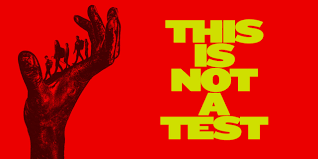
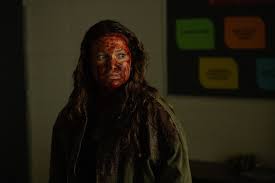
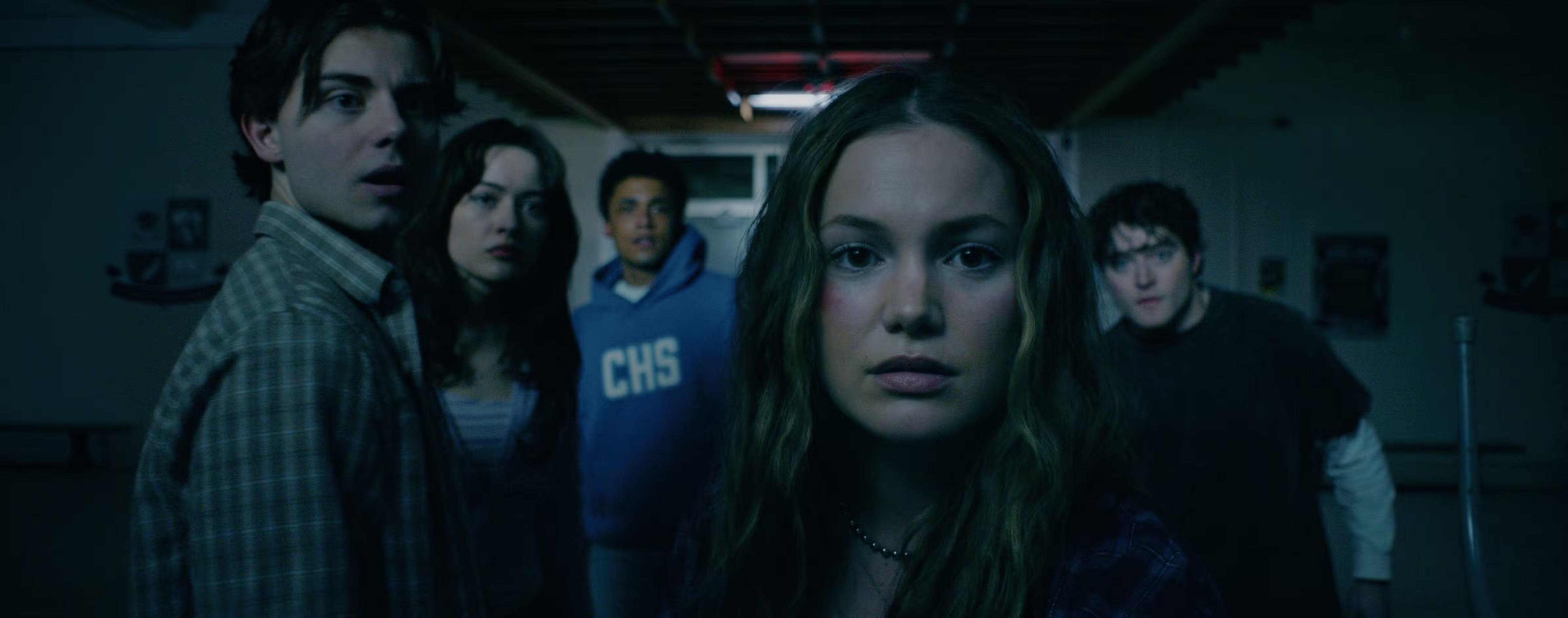
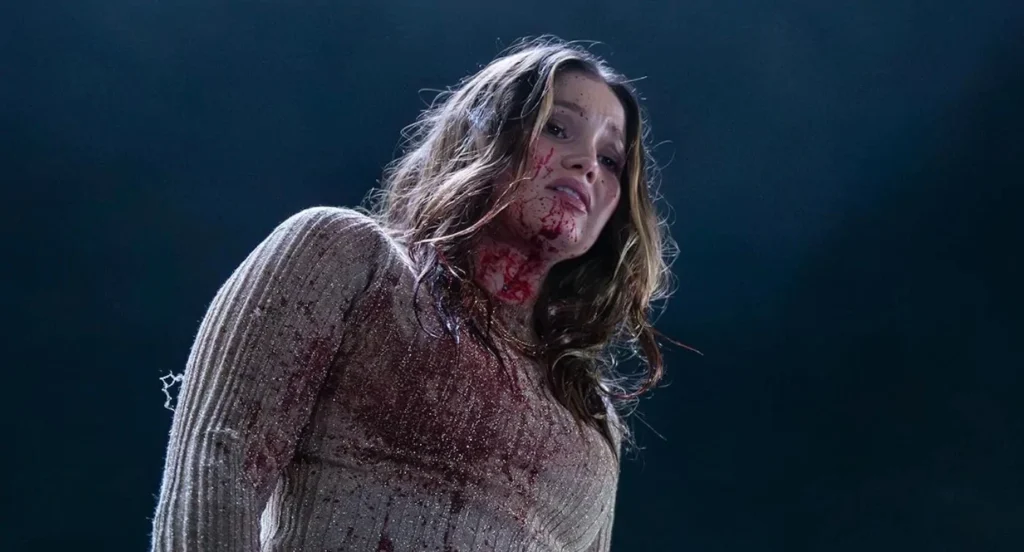
This Is Not a Test offers an atypical take on the zombie genre, leaning more into tension and character moments than nonstop action. The premise and storytelling are decent, though the overall plot feels a bit overdone compared to many other entries in the genre. Unfortunately, the film is held back by noticeably poor-quality zombie makeup and effects, which occasionally break the immersion.
Still, the movie manages to hold interest with its different pacing and approach to the familiar apocalypse theme. While it doesn’t fully rise above its limitations, This Is Not a Test remains a watchable and slightly offbeat zombie flick that earns 3.7 out of 5 stars. ~Oisin, 2/24/26 – AMC A-List flick.
A High School Lockdown Zombie Story
If you’re here for a real This Is Not a Test movie review, you’re in the right place. This is the 2025-shot zombie horror film that hit Shudder on February 20, 2026, and yes, it’s an actual movie review, not a gimmick. That said, it’s also simple, spoiler-light, and focused on one thing: is it worth your time?
The vibe is a teen survival drama trapped inside a high school, with zombies and panic pressing in from outside. Think locked doors, shaky alliances, and the kind of stress that makes every hallway feel narrower.
My quick score up front: 3.75 out of 5. It’s entertaining and tense, but it’s also a bit messy, especially when the undead show up close.
What “This Is Not a Test” is really about (and why it feels different from most zombie movies)
At its core, This Is Not a Test is less interested in zombie “rules” and more interested in what happens when a teenager’s private breaking point collides with a public disaster. The story follows Sloane Price, a student already carrying heavy emotional weight, when a sudden outbreak turns her small town into a nightmare. As the world outside collapses, Sloane and other students end up locked down in their school, trying to make it through the day, then the night, then whatever comes after.
Director Adam MacDonald (known for Backcountry and Pyewacket) keeps the focus tight and human. The film is based on Courtney Summers’ 2012 YA novel, and you can feel that DNA in the way it treats teen relationships as life-or-death serious, even before the zombies force the issue. The undead are still a threat, but they function more like a rising temperature in the room. They turn every argument into a crisis and every decision into a gamble.
It also makes a clear choice to not over-explain the outbreak. If you want a tidy origin story, you won’t get it. Instead, the movie treats the zombie event like an earthquake, it hits, it changes everything, and you either move or you get buried.
For basic details like credited cast, release info, and production notes, the IMDb listing for This Is Not a Test is a useful quick reference.
The high school lockdown setup keeps the story tight
The single main location does a lot of work. A high school already has built-in zones of control, classrooms, offices, cafeteria, gym, and the movie uses that to create clear, easy stakes. You always know what “safe” means for the moment, and you always know how quickly it can fall apart.
That closed setting also amps up the friction. Food becomes a power struggle. Bathrooms become a negotiation. Doors and windows turn into moral tests. As a viewer, you feel the claustrophobia, because there’s nowhere to breathe, and no clean way out.
The movie leans on character pain more than zombie rules
Sloane’s mental health, family trauma, and shifting friendships push the tension forward. The film keeps that pain close to the surface, without turning it into shock value. Some scenes land with a quiet heaviness, even when nothing “horror” is happening.
Because of that focus, the zombies often feel like pressure instead of the main attraction. The outbreak isn’t deeply explained, and the movie doesn’t pretend it is. That choice will either pull you in, or leave you wishing for more genre mechanics.
My 3.75 out of 5 take: fun enough, a little messy, and not here for top-tier zombie effects
This is where the movie’s personality really shows. This Is Not a Test plays like a character-driven thriller that occasionally transforms into a campy zombie flick, then snaps back into a teen drama with bruised feelings and hard stares. When it works, it’s a tense, watchable ride with emotional bite. When it stumbles, it’s usually because the zombie visuals and effects can look rough.
I kept watching because the core plot is decent. The lockdown structure gives the story a ticking-clock feel, and the social dynamics keep shifting. Alliances change, trust breaks, and every “we’re fine” moment has a crack in it. The movie also knows when to tighten the screws. You get stretches of quiet, then a sudden spike of danger, then the aftermath where everyone has to pretend they’re still the same person.
Still, don’t come in expecting a showcase of creature work. Some zombie shots feel cheap, especially when the camera lingers. A few moments look like they needed either more time, or a different plan. That’s the tradeoff: the movie spends more energy on Sloane’s interior storm than on selling the undead as fully convincing monsters.
If you want a sharper sense of how critics have reacted to the film’s throwback zombie approach, Polygon’s take is a strong counterpoint, even if you don’t agree with it: Polygon’s This Is Not a Test review.
Quick takeaway: the story has weight and forward motion, but the zombie presentation won’t impress effects fans.
What works: a decent plot, steady tension, and a cast you can follow
The hook is strong, and the film commits to it early. Once the school becomes a fortress, the movie stays locked into survival decisions that are easy to track. That clarity matters in horror, because confusion kills tension faster than any zombie bite.
Olivia Holt carries a lot as Sloane, and she keeps the character grounded even when the tone swings. Luke Macfarlane as Mr. Baxter adds a different kind of pressure, because adult authority in teen horror often helps, then complicates everything.
Most importantly, the emotional arc gives the movie some real gravity. Even when the scares are uneven, the feelings aren’t.
What doesn’t: the zombies look cheap at times, and the tone can wobble
The biggest downside is simple: the zombies and effects can look poor. Not always, but often enough that you notice. If you’re the kind of viewer who gets yanked out of a scene by iffy makeup or stiff movement, this will test your patience.
The tone also wobbles. One moment plays like raw teen drama, the next goes for classic horror beats. That mix can be fun, but it can also feel like two movies sharing the same hallway. And if you came for big set pieces, the film feels small by design. It’s more “hold the door” than “blow up the mall.”
Who should watch it, who should skip it, and the best way to watch
This is a good movie to stream at night when you want tension and character conflict more than monster spectacle. It’s also a better fit for viewers who like single-location horror, because the school setting stays front and center.
Expect violence and blood, plus dark teen themes, including depression and abuse. There’s also some teen drinking and rough behavior, the kind you’d expect when scared kids stop acting like kids.
If you want another spoiler-light perspective before you hit play, HorrorFuel offers a straightforward snapshot of the experience in its spoiler-free review of This Is Not a Test.
Watch if you want character drama with zombie pressure in the background
You’ll have a good time if you like tense group stories where small fights become big problems. It’s a solid pick if a high school survival setup sounds naturally stressful to you. You might also enjoy it if you prefer emotional horror, where fear comes from people, not just teeth. It fits viewers who like contained settings with clear stakes and limited escape routes.
Skip if you need polished creatures, nonstop action, or big zombie lore
Pass if campy visuals or uneven effects pull you out of a movie fast. Skip it if you want constant action, because the film pauses to sit with feelings and fallout. You’ll also be frustrated if you need deep zombie lore or a clean outbreak explanation. If your favorite zombie movies are built around giant set pieces, this will feel too modest.
Conclusion
This Is Not a Test earns a 3.75 out of 5 from me. The tradeoff is clear: you get a decent, tense story with real character focus, but the zombie visuals and effects can look weak and sometimes distract. Still, the high school lockdown hook works, and Olivia Holt helps keep the emotional core steady.
If you stream it with the right expectations, it’s a fun, imperfect night-in horror pick. When you watch zombie movies, do you come for the monsters, or for the people trying not to fall apart?
Experience the full text of Thomas Baurley’s classic 1989 research paper, now in a convenient PDF e-book. This edition presents Baurley’s in-depth study from Florida State University on zombies and zombification within Haitian Vodou, with focused discussion of Wade Davis’s primary research and the lasting impact of these stories and beliefs. Baurley traces the journey of the zombie figure, from early cultural accounts rooted in Haitian tradition through the modern fascination found in comics, books, and movies. Drawing on ethnobiological and cultural studies, this work connects scientific, spiritual, and social explanations for zombification, making it a valuable resource for both scholars and curious readers.
As someone who has spent years examining the intersections of folklore and science in the Caribbean, I recognize the rigor and balance Baurley brings. His paper treats both Haitian belief and Western interpretations with care, challenging stereotypes without losing sight of local meanings. This edition is well-suited for researchers, students, and anyone interested in how a single concept can bridge culture, science, and global storytelling.
Product Features
Complete PDF e-book of Thomas Baurley’s original 1989 research
Thorough analysis of Haitian zombies and Vodou practices
Detailed discussion of Wade Davis’s work, including empirical and cultural findings
Historical overview: From slave-era Haiti to modern media depictions
References and citations for academic use
Easy digital access and searchability
Suitable for academic and general audiences
Pros and Cons
Pros
Delivers original academic insight not found in mainstream texts
Balances ethnographic, scientific, and media perspectives
Includes thorough documentation and references for further study
Written in a style accessible to broad audiences
Available instantly in digital format
Cons
Focused mostly on research up to 1989, with limited coverage of newer developments
PDF format may be less preferable for those wanting a physical copy
Uses some academic language that may require extra attention from casual readers
Baurley’s “Haitian Horror” stands out for its careful research, direct tone, and honest respect for Haitian cultural realities. This document invites further discussion and collaboration, making it a strong addition to any collection on anthropology, folklore, or global pop culture. If you have questions, wish to share your own research, or wish to connect on related projects, please reach out via the provided contact links.
Download your copy and join a deeper exchange on the roots and reach of the Haitian zombie.
Fast Zombies, Real Fear, and a Modern Horror Classic
When 28 Days Later burst onto the scene in 2002, it didn’t just update the zombie formula; it rewrote it. Director Danny Boyle’s vision gave us zombies that could sprint, not stumble, adding real urgency and fear back into horror. This film turned the familiar shuffling undead into fast-moving threats, delivering chills that even diehard fans hadn’t seen before.
With its gritty London backdrop and raw performances, 28 Days Later raised the bar for British horror and inspired a wave of copycats. People still talk about its haunting visuals, atmospheric soundtrack, and the way it explores humanity under extreme pressure. This review breaks down the story, themes, acting, visual style, and why its legacy lingers, earning it a top-tier 4.5-star rating. If you enjoy looking at the impact of movies on pop culture and genre films, you’re in the right place.
Plot Overview and Thematic Depth
Danny Boyle’s “28 Days Later” takes the classic zombie apocalypse and remixes it for the modern era. The story wastes no time, dropping viewers straight into a world transformed by a viral outbreak, with London eerily empty and danger lurking around every corner. Beyond the frights and sudden scares, the heart of the film explores what happens to people when normal life disappears. Survival, trust, and the core of human nature all get tested as characters navigate fear, loss, and impossible choices. Let’s break down how “28 Days Later” stands apart, not just as a high-speed horror film, but as a film with deeper meaning.
A New Breed of Zombie Apocalypse
Most zombie movies follow a familiar script: slow, shambling undead, a group of survivors, relentless dread. “28 Days Later” throws that out the window. The monsters here aren’t undead at all; they’re people infected with a “Rage” virus, turning them into violent, sprinting threats. That speed transforms the tone from creeping unease to relentless panic. Even the bravest viewer might feel their heart race as characters run for their lives through abandoned streets and tight alleyways.
This change matters. Sprinting infected force the heroes to think fast, move faster, and accept that nowhere is safe. The tension is constant, and the action scenes feel raw, desperate, and real. Unlike slow-moving ghouls, these infected feel plausible in our world, tapping into real concerns about contagion and viral outbreaks.
Suppose you want a deep dive into the way Boyle reinvented zombie storytelling. In that case, the detailed Film Comment review of 28 Days Later offers further analysis of how individuality and humanity unravel with viral savagery.
Societal Collapse and Human Survival Instincts
With society in ruins, the film quickly moves from a story of monsters to one of people. The infected represent the most obvious threat, but Boyle focuses on how survivors navigate chaos and fear when all rules vanish. Early in the movie, scenes like Jim wandering a silent London capture the loneliness and shock when order disappears.
The film keeps the stakes grounded in real emotion: grief, mistrust, fleeting hope. As survivors band together, their group faces hard choices about loyalty, morality, and what they’re willing to do to survive. Simple tasks, like finding food and staying safe at night, take on huge weight when every decision could be your last.
What sets 28 Days Later apart is its honest look at the dark and light sides of human nature. The film asks: When the world crumbles, who do you become? Viewers see characters stripped down to their most basic instincts; some find courage, others become just as dangerous as the infected. To read more fan impressions on the film’s raw emotional power, check out this honest discussion: 28 Days Later is such an incredible and unsettling movie.
Boyle’s approach hooks us with horror but keeps us watching with tough questions about humanity. This mix of action, emotion, and smart storytelling is why 28 Days Later is often considered a modern classic.
Direction, Cinematography, and Soundtrack
Every pulse-pounding moment and chilling silence in “28 Days Later” builds on the movie’s sharp direction, gritty visuals, and the kind of soundtrack that sticks with you long after the credits roll. These elements don’t just tell the story, they make you feel every ounce of dread, hope, and shock right alongside the characters. Let’s break down how each piece fits together to make this film one of the most unforgettable horror experiences around.
Danny Boyle’s Visionary Approach
Danny Boyle reshaped what horror could feel like with his direction on “28 Days Later.” He took risks, like using a digital camera for much of the movie, giving scenes a raw and unpolished energy that mirrors the chaos in the story. Boyle doesn’t rely on flashy effects or cheap scares. Instead, he zooms in on the characters’ emotions and their reactions to a world gone wrong.
Boyle’s use of real empty streets in central London is legendary. He filmed at odd hours to capture deserted landmarks, which heightens the intense sense of isolation and panic. This wasn’t just a directorial trick; it forced the audience to question what they would do in a similar nightmare scenario. If you’re interested in how directors shape genre-defining films, take a look at the unique approaches in the Lore Reviews Collection.
Visuals: Gritty Realism and Urban Isolation
The cinematography in “28 Days Later” pulls no punches. Cinematographer Anthony Dod Mantle worked with handheld digital cameras to put you right in the action, sometimes a little too close for comfort. The picture feels unsteady and urgent, matching the chaos the characters face. Night scenes are stark, often grainy, and daylight barely softens the danger, making fear feel real and constant.
A few things you’ll notice:
Abandoned cityscapes: Iconic London locations stripped of all life, turned into eerie playgrounds for terror.
Harsh lighting and jumpy edits: These choices create a jittery mood that keeps you anxious.
Close-ups and first-person views: Used to drag you into the survivors’ mindset, trapping you in their fear.
The style used here influenced a new wave of horror films. If you enjoy innovative camera work and how it shapes a story’s feel, the underwater camera work discussed in Latest Movie Updates shows filmmakers pushing boundaries just like Boyle did here.
Soundtrack: Creating Tension and Mood
“28 Days Later” owes much of its suspense to the haunting soundtrack by composer John Murphy. The score is never just in the background; it’s right under your skin, building dread even in quiet moments. The iconic track “In the House – In a Heartbeat” is the sound of panic itself, rising and tumbling as the threat grows.
Here’s what stands out about the music:
Atmospheric build-ups: Soft, almost silent passages make loud moments hit even harder.
Electronica blended with orchestral sounds: Keeps the tone unpredictable and jagged.
Memorable themes: Once you’ve heard that key melody, it doesn’t let you go.
If film music piques your interest, you might enjoy browsing Music articles on TechnoTink, featuring more about the way sound tracks and shapes the emotion in storytelling.
The result is a tense, nerve-wracking horror experience where the direction, visuals, and soundtrack all push you right to the edge of your seat.
Key Performances and Character Development
The impact of “28 Days Later” isn’t just about sprinting zombies and empty city streets. The film’s power is rooted in how real the characters feel, thanks to standout acting and a focus on growth. When normal life collapses, every survivor shows different layers, making you care about their fates. Let’s take a closer look at the work Cillian Murphy delivers in his breakthrough role, as well as how the rest of the cast brings this gritty nightmare to the screen.
Cillian Murphy’s Breakout Role
Cillian Murphy gives Jim a complex, raw energy that makes him more than just a typical horror protagonist. When Jim wakes up alone in the hospital, Murphy captures a real sense of confusion and vulnerability. As the story builds, he changes; not just reacting to the world, but growing into a survivor before our eyes.
A few things that make Murphy’s role memorable:
Vulnerability at first: Jim’s struggle to accept this terrifying new world is believable and heartbreaking.
Gradual toughness: As danger grows, Murphy shifts Jim’s body language and voice, showing how trauma can shape a person.
Real emotion: He doesn’t just act scared or angry; he brings hope, grief, and desperate courage to even the quietest scenes.
Fans and critics agree; Murphy’s take on Jim feels so human, it pulls you in. If you’re interested in fan discussions about his standout performance, check out this detailed 28 Days Later movie appreciation on Reddit, where viewers break down his best scenes and discuss why Jim stands out in horror.
Want more background on the character and how Cillian Murphy shaped the role? You can explore the film’s detailed breakdown and Murphy’s place in movie history on Wikipedia’s 28 Days Later page.
Supporting Cast: Building Realism
The magic of “28 Days Later” isn’t only about its lead. The supporting cast, including Naomi Harris as Selena, Brendan Gleeson as Frank, and Megan Burns as Hannah, brings vital depth. Every actor comes across as honest and lived-in, adding to the film’s gritty atmosphere.
Here’s how the supporting cast elevates the film:
Naomi Harris (Selena): Her performance delivers a tough, no-nonsense survivor haunted by loss. Selena’s quick decisions and guarded heart add tension and warmth.
Brendan Gleeson (Frank): Gleeson gives Frank a warmth and fatherly resolve. His small, hopeful moments with his daughter break up the horror with needed heart.
Megan Burns (Hannah): Playing Frank’s daughter, she grounds Hannah in innocence; yet believable resilience, that shows how young people cope during chaos.
The group’s chemistry helps you feel like these are actual people, not movie stereotypes. Only when everyone’s scared and uncertain does the terror feel so real. The effort to make their fear, hope, and small victories feel genuine grounds the movie in reality and keeps the stakes high.
If you want a quick overview of the film and its cast, the 28 Days Later (film) Fandom page offers more character details and cast insights.
For film fans who enjoy seeing how actors carry a story with little spectacle, the Latest Movie Review on Technotink looks at recent movies where strong performances are the difference between a good film and a great one.
Critical Reception, Legacy, and Influence
Since its release, “28 Days Later” has been recognized not just as a riveting horror film but as a cultural milestone. Its daring approach to a familiar genre, along with its high-stakes storytelling, won over critics and fans alike. The impact still ripples through modern film and TV, inspiring changes that can be felt wherever zombies appear on screen.
Modernizing the Zombie Genre
Before “28 Days Later,” zombies tended to shuffle and groan. Audiences expected slow-moving dangers inspired by classic films. Danny Boyle shattered those expectations. He inflicts sprint and attack without warning, making every encounter unpredictable. The movie made zombies scary again, not just gross or absurd.
A few ways “28 Days Later” changed the game:
Introduced fast, aggressive infection: Suddenly, running was survival. The formula shifted from grim waiting to panicked action.
Grounded horror in reality: Using infection instead of pure supernatural causes, the film tapped into real-world fears about viruses and pandemics.
Shifted visual style: The digital, raw look gave scenes an urgency that felt different from glossy, Hollywood horror.
After “28 Days Later,” other films and shows took notice. The world saw a wave of stories where the monsters weren’t just slow; they chased you down. For more on how genre films innovate and push boundaries, check out the Lore Reviews Collection, featuring creative approaches to horror and fantasy.
Influence on Subsequent Films and Television
The fallout from “28 Days Later” changed horror for the next twenty years. Big-budget titles and indie projects borrowed their look, pace, and ideas. Directors worldwide started adding urgency to their undead. Popular media like “The Walking Dead” share DNA with Boyle’s vision, using terror and emotional conflict to fuel drama.
Here’s how its influence shows up in later works:
Fast-moving infected: Films like “World War Z” and TV series like “Black Summer” owe a debt to the kinetic threat first seen here.
Grit and realism: More productions abandoned clean visuals in favor of hand-held cameras and unpredictable pacing for increased tension.
Emphasis on psychological horror: “28 Days Later” made clear that human relationships were as volatile and dangerous as the monsters.
If you appreciate genre crossovers, take a look at how movies continue to push boundaries in the Latest Movie Updates from Technotink, where trends and innovations are featured regularly.
Cultural Legacy and Genre Analysis
Beyond box office numbers and sequels, “28 Days Later” sparked fresh conversations about what makes monsters scary. It raised the bar for horror films, demanding more than just jump scares; viewers got thoughtful stories and questions about society and self. The movie’s approach to genre roots and monster lore continues to intrigue new generations.
Redefined modern horror: Films no longer needed to follow the old rules. New monsters, origins, and mythologies began to appear.
Deeper exploration of fear: The story asks, are the infected worse than desperate survivors? The blurred line between “monster” and “human” inspires plenty of debate.
For those who love to dive into the history and symbolism behind their favorite horror creatures, take the time to explore the Tim Burton Lore Articles on TechnoTink. This section offers a broader look at genre roots, monster myths, and the lasting power of scary stories.
The effects of “28 Days Later” reach far beyond its release, fueling nightmares and new storytelling for two decades and counting.
Ways to Watch and Unique Viewing Experiences
There’s nothing quite like catching “28 Days Later” for the first time, whether you’re watching alone in a dark room or with a group of friends. The way you experience this modern horror classic can completely shift its impact, thanks to both where you watch it and the extras many platforms offer today. From deluxe home setups to theatrical marathons, this section breaks down how you can watch and what makes some viewings unforgettable.
Streaming, Blu-ray, and Theatrical Re-Releases
In today’s world, finding “28 Days Later” is easy. Most viewers get their first taste through streaming, where the sharp digital visuals and eerie soundtrack hit hard with a good pair of headphones. Blu-ray and 4K Ultra HD releases add even more detail to the haunting shots of deserted London.
For movie fans who crave the real deal, keep an eye out for special theatrical screenings. A dimly-lit theater, a surround-sound system, and an audience that jumps at every scare? That’s the kind of setting that turns a movie night into a lasting memory. Special events or horror marathons often feature this film for its big-screen energy.
Here’s a quick breakdown of top viewing options:
Streaming platforms: Popular services rotate the film in and out, so check what’s available before planning your night.
Physical media: DVDs and Blu-rays often come with director commentary, behind-the-scenes footage, and interviews.
Special events: Theatrical re-releases or cult classic nights deliver communal thrills you can’t get at home.
If you’re interested in how classic and modern movies can come alive in group settings, browsing the Family Movies Collection offers tips and ideas on hosting themed movie nights, even for more intense picks.
Enhanced Viewing: Director’s Cuts and Premium Sound
For fans who want to go deeper, there are enhanced options that amplify the scares. Director’s cut editions offer alternate endings and extra scenes that provide fresh angles on the film’s darkest moments. Watching with a premium sound system or high-quality headphones means you’ll never miss the subtle notes in John Murphy’s legendary score, or the distant growls of infected lurking off-screen.
Interested in experiences that take film watching to the next level? Some theaters and streaming services now offer:
4K HDR versions: Crisp visuals highlight every shadow, blood splatter, and heartbreaking tear.
Immersive soundtracks: Dolby Atmos or high-fidelity systems place you directly in the chaos.
Bonus content: Movie buffs can compare commentary tracks and analyze deleted scenes for deeper insight.
If you keep up with the latest ways to boost your home movie nights, be sure to check the rundown of new releases and features in Latest Movie Releases 2025, where premium viewing options are spotlighted.
Making it Memorable: Group Events and Themed Marathons
Sometimes, the setting and company can turn a regular film into a night you’ll talk about for years. Watching with friends, especially those seeing “28 Days Later” for the first time, brings a wave of jump-scares, laughter, and shared tension. Some horror fans go the extra mile and create themed marathons, pairing the film with similar survival stories or zombie classics.
Ways to level up your movie night for “28 Days Later”:
Invite a group, serve up British snacks, and keep the lights low for maximum scares.
Host a double feature with other high-speed infection stories to compare zombie evolution.
Set up quizzes or mini-discussions after the movie; there are plenty of debates about the best scene or scariest moment.
If you’re inspired to explore films that pair well or share unique twists, you might enjoy reading about how movies play with supernatural legends in collections like Djinn Lore and Stories, which show how different themes can add depth to your watch parties.
No matter how you choose to watch, “28 Days Later” invites you to experience horror from a fresh angle. These viewing options ensure you’ll feel every pulse, every scream, and every hushed breath, just like it was meant to be.
Conclusion
“28 Days Later” shook up horror by giving us sprinting zombies, raw tension, and a gritty style that’s still unmatched. Its bold direction and pounding soundtrack set a new standard for how scary movies could look and feel. Two decades later, it stands as a favorite for anyone who wants more than the old slow-monster formula.
This movie changed how we see zombie films, showing that real fear comes from speed, realism, and the breakdown of what it means to be human. It scored 4.5 out of 5 for a reason; few horror films feel this urgent or meaningful.
If you want to keep exploring movies that push horror in new directions, check out the Best Horror Movies Collection for more reviews and recommendations. Got a favorite modern zombie story or unforgettable scare? Share your thoughts below, or swap recs with friends.
Thanks for joining the ride through this modern classic. See what pushes horror ahead next by browsing reviews and lore right here; there’s always something fresh to discover.
When a cult favorite video game gets the Hollywood treatment, you never know what direction it’ll take. “Until Dawn” (2025) hits screens as one of the most talked-about horror movies of the year, bringing the eerie, choice-driven storytelling of its source to a broader audience. With a prime release timed for AMC and AMC A-List fans, this adaptation lands at the crossroads of hype and skepticism. If you love stories where every shadow could hide a threat, you’ll want to know if “Until Dawn” delivers or just stumbles in the dark. Let’s find out what sets this film apart from other big horror movies in theaters right now.
Storyline and Atmosphere in Until Dawn
At its heart, “Until Dawn” turns a familiar horror setup, teens trapped in a remote mountain lodge, into something sharper. The core plot lifts its infamous death-loop mechanic straight from the original game: a group of friends must survive the night as supernatural forces and a masked killer hunt them down. Every choice means life or death (literally), adding a gameplay-inspired tension to the film’s structure.
The movie leans hard into horror atmospherics. The snow-blanketed resort hides secrets, with every flickering light and echoing footstep cranking the suspense. Wendigos, mythical creatures at the center of the game’s lore, get a terrifying movie makeover. But some narrative threads start strong and then slip. General moviegoers may find the plot’s twists a little familiar, but horror lovers will savor the nods to classic slasher and monster films. This film also seems to sensationalize parts of the urban myth around “Hell Town.”
Adaptation from Game to Film
The leap from interactive storytelling to the big screen isn’t easy. Fans wanted the nail-biting choice system, but the film trades interactivity for a tighter narrative focus. Instead of letting viewers shape the outcome, “Until Dawn” tells its own (sometimes predictable) story, trimming some of the sprawling game plot in favor of cinematic pace.
While this keeps the movie moving, it may disappoint those hoping for the same sense of control found in the game. Still, the adaptation shines when it explores grief, guilt, and fear, core themes from the original, as highlighted in many audience discussions. While I do enjoy the “Groundhog Day” repeat structure the film focuses around, I have to say, I did at a point get a little annoyed as it went on and on.
Atmosphere and Practical Effects
If you’re an A-List member with a taste for horror, you’ll spot “Until Dawn’s” focus on practical effects right away. The filmmakers use old-school gore, clever make-up, and physical props for their monsters, setting it apart from CGI-laden contemporaries. When the carnage happens, it feels visceral, like something you could almost reach out and touch (if you dared).
The suspense rivals classics, using darkness, sound, and uneasy silences to build genuine unease. Jump scares are earned, not forced. For those on the lookout for strong genre entries and fans comparing standout horror movies, “A-List” members will appreciate the hands-on craftsmanship on display.
Character Development, Acting, and Franchise Potential
Strong horror depends on memorable characters. In “Until Dawn,” familiar horror archetypes; jock, brain, outcast; are given a fresh spin, though not all land with equal impact. Some are fleshed out with real emotional arcs, while others feel like cannon fodder destined for a grisly end.
The cast’s performances are a mixed bag. A few leads turn generic lines into gripping moments, while others rely a little too heavily on genre cliches. However, the chemistry between certain character pairs sparks, hinting at the film’s potential for creative sequels.
Cast Performance and Chemistry
Standout performances come from the actors who lean into the fear and confusion their roles demand. The interplay between the main group of survivors feels genuine; there’s tension, friendship, and the sense that personal history could influence who survives. Yet, not everyone breaks out of their trope. Some side characters fade into the background, making their fates less impactful.
Still, the best moments showcase raw panic, heartbreak, and unexpected humor in the face of terror. These flashes of humanity keep horror fans engaged even when the story hits familiar beats.
Sequels, Franchise Hype, and the Future of Horror Movies
“Until Dawn” clearly sets itself up as a possible franchise starter. The ending teases more stories, and there are hints of a larger mythology at play. With the trend toward shared universes in horror movies, this direction makes sense.
If the studio follows through, future installments could develop side characters, explore new supernatural threats, or even bring back the interactive element in creative ways. The current landscape for horror is hotter than ever, and this movie is in a good position to grow if it keeps mixing suspense and monster lore. For fans of franchises like “The Conjuring” or “Insidious,” “Until Dawn” wants to earn its place among your favorites.
Conclusion
“Until Dawn” lands firmly in the fun-see category for horror movie buffs and AMC A-List fans who crave suspense, scares, and blood-soaked twists. It doesn’t reach every ambitious goal, but when it works, it pulls you deep into its wintry nightmare. Casual fans may find some moments a bit over the top or well-trodden, but for those who love the thrills of modern horror movies, there’s plenty to chew on. This one only earned a 3.5 stars out of 5 from me due to the excessive Groundhog Day logic.
Would you risk a night at the lodge? Share your thoughts below or join the conversation with fellow horror fans.
Fear the Walking Dead ~ TV-MA | 44min | Drama, Horror, Sci-Fi | TV Series (2015– ) | Creators: Dave Erickson, Robert Kirkman; Starring: Kim Dickens, Frank Dillane, Cliff Curtis, and many more – see IMDB for details. ~
Not as good as “The Walking Dead” this spin-off alternate tale that weaves in and out of the original series, is a fantastic simultaneous story. It starts off in Los Angeles as bands of families trying to survive the zombie apocalypse. Great tales with up/down captivation through the series. Running alongside the timeline of Walking Dead, the family has to test their ethics as they travel the land, sea, and Mexico. Loss, horror, death, dysfunction, and survival. A fun action-packed thriller.
Rated: 4 of 5 stars. ~ Review by Leaf McGowan/Thomas Baurley,
If you would like to contact the author about this review, need a re-review, would like to advertise on this page, or have information to add, please contact us at technogypsie@gmail.com.
~ TV-14 | 42min | Comedy, Crime, Drama | TV Series (2015–present(2018) ) | Creators: Diane Ruggiero, Rob Thomas; Starring: Rose McIver, Malcolm Goodwin, Rahul Kohli, and many more – see IMDB ~
It is a tale about a girl named Liv Moore, who was a medical student that became infected by the zombie plague that was in an outbreak in her community. As she deals with life as a zombie, she discovers if she eats the brains of an individual, she can have flashbacks of their life, absorb their feelings and personality, and can figure out how they died. She assists detective Clive Babineaux of the police department with solving murders. It’s a great comedy and spin on zombie theme popularity that has struck the world this decade with great plots, storyline, and characters. One of my favorite shows.
Rated: 4 of 5 stars. ~ Review by Leaf McGowan/Thomas Baurley,
If you would like to contact the author about this review, need a re-review, would like to advertise on this page, or have information to add, please contact us at technogypsie@gmail.com.
Cabin in the Woods ~ (Rated R: 2012) http://www.imdb.com/title/tt1259521/ * Director: Drew Goddard. * Written by Joss Whedon and Drew Goddard. * Starring: Kristen Connolly as Dana; Chris Hemsworth as Curt; Anna Hutchison as Jules; Fran Kranz as Marty; Jesse Williams as Holden; Richard Jenkins as Sitterson; Bradley Whitford as Hadley; Brian White as Truman, and many others.
Within the last several years, Hollywood and the film industry have been evolving and expanding the classical monster tale, as we watched through the ages, meandering from Frankenstein, the Mummy, the Werewolf, and Count Dracula towards a whole different species of Werewolves, vampires, and zombies. Then came the serial killers obsessed with pain, torture, maiming, and realistic, grotesque murder sprees self-styled after Ted Bundy, Fred West, or Jeffrey Dahmer, only to exaggerate to supernatural tales of Halloween, Friday the 13th, and the Texas Chainsaw Massacre.
Now, a new sense of horror, going back to supernatural beliefs on Witches, Druids, Spirits, and creatures from the races of Darker Faeries come crawling out from their sidhe with vicious mermaids and mermen, leprechauns, gremlins, goblins, orcs, giants, and titans. The Old God/desses are being brought back to life. What one would imagine would be a typical hack n’ slash film by the title of “Cabin in the Woods” turned into a conspiracy theory, a Dark ancient Deities tale of human sacrifice at a high corporate level ploy to satiate the “ancient ones”. None other than a tale weaved by Buffy’s Joss Whedon to give that twisted plot some fantastical depth. These five friends go on vacation to a remote cabin in the woods, only to find themselves trapped and manipulated in a pseudo-realm where they are lined up to voluntarily sacrifice themselves to the dark spirits.
The five college-aged kids head off to a friend’s cabin in the woods and lose all communication with the outside world. During “party time” and unwinding, the cellar door mysteriously flips open, only to involve a truth or “dare” to investigate the darkness. Within is a treasure trove of artifacts, each with a secret and a beast to unleash. Meanwhile, they are monitored by a high-tech secret lab where the white coats bet on which creature they will face – Pinhead, the Mer-man, flesh-eating zombies, a ghoul, or a prehistoric monster of dinosaur proportions. Dana reads from the diary of an inbred hillybilly family, thereby awakening the now-dead family of deadly murderous zombies.
But this is not the only laboratory experiment of what supernatural creatures will be unleashed, as the lab coats are monitoring similar setups from around the world, hopeful of a successful stint with the cabin. As each of the college kids get knocked off, the ploy backfires as the “virgin” saved for the last, teamed up with the brainy pot-head discover the conspiracy and find their way down into depths uncovering an ancient temple lair holding back the ancient Titans from destroying the Earth – satiated by an annual sacrifice that was planned. None of the scenarios work out for the guardians, and literally “all hell breaks loose” as magical and supernatural beings, creatures, and monsters look at the lab coats and armed forces as a smorgasbord brunch.
The Director of the agency, played by Sigourney Weaver, tells them the truth that the ritual involving sacrifice of the Whore (Jules), the Athlete (Curt), the Scholar (Holden), the Fool (Marty), and the Virgin (Dana) was to appease the “Ancient Ones” who lived beneath the facility. They had to die in archetypical order until the virgin remained. Werewolves, mer-creatures, unicorns, ghouls, zombies, and a giant serpent take their wraith. The Ancient ones rise to destroy the facility and the cabin. While an element of “kitch” and wacky elements loomed over the film, the special effects and deep mythical supernatural plot humored and entertained me. [Rating:4] Rating of four stars out of five. ~ Reviewed by Leaf McGowan.
These reviews are done by the writer at no payment unless it is a requested review and the costs for travel, service, and lodging was covered – in which case, expenditure reimbursement will not affect review rating or content. If you enjoy this review and want to see more, why not buy our reviewer a drink to motivate them to write more? or help cover the costs they went through to do this review?
http://www.imdb.com/title/tt0956335/ * Director: Michael Su * Starring: Mary Christina Brown … Sybil (as M. C. Brown); Steve Cryen … Reese; Sara Diaz … Leigh (as Sarah Diaz); Desmond Faison … Craven; Aaron Gaffey … Wes; Michael Kehoe … Holagram Host; and many more. *
This has got to be one of the worst movies ever produced. Those who know me, know I’m a zombie fan. A big zombie fan. Zombie movies usually equate to B-rate Horror. In fact, I’ve seen some really bad zombie movies. But have to say this one takes the prize. I found it in the bargain bin for $3 a few months ago – now I see why, and why I hadn’t bothered watching it until now. I doubt I’ll get 25 cents for it at the used video store. It’s about a time in the near future when death row criminals are given a chance to pardon themselves via a game show/reality tv show that tries to mimic “Survivor” with “House of the Dead”. They are dropped on an island to make it across the island to find 50 million dollars awaiting them as well as a full pardon and their freedom. Little do they know the island is filled with fast-running rage-filled zombies. It even lacks the usual blood of a zombie film. Bad plot, bad acting, bad lines. Sheer crap. Rating: 1 star out of 5.
Director: Brett Kelly. Starring: Ralph Gethings … Man in Woods; Brett Kelly … Steve; Caitlin Delaney … Amy; Jody Haucke … Garry; John Muggleton … Carl; Anastasia Kimmett … Vanessa; and others.
With zombie movies you’ll either love it or hate it. This one has no class, no talent, and no pizazz. Its a knock off of the comical “My Boyfriend’s Back” as well, a poor one at that point. Its about a bumbling idiot named Steve who accidentally backs over his very cut girlfriend Amy. Since Amy is a witch and has tons of spellbooks abound, he figures he’d use the books to resurrect Amy. Of course, Amy comes back as a flesh craving zombie who winds up devouring all his friends. But love has heart and he lets her munch on himself. Very bady writing, amateur performances, and extremely low budget. 1.5 stars out of 5.
Director: Rick Popko, Dan West. Starring: Rick Popko … Deputy Rick / Porn Actress / Doctor / Ripper Detective; Tony Adams … Agent Russo; Michael Allen … Institute Director; Shamika Baker … Living Dead Girl; Jello Biafra … Mayor Anton Sinclaire; Scott Britton … F.B.I agent; and others. The film’s name defines the quality of this flick … in the same genre as Tromo films, a really bad zombie flick gone poop. In a sense it is Rick Popko and Dan West’s sequel to their faecal flick Monsturd. Its about the mad Dr. Stern who is performing whacked experiments on special needs students that turns them into flesh craving zombies. The town descends into chaos dealing with the undead. Poor effects and low budget. The directors actually star in the film as the idiotic deputies. It has its moments of humor for some, but didn’t captivate my attention much at all. Its gory, in a cheap fake sense, and vile. 1.5 stars out of 5.