Few figures haunt the imagination and pop culture like the zombie, a nightmarish archetype straddling the line between folklore and modern horror. From Haitian origin stories steeped in myth and pharmacology to the feverish tales of the American backwoods where young people encounter the undead in their most vulnerable moments, as captured in movies like 28 days later or Cabin in the Woods, zombies hold a peculiar sway over our fears and curiosities. These restless entities, often stripped of memory and will, echo through history as both warnings and expressions of collective anxiety.
Author: Techno Tink
Moringa carries a legend that matches its many names, from the “miracle tree” in rural India to the “drumstick tree” scattered along dirt roads in Africa and Southeast Asia. Its leaves, once crushed into powder or steeped in tea by ancient healers, now find their way into smoothie bowls and market shelves far from the monsoon-soaked hills where its roots first pushed through the earth.
Unicorns hold a rare and captivating place in the tapestry of faerie, mythology, and folklore, standing as both symbols of purity and enduring mysteries. The Unicorn, as well as the Pegasus, was an obsession as a child growing up. I always wanted to have a pet. Across centuries and continents, these elusive creatures have crossed into countless tales, often weaving their way through stories of enchantment, sacred forests, and hidden realms. Their presence flourishes in the records of folklorists who seek to untangle fact from imaginative tradition, yet unicorns remain just out of reach, always suggested, never proven. By Thomas Baurley, Folklorist
Ah the infamous “Fountain of Youth.” I was excited when I saw this, but quickly realized it has nothing to do with Ponce de Leon and his fountain. From the first frames, “Fountain of Youth” invites viewers into a world where ancient tales and elusive springs are more than stories passed down through centuries. The film draws on a rich mix of folklore, magic waters, curses, and cures; subjects that have fascinated both scholars and explorers for generations. These themes aren’t just footnotes in legend; they live at the crossroads of belief and science, where archaeologists and storytellers alike find meaning.
Three Thousand Years of Longing (R: 2022) Djinn, Folklore, Genies, Magic, and the Power of Wishes Explored
For viewers drawn to symbolism and the enduring power of myth, Three Thousand Years of Longing is more than a fairy tale. It is an invitation to see how every story; no matter how magical, holds a mirror to our own choices, wants, and dreams.
I missed this one at the theaters. By the time I saw the previews, it had already left the big screen … at least in my area. I saw it available on Amazon Prime, but I have no idea when it would be discounted or have free streaming. I got impatient. Being a big fan … Read More “Death of a Unicorn (R: 2025)” »
Midnight fog drapes the Mississippi Delta, thick with secrets and shadows. In Ryan Coogler’s ‘Sinners,’ the land itself feels haunted; cotton fields blanch under moonlight, echoing with sorrow and threat. Set in 1932, this horror epic stitches together the nightmares of the past with stories too real to quiet.
If you’ve ever shouted at your stubborn laptop or thanked your car for starting on a cold morning, you’re in familiar company. Animism, the belief that objects, nature, and places can hold spirit, soul, or essence, slips quietly into daily life, often without notice. It’s in our DNA. Thousands of years of evolved belief systems around this central focus. Across ancient and modern cultures, the idea of a supreme being (or numerous Deities and/or Spirits) watching over the living world has shaped stories, rituals, and how we speak to the things around us. We also often not only give inanimate items a life force, but we also often give them a gender.
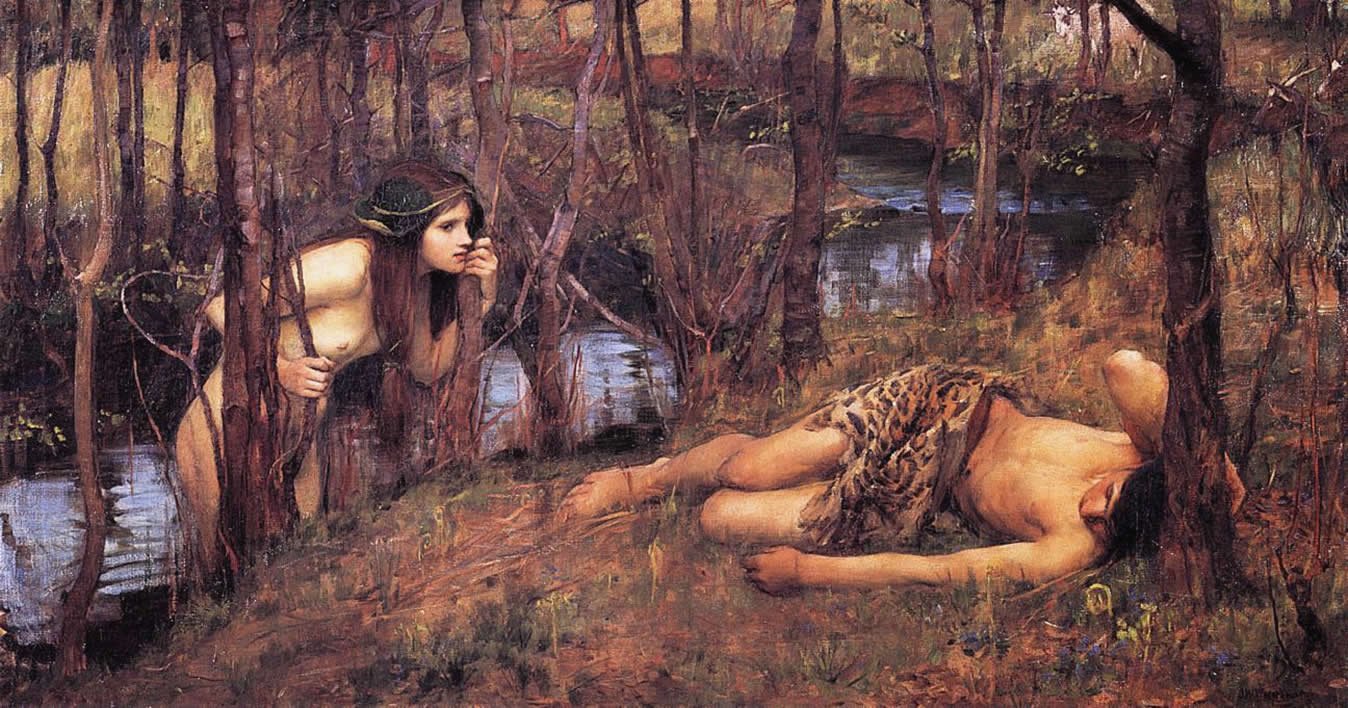
Across ancient folklore and mythology, water sprites have fascinated cultures as mystical guardians of freshwater realms. Known by many names, they are most famously depicted in Greek mythology as Naiads, the nymphs of streams, rivers, and fountains. These beings were seen not just as protectors but as embodiments of the water’s life-giving and destructive powers. Often revered for their beauty and charm, they played pivotal roles in rituals, myths, and daily life, symbolizing the close bond between humanity and nature’s sacred waters.
‘ve always been into carvings, especially gargoyles. I’m not sure why it took me so long to notice these relics of Medieval times and lore. Sheela Na Gigs are among the most intriguing figures in architectural history, leaving us with more questions than answers.