Puffins
~
Article by Leaf McGowan/Thomas Baurley, Techno Tink Productions ~
Name: Puffins
Folk Name: Puffins, little brother, fraterculini, fratercula
Taxonomy: Animalia, Chordata, Aves, Charadriiformes, Alcidae, Fraterculini, arctica (F. arctica; F. cirrhata; F. corniculata; †F. dowi)
Locality: Two of the species can be found in the Northern realms of the Pacific Ocean, while the Atlantic Puffin can be found in the northern realms of the Atlantic Ocean.
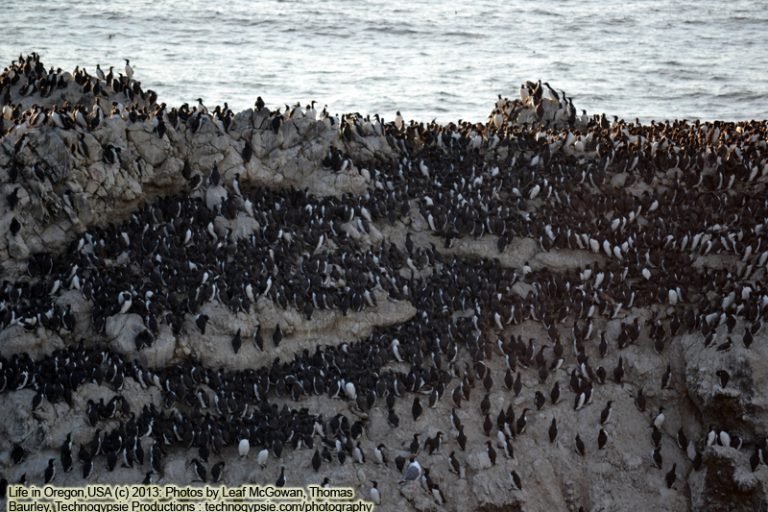
Description: An amazing bird under Fraterculini that has three main species of alcids or auks. Puffins have a stocky build, large beaks that change coloring with seasons, and primarily black and white feathering. They have short-tails, black upperparts, and white to brown/gray underparts, head possessing a black cap, white face, orange-red feet.
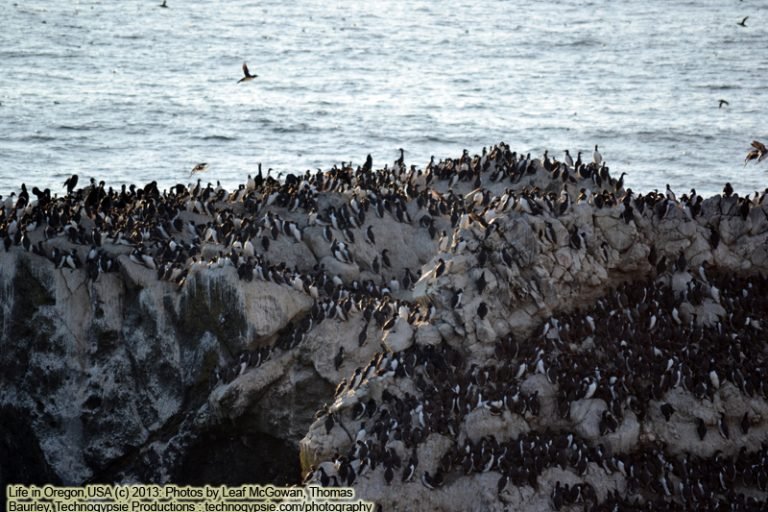
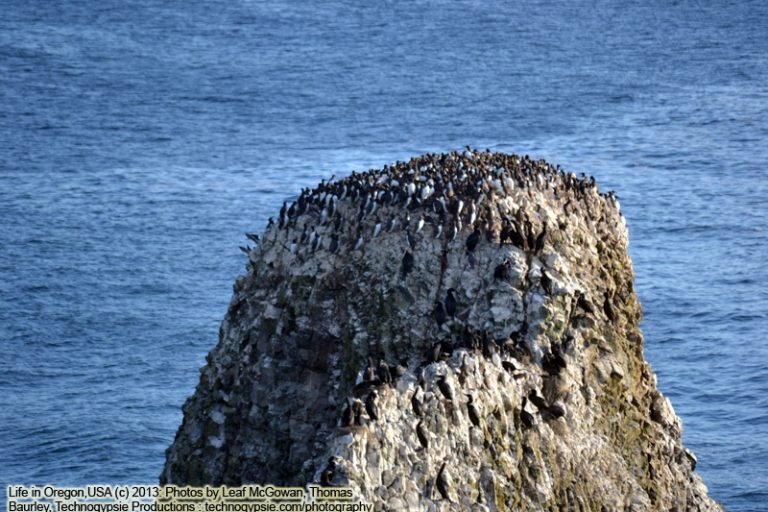
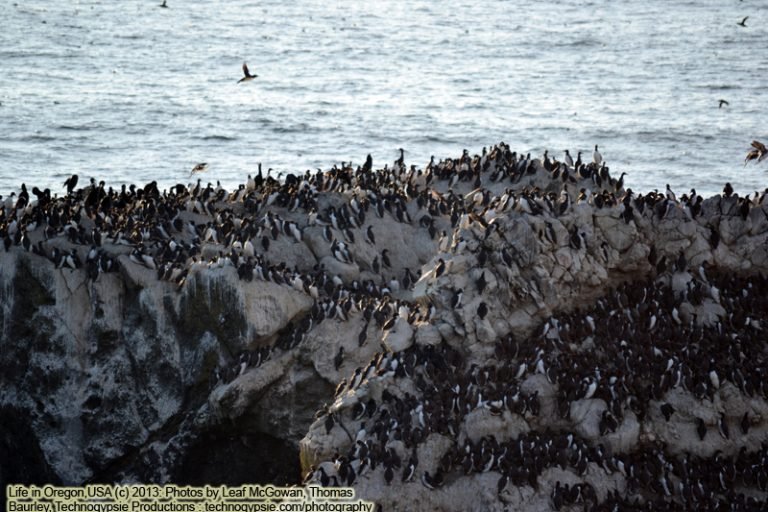
They are silent at sea flying high above the water roughly 10 meters compared to the 1.6 meters that other auks fly. They possess a short wingspan which helps them with swimming and what appears to be a flying technique they use underwater. In the air, they are known to have upwards of 400 wing beats per minute especially when flying low over the ocean water. Puffins breed in large colonies along coastal cliffs, offshore islands, sea rocks, crevices, or burrows.
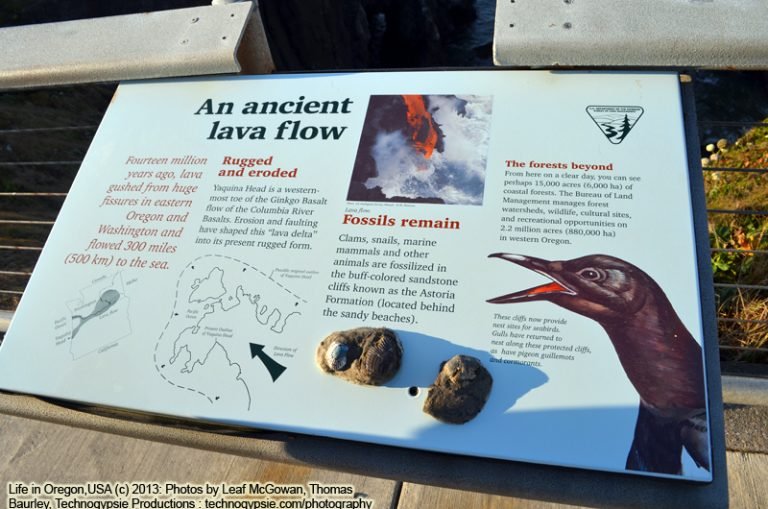
They have bright colored beaks during their breeding season. They shed these after breeding exposing a small dull beak. Their populations are declining. They are known for their feeding patterns by diving in the water for food. Fossils have been found in Oregon known as “Hydrotherikornis” an alcid that dates to the Late Eocene, and other fossils of Aethia and Uria date back to the Late Miocene. It is theorized they originated during the Paleocene in the Pacific regions.
Uses: the fatty meat of the younger birds are salted and eaten in various world diets primarily in coastal regions.
Folklore/Spirituality: The genus Fraterculini or Fratercula comes from the Latin “little brother” referring to the black and white plumage that resembles monastic robes. The English name Puffin comes from the appearance of the bird as being swollen or puffed up, with fat like appearance to the fatty salted meat of the young birds.
This is a work in production. It is not complete.
More information:
If you would like to contact the author about this article, would like to advertise on this page, or have information to add, please contact us at technogypsie@gmail.com.