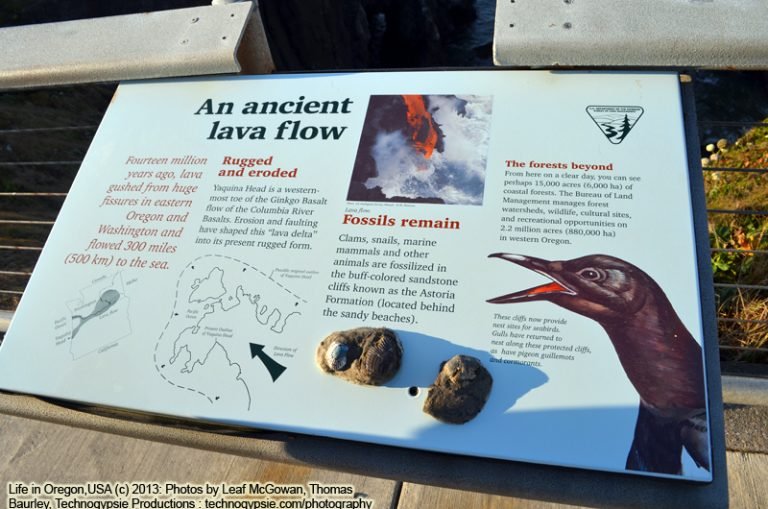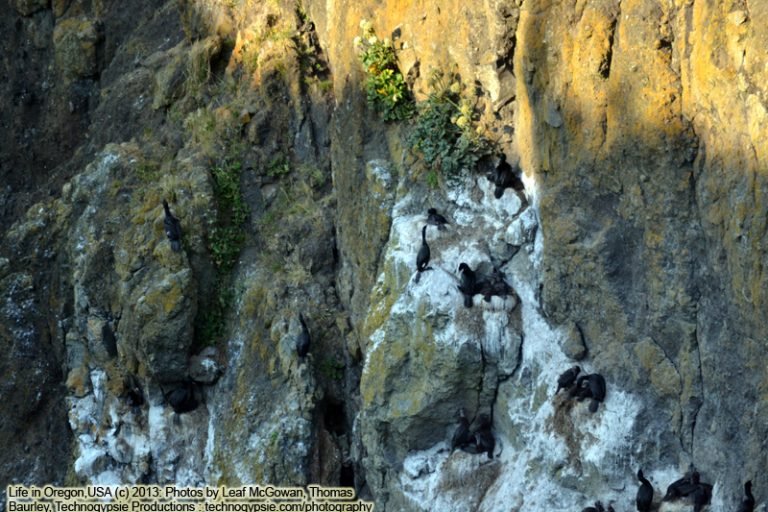
Murres
~ Article by Leaf McGowan/Thomas Baurley, Techno Tink Productions ~
Name: Common Murres
Folk Name: Murre, guillemot, auk, thin billed murre
Taxonomy: Animalia, Chordata, Aves, Charadriiformes, Alcidae, Uria species (common: aalge)
Locality:
Common Murres are generally from the low-arctic and boreal waters of the North Atlantic and North Pacific. Most of its time Common Murres spend at sea, they only spend time on land breeding along rocky cliff shores or islands.
Description:
Known as the common murre or common guillemot, these birds are large auks, with a circumpolar distribution spending their time at sea except for breeding along rocky cliffs. They have fast direct flight but are not very agile, they maneuver well underwater diving to depths of 30-60 meters, though maximum depths recorded are around 180 meters.
They breed in colonies with high-density populations and are often in physical contact with their neighbors, they don’t make nests and lay single eggs they incubate on bare rock ledges which hatch around 30 days of incubation. The infant chick is born downy regulating its own body temperature around day 10, after 20 days they leave the nest for the sea although unable to fly yet upwards of 2 months after birth, they glide with fluttering wings often accompanying the male parent. The female parent stays at the nest upwards of 14 days after the chick leaves. The chick learns to dive as soon as they hit the water.
Murres sometimes nest through the winter, though northern populations spend winters farther from their colonies. They often grow to 38-45 cm in length with a 61-73 cm wingspan. It’s hard to tell the difference between males and females. The common species during breeding possess black on the head, back and wings, with white underparts. They have a thin dark pointed bill and a small rounded dark tail. The face is usually white with a dark spur behind the eye, though some are dark brown rather than black. Legs and bills tend to be grey, though some have been recorded as yellow/gray. Feathers sometimes molt later in the year, but basic plumage occurs as late as May.
Uses:
Folklore/Spirituality:
The name comes from the Greek ouriaa – a waterbird mentioned by Athenaeus and the Old Norse alka or “auk”.
This is a work in production. It is not complete.
More information:
If you would like to contact the author about this article, would like to advertise on this page, or have information to add, please contact us at technogypsie@gmail.com.