Amethyst

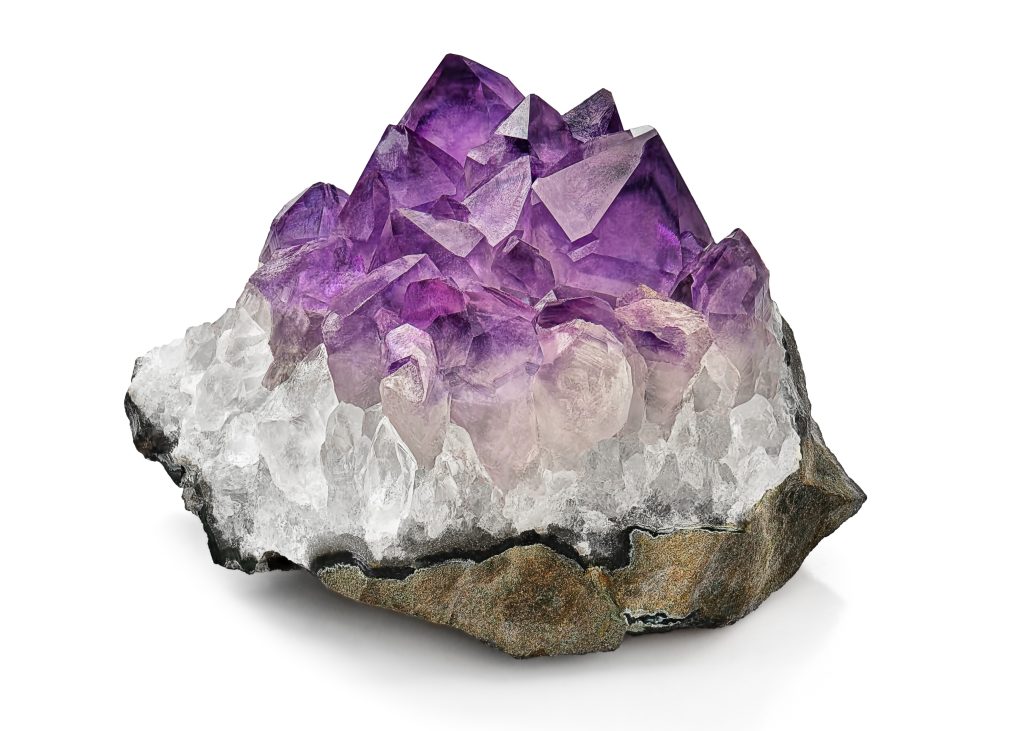
SiO2 or Amethyst is most notable for its violet to purple hue and color. Meaning “not drunk” from the Greek word “a-methystos”, Amethyst is a vitreous variety of Quartz. It’s purple color come from gamma irradiation and the presence of iron and other transitional metal traces built into its crystal lattice. It is most popularly found in a deep purple, pale violet, or light lavender color. However, it does possess secondary hues of reds and blues. It displays with color zoning frequently, with the most intense coloring found at the crystal terminations – making this the most prized variety of quartz. It is the state gemstone of South Carolina. Amethyst is commonly used in jewelry. Amethyst is classified as semi-precious.
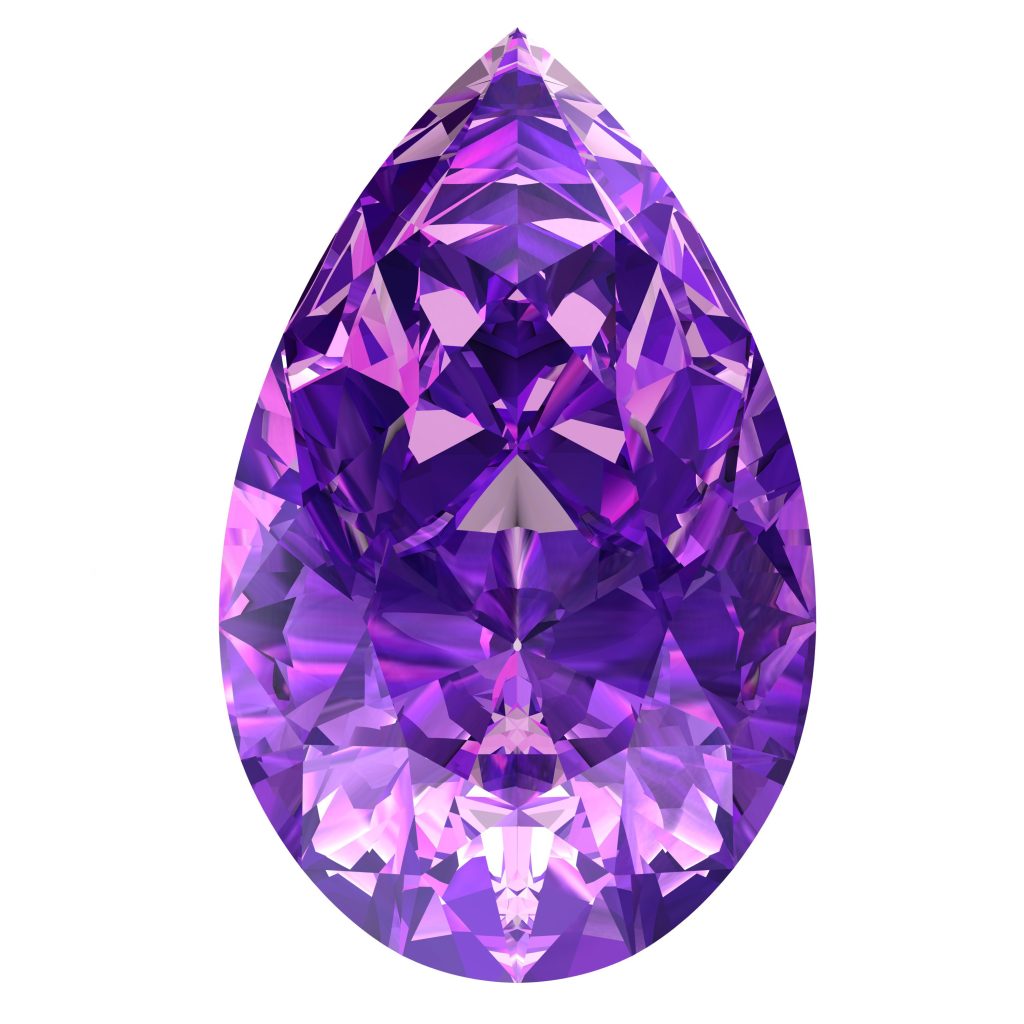
amethyst

The gemstone is pleochroic when polarization of light is changed from parallel to the c-axis and perpendicular to the c-axis, changing color from blue-violet to purple. The crystals are not very large, usually not longer than 30 cm, which in of itself is very rare. Druzy crystals aggregates outline cavities, often in geodes – short-prismatic or lacking prism faces, and are common in volcanic rocks, hydrothermal veins, and cavities of sedimentary rocks. The term “scepters” or late syntaxial overgrowth, is used for other color varieties of quartz, commonly with Amethyst, for high to medium temperature environments like alpine fissures and pegmatites; split-grown crystals found in hydrothermal veins of ore deposits and volcanic rocks; or as individual well-formed crystals from small cavities and fissures. When in hydrothermal veins sometimes it appears with several growth phases and variable coloring, with banding.

Amethyst Localities:

Amethyst is found throughout the world, but high-quality specimens found in the Far East, Siberia, Sri Lanka, Brazil, and Uruguay. The greatest production locations are often Maraba, Pau d’Arco, Para, Parana Basin, Rio Grade do Sul, Brazil, Sandoval, Santa Cruz – Bolivia, Artigas – Uruguay, Kaloma – Zambia, and Thunder Bay Ontario Canada. Others found in Africa, Spain, Brazil, Argentia, Russia, Mexico, South Korea, Afghanistan, and the United States. In the United States – it is most notably found at Four Peaks / Gila / Maricopa Counties of Arizona, and Jackson’s Crossroads in Wilkes County Georgia. Smaller produced area found near Fort Collins, Colorado; Amethyst Mountain Texas, Yellowstone National Park, Delaware County Pennyslvania, North Carolina, Deer Hill / Stow Maine, Lake Superior area of Minnesota, Wisconsin, and Michigan. Common in Ontario and Nova Scotia Canada.

Beliefs and Folklore about Amethyst

Amethyst was worn by the Greeks and carved into drinking vessels believing it would prevent intoxication. Medieval soldiers were said to wear the stone for protection in battle believing it was a healing gemstone that would also keep them cool-headed. The ancient Chinese also seemed to believe it removed hazards and negative energies. Tibetans saw the gemstone sacred to the Buddha and often make prayer beads from it. It is seen as the February birthstone in much of the world. It was a symbol of royalty in the Middle Ages. Known to represent supreme spirituality, it is a magical stone of choice. It is known to bring peace, tranquility, peace, satisfaction, aid in meditation, developing intuition, creativity, and connection with the divine.
For more information about this mineral, visit mindat.org or join our Facebook group to network with others of like minds. Visit us on Instagram and/or join us at our Gem and Mineral shows.

By Thomas Baurley, Techno Tink Treasure.

If you would like to contact the author about this article, would like to advertise on this page, or have information to add, please contact us at [email protected].

Posted in Geology, Rocks and Minerals | Tagged , , , , , | Comments Off on Amethyst

Amazonite

Amazonite
~

Article by Leaf McGowan/Thomas Baurley, Techno Tink Media ~

Coming Soon …

Name:

Folk Name: Amazonite

Taxonomy:

Locality:

Description: Pale, blue-green in color.

Uses:

Folklore/Spirituality:
This stone is believed to connect oneself to their inner powers, intuition, universal love, self-love, and awareness. It is also supposed to renew one’s faith in life. It is also known to boost metabolism and aid in pregnancy, delivery, and aids one’s pre-menstrual symptoms.

More information:

  •  

If you would like to contact the author about this article, would like to advertise on this page, or have information to add, please contact us at [email protected].

Posted in Geology, Rocks and Minerals | Tagged , , | Comments Off on Amazonite

Agate

Agate
~

Article by Leaf McGowan/Thomas Baurley, Techno Tink Media ~

Name:

Folk Name: Agate

Taxonomy:

Locality:

Description: This mineralized stone comes in various colors and compositions.

Uses:

Folklore/Spirituality:

Believed to awaken inherent talents, transforms negativity, balancing the physical and emotional aspects of oneself.

More information:

  •  

If you would like to contact the author about this article, would like to advertise on this page, or have information to add, please contact us at [email protected].

Posted in folklore, Geology, Rocks and Minerals | Tagged , , | Comments Off on Agate

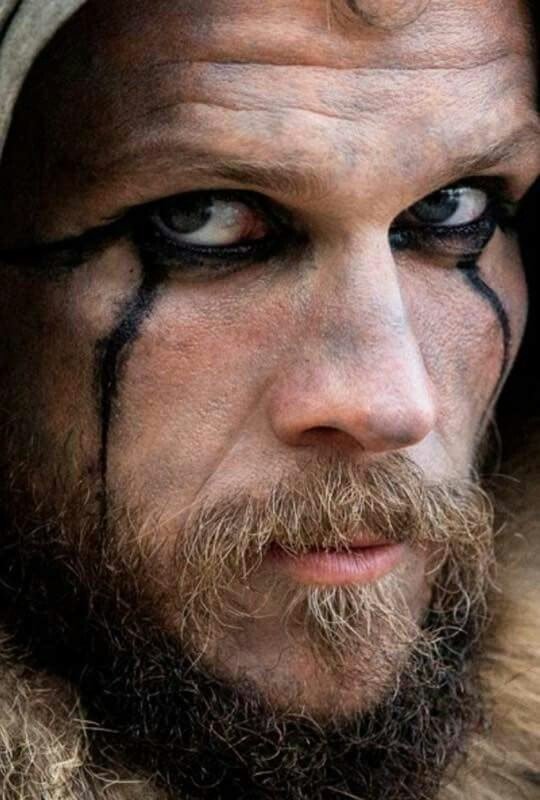
Viking Face and Body Painting

Ritual Painting of Face and Bodies in Viking Culture

by Thomas Baurley, 9/6/2017

It is a controversial and well-debated subject whether or not the Vikings painted their faces and bodies. The Vikings were certainly exposed to the practice from their contact with the Britons, Celts, and Arabic Cultures. As early as 55 C.E. Julius Caesar wrote about the natives in Britannia about their usage during his conquest of the region, stating “All the Britons dye their bodies with woad, which produces a blue color, and this gives them a more terrifying appearance in battle.” Perhaps it was adopted by the Vikings once battling the Brits. Hollywood definitely portrays this practice, but it could have no more validity as horned helmets being worn by Vikings.

There is evidence from the writings of “Ibrahim ibn Yaqub” who in 965 C.E. visited the Viking village of Hedeby reporting that many of the Vikings in the village, both male and female had enhanced their eyes with some sort of paint. This discovery leads many academics to believe it was strictly cosmetic in use. Some believe they painted themselves with complicated symbols, runes, and/or trees in symbology. Tools, materials, and dyes have been archaeologically excavated from sites in Northern Europe that even pre-dated the Vikings, so it is not hard to believe they had the ability and knowledge to do so.

There were also found pieces of art depicting Vikings with painted faces discovered in archaeological excavations. The Fyrkat Denmark grave goods dating from 980 C.E. depicts a gilded box-brooch with a hinged lid, inside of which was contained very white lead carbonate often used in cosmetics and paints dating as far back as the Ancient Greeks. This had led scholars to conclude was used as white makeup (albeit lead being poisonous in such application over time).

Obviously Hollywood and the film industry have jumped to this conclusion and it has become commonplace in media, film, and photos with some very dynamic artwork produced called “Viking” influenced. Some of these can be seen here on Pinterest: https://www.pinterest.com/explore/viking-makeup/?lp=true. My first and only time I went to an authentic Viking festival in Norway, I was allowed to be a Viking body painter, having had to create clay-based coloring, woad, and other herbal based paints, using horse-hair brushes I styled in ancient paintbrush style, and painted Runes on my customers, it went over well and was very popular.

References and extended research:

  • Ceasar, Julius n.d. “The Conquest of Gaul”
  • Fadlan, Ibn; Lunde, Paul; Stone, Caroline “Ibn Fadlan and the Land of Darkness: Arab Travellers in the Far North”. USBN: 9780140455076, Amazon books.
  • Handford, S.A. 1951 “Cesar: The Conquest of Gaul” translation, Penguin Classics.
  • Pentz, P 2009 “Mannering U: Kong Harolds volve”. Nationalmuseets Arbejdsmark, pages 215-232.
  • Perabo, Lyonel – Quroa 2016 “Why did the Vikings paint their faces”. Website referenced 9/6/17 at https://www.quora.com/Why-did-the-Vikings-paint-their-faces.
  • Petersen, Irene Berg 2012 “What Vikings Really Looked Like”. ScienceNordic. Website referenced 9/6/17 at http://sciencenordic.com/what-vikings-really-looked.
Posted in Anthropology, Archaeology, Celtic, Ethnobotany, Pagan Practices, Viking | Tagged , , , , , , | Comments Off on Viking Face and Body Painting

Baleen

WHALING
Baleen art – Pacific Northwest Tribal Art

Baleen Arts and Crafts

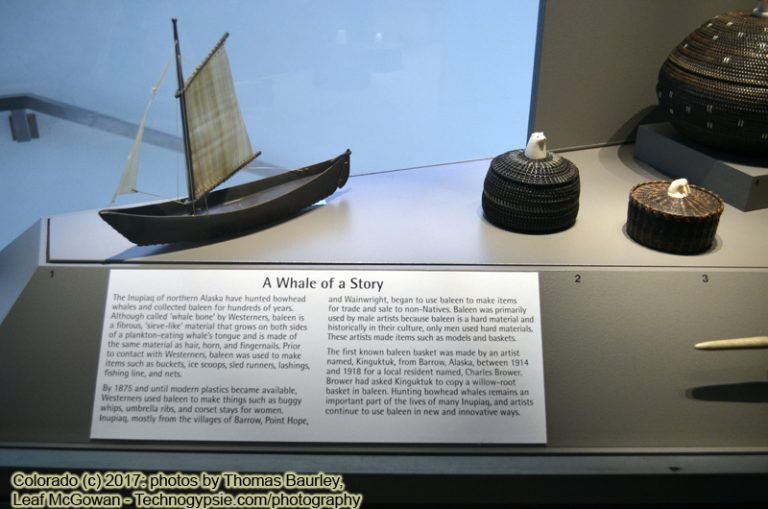
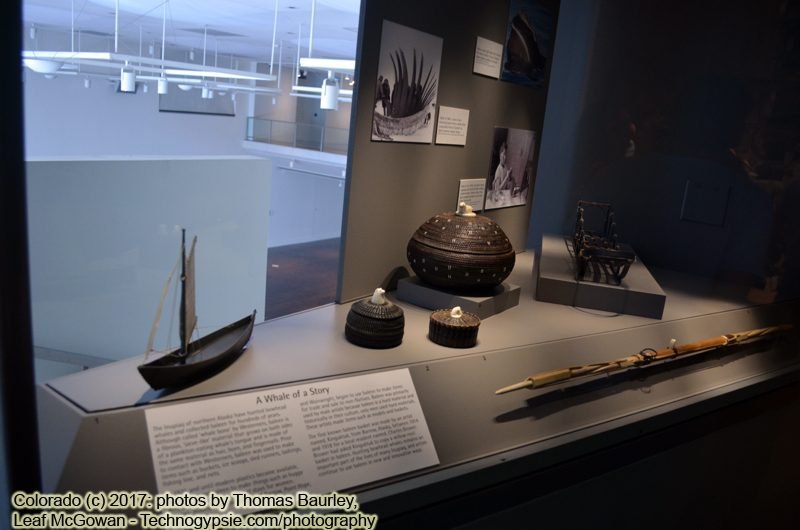
Baleen: “A Whale of a Story: The Inupiaq of northern Alaska have hunted bowhead whales and collected baleen for hundreds of years. Although called ‘whalebone’ by Westerners, baleen is a fibrous sieve-like material that grows on both sides of a plankton-eating whale’s tongue and is made of the same material as hair, horn, and fingernails.

Prior to contact with Westerners, baleen was used to make items such as buckets, ice scoops, sled runners, lashings, fishing lines, and nets. By 1875 and until modern plastics became available, Westerners used baleen to make things such as buggy whips, umbrella ribs, and corset stays for women.

Inupiaq mostly from the villages of Barrow, Point Hope, and Wainwright, began to use baleen to make items for trade and sale to non-natives. Baleen was primarily used by male artists because baleen is a hard material and historically in their culture, only men used hard materials. These artists made items such as models and baskets.

The first known baleen basket was made by an artist named Kinguktuk from Barrow, Alaska between 1914 and 1918 for a local resident named Charles Brower. Brower had asked Kinguktuk to copy a willow-root basket in baleen. Hunting bowhead whales remains an important part of the lives of many Inupiaq and artists continue to use baleen in new and innovative ways.”~display at Denver Art Museum.
Displayed arts of Baleen in the Pacific Northwest Indians exhibit at the Denver Art Museum.

WHALING
display at Denver Art Museum. Pacific Northwest Tribal Art; Pacific Northwest Tribes; Exhibit – Denver Museum of Art/ Art Museum
Continue reading
Posted in Anthropology, Archaeology, artifacts, Native American | Tagged , , , , , , , | Comments Off on Baleen

Seagrass Basketry and Weaving

Seagrass Baskets – Pacific Northwest Tribal Art

Seagrass Baskets

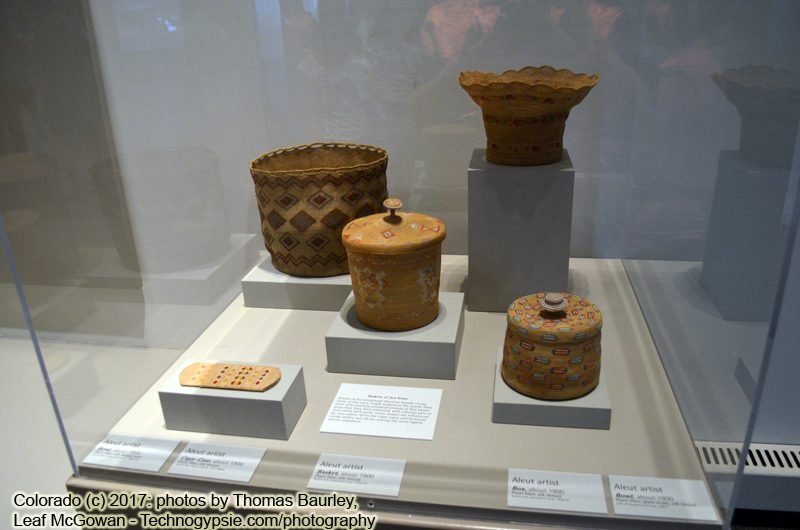
Seagrass Baskets: “Baskets of Sea Grass – Artists of the windswept Aleutian Islands create some of the most fragile baskets in the world. They start with carefully prepared strands of fine beach grass that they then emellish with colorful yarn or even white bird quills. Some shapes are influenced by non-native items like cigar cases and Victorian candy dishes, but all are among the most tightly woven anywhere.” ~ display at Denver Art Museum.

Posted in Anthropology, Archaeology, artifacts, Basketry, Native American | Tagged , , , , , , , | Comments Off on Seagrass Basketry and Weaving

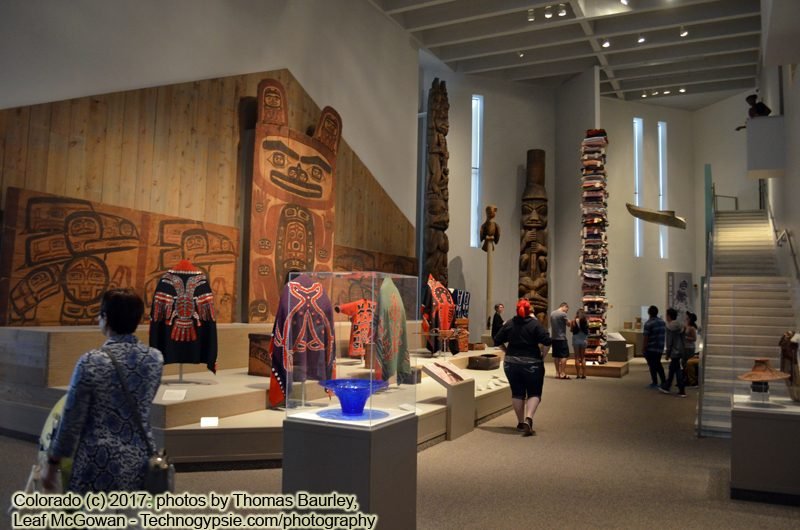
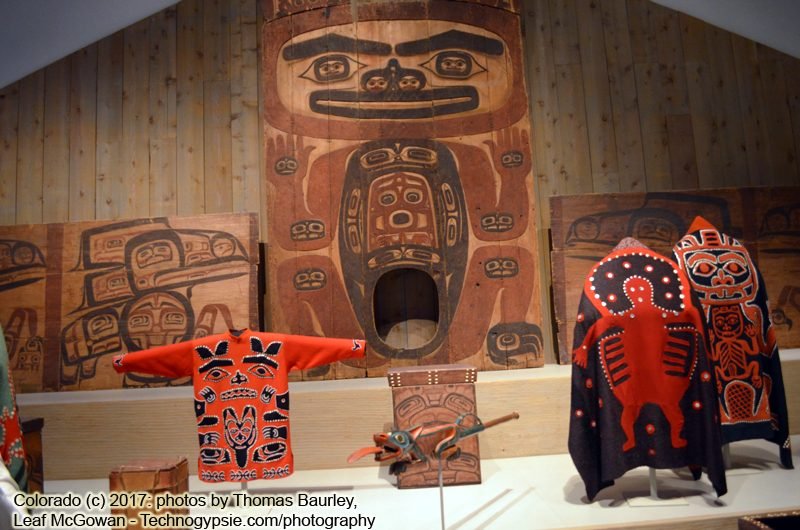
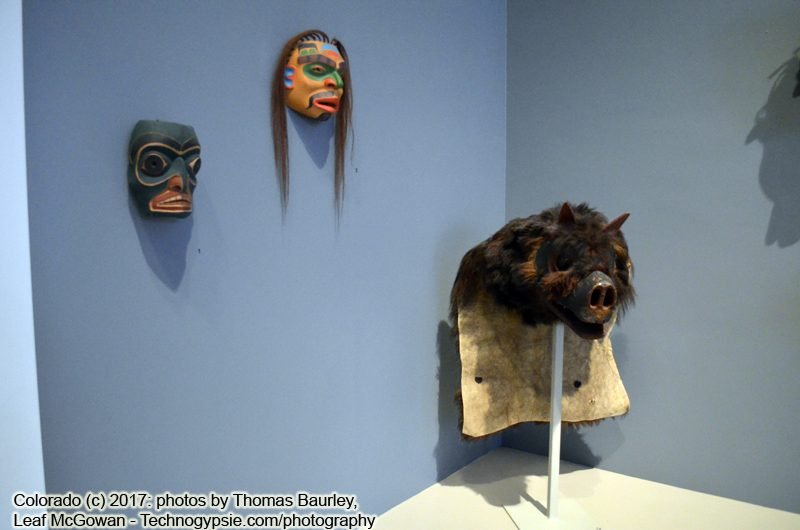
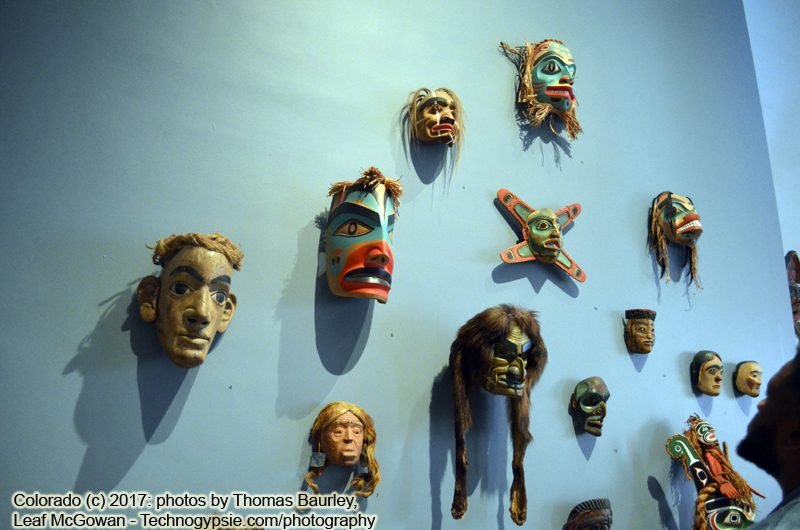
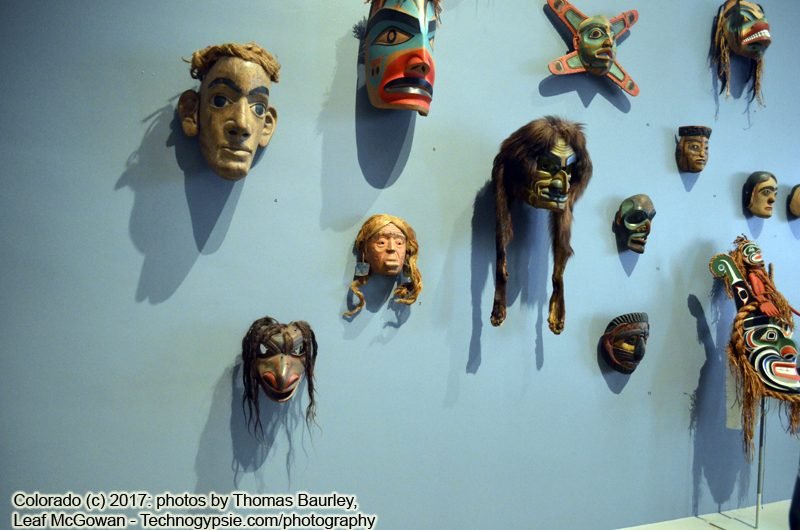
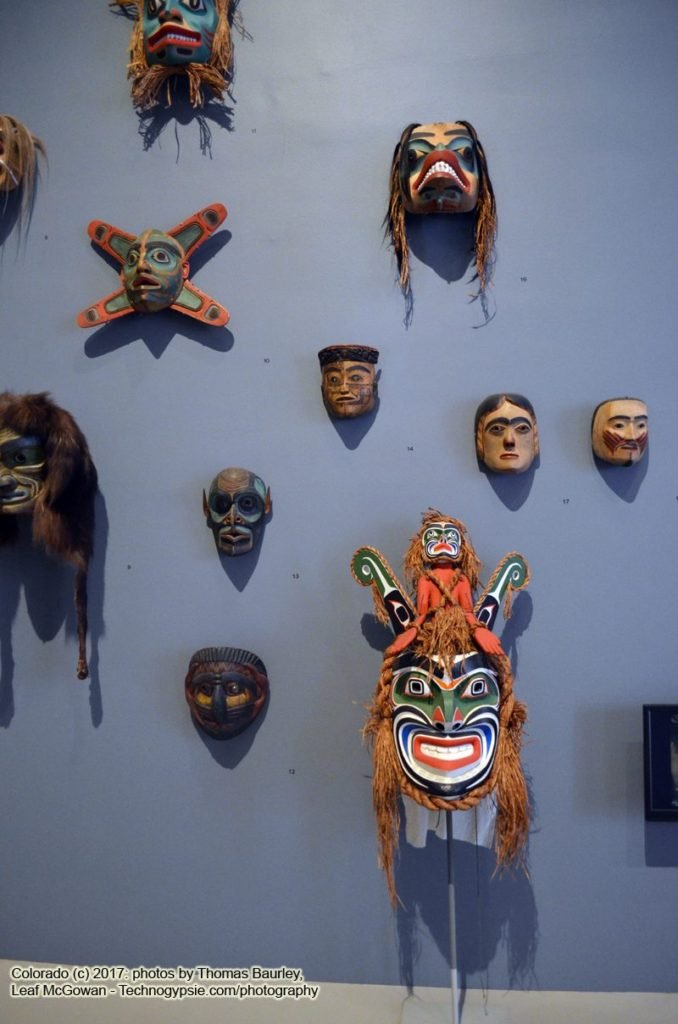
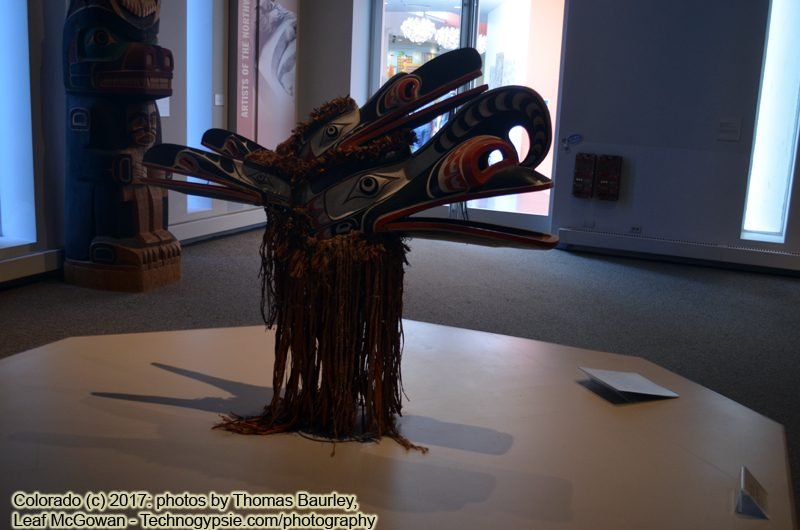
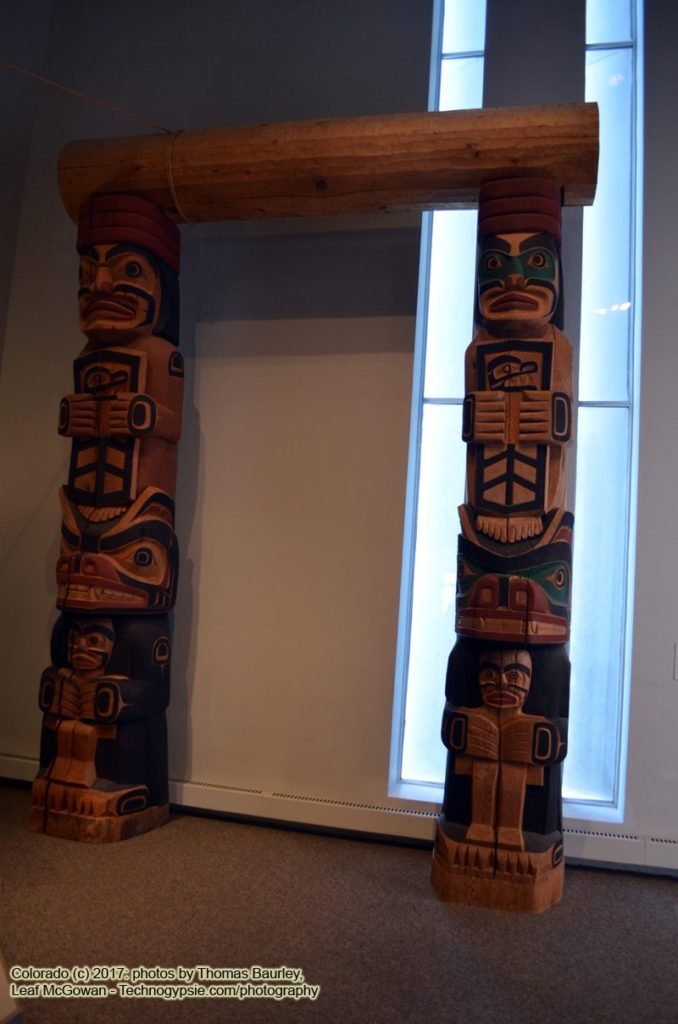
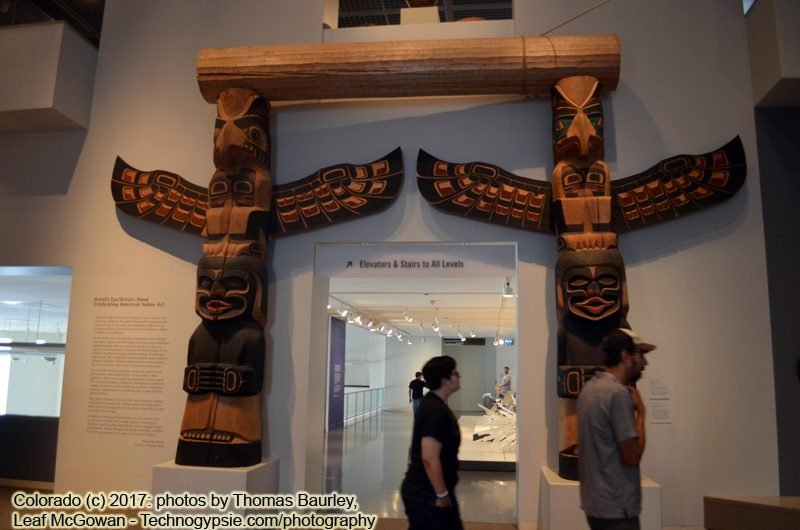
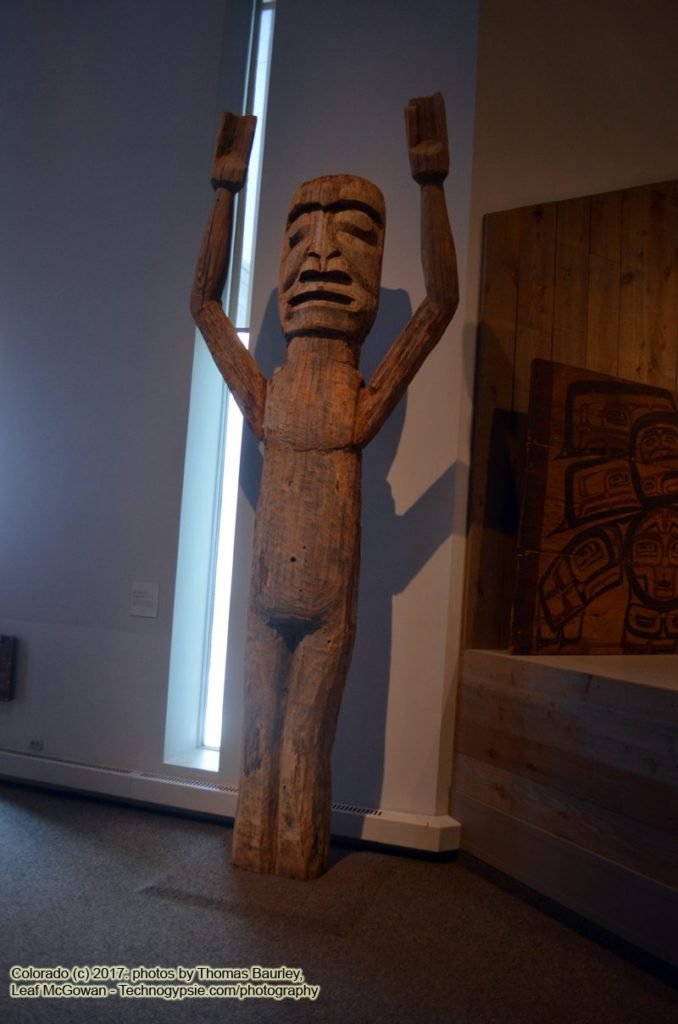
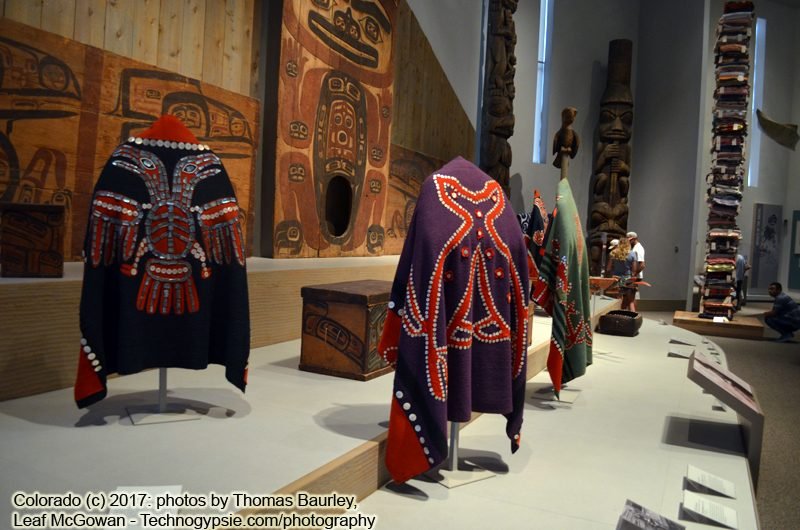
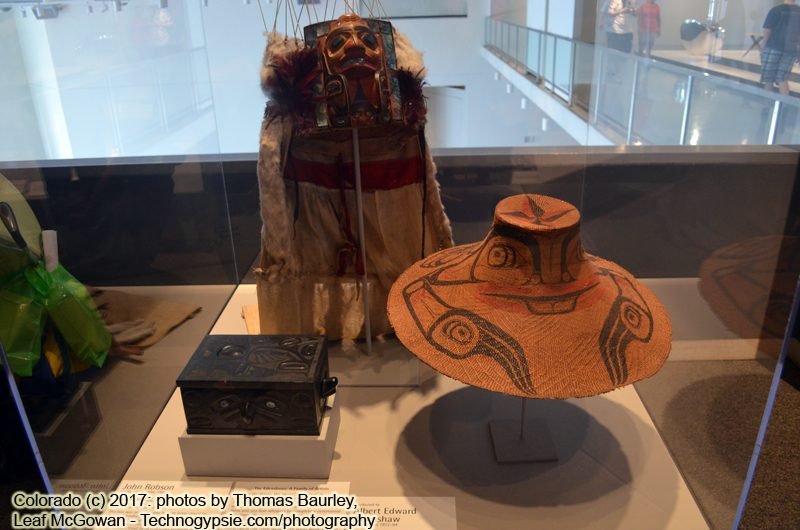
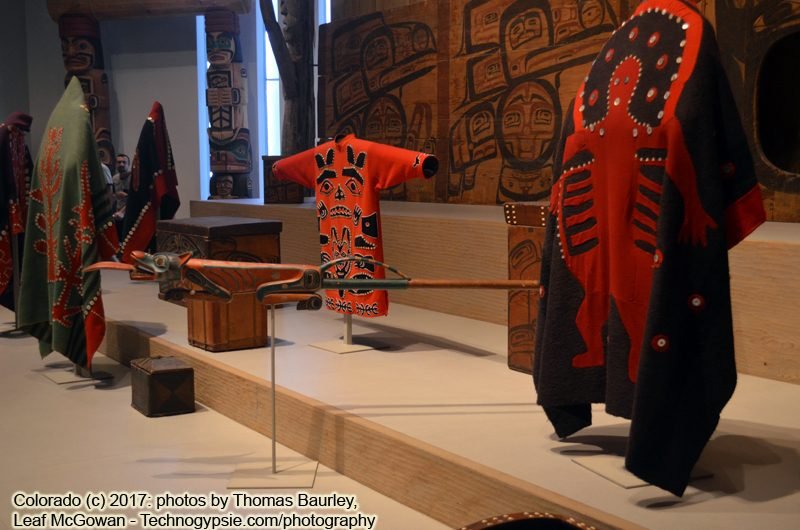
Pacific Northwest Native American Art

Pacific Northwest Tribal Art

Pacific Northwest Native American Art & Culture


~ Article and research by Thomas Baurley, Techno Tink Research, August 7, 2017.

Native American culture of the Pacific Northwest is amongst some of the most impressive art forms and mythology on the planet. The North American Northwest and Columbia Plateau Tribes

Material Culture:

Research is being conducted, please come back for more information and photos.

Posted in Anthropology, Archaeology, artifacts, Cultures, Native American | Tagged , , , , , , , , , | Comments Off on Pacific Northwest Native American Art

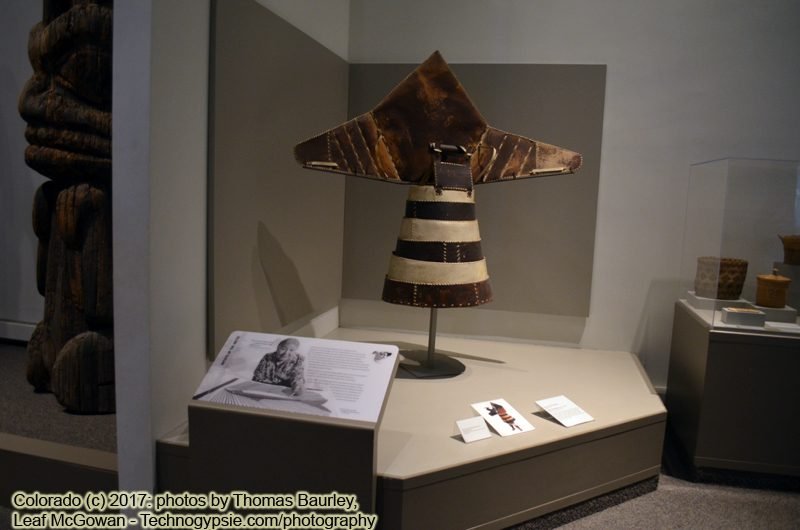
Inupiaq Seal/Walrus Skin Armor

Inupiaq Walrus/Seal Skin Suit of Armor:
dated 1945 by Jimmy Otiyohok, Inupiaq.

Inupiaq Walrus/Seal Skin Suit of Armor


~ Article and research by Thomas Baurley, Techno Tink Research, August 7, 2017.

Even though many of the tribes in what is known as Alaska are seen as very peaceful people, conflicts and warfare did occur, to the extent that the Inupiaq and Chukotkan men had created armor.

There were two basic types (1) plate armor made of bone, ivory, antler, or iron plates lashed together and (2) band armor consisting of telescoping bands of hiding. Both of these were worn over ordinary clothing and extended from head to toe.

The armor was accompanied often by helmets, cuirasses, shields, shin guards, wrist guards, and neck protectors. The armor was strong enough to be invincible to arrows (except at close range). Plate armor was made from dozens of ivory plates carved from walrus tusks.

The first evidence of this armor was found in Chukotka at various Punuk sites/excavations. Large quantities of armor plates were also discovered at western Thule at Barrow from the 15th century. They would fight with spears (defense), bows/arrows (attack), lances, knives, and slingshots. By the early 19th century after contact with Euro-Americans, they incorporated muzzle-loaded guns.

The North American Northwest and Columbia Plateau Tribes as well as Pacific Coast Tribes have very intriguing “weapons and tools” in their culture and archaeological record. The Artwork of the Native American Pacific Northwest Cultures is phenomenal, embedded with myths, legends, and spirituality that empowers their people.

The armor depicted here is dated to 1945 CE (Common Era) and was made by Jimmy Otiyohok, Inupiaq. Made of Walrus skin, seal skin, wood. This ingenious type of armor was created to protect men in battle. Fashioned from the thick hide of a walrus, the armor is made in several collapsible concentric rings that girdle the soldier’s body but are flexible to allow movement. The upper section protects the head and neck region with bendable ‘elbow joints’. Arrows would bounce off the thick hide.

References/Recommended Reading:
  • Buron, Ernest S. “Alliance, and Conflict: The World System of the Inupiaq Eskimo
Continue reading
Posted in Anthropology, Archaeology, Armor, artifacts, Native American, weapons | Tagged , , , , , , , , | Comments Off on Inupiaq Seal/Walrus Skin Armor

Inupiag & Yup’ik Hunting & Culture

Pacific Northwest Tribal Art (http://www.technogypsie.com/science/?p=3803)

Inupiag & Yup’ik Hunting & Culture
~ Article and research by Thomas Baurley, Technogypsie Research, August 7, 2017.

The indigenous First Nation’s people in the area known as Modern day Alaska are divided into eleven distinct cultures, with over 11 different language groups and 22 different dialects. The IƱupiat (or Inupiaq) is one of the larger groupings of indigenous culture in the region, with territories expanding from Norton Sound/Bering Sea to the US/Canadian border. There are seven villages in the North Slope Borough, eleven villages in the Northwest Arctic Borough, and 16 villages in the Bering Straights Regional corporation today.

They originated in the Thule Culture dating to approximately 1000 B.C.E. (Before Common Era) and believed to have migrated from the Islands to the mainland by the Bering Sea what is now called Alaska. These original peoples share common language groupings with the Inuit. It is believed after exposure to Euro-American whaling explorers the Inuiaq contracted an influenza epidemic and simultaneously went through a period of starvation forcing them to migrate to the mainland between 1890 and 1910. Some moved on to the mountains by the 1930s. Many Nunamiut such as the Killikmiut moved their peoples to Anaktuvuk Pass in north-central Alaska today. Others remained nomadic until the 1950s.

Ceremony/Ritual/Beliefs/Religion:

Animism was common as well as spirit worship based around reincarnation and recycling of spirit forms from one life to the next for all living creatures. Those who pass will have their names assigned to recent newborns. It was important to respect the kill of the hunt, releasing the animals spirit so it would return for future hunts. All life was highly respected because of this belief.

Clothing:

The Inupiaq and Yupik dress was pretty similar to neighboring peoples, consisting of large outer/inner pullover tops called parkas (kuspuks/qiipaghaq); inner and outer pants, socks and kamiks (boots). Tops and pants were commonly made from caribou skin with fur facing inward on the inner garments, outwards on the outer garments. Female pullovers often had a larger hood to help carry children (except St. Lawrence Island as they did not carry kids in the parkas). Animal skin gloves with fur turned inside with a leather strip were also common. They made waterproofed clothing out of sea-mammal intestines.

Housing Settlements:

The Native populations created a variety of housing types but most involved an underground tunnel entrance below the living level to trap cold air, consisted of a semi-subterranean structure utilizing the ground as insulation, and was heated/lit by a seal-oil lamp made from pottery or soapstone. These also were used for cooking. Most houses were made of sod blocks laid over walrus/whale bone or driftwood frames in a dome or rectangular shape. Circular shaped homes were common on St. Lawrence Island as the rectangular shape (12-15′ x 8-10′) was common everywhere else. Most of these houses were used in winter months and the families would move to nomadic camps during summer months. A community house called gargis was where the tribe gathered, did community projects or work.

Hunting and Subsistence:

The peoples depended on seasonal gatherings and hunting expeditions varying by location. Commonly hunted were whales, seals, walruses, pink / chum salmon, cod, inconnu, whitefish, herring, halibut, crab, birds, eggs, caribou and the gathering of plants.

Social Organization:

Families in the tribe would divide labor and chores by gender and conducted barter with one another in a very respectful and peaceful manner. They released their tensions in competitive games that would focus on strength and stamina of the contestants, and would also have song duels with one another exchanging stories, myths, and culture.

Tools:

The Inupiaq and Yupik had their two common tool kits consisting of various tools made of stone, wood, and bone that were used for hunting, tanning, carving, butchering, drilling, hiding, inscribing, sharpening, and flaking. They also used the bow drill for starting fires and drilling holes in wood /bone /ivory. The processing tool kit included the above while the hunting tools including lances, toggle-headed harpoons, lines, and marine mammal bladder floats (seal bladder floats for the bowhead whale hunts and seal skin floats for other whale hunts which when filled with water attract and lead the whales closer to shore). Other tools used included scratching boards to attract seals to breathing holes, bows, arrows, spears, spear throwers, bolas (hunting birds), snares, nets, wooden traps, and hooks. The tools used were varied, and consist of various items such as Harpoons and Toggles. Sometimes they made figurines of beings or creatures they wanted to successfully hunt, like Sculpin figurines or a representative Totem is involved. They were also known to create Seagrass Weaving & Basketry and Baleen Crafts.

Transportation:

The Inupiaq and Yupik often had large open skin boats called Umiaq/Angyaq for their hunts and to get around from village to village. These boats were roughly 15-25 feet long (some upwards of 50′) and are common on walrus or whale hunts, trade routes, and long distance travel holding up to 15 passengers. Single riders would use a closed skin boat kayak. Basket sleds were common for travel over the land and flat sled to haul the boats across the ice. Snowshoes were common for foot travel.

The North American Northwest and Columbia Plateau Tribes as well as Pacific Coast Tribes have very intriguing “hunting tools and weapons” in their culture and archaeological record. The Artwork of the Native American Pacific Northwest Cultures is phenomenal, embedded with myths, legends, and spirituality that empowers their people.

Ivory Tool or Weapon by an Old Bering Sea Artist, ca. 100-800 CE. Inupiag & Yup’ik Hunting Tools (http://www.technogypsie.com/science/?p=3815); Pacific Northwest Tribal Art (http://www.technogypsie.com/science/?p=3803); Pacific Northwest Tribes (http://www.technogypsie.com/science/?p=3467) Exhibit – Denver Museum of Art/ Art Museum (http://www.technogypsie.com/reviews/?p=838). Wandering around Denver, Colorado. New Life in Colorado: Chronicle 26 – Chronicles of Sir Thomas Leaf and Prince Cian. Adventures in Colorado. Photos taken Saturday, August 5, 2017. To read the adventures, visit http://www.technogypsie.com/chronicles/?p=21965. To read reviews, visit: www.technogypsie.com/reviews. All photos and articles (c) 2017 Technogypsie.com – by Leaf McGowan and Thomas Baurley. All rights reserved. www.technogypsie.com/photography

More Information/References:

Continue reading

Posted in Aborigine, Ancient Structures, Anthropology, Archaeology, artifacts, Cultures, Native American, Tools, weapons | Tagged , , , , , , | Comments Off on Inupiag & Yup’ik Hunting & Culture

Scraper

Scrapers
Article and research by Thomas Baurley, Technogypsie Research, August 7, 2017

Florida Museum of Natural History, Tallahassee, Florida

From prehistory, all over the world are found stone tools that are created in various forms and functions. The Scraper is a unifacial tool that is often most used for hide or wood working. Many stone tools fall under this unifacial flaked tool, but the authentic scrapers are based on use-wear patterns usually from the distal end of a blade. There are also side scrapers usually made off the long side of the flake as well as notched scrapers that may have had a cleft on either side attaching it to a handle.

Scrapers are made by the action of taking an end of a stone, usually a flaking material like obsidian, chert, or jasper, and is chipped forming a sharp side while retaining the raw form of the rest of the stone to use as a handle or make it easier to grasp. Scrapers once finished are often blade-like or circular in appearance with a convex working edge. If hafted, they may have dulled or trimmed lateral edges. Scrapers are commonly found in lithic sites and scatters. They are classified by their size, shape, base, edge wear, number of edges, etc. Scrapers are used to scrape wood or hide to create form or remove skin. Some are independent or mounted on wood or bone. As they are re-sharpened over time, they become smaller and smaller through use and wear.

    Types:

  • End Scraper
  • Grattoir or Side Scraper
  • Hafted or Clefted Scraper
  • Hollow Scraper
  • Nose Scraper
  • Thumbnail Scraper. (shaped in size like a thumb nail)

Scraper illustration from WIkipedia Commons. This file is licensed under the Creative Commons Attribution-Share Alike 4.0 International license.https://commons.wikimedia.org/wiki/File:Convex_transverse_scraper.jpg by Gayoung Park

Archaeologists often classify Scrapers as either (a) scraper, (b) End Scraper, or (c) Side Scraper. Some however also add in if it is hafted/clefted or a thumbnail scraper. End scrapers have working edges on either one or both sides of the flake, and side scraper’s working edge is along one of the long sides. Other defining factors is based on use wear or function often by use with wood or hide. Scrapers that are used to cut, skin hide or shave wood that are usually made of flint are sometimes called grattoir and possesses a working edge along the long axis of the blade (side scraper). Nose scrapers often have a small working edge either at one or both ends of the tool and is made from a convex blade utilized for finer edging. Hollow scrapers often have a notch in the side or the edge of the blade.

When recorded, the worked tool is recorded based on tool size (weight, dimensions, and whether large/small); shape (circular, rectangular, triangular, irregular, domed, keeled, or discoidal) and if diagnostic; use wear (damaged or intact, purposely shaped, and potential use purpose); base (if fashioned from a tool or flake, or core); working edges (numbers counted 1 or 2 usually); edge angle (vertical working edge vs acute); edge shape (straight, convex, or concave); functional edges (end or side).

The North American Northwest and Columbia Plateau Tribes as well as Pacific Coast Tribes have very intriguing “scrapers” in their culture and archaeological record. The Artwork of the Native American Pacific Northwest Cultures is phenomenal, embedded with myths, legends, and spirituality that empowers their people. Scrapers have evolved from stone to bone, ivory, and/or metal through time with the Pacific Coast tribes.

Scraper by a Punuk Artist, 800-1200 CE, made of slate and ivory. Inupiag & Yup’ik Hunting Tools (http://www.technogypsie.com/science/?p=3815); Pacific Northwest Tribal Art (http://www.technogypsie.com/science/?p=3803); Pacific Northwest Tribes (http://www.technogypsie.com/science/?p=3467) Exhibit – Denver Museum of Art/ Art Museum (http://www.technogypsie.com/reviews/?p=838). Wandering around Denver, Colorado. New Life in Colorado: Chronicle 26 – Chronicles of Sir Thomas Leaf and Prince Cian. Adventures in Colorado. Photos taken Saturday, August 5, 2017. To read the adventures, visit http://www.technogypsie.com/chronicles/?p=21965. To read reviews, visit: www.technogypsie.com/reviews. All photos and articles (c) 2017 Technogypsie.com – by Leaf McGowan and Thomas Baurley. All rights reserved. www.technogypsie.com/photography

Continue reading

Posted in Aborigine, Archaeology, artifacts, Native American, Tools | Tagged , , , , , , , , | Comments Off on Scraper